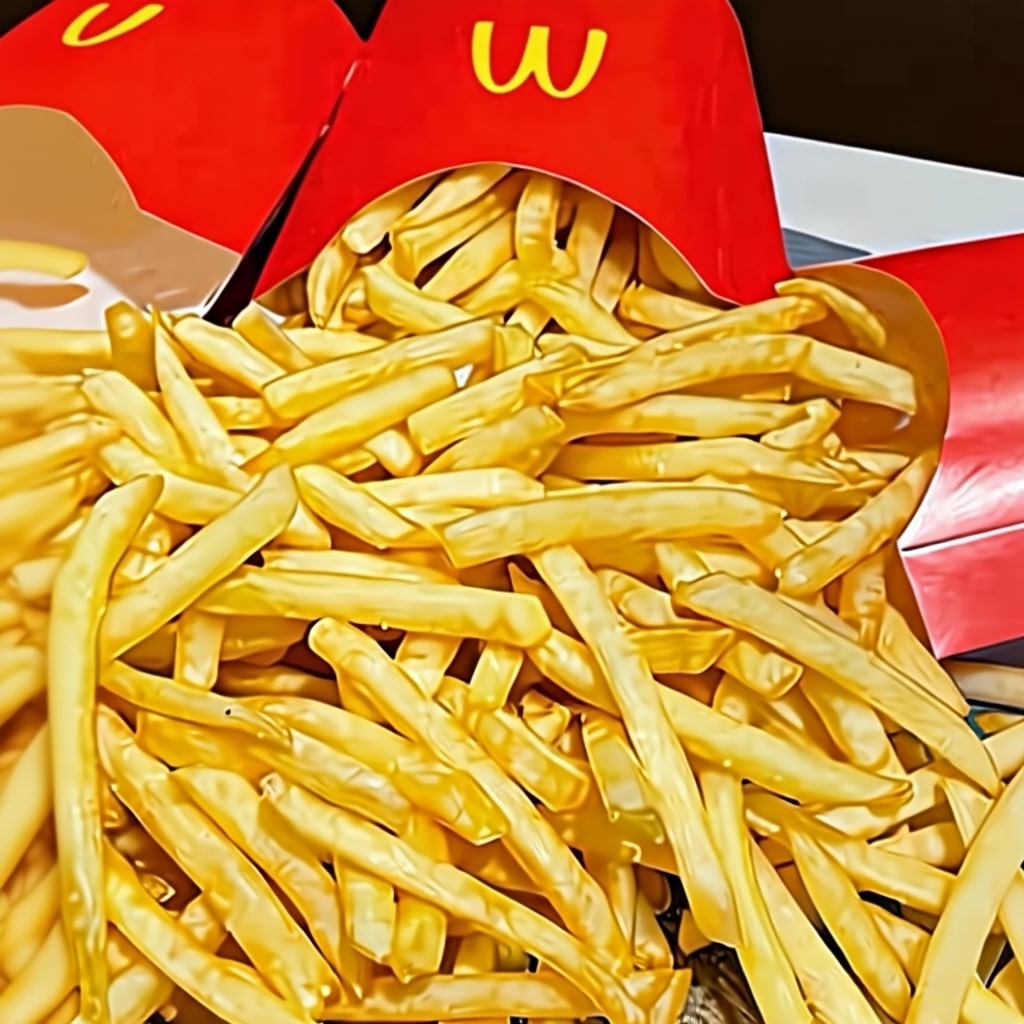
Ah, the unmistakable aroma, the perfect golden crunch, the salty bliss – there’s nothing quite like biting into a perfectly prepared batch of McDonald’s Fries. For decades, these iconic potato sticks have held a special place in our hearts (and stomachs), setting the gold standard for fast food fries worldwide. But what if we told you that unlocking the secrets to truly authentic, restaurant-quality McDonald’s Fries at home is not just a dream, but an achievable reality? Forget pale imitations; we’re diving deep into a copycat McDonald’s fries recipe that promises to bring that nostalgic flavor and signature crisp right into your kitchen. Prepare to master the art of making the best crispy homemade french fries you’ve ever tasted, all thanks to some closely guarded fast food fries secrets.
The Secret History of McDonald’s Fries
The journey to the perfect fry is a fascinating one, rooted in culinary precision and a commitment to flavor. The legendary taste of the original McDonald’s Fries wasn’t an accident; it was the result of a deliberate choice of ingredients and a meticulous cooking process. For many connoisseurs, the “vintage” era of these fries represents a pinnacle of flavor, a taste that has been celebrated and sought after for generations. This wasn’t just about frying potatoes; it was about crafting an experience.
Beef Tallow vs. Vegetable Oil
The single most defining factor in the revered taste of classic McDonald’s Fries was, without a doubt, the use of beef tallow french fries. This rich, savory fat imparted a depth of flavor and an unparalleled texture that vegetable oils simply couldn’t replicate. While modern culinary trends have shifted, the discerning palate knows that for that authentic, umami-rich taste, beef tallow is non-negotiable. It renders a superior crispness and a savory finish that makes every bite unforgettable. It’s a core component of that truly memorable vintage french fry recipe.
The Science of the Crunch
Achieving that signature crunch isn’t just about hot oil; it’s a delicate balance of science and technique. The key lies in managing moisture and starch content in the potato, and then subjecting it to precise temperature changes. When done correctly, the potato’s internal structure transforms, creating a fluffy interior encased in a shatteringly crisp exterior. This involves specific soaking, drying, and a unique frying method that sets these fries apart. Every step is designed to optimize the potato’s texture, ensuring maximum crunch and minimal greasiness.
Ingredients for Authentic Flavor
To truly replicate the magic of McDonald’s Fries, you must start with the right foundation. This isn’t just about potatoes; it’s about a combination of carefully selected ingredients that work in harmony to build that iconic flavor profile.
Choosing the Right Potato (Russets Only)
When it comes to the perfect potato for french fries, there’s one clear winner: the Russet Burbank. These starchy potatoes are ideal because their low moisture content and high starch yield result in a fluffy interior and a perfectly crisp exterior once fried. Other potato varieties, like waxy reds or yellows, simply won’t achieve the same desirable texture. Look for firm, blemish-free Russets of medium to large size for the best results in your russet potato recipes.
The Essential Brine: Sugar and Vinegar
Here’s where a significant portion of the magic happens. The secret to the golden hue and subtle sweetness of authentic McDonald’s Fries lies in a simple brine. A quick soak in a solution of sugar and white vinegar works wonders. The sugar helps achieve that beautiful golden-brown color during frying through the Maillard reaction, and it subtly enhances the potato’s natural sweetness. The vinegar, on the other hand, helps to prevent the potatoes from absorbing too much oil and contributes to their firm, crisp texture by inhibiting enzymatic browning. This step is often overlooked in homemade fries but is absolutely critical for this copycat McDonald’s fries recipe.
Why Beef Tallow Matters
As mentioned, beef tallow french fries are the gold standard. Beef tallow is more than just a frying fat; it’s an ingredient in its own right, infusing the potatoes with a savory, almost meaty flavor that is deeply complex and utterly addictive. It has a high smoke point, which is essential for deep frying, and its unique fatty acid profile contributes to an incredibly stable and crisp texture. If you’re serious about recreating that classic taste, investing in quality beef tallow is paramount among your mcdonalds fries ingredients.
Step-by-Step Preparation Guide
Patience and precision are key when embarking on this culinary journey. Follow these steps meticulously, and you’ll be rewarded with fries that rival the best.
1. The Perfect Cut: Achieving the Shoestring
The iconic thinness of McDonald’s Fries is crucial for their rapid cooking and signature crispness. Aim for a shoestring fries technique, cutting your Russet potatoes into uniform sticks about 1/4 inch thick. A mandoline with a julienne blade attachment is your best friend here, ensuring consistent size for even cooking. If cutting by hand, strive for uniformity – this is more important than perfect thinness. Uniformity ensures every fry cooks at the same rate, preventing some from burning while others remain undercooked.
2. The De-Starching Soak
Once cut, the potatoes need a good soak. Place your cut fries in a large bowl of cold water immediately. This step is vital for removing excess surface starch, which can lead to soggy, greasy fries. Change the water several times until it runs mostly clear. This process, ideally lasting at least 30 minutes, or even several hours in the refrigerator, also helps prevent them from sticking together during frying and contributes to a lighter, crisper result.
3. The Sugar Brine (The Golden Secret)
After destarching, drain the fries thoroughly. Prepare your special brine: for every 4-5 medium Russet potatoes, mix 2 tablespoons of granulated sugar and 2 tablespoons of white vinegar into 4 cups of hot water until the sugar dissolves. Let it cool completely. Submerge the drained fries in this cooled brine for 10-15 minutes. This is one of the most important fast food fries secrets, directly impacting both color and texture. After brining, drain the fries once more and pat them absolutely dry with paper towels or a clean kitchen towel. Any remaining moisture can cause dangerous oil splatters and compromise crispness.
4. The Double-Fry Technique
The legendary crispness of McDonald’s Fries relies on a two-stage frying process, also known as the double fry method. This technique ensures maximum crunch and a fluffy interior.
- First Fry (Blanching): Heat your beef tallow in a deep pot or deep fryer to 300°F (150°C). Fry the potatoes in small batches for 5-7 minutes, until they are pale, tender, and slightly translucent, but not yet browned. This step cooks the potato through and develops the initial crispy crust. Remove them from the oil with a slotted spoon and place them on a wire rack set over a baking sheet to drain and cool completely.
- Second Fry (Crisping): Once all fries have been blanched and cooled (this can be done much later, or even after freezing!), increase the oil temperature to 375°F (190°C). Fry the blanched fries in small batches again for 2-4 minutes, or until they achieve that perfect golden-brown color and are irresistibly crispy. This final, hotter fry expels any remaining moisture and creates the ultimate crunch.
The Critical Freezing Step
Many home cooks skip this step, but for truly authentic results, it’s non-negotiable. This is another one of those crucial mcdonalds fries ingredients in terms of technique.
Why You Can’t Skip the Freezer
After the first fry, allowing the blanched potatoes to cool and then freezing them does several things. First, it completely stops the cooking process and allows the internal starches to restructure, leading to a fluffier interior. Second, and perhaps most importantly, when frozen fries hit the hot oil for the second fry, the sudden extreme temperature difference causes rapid evaporation of any residual moisture, creating an incredibly light and crispy exterior. This also helps to prevent oil absorption, making for a less greasy fry.
Texture Development
Freezing the blanched fries before the second fry is a key step in achieving that perfect internal texture and external crunch. The ice crystals formed during freezing create microscopic pores in the potato, which then expand rapidly when dropped into hot oil. This expansion contributes to the airy, fluffy interior and the delicate, crisp crust that is the hallmark of expertly made crispy homemade french fries.
Common Mistakes to Avoid
Even with the best intentions, a few missteps can derail your quest for the perfect McDonald’s Fries. Be vigilant!
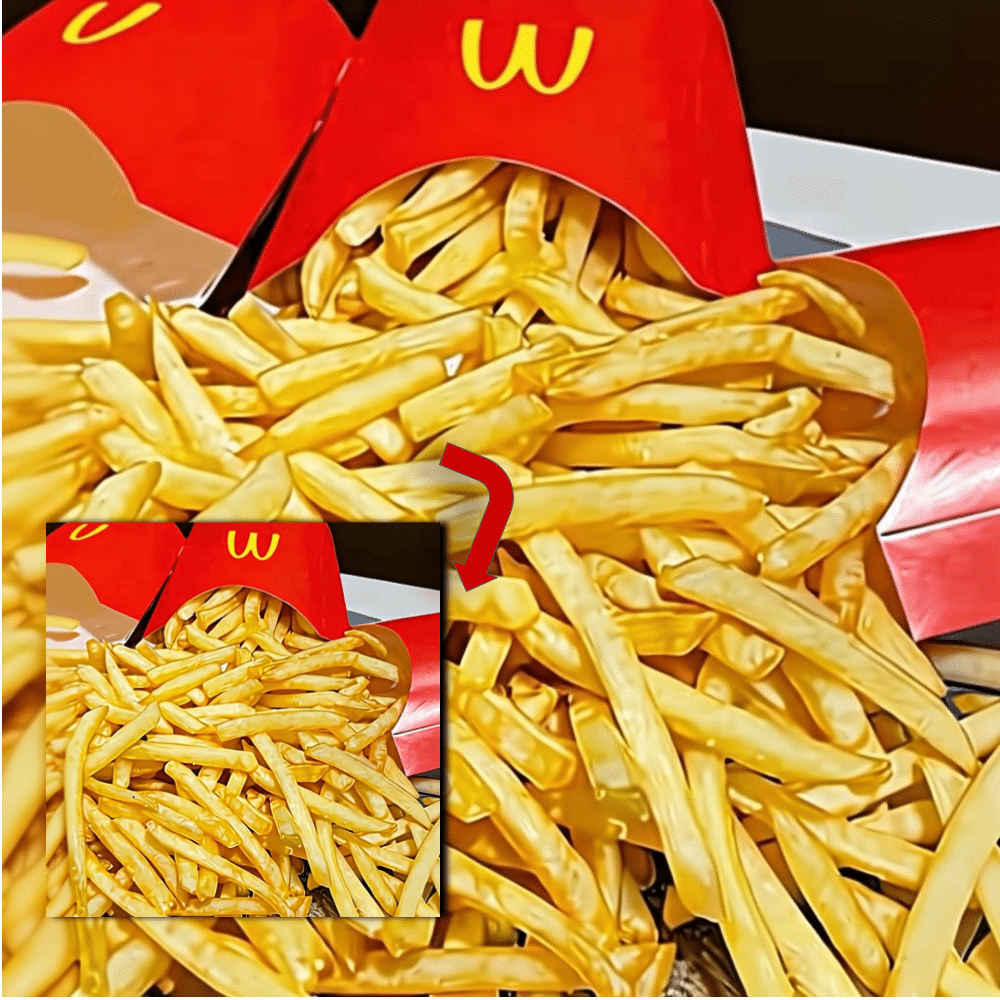
Overcrowding the Fryer
“Never overcrowd your fryer. It’s the quickest way to drop oil temperature and end up with soggy, greasy fries instead of crisp, golden perfection.”
When you add too many fries to the hot oil at once, the oil temperature drops dramatically. This causes the fries to cook slowly, absorbing more oil and becoming limp and greasy instead of crisp. Always fry in small batches, giving the fries plenty of room to swim freely in the hot beef tallow.
Incorrect Oil Temperatures
Precision in oil temperature is paramount for the double fry method. If the oil isn’t hot enough, the fries will be greasy. If it’s too hot, they’ll burn on the outside before cooking through. Invest in a good deep-fry thermometer and monitor the temperature closely, especially between batches.
Skipping the Drying Phase
Moisture is the enemy of crispiness. After soaking and brining, it is absolutely essential to pat your potato sticks bone-dry before they ever touch the hot oil. Even a little surface moisture can lead to steaming, splattering, and ultimately, a less-than-crisp fry. Don’t rush this step!
Serving and Storage
You’ve done the hard work, now enjoy the rewards!
Best Dipping Sauces
While classic ketchup is always a winner, elevate your beef tallow french fries experience with a variety of dipping sauces. Try a homemade fry sauce (mayonnaise, ketchup, pickle relish, and a dash of hot sauce), a tangy honey mustard, or even a spicy sriracha mayo. The savory depth of these fries also pairs beautifully with a simple dash of malt vinegar.
Reheating Instructions
Leftover McDonald’s Fries? Unlikely! But if you find yourself with a few to spare, the best way to reheat them is in an air fryer or a hot oven (around 375°F / 190°C) until crispy again. Avoid the microwave at all costs, as it will turn them into a sad, soggy mess. A quick flash in hot oil can also work, but be cautious as they can brown quickly.
FAQ: Mastering Fast Food Fries at Home
Q: What makes McDonald’s Fries so unique?
A: The unique combination of starchy Russet potatoes, a specific sugar and vinegar brine, the use of beef tallow for frying, and the crucial double-fry and freezing methods contribute to their distinct taste and texture.
Q: Can I use a different type of potato for this copycat McDonald’s fries recipe?
A: While you can use other potatoes for fries, Russet Burbank potatoes are highly recommended for their high starch and low moisture content, which is essential for achieving the signature fluffy interior and crispy exterior of true McDonald’s Fries.
Q: Is beef tallow absolutely necessary?
A: For the truly authentic, nostalgic flavor of vintage french fry recipe, beef tallow is highly recommended. It imparts a savory depth and crispness that other oils cannot match. While other oils can be used, the flavor profile will differ significantly.
Q: How thin should I cut the fries for the shoestring fries technique?
A: Aim for a uniform 1/4 inch thickness. This size is ideal for cooking quickly and achieving maximum crispness, which is key to the shoestring fries technique.
Q: How long can I store the blanched and frozen fries?
A: Once blanched and thoroughly frozen, your homemade McDonald’s Fries can be stored in an airtight container or freezer bag for up to 2-3 months. Fry them directly from frozen for the best results.
Q: What’s the biggest secret to crispy homemade french fries?
A: The combination of the destarching soak, the sugar brine, the double fry method, and the freezing step are collectively the biggest secrets to achieving truly crispy homemade french fries.
Embark on this culinary adventure, and you’ll discover that recreating the magic of authentic McDonald’s Fries at home is not only possible but incredibly rewarding. Share your crispy triumphs with us!
For more delicious recipes, cooking tips, and behind-the-scenes glimpses into our culinary world, be sure to follow our Facebook page: https://www.facebook.com/profile.php?id=61568538666337
Vintage-Style McDonald's Fries (Beef Tallow Copycat)
Ingredients
- 4 large Russet potatoes Must be high-starch potatoes for fluffy interiors.
- 4 cups Beef tallow For frying; provides the authentic signature flavor.
- 1/4 cup Corn syrup Or white sugar; promotes golden browning.
- 1 tbsp White vinegar Slows pectin breakdown for better structure.
- 8 cups Water Divided use for soaking and brining.
- 1 tbsp Fine sea salt Adjust to taste.
Instructions
- Peel the potatoes and cut them into 1/4-inch by 1/4-inch shoestrings using a mandrel or sharp knife.
- Rinse the cut potatoes under cold running water until the water runs clear to remove surface starch.
- In a large bowl, mix 4 cups of hot water with the corn syrup and vinegar until dissolved, then add 4 cups of ice water to cool it down.
- Submerge the potatoes in this brine and refrigerate for 1 to 2 hours.
- Drain the potatoes and pat them completely dry with paper towels; moisture is the enemy of crispiness.
- Heat the beef tallow in a Dutch oven or deep fryer to 325°F (163°C).
- Working in small batches, par-fry the potatoes for 3 to 4 minutes until a crust forms but they take on no color. Remove and drain on a wire rack.
- Arrange the par-fried potatoes in a single layer on a baking sheet and freeze for at least 2 hours (this step is mandatory for the fluffy interior).
- Increase the tallow temperature to 375°F (190°C).
- Fry the frozen potatoes in batches for 3 to 4 minutes until golden brown and crispy.
- Transfer to a paper towel-lined bowl, immediately toss with fine sea salt, and serve hot.
For more daily recipes and tips, follow us on Facebook!
Click here to join our community!