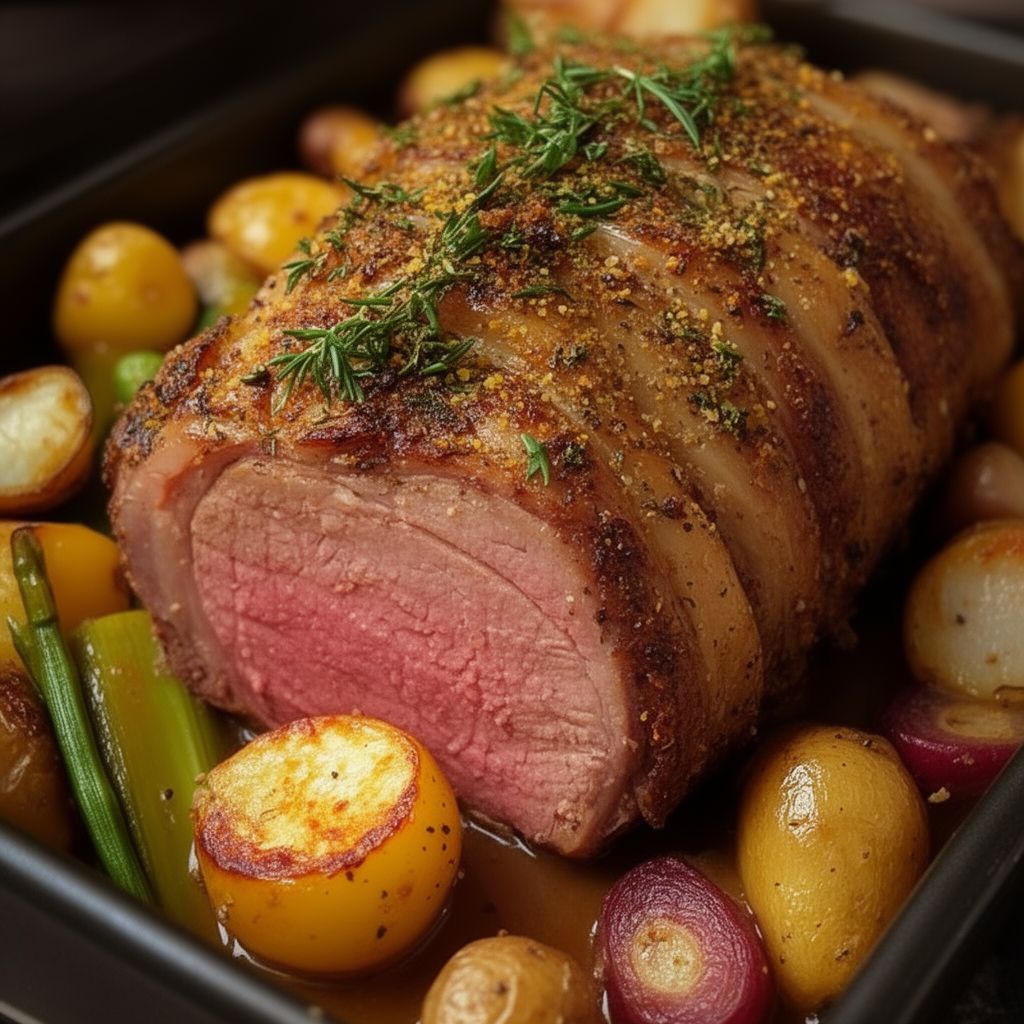
As the days lengthen and the vibrant colors of spring begin to emerge, thoughts turn to gathering with loved ones and creating unforgettable culinary memories. For many, Easter dinner is the pinnacle of spring feasting, a time to showcase a dish that’s both impressive and deeply comforting. This year, elevate your holiday table with the ultimate centerpiece: a succulent Lemon Herb Easter Roast Lamb. This dish isn’t just a meal; it’s an experience, a celebration of rich, tender lamb infused with bright citrus notes and fragrant earthy herbs, promising to be one of the best Easter dinner ideas your family has ever enjoyed.
There’s a magical alchemy that happens when premium spring lamb meets the zesty embrace of lemon, the aromatic kiss of rosemary and thyme, and the pungent warmth of garlic. It creates a symphony of flavors that is both classic and wonderfully fresh. Paired with perfectly roasted seasonal vegetables, this Lemon Herb Easter Roast Lamb strikes that perfect balance, delivering a meal that is elegant, satisfying, and utterly delicious. Let’s embark on a journey to master this exceptional spring lamb recipe, ensuring your Easter celebration is nothing short of spectacular.
Selecting the Best Cut of Lamb
The foundation of an incredible roast begins with selecting the right cut of meat. For a show-stopping Lemon Herb Easter Roast Lamb, a leg of lamb is the quintessential choice, offering generous portions and beautiful presentation.
Bone-in vs. Boneless Leg of Lamb
When choosing your leg of lamb, you’ll typically find two options: bone-in or boneless. While a boneless leg of lamb offers convenience in carving, a bone-in lamb roast often yields a more flavorful and moist result. The bone acts as a natural heat conductor, distributing heat slowly and evenly, which can contribute to a richer taste and more tender meat. Furthermore, the marrow within the bone adds depth to the pan drippings, which are invaluable for a fantastic gravy. For this recipe, we highly recommend a bone-in leg of lamb for its superior flavor and moisture retention, perfect for achieving that sought-after medium-rare lamb temperature.
Tips for Buying Fresh Spring Lamb
Look for lamb that is a vibrant, rosy red color with firm, white fat. Avoid any lamb that appears grayish or has discolored fat. If possible, opt for local, pasture-raised spring lamb, known for its milder flavor and tender texture. Don’t be shy to ask your butcher about the origin and freshness of the lamb. A good butcher can also help you select the ideal size for your gathering, typically aiming for about ½ to ¾ pound of bone-in lamb per person.
The Lemon Herb Marinade
The secret to a truly unforgettable Lemon Herb Easter Roast Lamb lies in a vibrant and aromatic marinade. This step is crucial for infusing flavor deep into the meat and contributing to its tenderness.
Essential Ingredients: Lemon, Rosemary, Thyme, Garlic, and Olive Oil
Our signature leg of lamb marinade combines the brightest and most complementary flavors for lamb. You’ll need:
- Fresh Lemons: Both the zest and juice provide that essential bright, acidic lift that cuts through the richness of the lamb.
- Fresh Rosemary: Woody, fragrant, and classic with lamb.
- Fresh Thyme: Earthy and slightly floral, it complements rosemary beautifully.
- Garlic: Lots of it! Minced or crushed, it adds a pungent, savory base. This is truly a lemon garlic lamb roast.
- Good Quality Olive Oil: Helps distribute the flavors and tenderize the meat.
- Salt and Freshly Ground Black Pepper: Essential for seasoning.
Combine all these ingredients in a bowl to create a thick, fragrant paste. Make sure to score the lamb slightly before applying the marinade; this allows the flavors to penetrate more deeply.
How Marinating Times Affect Flavor and Tenderness
Marinating isn’t just about flavor; it’s also about tenderizing. The acid in the lemon juice works to break down the tough fibers in the meat, while the oil and herbs infuse it with incredible taste. For best results, we recommend marinating your leg of lamb for a minimum of 4 hours, and ideally, overnight (12-24 hours) in the refrigerator. The longer the lamb marinates, the more pronounced the lemon and herb flavors will be, and the more tender your finished Lemon Herb Easter Roast Lamb will become. Just remember to bring the lamb out of the refrigerator at least an hour before roasting to allow it to come to room temperature, ensuring a more even cook.
Preparing the Spring Vegetables
No Lemon Herb Easter Roast Lamb is complete without an array of beautifully roasted spring vegetables, absorbing all the delicious pan drippings and adding color, texture, and nutrition to your holiday lamb with vegetables.
Why Baby Potatoes, Leeks, and Red Onions Work Beautifully
For this recipe, we’ve chosen a harmonious trio of vegetables that roast perfectly alongside the lamb and complement its rich flavor:
- Baby Potatoes: Creamy on the inside and crispy on the outside, they soak up the lamb’s juices and the marinade flavors. They are a staple of any great roasted meal.
- Leeks: These elegant members of the onion family offer a milder, sweeter flavor than regular onions, softening beautifully when roasted and adding a lovely green hue.
- Red Onions: They caramelize wonderfully, adding a touch of sweetness and a hint of sharpness that balances the richness of the lamb.
This combination creates a stunning and delicious side dish, providing you with fantastic roasted baby potatoes and leeks.
How to Ensure They Roast Evenly Alongside the Meat
The key to evenly roasted vegetables is uniform size and proper spacing. Cut larger potatoes into halves or quarters to match the size of the smaller ones. Slice leeks and red onions into thick rounds or wedges. Toss them with a little olive oil, salt, and pepper, and perhaps a few extra sprigs of rosemary or thyme. Arrange them around the lamb in a single layer in your roasting pan, ensuring they aren’t overcrowded. If your roasting pan is too small, use a second pan. This allows for proper air circulation, leading to beautifully caramelized and tender vegetables rather than steamed ones. Add them to the pan about halfway through the lamb’s roasting time, or adjust based on their size and desired tenderness.
Step-by-Step Roasting Instructions
Mastering the roasting technique is paramount for a perfectly cooked Lemon Herb Easter Roast Lamb. Follow these steps for a tender, juicy result with a beautiful crust.
Preheating and the Initial High-Heat Sear
Begin by preheating your oven to a high temperature, typically 400-425°F (200-220°C). This initial blast of high heat is crucial for developing a delicious, caramelized crust on the exterior of the lamb, locking in its juices. Place your marinated leg of lamb, fat side up, directly onto a rack in your roasting pan (with the vegetables added later, as discussed). Roast at this high temperature for 15-20 minutes. This creates a fantastic sear and begins the cooking process beautifully.
Lowering the Temperature for an Even, Gentle Roast
After the initial sear, reduce the oven temperature to 325-350°F (160-175°C). This lower temperature allows the lamb to cook through gently and evenly, preventing the exterior from burning while the interior slowly reaches your desired doneness. This is the heart of how to roast leg of lamb to perfection. Continue roasting, checking the internal temperature periodically, until it nears your target. Remember to add your prepared vegetables to the pan during this stage, typically about an hour to 1.5 hours before the lamb is expected to be done, giving them ample time to soften and caramelize.
Basting Techniques for Maximum Flavor
Basting is an optional but highly recommended step that adds extra flavor and moisture to your roast. Periodically, every 30-45 minutes, spoon some of the pan drippings and marinade from the bottom of the roasting pan over the top of the lamb. This not only keeps the surface moist but also continually reintroduces those delicious lemon and herb flavors, contributing to a deeply savory and aromatic Lemon Herb Easter Roast Lamb.
Achieving the Perfect Temperature
The key to a truly magnificent roast lamb lies in cooking it to the precise internal temperature. Overcooked lamb can be dry and tough, while perfectly cooked lamb is tender, juicy, and full of flavor.
Using an Instant-Read Meat Thermometer
A reliable instant-read meat thermometer is your best friend when roasting lamb. Insert the thermometer into the thickest part of the leg, avoiding the bone. Take multiple readings to ensure accuracy. Do not rely on visual cues alone; they can be deceiving.
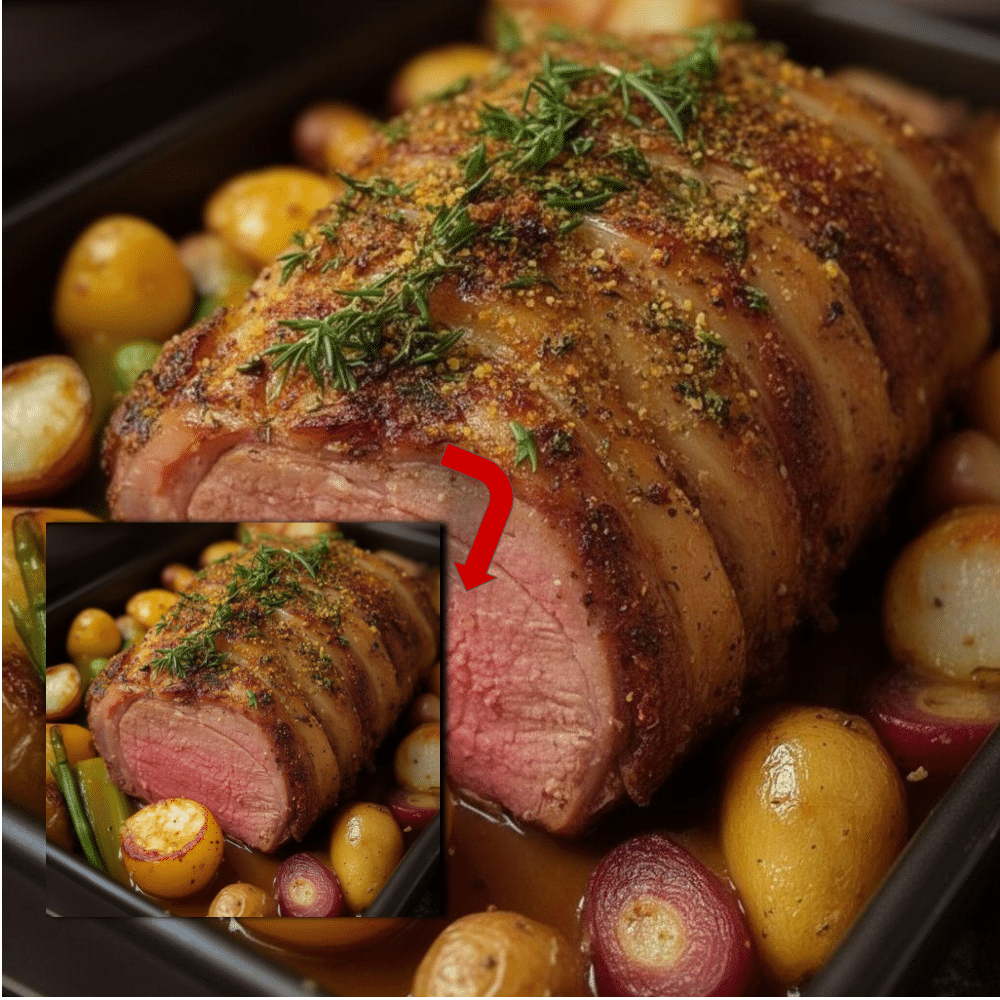
Temperature Guide: Medium-Rare (135°F) to Medium (145°F)
For most preferences, lamb is best enjoyed at a medium-rare to medium doneness. Here’s a quick guide for achieving the perfect medium-rare lamb temperature and beyond:
- Rare: 125-130°F (52-54°C) – Very red center.
- Medium-Rare: 135°F (57°C) – Pink center, slightly firmer. This is often considered the ideal for a succulent Lemon Herb Easter Roast Lamb.
- Medium: 140-145°F (60-63°C) – Light pink center, very juicy.
- Medium-Well: 150-155°F (66-68°C) – Barely pink center, firmer.
- Well-Done: 160°F (71°C) and above – No pink, firm.
Remember that the lamb’s internal temperature will rise by about 5-10 degrees Fahrenheit while it rests. Therefore, remove the lamb from the oven when it is 5-10 degrees below your desired final temperature.
The Absolute Necessity of Resting the Meat Before Carving
Once your Lemon Herb Easter Roast Lamb reaches its target temperature, remove it from the oven, tent it loosely with foil, and let it rest for at least 20-30 minutes (or even up to 45 minutes for a larger roast). This step is absolutely crucial. Resting allows the juices within the meat, which have been driven to the center by the heat, to redistribute evenly throughout the entire roast. If you slice into the lamb too soon, all those precious juices will spill out onto your cutting board, leaving you with dry meat. Patience is a virtue here, leading to a much more tender and moist result.
Making a Quick Pan Gravy
Don’t let those delectable pan drippings go to waste! They are the foundation of a rich, savory pan gravy that will perfectly complement your Lemon Herb Easter Roast Lamb.
Utilizing the Rich Pan Drippings
After removing the lamb and vegetables from the roasting pan, carefully pour off any excess fat, leaving behind the concentrated flavorful drippings and browned bits (fond) at the bottom. These drippings are packed with all the savory essences of the lamb, lemon, and herbs – pure liquid gold.
Whisking and Thickening with Broth to Create a Silky Sauce
Place the roasting pan over medium heat on your stovetop. Add a splash of broth (lamb, chicken, or vegetable work well) or even a dry white wine to deglaze the pan, scraping up all those flavorful browned bits with a wooden spoon. Whisk in a tablespoon or two of flour or cornstarch (mixed with a little cold water to form a slurry first, to prevent lumps) and cook, whisking constantly, until the gravy thickens to your desired consistency. Season with salt and pepper to taste. For an extra smooth finish, strain the gravy through a fine-mesh sieve before serving. This quick pan gravy will add an incredible layer of flavor to every slice of your roast lamb.
Carving and Serving Suggestions
Presenting your beautifully cooked Lemon Herb Easter Roast Lamb is the final, rewarding step. Proper carving ensures elegant slices and enhances the dining experience.
How to Properly Slice Lamb Against the Grain
After the lamb has rested sufficiently, transfer it to a large carving board. Identify the grain of the meat (the direction in which the muscle fibers run). To ensure maximum tenderness, it’s essential to slice the lamb against the grain. Use a sharp carving knife to cut thin, even slices. For a bone-in leg, you’ll carve around the bone. Start by slicing a few pieces from the wider, meatier side, then rotate the leg to continue carving against the grain.
Plating and Presentation Ideas for Your Easter Table
Arrange the sliced Lemon Herb Easter Roast Lamb artfully on a large platter, surrounded by the perfectly roasted baby potatoes, leeks, and red onions. Garnish with fresh sprigs of rosemary and lemon wedges for a vibrant, appealing presentation. A small bowl of the warm pan gravy can be placed alongside for guests to spoon over their lamb. This dish makes a stunning centerpiece that speaks volumes about your culinary care and attention, making it one of the best Easter dinner ideas your guests will remember.
Storing and Reheating Leftovers
Should you be so lucky as to have any leftover Lemon Herb Easter Roast Lamb, proper storage and creative repurposing can extend the enjoyment of your holiday meal.
Proper Refrigeration Methods
Allow any leftover lamb to cool completely before storing. Tightly wrap the lamb slices or transfer them to an airtight container. Refrigerate promptly within two hours of cooking. Properly stored, cooked lamb will remain fresh for 3-4 days in the refrigerator.
Creative Ways to Repurpose Leftover Roast Lamb
Leftover roast lamb is incredibly versatile! Here are a few ideas:
- Sandwiches or Wraps: Thinly slice the lamb for gourmet sandwiches with a touch of mustard or a fresh aioli.
- Lamb Salad: Chop the lamb and toss with mixed greens, feta, olives, and a lemon-herb vinaigrette.
- Shepherd’s Pie: Dice the lamb and incorporate it into a rich, savory filling topped with mashed potatoes.
- Pasta Dishes: Shred the lamb and add it to a light pasta dish with fresh herbs and a little broth.
To reheat, gently warm the lamb slices in a pan with a splash of broth to prevent drying out, or briefly in the microwave. Avoid overcooking to maintain tenderness.
Frequently Asked Questions (FAQs)
Can I marinate the lamb the night before?
Yes, absolutely! Marinating your Lemon Herb Easter Roast Lamb the night before (for 12-24 hours) is highly recommended. This allows the flavors to deeply penetrate the meat and helps tenderize it, resulting in a more flavorful and succulent roast.
What are the best substitutions for leeks?
If leeks are unavailable or you prefer an alternative, excellent substitutions include shallots, sweet onions (like Vidalia), or even spring onions. Each will offer a slightly different nuanced flavor but will complement the roasted lamb and potatoes beautifully.
How do I prevent the lamb from drying out?
To prevent your Lemon Herb Easter Roast Lamb from drying out, follow these critical steps: use an instant-read meat thermometer to avoid overcooking, remove the lamb from the oven 5-10°F below your target temperature, and most importantly, allow the lamb to rest tented with foil for at least 20-30 minutes after roasting. Basting during the roasting process can also help maintain moisture.
We hope this comprehensive guide inspires you to create a truly memorable Lemon Herb Easter Roast Lamb for your holiday celebration. May your table be filled with joy, laughter, and delicious food!
For more delicious recipes, tips, and behind-the-scenes peeks into our culinary adventures, be sure to follow us on Facebook: https://www.facebook.com/profile.php?id=61568538666337
Lemon Herb Easter Roast Lamb with Spring Vegetables
Ingredients
- 1 whole Bone-in leg of lamb 5-7 lbs, trimmed of excess fat
- 1/4 cup Olive oil
- 2 whole Lemons Zested and juiced
- 6 cloves Garlic Minced
- 2 tbsp Fresh rosemary Finely chopped
- 2 tbsp Fresh thyme Finely chopped
- 1 tbsp Kosher salt
- 1 tsp Black pepper
- 1.5 lbs Baby potatoes Halved
- 2 whole Leeks Cleaned and thickly sliced
- 2 whole Red onions Quartered
- 1 cup Lamb or beef broth For the pan gravy
Instructions
- Preheat the oven to 400°F (200°C).
- In a small bowl, whisk together the olive oil, lemon zest, lemon juice, minced garlic, chopped rosemary, chopped thyme, kosher salt, and black pepper to form a wet herb paste.
- Place the trimmed leg of lamb in the center of a large roasting pan. Rub the lemon-herb paste evenly over the entire surface of the lamb.
- Arrange the halved baby potatoes, sliced leeks, and quartered red onions around the lamb in the roasting pan. Toss the vegetables lightly with any remaining herb paste or an extra drizzle of olive oil.
- Roast the lamb uncovered for 20 minutes at 400°F to brown the exterior.
- Reduce the oven temperature to 325°F (165°C) and continue roasting for 60 to 70 minutes, or until an instant-read meat thermometer inserted into the thickest part of the lamb reads 135°F (57°C) for medium-rare.
- Remove the roasting pan from the oven. Transfer the lamb to a large cutting board, tent it loosely with aluminum foil, and let it rest for 20 minutes.
- While the lamb rests, check the vegetables for tenderness. Return them to the oven if they need more browning, or place the roasting pan on the stovetop and whisk in the broth to create a simple pan gravy from the drippings.
- Slice the lamb against the grain and serve immediately with the roasted spring vegetables and warm pan gravy.
For more daily recipes and tips, follow us on Facebook!
Click here to join our community!