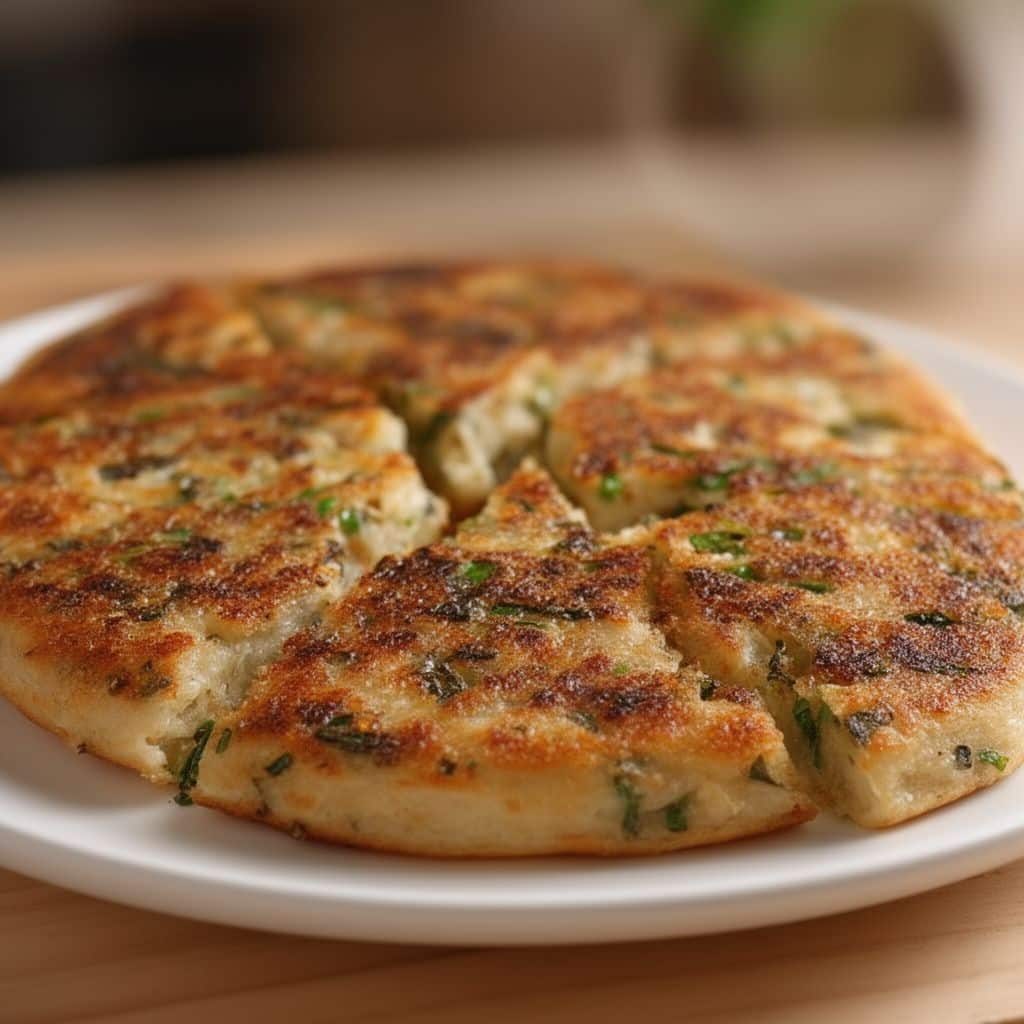
Crispy Korean Spring Onion Pancakes (Pajeon): The Ultimate Guide
There’s nothing quite like the savory delight of Korean Spring Onion Pancakes, known affectionately as Pajeon (파전). Imagine a beautifully crisp exterior giving way to a soft, flavorful interior packed with tender green onions. This iconic dish isn’t just a meal; it’s an experience, a cornerstone of authentic Korean street food culture, and now, it’s a culinary journey you can embark on right in your own kitchen.
What Are Korean Spring Onion Pancakes?
Pajeon, or “pa” (green onion) + “jeon” (pan-fried battered food), is far more than just a pancake. It’s a beloved staple in Korea, often enjoyed on a rainy day when the sound of sizzling oil in a hot pan perfectly mirrors the falling rain, creating a comforting atmosphere. These savory Asian pancakes have a rich history, evolving from simple pan-fried vegetables to the elaborate, ingredient-rich versions we enjoy today. They embody the essence of Korean comfort food – simple ingredients transformed into something extraordinary, perfect for sharing as a delightful appetizer or a light meal. While the basic Pajeon recipe centers around the abundant use of fresh green onions, it’s the signature crispy texture and customizable additions that make it truly special.
The Secret to Extra Crispy Pancakes
Achieving that coveted, shattering crispiness in your Pajeon is an art, but one that’s easily mastered with a few key techniques. Forget soggy, limp pancakes – we’re aiming for golden, crunchy perfection with every bite of your crispy pajeon batter.
1. The Right Flour Ratio
The foundation of a truly crisp Pajeon lies in its batter. While all-purpose flour provides structure, relying solely on it can lead to a chewy, rather than crispy, result. The secret? A strategic blend. Incorporating cornstarch or rice flour into your all-purpose flour mixture is absolutely mandatory for achieving that delightful crunch. Cornstarch, in particular, inhibits gluten development, leading to a lighter, crispier texture when fried. A common ratio is about 1 part cornstarch or rice flour to 3 parts all-purpose flour, but don’t be afraid to experiment slightly to find your perfect crispness.
2. Ice-Cold Liquids
This might seem like a small detail, but using ice water or even sparkling club soda in your batter is a game-changer. The science behind it is fascinating: cold liquids prevent the rapid development of gluten when mixed with flour. Gluten, while essential for structure in bread, can make pancakes tough and less crispy. By keeping the batter cold, you ensure a delicate, airy texture that fries up beautifully. Furthermore, the carbonation in club soda adds tiny bubbles, contributing to an even lighter, more ethereal crispness. Just remember to mix your batter gently and quickly – overmixing is the enemy of crispiness!
3. Pan-Frying Technique
The way you fry your Pajeon is just as crucial as the batter itself. First, temperature control is paramount. You need a hot pan – medium-high heat is ideal – to create that immediate sizzle and sear. If the pan isn’t hot enough, the pancake will absorb too much oil and become greasy and soggy. Second, don’t skimp on the oil! A generous amount of neutral oil (like vegetable, canola, or grapeseed) is necessary to properly “fry” the pancake rather than just “saute” it. Aim for a thin layer of oil that coats the entire bottom of the pan. Once the oil is shimmering but not smoking, add your batter and spread it thinly. This combination of high heat and ample oil ensures a beautiful golden crust and a thoroughly cooked interior.
Key Ingredients You Will Need
Crafting the perfect Korean Spring Onion Pancakes requires fresh, quality ingredients that truly shine through.
Fresh Produce
- Scallions/Green Onions: These are the star of the show! Choose vibrant, firm scallions with bright green tops and clean white bottoms. Avoid any that look wilted or slimy. You’ll need a generous amount, as they provide both flavor and texture.
- Other Vegetables (Optional): Thinly sliced onions, carrots, or even some bell peppers can add color and subtle sweetness.
Pantry Staples
- Flour: A blend of all-purpose flour with cornstarch or rice flour for that essential crispness.
- Salt: To season the batter perfectly.
- Baking Powder (Optional): A pinch can help with a lighter texture.
- Ice Water or Club Soda: For the ultimate crispy batter.
- Neutral Oil: Vegetable, canola, or grapeseed oil for frying.
Step-by-Step Recipe Walkthrough
Ready to create your own authentic Korean Spring Onion Pancakes? Follow these steps for a delicious result!
Preparing the Scallions
- Thoroughly wash and trim the root ends of your scallions.
- Cut the scallions into 3-4 inch lengths. For thinner pancakes, you can cut them shorter or even slice them lengthwise.
- Some prefer to arrange the scallions in a single layer in the pan before adding batter, while others mix them directly into the batter. Experiment to find your preferred method.
Mixing the Batter
- In a large bowl, whisk together your all-purpose flour, cornstarch (or rice flour), salt, and optional baking powder.
- Gradually pour in the ice water or club soda, whisking gently until just combined. The batter should be slightly lumpy; do not overmix, as this develops gluten and makes the pancake tough. The consistency should be like a thin pancake batter, easily pourable but not watery.
- If you’re mixing scallions directly into the batter, fold them in now.
The Frying Process
- Heat a large, non-stick skillet over medium-high heat. Add a generous amount of neutral oil, enough to coat the bottom of the pan thoroughly (about 2-3 tablespoons per pancake).
- Once the oil is shimmering, pour about ½ to ¾ cup of batter into the pan, spreading it evenly with the back of a ladle to form a thin, round pancake. If arranging scallions first, place them neatly in the hot oil, then pour batter over to barely cover them.
- Cook for 3-5 minutes per side, or until golden brown and crispy. The edges should look crisp and slightly curled. You may need to add a little more oil around the edges before flipping to ensure even browning and crispiness.
- Carefully flip the pancake and cook the other side until golden and crispy.
- Transfer the cooked Pajeon to a wire rack (to prevent sogginess) and repeat with the remaining batter. Slice into wedges and serve immediately with dipping sauce.
Exciting Variations and Add-Ins
While the classic Korean scallion pancakes are delicious on their own, they are also incredibly versatile. These haemul pajeon variations and other exciting additions can transform your Pajeon into a more substantial and adventurous dish.
Haemul Pajeon (Seafood Pancake)
One of the most popular variations, Haemul Pajeon, elevates the classic with a medley of fresh seafood. Common additions include small shrimp, calamari rings or pieces, mussels, and clams. For the best result, use fresh or quickly thawed seafood. You can lightly sauté the seafood before adding it to the batter or directly incorporate it. Ensure the seafood is cut into small, bite-sized pieces so it cooks through evenly and doesn’t make the pancake watery. The briny sweetness of the seafood complements the savory batter beautifully.
Savory Beef Pajeon
For a heartier, more filling Pajeon, thinly sliced beef is an excellent choice. Use lean cuts of beef, such as sirloin or flank steak, sliced against the grain into very thin strips. Marinate the beef briefly in a mix of soy sauce, garlic, sesame oil, and a touch of sugar to infuse it with classic Korean flavors. Lightly brown the beef before adding it to your Pajeon batter or arrange it directly on the cooking pancake before pouring over the batter. The tender, seasoned beef adds a rich umami depth that makes this a truly satisfying meal.
Kimchijeon (Kimchi Pancake)
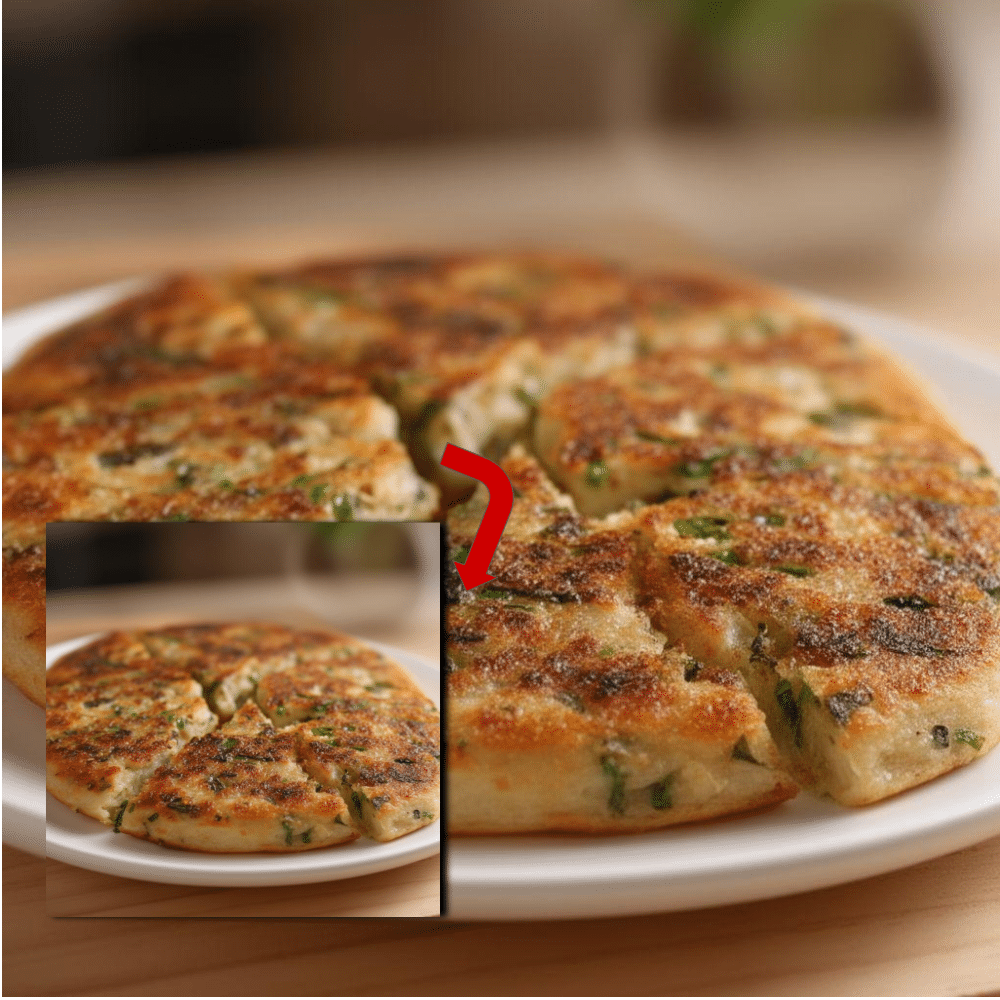
If you love the tangy, spicy kick of kimchi, then Kimchijeon is a must-try. This variation transforms the base batter into a vibrant, flavorful experience. Simply chop fermented kimchi into small pieces and mix it directly into your Pajeon batter. You can also add a tablespoon or two of kimchi juice for extra flavor and a beautiful reddish hue. Some people like to add a touch of canned tuna or beef to their Kimchijeon for an added protein boost. The fermentation of the kimchi creates a wonderfully complex flavor profile that is both savory and slightly sour, with a delightful spicy kick.
Crafting the Perfect Dipping Sauce
No plate of Korean Spring Onion Pancakes is complete without a quintessential Korean pancake dipping sauce. This simple yet flavorful accompaniment cuts through the richness of the pancake and adds a necessary zing. The beauty lies in balancing a few key ingredients:
- Soy Sauce: The savory base. Use a good quality regular or light soy sauce.
- Rice Vinegar: Adds a bright, tangy acidity that balances the richness.
- Sesame Oil: Contributes a nutty aroma and depth of flavor. A little goes a long way!
- Gochugaru (Korean Chili Flakes): For a gentle, smoky heat. Adjust to your spice preference.
- Minced Garlic: Fresh garlic provides a pungent kick.
- Toasted Sesame Seeds: For added texture and visual appeal.
- Optional additions: A pinch of sugar to balance the acidity, or a few thin slices of fresh chili for extra heat.
Whisk all ingredients together until well combined. Taste and adjust to your preference – some like it tangier, others spicier. This versatile sauce is also excellent with other Korean appetizer recipes.
Serving Suggestions and Pairings
Korean Spring Onion Pancakes are wonderful on their own, but they truly shine when served as part of a larger Korean meal. They make an excellent Korean appetizer recipe, a satisfying snack, or even a light lunch.
- Banchan (Side Dishes): Pair your Pajeon with an assortment of banchan like kimchi, pickled radishes, or seasoned spinach for a well-rounded meal.
- Beverages: For an authentic experience, serve Pajeon with Makgeolli (Korean rice wine). Its slightly sweet and fizzy nature complements the savory, crispy pancake perfectly. Beer or a crisp soju also make excellent companions.
- Main Course Pairing: Enjoy alongside a hearty Korean stew like Kimchi Jjigae or Sundubu Jjigae, or with a comforting bowl of Japchae.
Storing and Reheating Leftovers
While Pajeon is best enjoyed fresh off the pan, sometimes you have leftovers. Don’t despair – you can absolutely bring back that glorious crunch!
- Storing: Allow cooled pancakes to reach room temperature, then wrap them tightly in plastic wrap or place them in an airtight container. Store in the refrigerator for up to 2-3 days.
- Reheating in an Air Fryer: This is arguably the best method for restoring crispiness. Place the Pajeon wedges in a single layer in your air fryer basket. Air fry at 350°F (175°C) for 5-8 minutes, or until heated through and crispy.
- Reheating in a Skillet: Heat a non-stick skillet over medium-high heat with a little oil. Add the Pajeon and cook for 2-3 minutes per side, pressing down lightly with a spatula, until heated through and the crust is revitalized.
- Oven Reheating: Preheat your oven to 375°F (190°C). Place the Pajeon on a baking sheet and bake for 8-12 minutes, flipping halfway through, until crispy and hot.
Frequently Asked Questions (FAQs)
Can I make the batter ahead of time?
Yes, you can prepare the dry ingredients for the batter ahead of time and store them in an airtight container. However, for the crispiest results, it’s best to mix in the ice water or club soda and any fresh ingredients (like scallions) just before frying. This prevents the flour from developing too much gluten and keeps the batter at the optimal cold temperature.
Are Korean Spring Onion Pancakes gluten-free?
Traditionally, Pajeon batter uses wheat-based all-purpose flour, so it is not gluten-free. However, you can make a delicious gluten-free version by using a gluten-free all-purpose flour blend or by substituting the wheat flour entirely with rice flour and cornstarch. Ensure your soy sauce for the dipping sauce is also gluten-free.
Why did my pancake turn out soggy?
Sogginess is a common issue, usually stemming from a few factors:
- Batter Consistency: Too much liquid or too much flour can lead to a dense, soggy texture. Aim for a pourable, slightly thin batter.
- Pan Temperature: If your pan isn’t hot enough, the pancake will absorb oil rather than crisping up, resulting in a greasy, soggy texture.
- Too Much Oil / Not Enough Heat: Paradoxically, not enough heat with too much oil will also make it soggy. Ensure the oil is shimmering hot before adding batter.
- Overcrowding the Pan: Cooking too many pancakes at once can drop the pan temperature, hindering crispiness.
- Not Draining Properly: After frying, place Pajeon on a wire rack instead of paper towels to allow air circulation and prevent condensation, which can lead to sogginess.
We hope this guide inspires you to whip up a batch of delicious, crispy Korean Spring Onion Pancakes! Share your creations and connect with us on Facebook. Follow our page, https://www.facebook.com/profile.php?id=61568538666337, for more authentic Korean recipes and culinary adventures!
Crispy Korean Spring Onion Pancakes
Ingredients
- 1 bunch Scallions Trimmed and cut in half
- 1 cup All-purpose flour
- 1/2 cup Cornstarch For a crispier texture
- 1 1/2 cups Ice-cold water Club soda can also be used
- 1 Large egg
- 1/2 tsp Kosher salt
- 3 tbsp Vegetable oil Divided for frying
- 3 tbsp Soy sauce For dipping sauce
- 1 tbsp Rice vinegar For dipping sauce
- 1 tsp Toasted sesame oil For dipping sauce
- 1 tsp Toasted sesame seeds For dipping sauce
- 1/2 tsp Gochugaru Korean red pepper flakes; optional
Instructions
- In a small bowl, whisk together the soy sauce, rice vinegar, toasted sesame oil, sesame seeds, and gochugaru to make the dipping sauce. Set aside.
- In a large mixing bowl, combine the all-purpose flour, cornstarch, and kosher salt.
- Pour the ice-cold water and the cracked egg into the dry ingredients. Stir gently until just combined. It is
- Heat 1 1/2 tablespoons of vegetable oil in a large non-stick skillet over medium-high heat until shimmering.
- Place half of the scallions in a single, even layer across the skillet.
- Pour half of the batter evenly over the scallions, ensuring they are well coated and bound together.
- Cook undisturbed for 4 to 5 minutes until the bottom becomes highly golden and crispy.
- Carefully flip the pancake using a large spatula and cook for an additional 3 to 4 minutes on the other side until crispy.
- Transfer to a cutting board, slice into bite-sized squares or wedges, and serve immediately with the prepared dipping sauce. Repeat the process with the remaining oil, scallions, and batter.
For more daily recipes and tips, follow us on Facebook!
Click here to join our community!