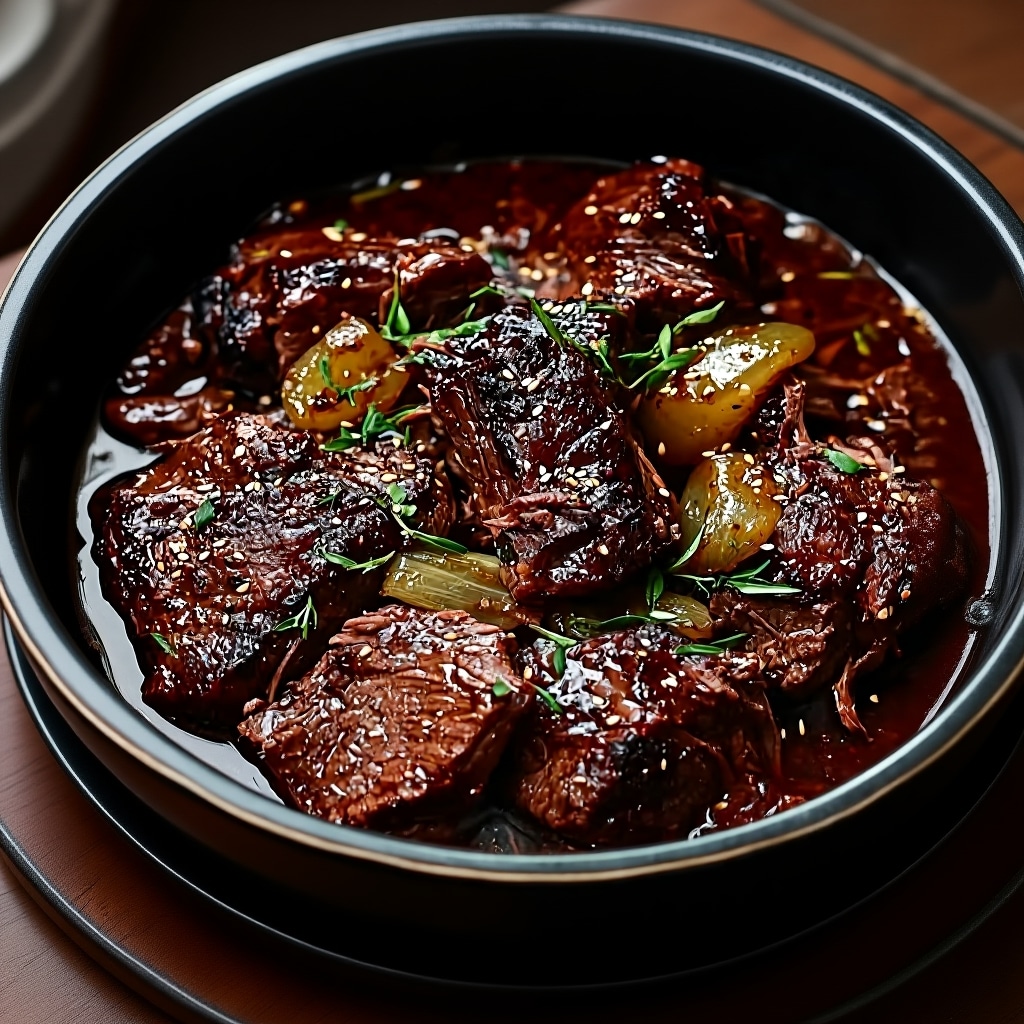
Welcome, fellow food adventurers! Today, we’re diving headfirst into a dish that perfectly marries the comforting tradition of a slow-cooked classic with the vibrant, bold flavors of Korea. Prepare to tantalize your taste buds with the magnificent Korean Gochujang Pot Roast. This isn’t just any pot roast; it’s a culinary journey, a symphony of savory, spicy, and subtly sweet notes that will make your kitchen smell absolutely heavenly. The allure of Korean fusion cuisine lies in its ability to transform familiar concepts into something extraordinary, and this dish is a shining example. Imagine incredibly tender, fall-apart beef bathed in a rich, dark, umami-packed sauce with just the right amount of fiery kick. It’s a hearty, soul-satisfying meal that promises to become an instant family favorite, perfect for cozy weekend dinners or impressive holiday gatherings. Get ready to discover a new dimension of flavor with this unforgettable slow cooked gochujang beef.
What is Gochujang?
At the heart of our spectacular pot roast lies a key ingredient that defines its unique Korean character: gochujang. But what exactly is this vibrant red paste? Gochujang is a savory, sweet, and spicy fermented Korean chili paste, made from gochugaru (Korean chili powder), glutinous rice, fermented soybeans, and salt. Its fermentation process gives it an incredibly complex flavor profile that goes far beyond simple heat. You’ll discover deep umami notes, a distinct sweetness, and a lingering warmth that is both invigorating and comforting.
Think of gochujang not just as a spice, but as a flavor enhancer. It provides a unique depth, a sticky sweetness, and a beautiful reddish hue to dishes. Unlike other chili pastes, gochujang offers a nuanced heat that builds rather than overwhelms, making it incredibly versatile. It’s truly what transforms a simple braised beef with vegetables into a show-stopping Korean style pot roast.
Finding gochujang is easier than ever. Most Asian grocery stores will have several brands, usually in the sauces or condiments aisle. You might even spot it in the international section of larger mainstream supermarkets. It typically comes in tubs or squeeze bottles. Once opened, store gochujang in the refrigerator, where it will last for many months, continuing to deepen in flavor.
Choosing the Best Beef Cut
The secret to any truly melt-in-your-mouth pot roast, especially a spicy chuck roast recipe like this one, begins with selecting the right cut of beef. For braising, chuck roast is king. This cut, taken from the shoulder of the beef, is rich in connective tissue, which might seem like a drawback at first glance. However, during the long, slow cooking process, this connective tissue breaks down into gelatin, infusing the meat with incredible moisture and resulting in that signature fork-tender texture we all crave.
Look for a chuck roast with good marbling – those tiny flecks of fat distributed throughout the meat. Marbling is crucial because it adds flavor and moisture, preventing the beef from drying out as it braises. While chuck roast is our top recommendation, other suitable cuts for slow cooking include beef short ribs, brisket, or even a bottom round roast. These cuts also benefit immensely from extended, moist heat.
Before you begin, a little preparation goes a long way. Trim any excessively large pieces of hard fat from the exterior of your chuck roast, but don’t overdo it; some fat is essential for flavor and richness. Patting the beef dry thoroughly before searing is also a critical step, ensuring a beautiful, deep brown crust that locks in flavor.
Key Ingredients for the Rich Dark Sauce
The magic of our Korean Gochujang Pot Roast truly unfolds in its deeply flavorful, dark, and glossy sauce. Each ingredient plays a vital role in creating that perfect balance of savory, sweet, and spicy.
- Soy Sauce: The foundation of our savory flavor, soy sauce provides essential umami and saltiness, a cornerstone of Asian beef pot roast recipes. We recommend using a good quality low-sodium soy sauce to control the overall salt level.
- Sesame Oil: Just a drizzle of toasted sesame oil adds an unmistakable nutty aroma and depth. It’s a powerful flavor enhancer, so a little goes a long way in contributing to the authentic Korean profile.
- Brown Sugar: To balance the heat of the gochujang and the savoriness of the soy sauce, brown sugar introduces a crucial sweetness with subtle molasses notes. It also helps create that beautiful gochujang glazed beef finish, allowing the sauce to caramelize and thicken beautifully.
- Fresh Aromatics: The dynamic duo of fresh ginger and garlic is indispensable. Minced garlic provides a pungent, aromatic base, while grated ginger adds a warm, spicy, and citrusy zing that brightens the entire dish and complements the robust beef flavors.
- Gochujang: Of course, our star ingredient brings its complex heat, sweetness, and fermented umami, transforming this into a truly spicy Korean beef stew.
When combined, these ingredients create a sauce that clings to the tender braised beef, delivering an explosion of flavor with every bite.
Step-by-Step Cooking Instructions
Creating this incredible Korean Gochujang Pot Roast is a labor of love, but the steps are straightforward and incredibly rewarding. Follow these instructions for a truly magnificent tender braised beef recipe.
Searing the Meat
The first crucial step is searing the beef. Heat a heavy-bottomed pot or Dutch oven over medium-high heat with a high smoke point oil (like vegetable or canola). Once shimmering, carefully add your patted-dry chuck roast. The goal here is the Maillard reaction, which creates a deep, caramelized crust on the exterior of the beef. This crust is packed with complex flavors that will enhance the entire dish. Sear all sides until deeply browned, approximately 3-5 minutes per side. This step doesn’t just add flavor; it also helps to “lock in” moisture, ensuring your pot roast remains juicy and succulent.
Building the Braising Liquid
Once the beef is beautifully seared, remove it from the pot and set aside. Reduce the heat to medium. Add a splash of broth or water to the hot pan and use a wooden spoon to scrape up all those delicious browned bits from the bottom – this is called deglazing, and it’s where a significant amount of flavor lives. Now, it’s time to build our signature braising liquid. Add the minced ginger and garlic to the pot and sauté for about a minute until fragrant. Then, stir in the gochujang, soy sauce, sesame oil, and brown sugar. Whisk everything together with beef broth until well combined, allowing the flavors to meld and deepen slightly as it comes to a gentle simmer.
The Slow Braise
Return the seared beef to the pot, ensuring it is mostly submerged in the rich braising liquid. You have two excellent options for the slow braise:
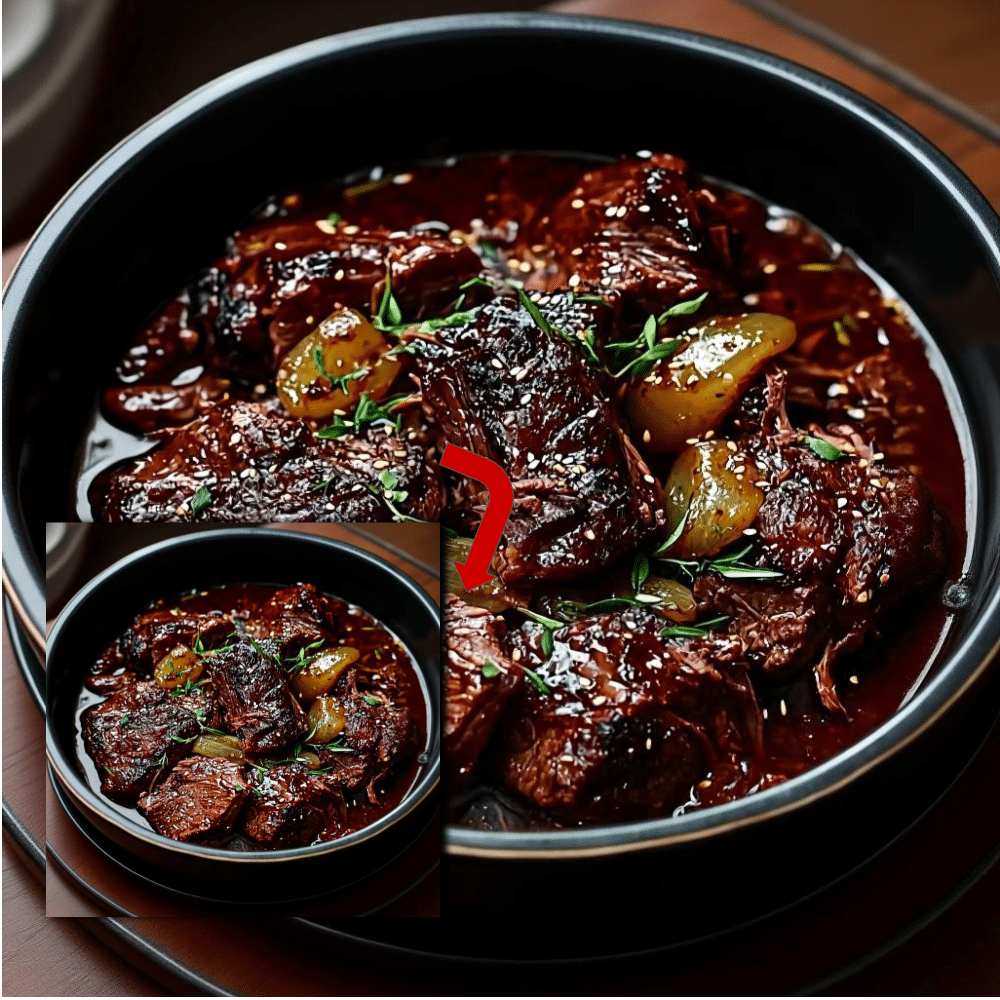
- Oven Method: Cover the pot tightly with a lid and transfer it to a preheated oven at 300°F (150°C). This is our preferred method for even, consistent heat.
- Stovetop Method: Keep the pot on the stovetop over low heat, ensuring the liquid maintains a very gentle simmer.
Regardless of the method, cook for approximately 3 to 4 hours, or until the beef is incredibly fork-tender, easily shredding with a gentle nudge. This long, slow cooking process is what transforms humble chuck roast into an extraordinary tender braised beef recipe, allowing all those spicy Korean beef stew flavors to penetrate deep into the meat.
Adding the Vegetables
Timing is key when it comes to adding vegetables to your pot roast. To prevent them from turning to mush, we add them closer to the end of the cooking process. About 45 minutes to an hour before the estimated cooking time is complete, add your chopped celery and bell peppers (red and green work wonderfully for color and flavor) to the pot. They will cook through, becoming tender but still retaining a pleasant texture and vibrant color, contributing beautifully to the braised beef with vegetables.
Serving Suggestions
Once your Korean Gochujang Pot Roast is perfectly tender and the sauce is rich and glossy, it’s time to assemble your feast. This dish truly shines when served with simple accompaniments that allow its complex flavors to take center stage.
- Steamed Rice: A bed of fluffy white rice is essential. It beautifully soaks up the savory, spicy, gochujang glazed beef sauce, making every bite incredibly satisfying.
- Kimchi: For an authentic Korean experience, serve with a side of crisp, fermented kimchi. Its tangy, spicy, and sour notes provide a fantastic counterpoint to the richness of the pot roast.
- Pickled Radishes or Cucumbers: These offer a refreshing, acidic crunch that cuts through the richness and cleanses the palate, enhancing the overall dining experience.
To finish, garnish your masterpiece with a sprinkle of toasted sesame seeds for added crunch and nutty flavor, and some freshly chopped green onions or cilantro for a burst of freshness and color. Enjoy your flavorful Asian beef pot roast!
Storage and Reheating Tips
One of the many joys of a slow cooked gochujang beef is that it often tastes even better the next day, after the flavors have had more time to meld and deepen. Proper storage and reheating will ensure your leftovers are just as delicious as the first serving.
Storage: Allow the pot roast to cool completely before transferring it to an airtight container. Store it, along with its luscious sauce and vegetables, in the refrigerator for up to 3-4 days. For longer storage, it freezes beautifully for up to 3 months. If freezing, consider separating the beef from some of the sauce to prevent the vegetables from becoming too soft upon reheating.
Reheating:
- Stovetop: The best method for maintaining tenderness. Gently reheat the pot roast and sauce in a covered pot over low heat, stirring occasionally, until warmed through. Add a splash of broth or water if the sauce has thickened too much.
- Oven: For larger portions, place the pot roast and sauce in an oven-safe dish, cover with foil, and reheat at 300°F (150°C) for 20-30 minutes, or until hot.
- Microwave: For individual servings, microwave on medium power in short intervals, stirring between each, until heated through. Be careful not to overheat, which can dry out the beef.
These tips ensure that every subsequent serving of your Korean Gochujang Pot Roast is a delightful experience.
Frequently Asked Questions
Can I make this in a slow cooker or Instant Pot?
Absolutely! This recipe adapts beautifully to both a slow cooker and an Instant Pot:
- Slow Cooker: Sear the beef and sauté aromatics on the stovetop as instructed. Transfer seared beef and all sauce ingredients to your slow cooker. Cook on low for 6-8 hours or on high for 3-4 hours, adding vegetables during the last hour of cooking.
- Instant Pot: Use the “Sauté” function to sear the beef and sauté aromatics. Deglaze the pot, then add all sauce ingredients and the seared beef. Seal the lid and cook on “Manual” or “Pressure Cook” (High) for 60-75 minutes, followed by a natural pressure release for 15-20 minutes. Then, stir in vegetables and cook on “Sauté” for 5-10 minutes until tender.
How can I adjust the spice level for kids or those sensitive to heat?
Adjusting the spice level of your Korean Gochujang Pot Roast is easy:
- For milder flavor: Reduce the amount of gochujang by half, or even by two-thirds. You can always add a small amount of chili flakes or a tiny bit more gochujang to individual servings for those who prefer more heat.
- To boost flavor without heat: Increase the amounts of brown sugar, soy sauce, and sesame oil slightly to compensate for less gochujang.
Are there any gluten-free modifications for this recipe?
Yes, making this delicious spicy Korean beef stew gluten-free is simple:
- Soy Sauce: Substitute regular soy sauce with tamari, which is a gluten-free alternative that tastes very similar.
- Gochujang: While most gochujang is naturally gluten-free, some brands may contain wheat as a thickener. Always check the ingredient label carefully and opt for a certified gluten-free brand.
With these simple swaps, everyone can enjoy this flavorful Korean style pot roast.
Savory Korean Gochujang Pot Roast
Ingredients
- 3-4 lbs beef chuck roast boneless, trimmed of excess fat
- 2 tbsp vegetable oil for searing
- 1 tsp kosher salt plus more to taste
- 1/2 tsp black pepper freshly cracked
- 1 large yellow onion sliced into wedges
- 6 cloves garlic minced
- 1 tbsp fresh ginger grated
- 1/3 cup gochujang Korean chili paste
- 1/2 cup soy sauce low sodium preferred
- 2 cups beef broth unsalted
- 1/4 cup brown sugar packed
- 2 tbsp sesame oil toasted
- 2 medium bell peppers red or orange, cut into chunks
- 3 stalks celery cut into 1-inch pieces
- 1 tbsp sesame seeds toasted, for garnish
- 2 stalks green onions thinly sliced, for garnish
Instructions
- Preheat your oven to 325°F (163°C). Pat the beef chuck roast dry with paper towels and season generously with kosher salt and black pepper on all sides.
- In a large Dutch oven or heavy-bottomed oven-safe pot, heat the vegetable oil over medium-high heat. Sear the beef roast for 4-5 minutes per side until a deep brown crust forms. Remove the beef and set aside on a plate.
- Reduce the heat to medium. Add the sliced onions to the pot and sauté for 3-4 minutes until slightly softened. Add the minced garlic and grated ginger, cooking for another minute until fragrant.
- Stir in the gochujang, soy sauce, beef broth, brown sugar, and sesame oil. Whisk well to combine and scrape up any browned bits from the bottom of the pot (fond). Bring the liquid to a gentle simmer.
- Return the seared beef roast to the pot, nestling it into the liquid. Cover the pot with a tight-fitting lid and transfer it to the preheated oven. Braise for 2 hours.
- After 2 hours, carefully remove the pot from the oven. Add the celery and bell pepper chunks around the beef. Cover and return to the oven for another 45-60 minutes, or until the beef is fork-tender and shreds easily.
- Remove the pot from the oven. Let the roast rest for 10 minutes before slicing or shredding. Garnish with toasted sesame seeds and sliced green onions before serving warm.
For more daily recipes and tips, follow us on Facebook!
Click here to join our community!