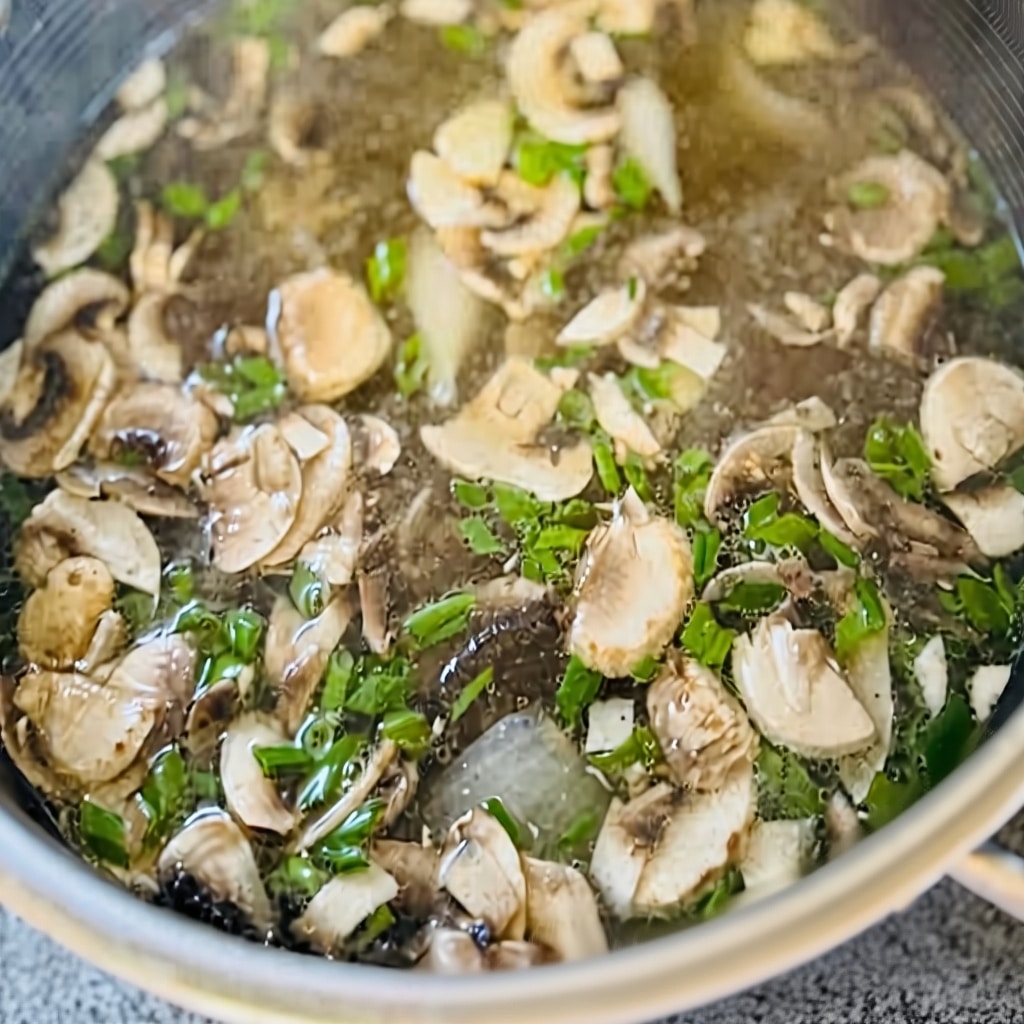
There’s a special magic in sitting around a hibachi grill, isn’t there? The sizzle of the spatula, the scent of garlic and soy sauce filling the air, and the anticipation of a delicious meal. But before the main course takes center stage, there’s always that first, comforting sip of a delicate, clear broth. That iconic starter, often known as hibachi soup or Japanese onion soup, is more than just a prelude; it’s a warm, savory hug that perfectly cleanses the palate and primes you for the feast to come. What if we told you that unlocking that authentic, umami-rich flavor with everyday ingredients is surprisingly simple? This ultimate Japanese Clear Soup Recipe is your key. We’re about to guide you through crafting a restaurant-style experience right in your kitchen, covering everything from essential ingredients and expert tips for a perfectly clear broth to delicious variations and serving suggestions. Get ready to elevate your home dining!
What Exactly is Japanese Clear Soup (Suimono)?
For those who’ve only ever encountered it as “hibachi soup” or “that delicious clear soup,” allow us to introduce you to its proper Japanese name: Suimono. This term literally translates to “things to sip,” a beautifully simple description for a dish that plays a crucial role in traditional Japanese cuisine. Unlike its more opaque cousin, miso soup, Suimono’s defining characteristic is its crystal-clear, non-cloudy broth. It serves as a light starter or palate cleanser, designed to be delicate yet deeply flavorful. The flavor profile of a good Suimono recipe is subtle but complex – light, savory, deeply aromatic, and packed with a gentle umami that doesn’t overpower. In the West, it’s most commonly associated with teppanyaki and hibachi restaurants, where it’s a beloved part of the dining experience, often inspiring diners to wonder, “what is hibachi soup made of?”
Why You’ll Be Making This Recipe Again and Again
- Restaurant Quality at Home: This Japanese Clear Soup Recipe brings the authentic taste of your favorite hibachi spot directly to your dinner table. Impress your family and friends with a genuine restaurant style Japanese soup that tastes like it took hours to make, but is surprisingly simple.
- Incredibly Simple: Despite its elegant appearance and sophisticated flavor, the process for this clear onion soup is straightforward and utilizes basic cooking techniques. You don’t need to be a gourmet chef to master this easy Japanese soup recipe.
- Healthy & Comforting: A genuinely healthy Japanese clear soup, this dish is wonderfully low in calories and fat, yet rich in nutrients and hydrating properties, especially when made with a quality beef broth. It’s the perfect light and warming soup for any occasion, offering comfort without the guilt.
- Highly Customizable: This recipe is incredibly versatile. Easily adapted for vegetarian hibachi soup or even vegan Japanese clear soup, it also offers endless possibilities for different garnishes and additions, ensuring you can tailor it to any preference or dietary need.
The Key Ingredients for Authentic Flavor
Crafting an authentic Japanese Clear Soup Recipe hinges on understanding the role each ingredient plays in building its delicate yet profound flavor profile.
The Broth: The Soul of the Soup
The foundation of any great Suimono is its broth. While many Western hibachi restaurants use a beef broth soup recipe, giving it a rich, savory depth, you have options. Chicken broth offers a lighter flavor, while a quality vegetable broth is essential for a vegetarian hibachi soup or vegan Japanese clear soup. For the most authentically Japanese flavor, a traditional dashi (made from kombu and bonito flakes) can be used, providing a pure umami base. Whichever you choose, emphasize using a high-quality, low-sodium broth. This allows you to control the final saltiness and ensure the clarity of the broth, which is paramount for this dish. Learning how to make clear broth is truly about starting with a solid foundation.
The Aromatics: Building a Flavor Base
The “holy trinity” of aromatics in this particular Japanese Clear Soup Recipe are onion, garlic, and ginger. These aren’t just for flavor; they contribute significantly to the soup’s distinctive aroma and sweetness. The secret to the deep, complex flavor of a Benihana soup recipe copycat lies in roasting or charring these aromatics first. This crucial step caramelizes the onions, mellows the garlic, and intensifies the ginger, developing a sweet and savory base that infuses the broth with unparalleled depth. This is what truly differentiates it from a simple clear onion soup.
The Umami Boosters
To deepen the savory character, soy sauce (or tamari for a gluten-free option) is typically added towards the end of the cooking process. Its salty, fermented notes enhance the overall umami without overpowering the delicate broth. A tiny touch of sesame oil, also added at the end, introduces a subtle nutty aroma, contributing a final layer of complexity and warmth that defines the Japanese clear soup experience.
The Garnishes: Texture and Freshness
Garnishes are not merely decorative; they add vital texture and fresh flavor to every spoonful. For mushrooms, shiitake mushrooms offer an earthy, intense flavor, while cremini or white button mushrooms are more widely accessible and still delicious. The key is to slice them paper-thin. Fresh, finely chopped green onions (scallions) provide a sharp, vibrant counterpoint to the rich broth. Other popular garnishes include crispy fried onions for an added crunch, tiny cubes of silky tofu for protein, or even a few strands of fresh ginger for a zesty kick, making it a delightful clear mushroom soup.
Essential Equipment
You don’t need any specialized kitchen gadgets to make this delicious Japanese Clear Soup Recipe. All you’ll need are a few basic tools: a large pot or Dutch oven for simmering the broth, a baking sheet for roasting the aromatics, and a fine-mesh sieve or cheesecloth to achieve that signature crystal-clear broth. Simplicity is key!
How to Make Japanese Clear Soup: A Step-by-Step Guide
Follow these steps to create an exquisite, restaurant-quality clear soup at home. This guide will show you how to make Japanese clear soup that rivals your favorite hibachi spot.
Step 1: Develop Flavor by Roasting the Aromatics
This is arguably the most critical step and should never be skipped if you want that authentic, deeply savory flavor. Preheat your oven to a high temperature, around 400°F (200°C). Roughly chop your onion, garlic cloves (no need to peel if roasting), and a few slices of fresh ginger. Toss them with a tiny drizzle of oil on a baking sheet and roast for 20-30 minutes, or until they are lightly charred around the edges and intensely fragrant. This caramelization creates a sweet, complex base that will permeate your clear soup broth ingredients, moving beyond a simple clear onion soup.
Step 2: Simmer and Infuse the Broth
Transfer the roasted aromatics, including any pan drippings, to your large pot or Dutch oven. Pour in your chosen broth (beef, chicken, or vegetable). Bring the mixture to a very gentle simmer over medium-low heat. It’s crucial not to let it reach a rolling boil, as vigorous boiling can emulsify fats and proteins, leading to a cloudy broth. Maintain a gentle simmer for at least 30-45 minutes, allowing the deep flavors from the roasted vegetables to fully infuse the broth. This slow infusion is key to a truly flavorful clear soup broth.
Step 3: Seasoning to Perfection
Once the broth has had ample time to infuse, remove it from the heat. Stir in the soy sauce (or tamari) and sesame oil. Taste the broth and adjust the seasoning as needed with a pinch of salt and freshly ground black pepper. Remember, you can always add more, but you can’t take it away!
Step 4: The Secret to Clarity – Straining
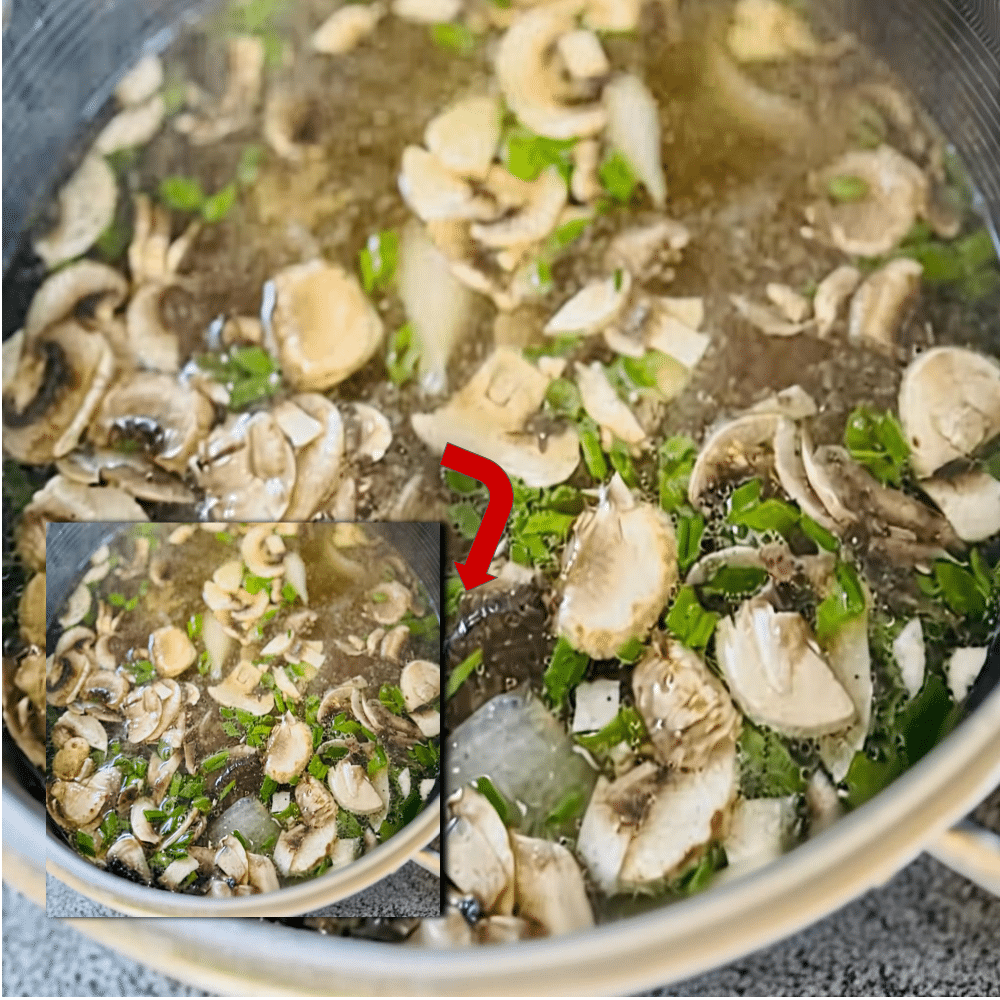
Achieving that signature crystal-clear appearance is all about proper straining. Carefully pour the broth through a fine-mesh sieve lined with cheesecloth (if you desire extra clarity) into a clean pot or heatproof bowl. Press gently on the solids in the sieve to extract all the liquid, but avoid mashing them vigorously, as this can force small particles through and make the broth cloudy. Discard the strained solids. You’ll be left with a pristine, golden liquid – the perfect clear soup broth.
Step 5: Garnish and Serve
To serve, bring the strained broth back to a gentle simmer to ensure it’s piping hot. Arrange your thinly sliced mushrooms and chopped green onions (and any other desired garnishes like fried onions or tofu) in individual serving bowls. Ladle the hot clear soup over the garnishes. Serve immediately and enjoy that delicious, authentic hibachi soup recipe.
Pro Tips for the Absolute Best Hibachi Soup
Mastering the art of this simple dish requires a few expert tricks:
- For a Crystal-Clear Broth: The ultimate goal of a Japanese Clear Soup Recipe is its transparency. As mentioned, never allow your broth to boil vigorously; a gentle simmer is paramount to prevent cloudiness. For an absolutely pristine broth, strain it twice, or use a fine-mesh sieve lined with a few layers of cheesecloth. This meticulous straining process is how to clarify soup to professional standards.
- Don’t Skip the Roast: We cannot emphasize this enough. Roasting the onions, garlic, and ginger before simmering is the secret to developing the deep, slightly sweet, and complex flavor that distinguishes a restaurant style Japanese soup from a basic broth. This step truly mimics the rich, savory base you’d find in a Benihana soup recipe copycat.
- Fresh is Best: For the most vibrant and aromatic clear soup broth ingredients, always opt for fresh ginger and garlic. Powdered versions simply won’t yield the same depth of flavor or fragrant complexity.
- Slice Thinly: For an elegant presentation and delicate texture that complements the light broth, slice your mushrooms and green onions as thinly as humanly possible. This ensures they cook quickly and meld seamlessly with the soup.
Recipe Variations & Customizations
This versatile Japanese Clear Soup Recipe is a fantastic canvas for personalization:
- Vegetarian/Vegan Japanese Clear Soup: Easily adapt this recipe by using a high-quality vegetable broth or a flavorful mushroom broth as your base. Ensure your soy sauce is vegan-friendly, or use tamari for a gluten-free and often vegan option. Omit any meat-based garnishes for a truly plant-based delight. This healthy Japanese clear soup can cater to all dietary preferences.
- Add Protein: For a more substantial soup, add very thinly sliced pieces of beef (like sirloin or tenderloin), chicken breast, or shrimp to the individual serving bowls just before pouring in the hot broth. The heat of the soup will gently poach the delicate protein to perfection, adding a wonderful savory element.
- Add Noodles: Transform your soup into a light meal by adding a small amount of cooked soba (buckwheat) or udon (wheat) noodles to the serving bowls. This adds body and makes it a more filling option, especially enjoyable as a quick lunch.
- Introduce Other Veggies: While the classic clear soup is minimalist, you can gently expand its profile. A few thin slices of carrot or celery can be added to the simmering broth for extra subtle flavor and nutrients. Just remember that this slightly deviates from the traditional hibachi soup recipe. You could also include a few pieces of bok choy for a touch of green.
Storing and Reheating Instructions
To keep your Japanese Clear Soup Recipe at its best, store the clear broth separately from the garnishes. Transfer the cooled broth to an airtight container and refrigerate for up to 4 days. When ready to serve, gently reheat the desired amount of broth on the stovetop over low heat until simmering. Avoid microwaving if possible, as stovetop reheating maintains the broth’s delicate flavor and clarity more effectively. Prepare fresh garnishes just before serving for the best texture and presentation. Do not freeze the soup with the garnishes in it, as they will become mushy upon thawing.
Frequently Asked Questions (FAQ)
What is the clear soup at hibachi called?
The clear soup commonly served at hibachi restaurants is most accurately referred to as a type of Japanese Clear Soup, or Suimono. Due to its prominent flavor and common ingredients, it’s also widely known as Japanese Onion Soup.
What is Japanese clear soup made of?
A classic Japanese Clear Soup Recipe is typically made from a clear, savory broth, most often beef or chicken, infused with roasted aromatics like onion, garlic, and ginger. It’s usually seasoned with soy sauce and sesame oil, and garnished with thinly sliced mushrooms (such as shiitake) and fresh green onions (scallions).
Is Japanese onion soup healthy?
Yes, Japanese onion soup, or Japanese Clear Soup, is generally considered very healthy. It’s low in calories and fat, yet provides hydration and beneficial nutrients from the bone broth (if used) and vegetables. It’s a light, comforting, and nourishing starter or snack, making it a healthy Japanese clear soup option.
What’s the difference between miso soup and clear soup?
The main difference lies in appearance and flavor. Miso soup is characterized by its cloudy (opaque) appearance and distinct, savory, umami-rich flavor derived from miso paste (fermented soybeans). Japanese Clear Soup, or Suimono, is defined by its crystal-clear, transparent broth and a more delicate, subtly savory flavor profile that comes from infused aromatics.
How do you make clear soup not cloudy?
To ensure your Japanese Clear Soup Recipe remains perfectly clear, the key is to maintain a gentle simmer rather than a rolling boil during the cooking process. Additionally, thoroughly straining the broth through a fine-mesh sieve, ideally lined with cheesecloth, is crucial for removing all solid particles that could cause cloudiness, resulting in a pristine clear broth.
For more daily recipes and tips, follow us on Facebook!
Click here to join our community!