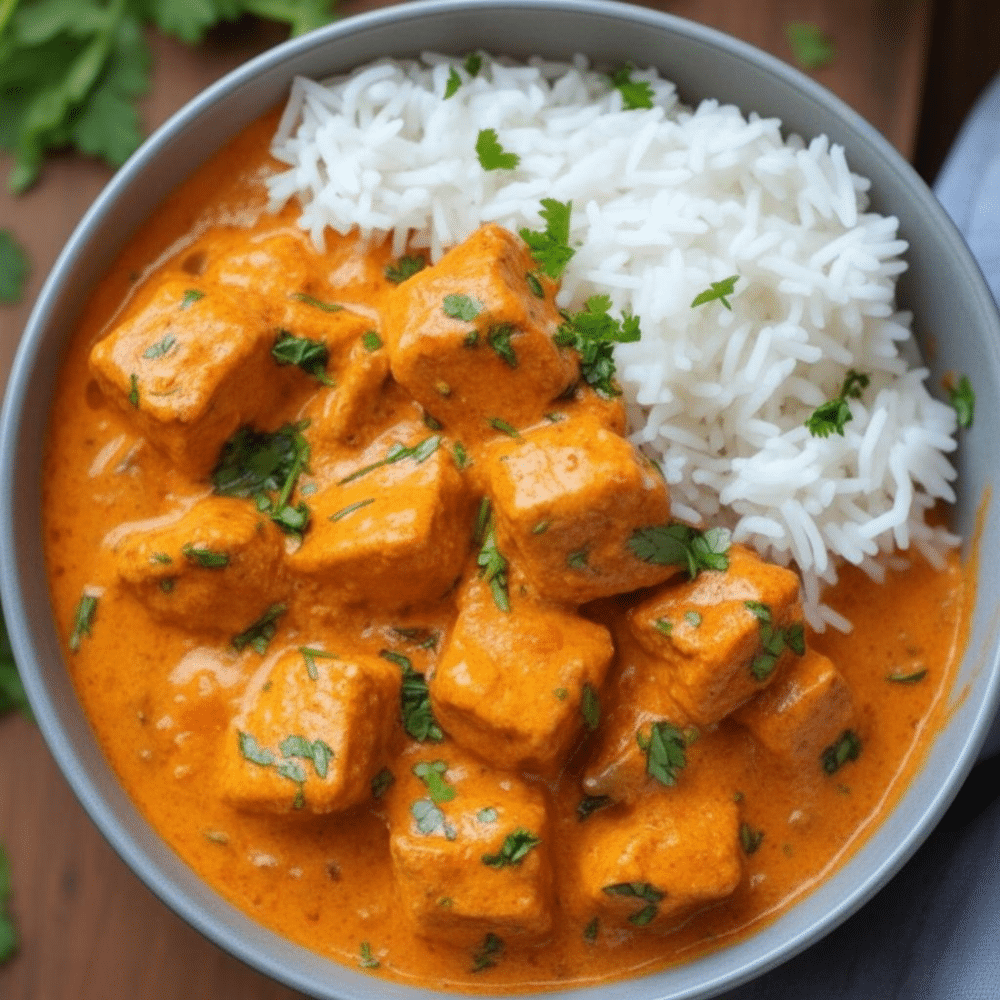
There’s a special kind of magic that happens when you bring restaurant-quality flavors into your own kitchen. And when it comes to Indian cuisine, few dishes capture that magic quite like Homemade Paneer Tikka Masala. Forget ordering takeout; today, we’re embarking on a culinary adventure to create a truly spectacular, deeply flavorful, and incredibly satisfying vegetarian Indian recipe right in your home. This isn’t just about cooking; it’s about transforming simple ingredients into a rich, aromatic feast that will impress your taste buds and those of anyone lucky enough to share your table.
What is Paneer Tikka Masala?
At its heart, paneer tikka masala is a glorious symphony of flavors and textures. It features succulent cubes of paneer (Indian cottage cheese), marinated in a spiced yogurt blend, grilled or pan-fried until beautifully charred, then simmered in a luscious, creamy, and mildly spicy tomato-based gravy. It’s an iconic vegetarian tikka masala, beloved for its comforting richness and complex spice profile. The “tikka” refers to the small pieces of marinated paneer, and the “masala” denotes the rich blend of spices in the sauce.
Tikka Masala vs. Butter Masala
While often confused, Paneer Tikka Masala and Paneer Butter Masala are distinct, though equally delicious. The key difference lies in the preparation of the paneer and the depth of the sauce. In Butter Masala (Makhani), the paneer is typically added directly to a sauce that is often richer with cream and butter from the outset, and its flavor profile is generally sweeter and milder. Tikka Masala, on the other hand, involves the critical step of marinating and grilling the paneer (the “tikka” part) before adding it to the sauce. This grilling imparts a smoky, charred flavor to the paneer that is a hallmark of the dish, giving it a more robust and complex taste, with the sauce often having a slightly tangier and spicier edge due to the tomato and spices used. Think of it as a slightly more adventurous, smoky cousin to the comforting Butter Masala.
Essential Ingredients for Restaurant-Style Flavor
Achieving that coveted restaurant style paneer masala requires attention to quality ingredients and a few special touches. Here’s what you’ll need:
- For the Paneer: Fresh paneer is key. You can buy it or, for the truly adventurous, learn how to make paneer at home for an unparalleled soft texture.
- Aromatics: Ginger, garlic, and green chilies form the aromatic backbone of both the marinade and the sauce.
- Spices: Cumin, coriander, turmeric, red chili powder, garam masala are non-negotiable. A touch of smoked paprika can enhance color and flavor.
- Tomatoes: Canned crushed tomatoes or ripe, pureed fresh tomatoes provide the base for the gravy.
- Dairy: Yogurt (preferably hung curd) for the marinade, and heavy cream for the sauce, adding richness and a silky texture.
- Herbs & Garnish: Fresh cilantro for garnish, and crucially, kasuri methi (dried fenugreek leaves) for an authentic, slightly bitter, maple-like aroma that elevates the entire dish.
- Fat: Ghee or oil for cooking.
The Paneer Marinade
The marinade is where the magic begins for the paneer tikka. It infuses the Indian cottage cheese with incredible flavor and helps it char beautifully. The base is typically thick yogurt, often hung curd, which is yogurt drained of its whey to achieve a much thicker consistency. This thick texture is crucial as it coats the paneer without making it watery, allowing the spices to adhere and form a crust during cooking. Beyond the yogurt, you’ll use a blend of ginger-garlic paste, red chili powder, turmeric, coriander powder, cumin powder, and garam masala. A squeeze of lemon juice adds brightness, and a pinch of salt balances the flavors. Marinating for at least 30 minutes, or even a few hours, allows the paneer to fully absorb these vibrant spices.
The Creamy Tomato Masala Sauce
The sauce is the heart of this rich Indian cottage cheese curry. It starts with sautéing onions until golden, followed by ginger and garlic. Then, a fragrant blend of powdered spices is added and cooked until aromatic. The star of the sauce is the tomato – typically pureed or crushed – which is cooked down until it darkens and thickens, signaling that its raw flavor has mellowed into a rich, concentrated base. A touch of sugar can balance the tomato’s acidity. Finally, this robust base is mellowed and enriched with a splash of heavy cream, a generous handful of fresh cilantro, and the irreplaceable kasuri methi, gently crushed between your palms to release its full fragrance. Some recipes may also include cashews blended into the sauce for extra creaminess and body.
How to Make Paneer Tikka Masala (Step-by-Step)
Creating this delicious paneer tikka masala recipe might seem like a multi-step process, but breaking it down makes it completely approachable. Here’s how you’ll do it:
- Prepare the Paneer Marinade: In a bowl, combine thick yogurt (or hung curd), ginger-garlic paste, red chili powder, turmeric, coriander powder, cumin powder, garam masala, and salt. Mix well. Add cubed paneer and gently toss to coat. Let it marinate for at least 30 minutes in the refrigerator.
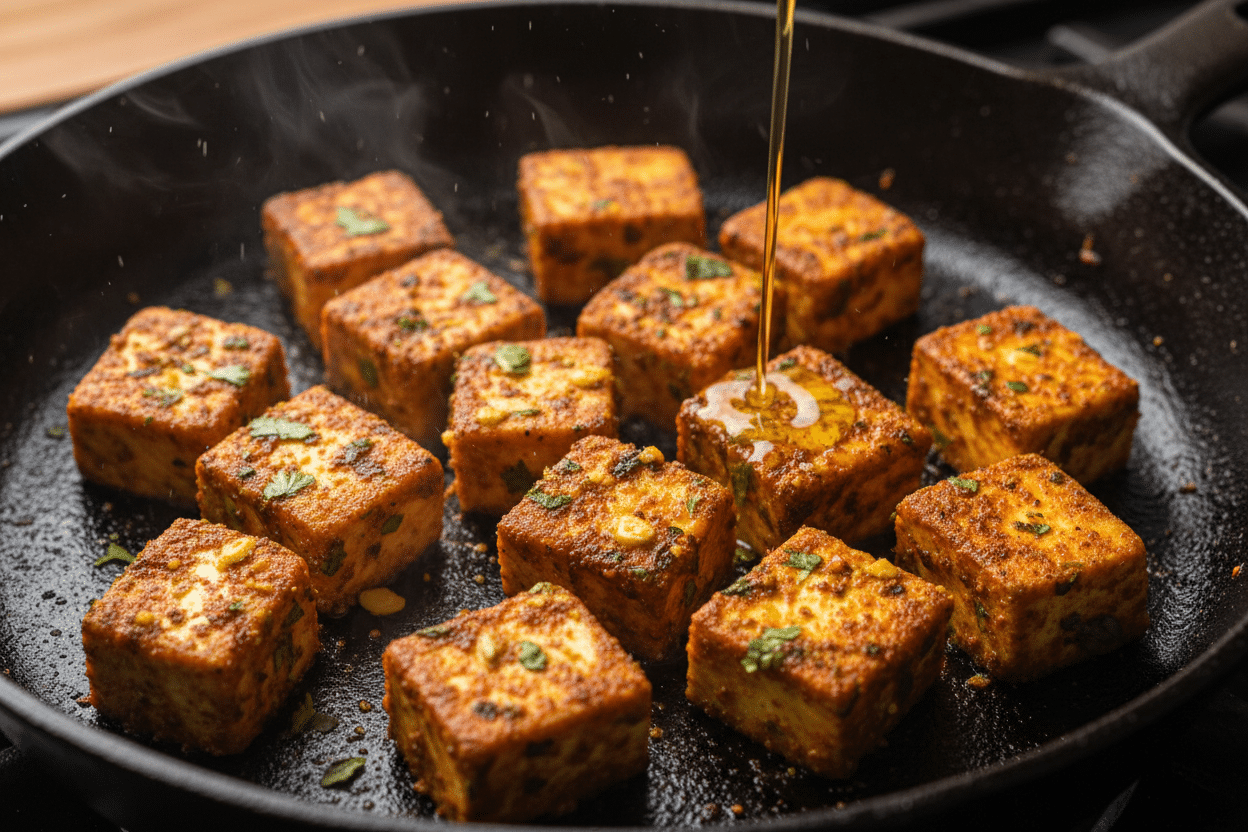
- Cook the Paneer Tikka: You can pan-fry, grill, or bake the marinated paneer. For pan-frying, heat a little oil in a non-stick pan over medium-high heat. Place the paneer cubes in a single layer and cook for 2-3 minutes per side until beautifully charred and golden brown. Set aside.
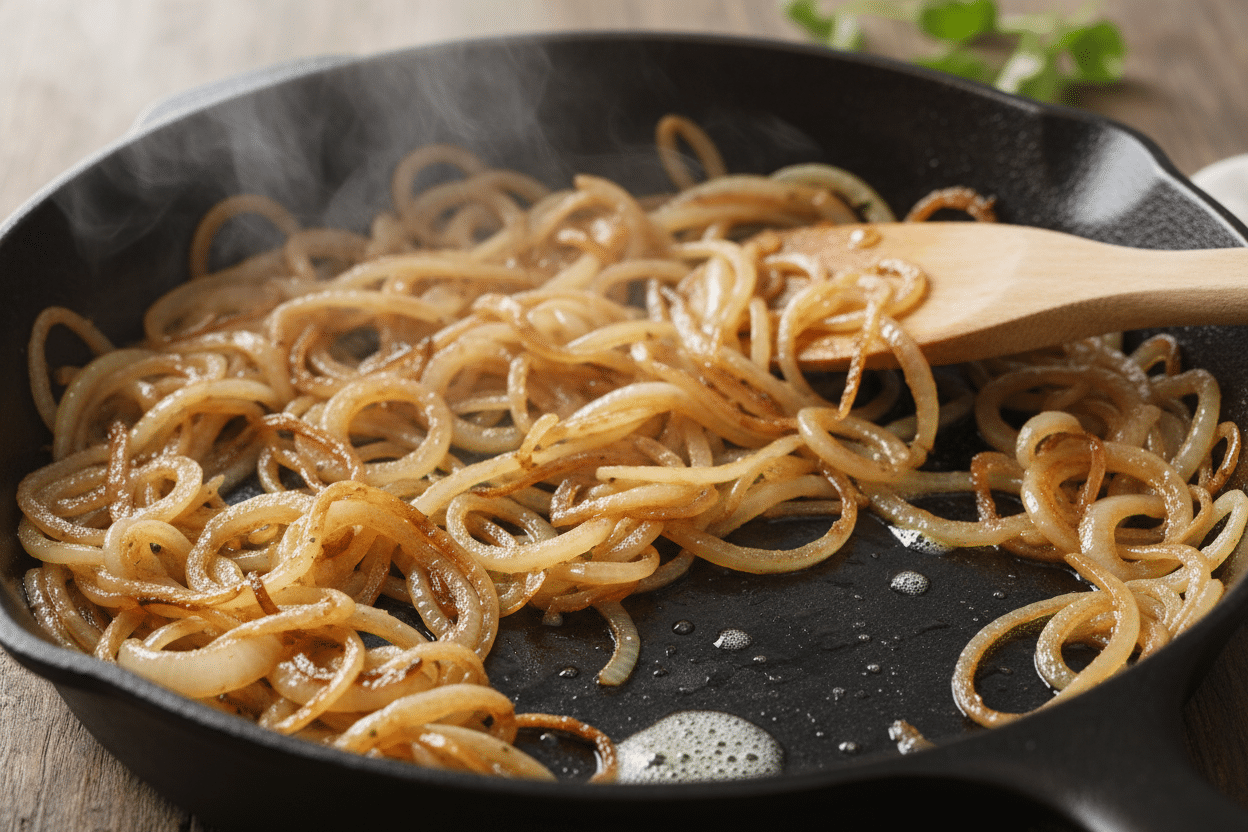
- Start the Masala Sauce Base: In a large pot or deep skillet, heat ghee or oil over medium heat. Add finely chopped onions and sauté until they turn light golden brown and softened, about 8-10 minutes.
- Add Aromatics and Spices: Stir in ginger-garlic paste and chopped green chilies (if using). Cook for 1-2 minutes until fragrant. Add turmeric powder, red chili powder, coriander powder, and cumin powder. Cook for another minute, stirring constantly, until the spices are aromatic.
- Build the Tomato Base: Pour in the crushed tomatoes. Add a pinch of sugar (to balance acidity) and salt to taste. Bring to a simmer, then cover and cook for 15-20 minutes, stirring occasionally, until the sauce thickens and the oil starts to separate on the edges. This indicates the tomatoes are well-cooked and flavorful.
- Blend and Finish the Sauce: For a super smooth restaurant style paneer masala, carefully transfer the sauce to a blender and blend until completely smooth. Return it to the pot. Stir in garam masala and crushed kasuri methi.
- Add Cream and Paneer: Reduce heat to low. Stir in the heavy cream and cook for 2-3 minutes, just until heated through – do not boil vigorously after adding cream. Gently fold in the cooked paneer tikka.
- Garnish and Serve: Garnish generously with fresh chopped cilantro. Serve hot with naan, roti, or rice.
Expert Tips for the Best Paneer Tikka Masala
- Don’t Rush the Onions: Cooking the onions until truly golden is crucial for a sweet, deep flavor base and a beautiful color.
- Cook the Spices Thoroughly: Ensure the powdered spices are cooked for a short time in the oil with the aromatics to release their full aroma without burning.
- Simmer the Tomatoes: Patiently cooking the tomato base until the oil separates is a traditional Indian cooking technique that indicates the sauce has developed its full flavor and richness.
- Fresh Paneer Matters: If possible, use freshly made paneer. It absorbs flavors better and has a superior texture.
Using Hung Curd vs. Regular Yogurt
This is a game-changer for your paneer marinade. Hung curd, or Greek yogurt, is significantly thicker than regular plain yogurt because the whey has been strained out. When you use hung curd for your paneer marinade, it adheres beautifully to the paneer cubes, creating a richer coating that prevents them from becoming watery during cooking. This thick coating also helps in forming a fantastic crust when grilled or pan-fried, locking in moisture and flavor. If you only have regular yogurt, simply line a colander with cheesecloth, pour in the yogurt, and let it drain over a bowl in the fridge for 2-4 hours, or even overnight, until it’s thick and creamy like soft cheese.
Stovetop vs. Oven Grilling
Both methods yield delicious results for your paneer tikka, and your choice depends on preference and equipment.
“For truly authentic charred flavor, a hot grill or tandoor is ideal, but a cast-iron pan on the stovetop comes remarkably close. Don’t underestimate the power of a good sear!” – Chef Rina, on achieving perfect paneer tikka.
Stovetop: A hot cast-iron skillet or non-stick pan is excellent for achieving a good char and crispy edges. It’s quicker and requires less preheating. Ensure you don’t overcrowd the pan to allow for proper browning.
Oven Grilling/Broiling: For larger batches or if you prefer hands-off cooking, arranging marinated paneer on a baking sheet and broiling (grilling) in the oven works wonderfully. Preheat your oven to a high temperature, around 400°F (200°C), and then broil for 8-12 minutes, flipping halfway, until browned and slightly blistered. This method often gives a more even char.
Delicious Variations and Substitutions
While this paneer tikka masala recipe is perfect as is, you can always customize it:
- Smoky Flavor: For an extra smoky kick, you can use a small piece of charcoal to give a dhungar (smoke infusion) to your cooked paneer or the final curry.
- Nut-Free: If you’re allergic to cashews, omit them. The sauce will still be delicious, perhaps a little less creamy.
- Spicier Kick: Increase the amount of green chilies or red chili powder, or add a pinch of cayenne pepper.
- Healthier Twist: Use low-fat paneer and reduce the amount of cream, perhaps substituting some with milk or a plant-based alternative.
- Vegetable Additions: Feel free to add bell peppers or onions to your paneer tikka for more texture and flavor, cooking them alongside the paneer or adding them directly to the sauce.
What to Serve with Paneer Tikka Masala
This rich and flavorful Indian cottage cheese curry pairs beautifully with a variety of accompaniments:
- Indian Breads: Freshly baked naan (garlic naan is exceptional!), roti, or paratha are perfect for scooping up every last drop of the luscious sauce.
- Rice: Basmati rice, jeera rice (cumin rice), or a simple plain pulao provides a comforting base.
- Salad/Raita: A refreshing kachumber salad (cucumber, onion, tomato salad) or a cool cucumber raita (yogurt dip) provides a lovely contrast to the richness of the curry.
- Lentils: A simple dal (lentil soup) can complement the meal, offering another layer of traditional Indian flavor.
Storage and Reheating Instructions
Homemade Paneer Tikka Masala is often even better the next day as the flavors have more time to meld.
- Storage: Store leftover paneer tikka masala in an airtight container in the refrigerator for up to 3-4 days.
- Freezing: The sauce freezes well without the paneer. If you plan to freeze, remove the paneer before freezing the sauce. Thaw the sauce overnight in the refrigerator, then reheat gently and add freshly cooked paneer. If freezing with paneer, the paneer texture might become slightly rubbery upon thawing and reheating.
- Reheating: Gently reheat on the stovetop over low heat, stirring occasionally, until warmed through. If the sauce has thickened too much, you can add a splash of water or milk to reach your desired consistency. Avoid high heat, especially if the sauce contains cream, to prevent curdling.
Frequently Asked Questions (FAQs)
Q: Can I make this a vegan dish?
A: Yes! Substitute paneer with firm tofu (pressed and marinated similarly), hung curd with a thick plant-based yogurt, and heavy cream with full-fat coconut milk or cashew cream. Make sure your ghee is swapped for oil.
Q: Why is my paneer tough?
A: Paneer can become tough if overcooked. Ensure you only cook it until lightly golden and charred during the tikka stage, and don’t let it simmer in the sauce for too long. If using store-bought paneer, soaking it in warm water for 15-20 minutes before marinating can also help soften it.
Q: What if I don’t have kasuri methi?
A: While kasuri methi adds a unique and authentic flavor, you can omit it if you absolutely can’t find it. The dish will still be delicious, but it will lack that distinct, subtle depth. There’s no direct substitute, so it’s best to try to source it if possible.
Q: Can I prepare the sauce in advance?
A: Absolutely! The creamy tomato masala sauce can be made a day or two in advance and stored in the refrigerator. When ready to serve, gently reheat the sauce, cook your paneer tikka, and then combine them.
Making homemade paneer tikka masala is a rewarding culinary journey that brings the vibrant tastes of India directly to your table. With these steps and tips, you’re well on your way to mastering this beloved vegetarian Indian recipe and delighting everyone with your cooking prowess. Happy cooking!
For more delicious recipes and cooking inspiration, be sure to follow us on Facebook!
Follow us on Facebook: https://www.facebook.com/profile.php?id=61568538666337
Best Homemade Paneer Tikka Masala
Ingredients
- 14 oz Paneer cubed
- 1/2 cup Greek yogurt or hung curd
- 1 tbsp Ginger-garlic paste
- 1 tsp Kashmiri red chili powder
- 1 tsp Garam masala
- 1/2 tsp Turmeric powder
- 1 tbsp Lemon juice
- 2 tbsp Ghee or butter
- 1 large Yellow onion finely chopped
- 1.5 cups Tomato puree
- 1/4 cup Heavy cream
- 1 tsp Kasuri methi dry fenugreek leaves, crushed
- 1 tsp Salt to taste
- 2 tbsp Fresh cilantro chopped, for garnish
- 2 cups White basmati rice cooked, for serving
Instructions
- In a large mixing bowl, combine the Greek yogurt, ginger-garlic paste, Kashmiri red chili powder, garam masala, turmeric powder, lemon juice, and half of the salt.
- Add the cubed paneer to the yogurt mixture and toss gently to coat evenly. Cover and refrigerate for at least 30 minutes to marinate.
- Heat a large skillet over medium-high heat with a drizzle of oil. Pan-fry the marinated paneer cubes until lightly charred and golden brown on all sides. Remove from the skillet and set aside.
- In the same skillet, melt the ghee or butter over medium heat. Add the finely chopped yellow onions and sauté for 6 to 8 minutes until golden brown and soft.
- Pour in the tomato puree and cook for 8 to 10 minutes, stirring occasionally, until the oil begins to separate from the sauce.
- Stir in the heavy cream, crushed kasuri methi, and remaining salt. Reduce the heat to low and let the sauce simmer for 5 minutes to thicken.
- Gently fold the pan-fried paneer cubes into the masala sauce. Simmer for an additional 2 to 3 minutes to allow the paneer to absorb the rich flavors.
- Garnish with freshly chopped cilantro and serve immediately over warm white basmati rice.
For more daily recipes and tips, follow us on Facebook!
Click here to join our community!