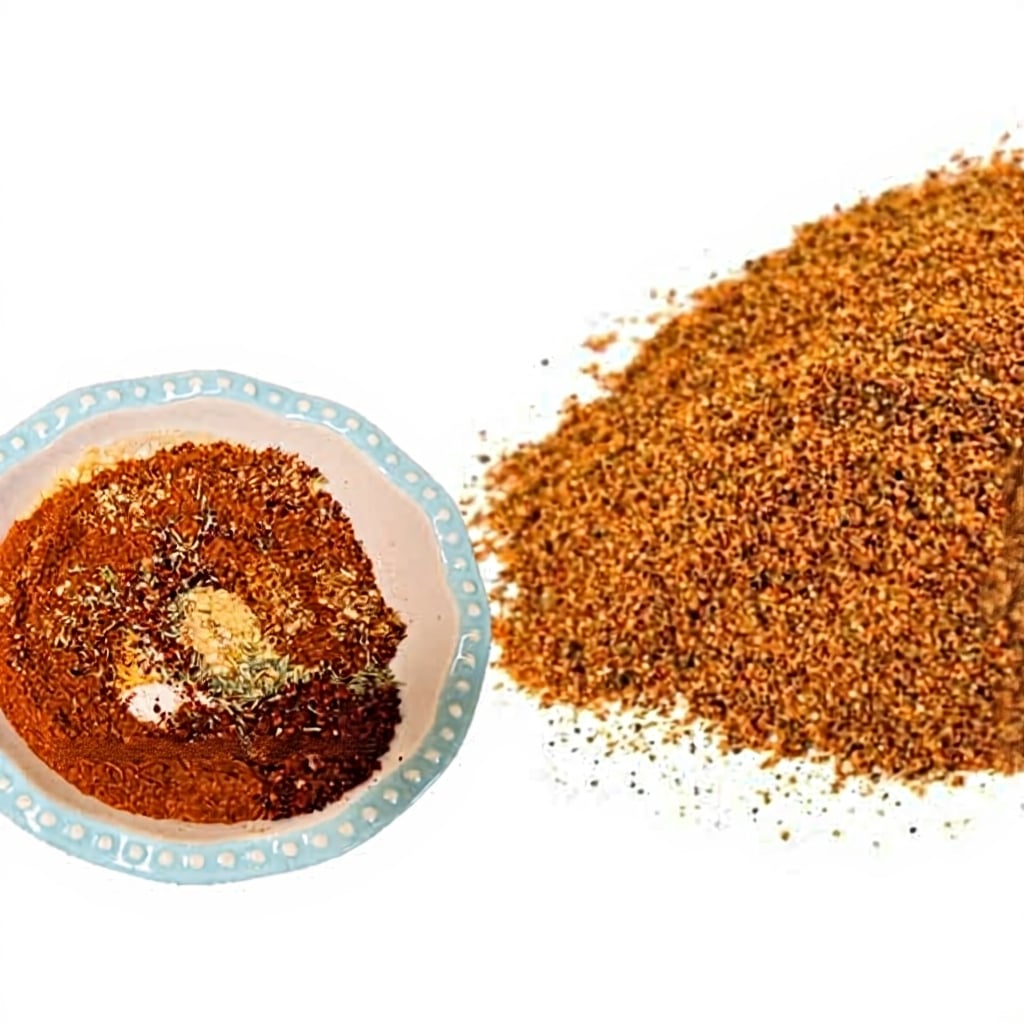
There’s a certain magic that happens when you sprinkle that iconic red dust over a fresh batch of steamed crabs or perfectly seasoned shrimp. It’s the taste of summer, the essence of the coast, and a flavor profile utterly unique. While store-bought Old Bay has its place, nothing quite compares to the satisfaction and nuanced flavor of creating your own Homemade Old Bay Seasoning from scratch. Forget mystery ingredients and enjoy the ultimate control over your spice cabinet with this essential DIY spice mix.
As an expert food blogger, I’m here to guide you through crafting a blend that captures all the savory, spicy, and wonderfully complex notes you crave. Get ready to elevate your seafood, snacks, and even cocktails with a truly spectacular homemade seafood spice.
What is Old Bay Seasoning?
For many, Old Bay Seasoning isn’t just a spice blend; it’s a culinary institution, deeply ingrained in the culture of the Mid-Atlantic. Its vibrant, reddish-brown hue and distinctive aroma evoke images of lively crab feasts and sun-drenched beach days. Originating in Baltimore, Maryland, back in 1939, this iconic blend quickly became synonymous with blue crabs and seafood boils across the region and beyond. It’s truly the quintessential Chesapeake Bay seasoning.
The History and Flavor Profile
The story goes that Gustav Brunn, a German immigrant, created the original recipe after struggling to find a satisfying spice blend for seafood. His solution was a carefully balanced symphony of flavors that has captivated palates for generations. The genius of Old Bay lies in its remarkably complex flavor profile, which dances between several distinct notes:
- Savory Foundation: Dominated by the bright, pungent notes of celery salt blend, which provides the primary salty and herbaceous backbone.
- Spicy Kick: A gentle but noticeable warmth comes from ingredients like cayenne pepper, black pepper, and dry mustard, offering a pleasant heat without overwhelming.
- Aromatic Warmth: What truly sets Old Bay apart from generic hot spices or basic crab boil spice blend is its unique medley of warming, sweet spices. Think subtle hints of nutmeg, ginger, cinnamon, cloves, and even cardamom, which add an unexpected depth and sweetness that rounds out the entire blend.
This intricate balance makes it incredibly versatile, not just for seafood, but as a compelling seafood seasoning substitute or enhancement for a wide array of dishes.
Ingredients for the Perfect Copycat
Crafting your own Homemade Old Bay Seasoning is surprisingly straightforward once you understand the key players in its distinctive flavor profile. The magic lies in combining readily available spices in just the right proportions to replicate that beloved taste. Here’s a breakdown of the essential copycat Old Bay ingredients you’ll need.
The Base Flavors
These ingredients form the core identity of the seasoning, providing its color, saltiness, and a foundational tang.
- Celery Salt: This is arguably the most crucial component, defining much of the blend’s signature character. It’s a combination of ground celery seeds and salt, delivering that earthy, slightly bitter, and deeply savory flavor that Old Bay is known for. It provides the primary salty component that truly defines the blend’s character. Without it, your homemade version just won’t be authentic.
- Paprika: Not only does paprika contribute to the seasoning’s signature rusty red color, but it also adds a mild earthiness and a subtle sweetness that mellows the sharper notes. We’ll explore using different types of paprika in the FAQ section.
- Dry Mustard: This potent yellow powder brings a sharp, tangy kick and a subtle pungency that provides an essential counterpoint to the other spices. It’s a key element in developing the complex, savory depth of the seasoning.
The Warming Spices
This unique combination of spices is what truly distinguishes Old Bay from many other savory or cajun-style blends. They contribute a subtle sweetness and an aromatic warmth that elevates the entire profile, making it more than just a salty or spicy mix.
- Nutmeg: Often associated with baking, a touch of ground nutmeg adds a wonderfully sweet, woody, and slightly musky aroma that is surprisingly effective in savory applications. It’s a key part of Old Bay’s mysterious allure.
- Ginger: Ground ginger contributes a zesty, pungent, and subtly sweet heat that brightens the blend. It’s less about raw spiciness and more about aromatic warmth.
- Cinnamon: Another baking staple, a small amount of ground cinnamon offers a sweet, woody, and comforting note. It’s part of the secret to Old Bay’s unique complexity.
- Cloves: With their intensely aromatic, sweet, and somewhat peppery flavor, ground cloves add a deep, resonant warmth that grounds the lighter spices.
- Cardamom: The most exotic of the warming spices here, ground cardamom brings a complex, citrusy, floral, and slightly spicy note. It’s a subtle but vital component that adds an extra layer of sophistication to the overall flavor.
The Secret Weapon: Bay Leaves
While whole bay leaves are commonly used in soups and stews and then discarded, their role in Old Bay is entirely different and absolutely crucial. This isn’t about infusion; it’s about integration.
- Ground Bay Leaves: Unlike soups where whole leaves are removed, this recipe requires the bay leaves to be ground into a fine powder. This process releases their subtly bitter, minty, and slightly pine-like aroma directly into the blend. It’s a nuanced flavor, but one that is unmistakable and essential for an authentic copycat Old Bay seasoning. If you skip this, your blend will lack that quintessential underlying herbal note.
How to Make Old Bay Seasoning from Scratch
Making your own Homemade Old Bay Seasoning is a rewarding process that takes just a few minutes, but yields a powerful flavor that will transform your cooking. The steps are simple and straightforward, making this an ideal DIY spice mix project for any home cook.
Grinding the Spices
While many of the warming spices can be purchased pre-ground, the bay leaves are best processed yourself to ensure freshness and the correct texture. This step is key to achieving the perfect, fine consistency for your homemade seafood spice.
- Prepare Bay Leaves: If using whole bay leaves (which I highly recommend for maximum flavor), ensure they are completely dry. Break them into smaller pieces if necessary to fit into your grinder.
- Grind to a Fine Powder: Process the broken bay leaves in a dedicated spice grinder or a clean coffee grinder. Grind them until they become a very fine powder, almost like flour. This might take a minute or two, depending on your grinder.
- Sift (Optional but Recommended): For the smoothest blend, pour the ground bay leaf powder through a fine-mesh strainer. Use the back of a spoon to press the powder through, discarding any tough, fibrous stem pieces or larger leaf fragments that remain. This ensures your final seasoning has a uniform texture and no unpleasant gritty bits.
Once your bay leaves are finely ground, the rest of the process is simply mixing.
Mixing and Storage
With all your ingredients measured and the bay leaves finely ground, you’re just moments away from having a fresh batch of homemade seafood spice.
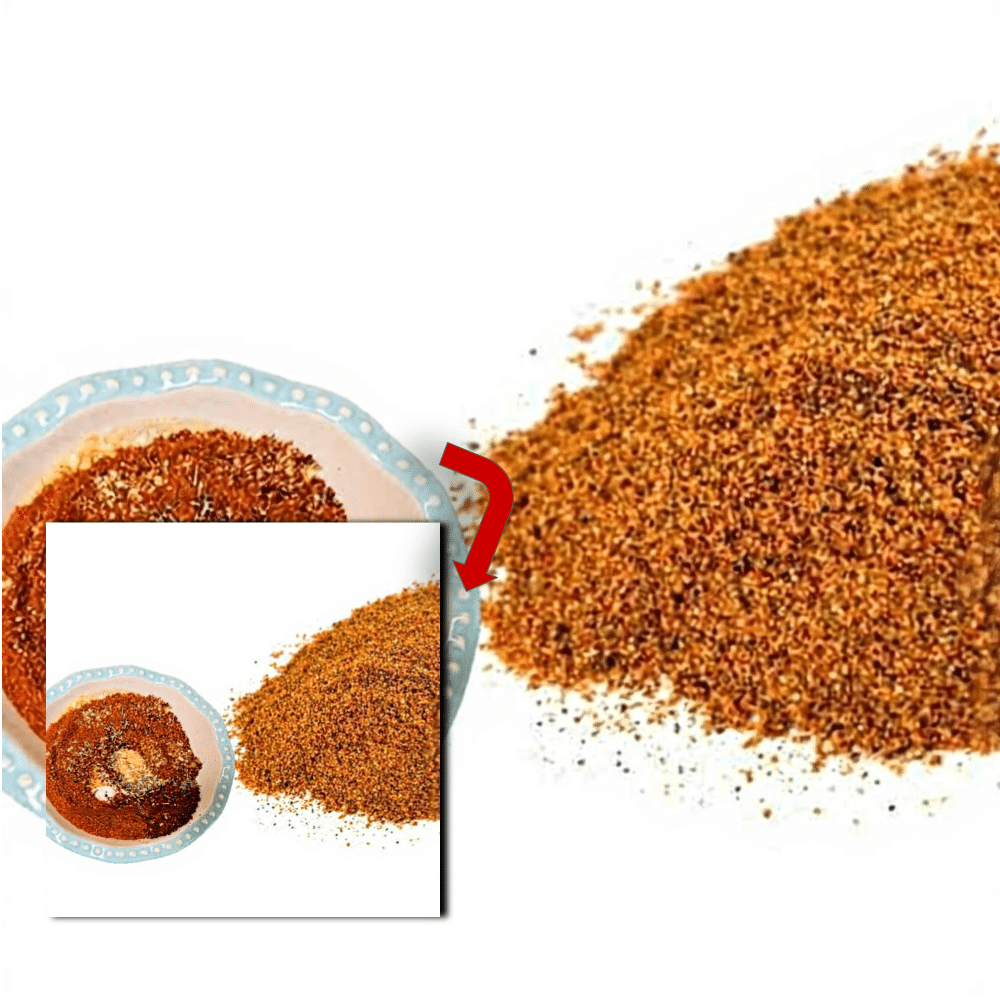
- Combine All Ingredients: In a small, clean mixing bowl, whisk together the finely ground bay leaves, celery salt, paprika, dry mustard, cayenne pepper, black pepper, nutmeg, ginger, cinnamon, cloves, and cardamom.
- Achieve Uniform Color: Continue whisking vigorously until all the ingredients are thoroughly combined and the color of the blend is completely uniform, with no streaks of individual spices. This ensures every pinch of your seasoning delivers a consistent flavor profile.
- Store Properly: Transfer your freshly made Homemade Old Bay Seasoning to an airtight glass jar or a spice container.
- Optimal Storage Conditions: Store the jar in a cool, dark pantry or cupboard, away from direct sunlight, heat, and moisture. Proper storage is crucial for maintaining the potency and freshness of your blend.
- Shelf Life: While dried spices don’t “go bad” in the traditional sense, they do lose their potency and vibrancy over time. For peak flavor and aroma, your homemade blend is best used within 6 months. After that, it might still be usable, but the flavors will be significantly diminished.
“Making your own spice blends is a game-changer. Not only do you control the quality of ingredients, but the freshness of a homemade mix like Old Bay is unparalleled. It truly brightens every dish it touches.” – The Seasoned Palate Blog
Culinary Uses Beyond Seafood
While Homemade Old Bay Seasoning is undeniably a champion when it comes to seafood – transforming simple steamed shrimp into a craveable delight or giving your next crab boil that authentic kick – its versatility extends far beyond the depths of the ocean. This powerful celery salt blend can enhance an incredible array of dishes, making it a must-have in your spice arsenal.
Vegetable & Snack Enhancements
Sprinkle a little magic on your everyday sides and snacks for an instant flavor upgrade.
- Popcorn: Elevate your movie night! Toss freshly popped popcorn with melted butter and a generous sprinkle of your DIY spice mix for an incredibly savory, zesty, and subtly spicy snack.
- Fries & Chips: Say goodbye to plain salt. Sprinkle this seasoning over hot french fries, sweet potato fries, or even homemade potato chips immediately after they come out of the fryer or oven for an irresistible crunch and flavor.
- Corn on the Cob: A classic summer pairing. Slather grilled or boiled corn on the cob with butter and then dust with your homemade blend. The sweet corn perfectly balances the savory spices.
- Roasted Vegetables: Give roasted broccoli, cauliflower, asparagus, or potatoes a vibrant lift. Toss them with olive oil and Old Bay before roasting until tender and slightly caramelized.
- Deviled Eggs: For a spicy twist on the traditional recipe, mix a pinch of the seasoning into your deviled egg filling, or simply use it as a colorful and flavorful garnish.
Protein Rubs
This seasoning is fantastic as a dry rub, adding depth and a unique flavor profile to various proteins.
- Chicken Wings: Excellent as a dry rub for baked, grilled, or air-fried chicken wings. Toss hot wings in melted butter and then a generous coating of Old Bay for a flavor explosion. It’s also superb on roasted chicken thighs or drumsticks.
- Grilled Shrimp: Perfectly complements the natural sweetness of shrimp. Toss peeled shrimp with a little olive oil and your shrimp boil seasoning before grilling or sautéing for a quick and flavorful meal.
- Beef Roasts: Use it as a dry rub for a robust flavor on smaller cuts of beef before grilling or pan-searing. The savory notes of the seasoning marry beautifully with the richness of the beef.
- Baked Fish: Lightly coat white fish fillets like cod, haddock, or tilapia before baking or pan-frying for a healthy and flavorful meal.
Bloody Marys
Take your brunch cocktails to the next level with a spiced rim.
- Rim the Glass: Moisten the rim of your Bloody Mary glass with a lemon or lime wedge, then dip it into a shallow dish of your Homemade Old Bay Seasoning. The spicy, savory rim perfectly complements the tomato-based cocktail, adding an extra layer of flavor with every sip.
Frequently Asked Questions
Here are some common questions about making and using Homemade Old Bay Seasoning, structured to provide quick, helpful answers.
Can I use smoked paprika?
Yes, absolutely! While sweet paprika is standard, swapping it for smoked paprika is a fantastic way to add a deeper, more robust, and BBQ-style depth to your homemade seafood spice. This makes the blend particularly suitable for grilling chicken, roasting vegetables, or seasoning beef. Experiment to see which you prefer!
What if I don’t have celery salt?
No problem! You can easily create a substitute for celery salt. Simply combine finely ground celery seeds with plain kosher salt in a 1:1 ratio. For instance, if your recipe calls for 1 tablespoon of celery salt, use 1/2 tablespoon of ground celery seeds and 1/2 tablespoon of kosher salt. Grind the celery seeds even finer if necessary for a smooth blend.
Is this recipe gluten-free?
Yes, this Homemade Old Bay Seasoning recipe is inherently gluten-free, provided that all your individual spice jars are certified gluten-free. While whole spices are naturally gluten-free, some commercially ground spices or spice blends may contain anti-caking agents or fillers that contain gluten. Always check the labels of your store-bought spices to ensure they are free from gluten-containing additives.
Homemade Old Bay Seasoning
Ingredients
- 2 tablespoons paprika Sweet paprika is standard; use smoked for a variation
- 2 tablespoons celery salt
- 1 tablespoon ground bay leaves Grind whole dried leaves in a spice grinder if necessary
- 1 teaspoon dry mustard powder
- 1/2 teaspoon ground black pepper
- 1/2 teaspoon ground nutmeg
- 1/2 teaspoon ground ginger
- 1/2 teaspoon cayenne pepper Adjust for heat preference
- 1/4 teaspoon ground cinnamon
- 1/4 teaspoon ground cardamom
- 1/4 teaspoon ground cloves
Instructions
- If using whole dried bay leaves, place them in a clean coffee grinder or spice grinder. Pulse until they form a fine powder. Sift through a fine-mesh strainer to remove any large stem pieces.
- In a small mixing bowl or a glass jar, combine the paprika, celery salt, ground bay leaves, dry mustard, black pepper, nutmeg, ginger, cayenne, cinnamon, cardamom, and cloves.
- Whisk the spices together or seal the jar and shake vigorously until the mixture is uniform in color and no clumps remain.
- Transfer the seasoning to an airtight spice jar.
- Store in a cool, dry place away from direct sunlight for up to 6 months.
For more daily recipes and tips, follow us on Facebook!
Click here to join our community!