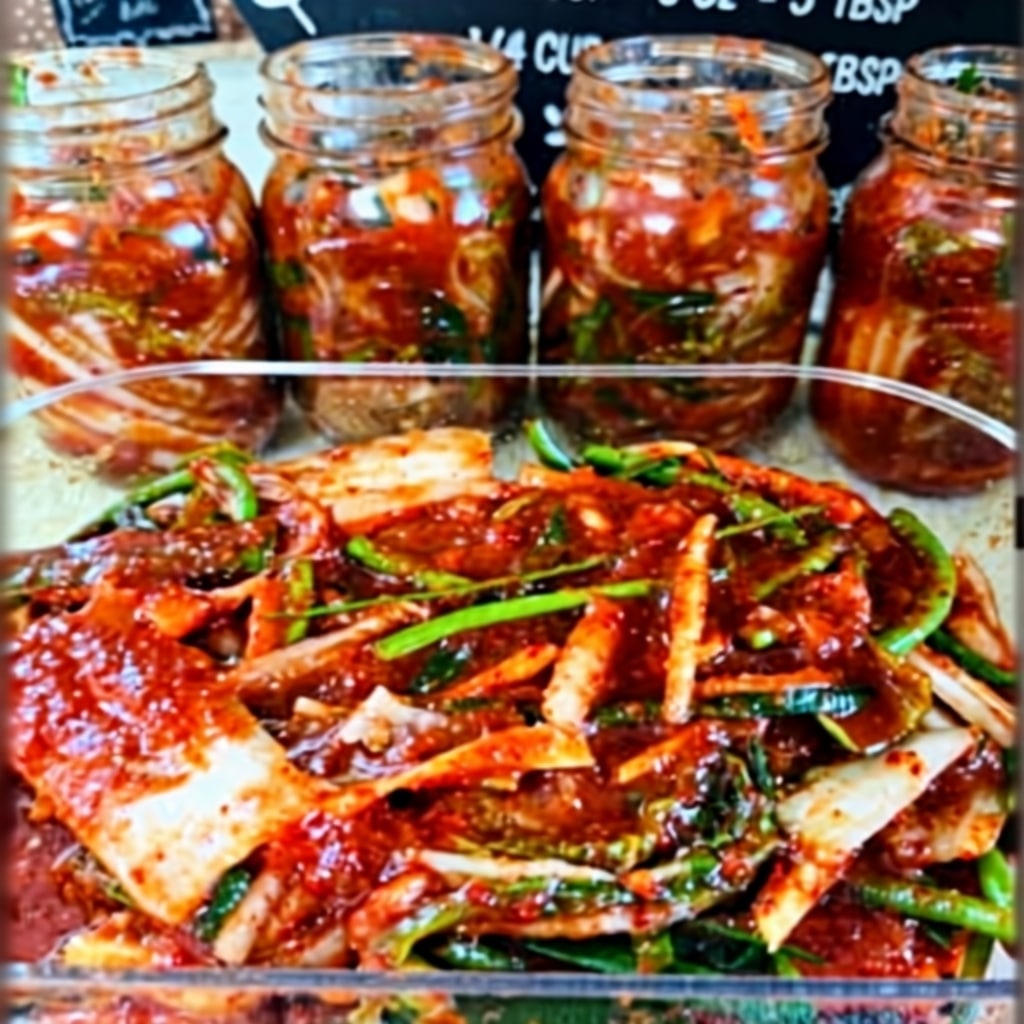
Unlocking the Flavors of Korea: Your Guide to Perfect Homemade Kimchi
There’s an undeniable magic that happens when cabbage meets a vibrant medley of spices and time. That magic is kimchi, the iconic Korean fermented cabbage dish that has captivated taste buds worldwide. More than just a side dish, kimchi is a cultural cornerstone, a symbol of Korean culinary heritage, and a daily essential known as banchan.
Making homemade kimchi is a deeply satisfying experience, allowing you to control the flavors and ingredients, ensuring a fresh, vibrant batch every time. Beyond its incredible taste, this Korean fermented cabbage is a powerhouse of health benefits. Packed with beneficial probiotics, kimchi is a fantastic ally for gut health, aiding digestion and even boosting your immune system. It’s truly a delicious and probiotic-rich side dish that supports overall well-being.
While traditional *Pogi-Kimchi* involves fermenting whole heads of napa cabbage, we’ll focus on *Mak-Kimchi* – the cut, “easy style” kimchi. This method is perfect for home cooks, offering all the authentic flavor without the more intricate handling of whole cabbage leaves. Let’s dive into creating your very own spicy, tangy, and utterly addictive authentic Korean banchan.
Key Ingredients for Authentic Flavor
The secret to incredible homemade kimchi lies in selecting the right ingredients. Each component plays a vital role in developing that complex, umami-rich, and spicy flavor profile.
The Holy Trinity: Cabbage, Salt, and Gochugaru
- Choosing the Right Napa Cabbage: Start with a fresh, firm head of napa cabbage. Look for cabbages that feel heavy for their size and have thin, crisp leaves. These absorb the brining salt and paste beautifully, resulting in a tender yet crunchy texture. Avoid any with withered or discolored outer leaves.
- Why Coarse Sea Salt is Non-Negotiable: This isn’t your everyday table salt. Coarse sea salt (often labeled “brining salt” or “kimchi salt”) is essential for drawing out moisture from the cabbage, tenderizing it, and kickstarting the fermentation process. Its larger granules dissolve slowly and evenly, preventing the cabbage from becoming overly salty too quickly.
- Gochugaru: The Heart of the Heat: Korean chili flakes, or Gochugaru, are the defining spice of kimchi. You’ll find it in two forms: coarse flakes and fine powder. For classic Gochugaru kimchi ingredients, we typically use the coarse flakes. They provide a beautiful reddish hue and a robust, fruity heat without being overwhelmingly spicy. The fine powder is often used for a smoother texture or for dishes where quick dissolution is desired.
The Porridge (Pul)
Often overlooked, the glutinous rice flour porridge, or pul, is a crucial binder and fermentation booster. It’s the “glue” that holds the spice paste together and helps it adhere evenly to the cabbage.
- Role of Sweet Rice Flour: Sweet rice flour (also known as glutinous rice flour) creates a smooth, starchy paste when cooked. This not only binds the sauce but also provides a source of sugar for the healthy bacteria to feed on during fermentation, contributing to that desired tangy flavor.
- Substitutes if You Can’t Find Glutinous Rice Flour: If sweet rice flour is unavailable, you can use regular rice flour or even a small amount of wheat flour. However, the texture and binding properties might differ slightly. Some recipes also use cooked rice blended into a paste for a similar effect.
Aromatics and Umami
These ingredients deepen the flavor profile, adding layers of savory deliciousness and complexity.
- Fish Sauce vs. Salted Shrimp (Saeujeot): Both are traditional umami boosters. Fish sauce provides a savory depth, while salted shrimp (Saeujeot) offers a more pungent, fermented seafood flavor that many consider essential for authentic kimchi. If you’re going for a vegan kimchi variation, omit these and use a suitable vegan alternative like a mushroom-based umami seasoning or kelp powder.
- Garlic, Ginger, and Onion Ratios: These aromatics form the pungent base of the kimchi paste. A generous amount of fresh garlic, ginger, and onion (or Korean pear for sweetness) is blended to create a potent and flavorful foundation. The exact ratios can be adjusted to your preference, but a good starting point is usually a higher proportion of garlic to ginger, with onion or pear adding natural sweetness and body.
Step-by-Step Guide to Making Mak-Kimchi
Now that we have our ingredients ready, let’s assemble this incredible spicy cabbage recipe.
1. Prep and Brine
This critical first step ensures your cabbage has the perfect texture and salt content.
- Cutting Techniques for Bite-Sized Pieces: Remove any damaged outer leaves from the napa cabbage. Halve the cabbage lengthwise, then cut each half into 1 to 2-inch wide pieces. For the thicker core parts, you might want to cut them a bit smaller. Wash the cabbage thoroughly.
- The Importance of the 1.5-Hour Soak and Rotating: Place the cut cabbage in a large, non-reactive bowl. Sprinkle generously with coarse sea salt, ensuring every piece is coated. Gently massage the salt into the cabbage. Let it sit for approximately 1.5 hours, tossing and rotating the cabbage every 30 minutes. This helps the salt draw out moisture evenly, making the cabbage pliable and seasoned. You’ll notice the cabbage shrinking and releasing a good amount of water.
- Critical Step: Rinsing Thoroughly to Prevent Overly Salty Results: After brining, the cabbage will be quite salty. It is absolutely crucial to rinse it under cold running water at least 3-4 times. Taste a piece of cabbage; it should taste pleasantly salty, like the sea, but not overwhelmingly so. If it’s too salty, rinse more. Drain the cabbage well in a colander, gently squeezing out excess water without crushing the leaves. Let it sit for at least 30 minutes to an hour to further drain, ensuring it’s as dry as possible.
2. Making the Porridge and Paste
This is where the magic of the flavor paste comes together.
- Cooking the Rice Flour Glue: In a small saucepan, whisk 2 tablespoons of glutinous rice flour with 1 cup of water until smooth. Heat over medium-low heat, stirring constantly, until the mixture thickens into a translucent, glue-like paste. This usually takes about 5-7 minutes. Let it cool completely before proceeding.
- Blending the Aromatics for a Smooth Sauce Base: In a food processor or blender, combine the cooled rice porridge with a generous amount of garlic cloves (about 10-15), a thumb-sized piece of ginger (peeled), half an onion, and optionally, a small piece of Korean pear or apple for natural sweetness. Blend until you have a smooth, thick paste.
- Mixing the Gochugaru Kimchi Ingredients: Transfer the blended paste to a large bowl. Stir in about ½ to 1 cup of coarse gochugaru (adjust to your preferred spice level), 2-3 tablespoons of fish sauce or salted shrimp paste, 2 tablespoons of sugar (or more to taste), and any other preferred additions like finely chopped green onions or julienned radish. Mix thoroughly until you have a uniform, vibrant red paste. This is your flavorful kimchi paste!
3. Mixing and Packing
The final assembly requires a hands-on approach.
- Wearing Gloves (Essential Safety Tip): Always wear food-safe gloves when mixing kimchi. The gochugaru can stain your hands and cause a burning sensation, especially if you accidentally touch your eyes.
- Combining Cabbage and Paste: Add the thoroughly drained napa cabbage to the bowl with your kimchi paste. Using your gloved hands, massage the paste into the cabbage, ensuring every single piece is evenly coated. Take your time to really work the paste into the folds of the cabbage.
- How to Pack Jars Correctly to Prevent Mold (Removing Air Pockets): Once mixed, pack the kimchi tightly into clean, sterilized jars or an airtight container. Press down firmly on the kimchi as you go, pushing out any air pockets. Air is the enemy of good fermentation and can lead to mold. Leave about an inch or two of headspace at the top, as the kimchi will produce gas and liquids during fermentation. Seal the jars tightly.
The Fermentation Process
This is where your homemade kimchi truly comes alive, developing its characteristic tang and complexity.
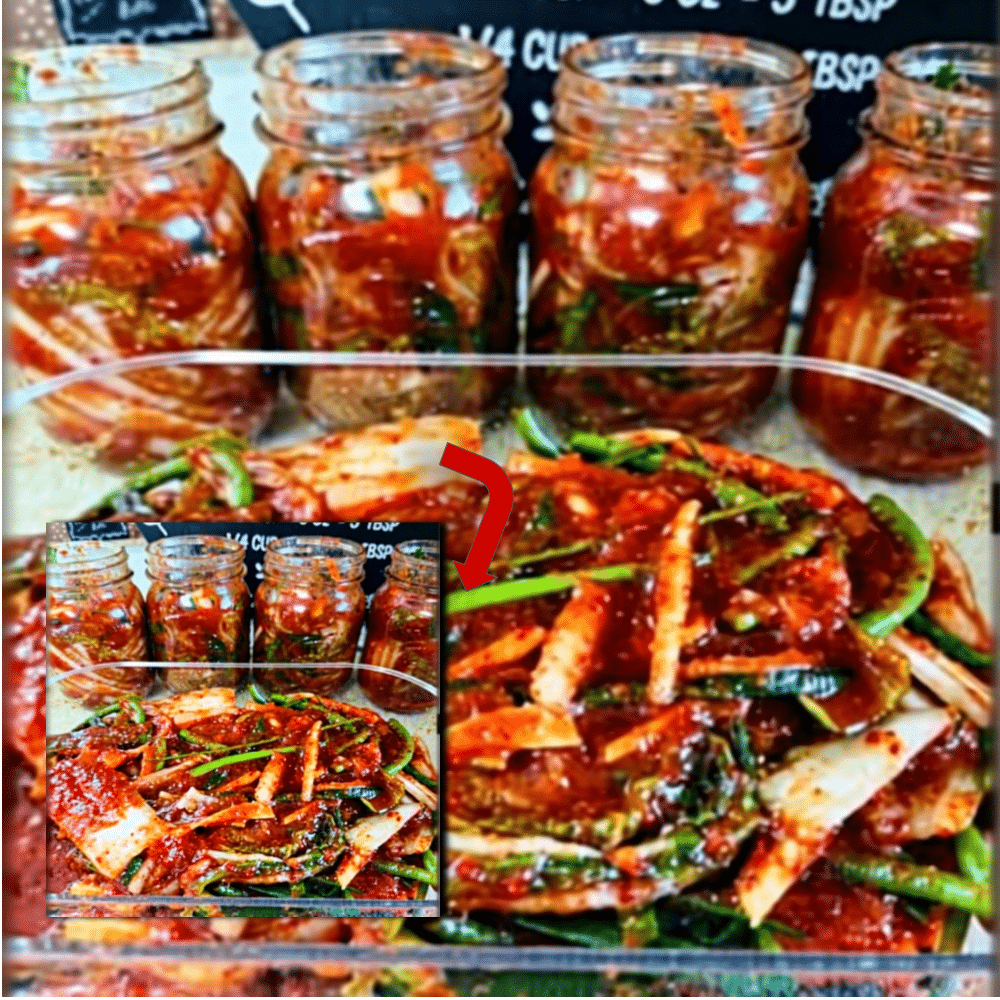
- Room Temperature vs. Fridge: When to Move it to the Cold: For initial fermentation, leave your sealed kimchi at cool room temperature (around 68-72°F or 20-22°C) for 1-2 days. The warmer your kitchen, the faster it will ferment. After this initial period, or once it reaches your desired level of sourness, transfer the kimchi to the refrigerator. The cold temperature significantly slows down fermentation, preserving its flavor.
- Signs of Fermentation: Bubbles, Sour Smell, and Rising Juices: Keep an eye on your kimchi! You’ll start to see small bubbles forming in the jar, especially around the edges. The liquid level might rise, and you’ll notice a distinct, pleasant sour smell developing. These are all positive signs that the good bacteria are hard at work.
- How Long to Wait for That Perfect Tang (1-2 days usually): The ideal fermentation time at room temperature is highly personal. For a mild tang, 1 day might be enough. For a more pronounced sourness, 2 days is common. Some prefer up to 3 days. Taste a small piece daily (using a clean utensil) to determine when it’s perfect for your palate before moving it to the fridge.
Troubleshooting Common Kimchi Mistakes
Don’t be discouraged if your first batch isn’t perfect. Kimchi making is an art that improves with practice!
- Too Salty? If you find your finished kimchi too salty, don’t fret! You can add thin slices of daikon radish or even a few apple slices to the jar. These will absorb some of the excess salt over time. For future batches, ensure you rinse the brined cabbage more thoroughly.
- Mushy Cabbage? Mushy kimchi is often caused by over-fermentation in warm conditions, or if the cabbage wasn’t properly brined and drained, leading to waterlogged leaves. To prevent this, ensure proper brining (not too long, not too short), thorough rinsing and draining, and move your kimchi to the refrigerator as soon as it reaches your desired tang.
- Not Sour Enough? Patience is key! If your kimchi isn’t souring, it likely needs more time at room temperature. Ensure your room isn’t too cold. A slightly warmer environment will encourage faster fermentation. Make sure your porridge provided enough food for the bacteria.
Serving and Storage
Once your homemade kimchi is perfectly fermented, it’s ready to enjoy in countless ways.
- Best Practices for Scooping (Clean Utensils Only): Always use clean, dry utensils when scooping kimchi from the jar. Introducing foreign contaminants can disrupt the fermentation balance and potentially lead to mold.
- Shelf Life in the Refrigerator: Properly stored kimchi can last for several months in the refrigerator. The flavor will continue to evolve, becoming increasingly sour and pungent over time. While it remains safe to eat, its texture might soften.
- Delicious Ways to Use Aged Kimchi: As kimchi ages, its flavor deepens and becomes more complex, making it ideal for cooking.
- Kimchi Stew (Jjigae): Transform your aged kimchi into a hearty, warming stew with beef, tofu, and other vegetables. The sourness of the kimchi adds incredible depth.
- Kimchi Fried Rice (Bokkeumbap): Chop up old kimchi and stir-fry it with rice, your choice of vegetables, and perhaps some cooked beef. A fried egg on top is a must!
- Pancakes (Kimchijeon): Mix chopped kimchi into a simple batter for savory, crispy pancakes.
Frequently Asked Questions (FAQ)
Here are answers to some common questions about making and enjoying your homemade kimchi:
Q: What is the main difference between Pogi-Kimchi and Mak-Kimchi?
A: *Pogi-Kimchi* refers to whole head kimchi, where entire napa cabbage heads are brined and filled with paste. *Mak-Kimchi* is “easy-style” or “cut kimchi,” where the cabbage is cut into bite-sized pieces before brining and mixing with the paste, making it much quicker and easier to prepare and serve.
Q: Is kimchi always spicy?
A: Traditional Korean kimchi is indeed spicy due to *gochugaru* (Korean chili flakes). However, you can control the level of spiciness by adjusting the amount of gochugaru you add. There are also non-spicy variations like white kimchi (*Baek-Kimchi*).
Q: Can I make vegan kimchi?
A: Absolutely! To make a delicious vegan kimchi variation, simply omit the fish sauce and salted shrimp paste. You can substitute these with a splash of soy sauce, a mushroom-based umami seasoning, or kelp powder for a similar savory depth.
Q: Why did my kimchi develop mold?
A: Mold usually forms due to exposure to air or contamination. Ensure you pack your kimchi tightly into jars, pressing out all air pockets, and always use clean utensils. If mold appears, unfortunately, it’s best to discard the batch to be safe.
Q: How do I know if my kimchi is fermented enough?
A: The best way to tell is by taste. After 1-2 days at room temperature, taste a small piece. It should be pleasantly tangy and slightly sour, with a developed flavor. You’ll also notice small bubbles and rising liquids, along with a characteristic sour smell.
We hope this guide inspires you to embark on your own kimchi-making journey. There’s nothing quite like the taste of fresh, vibrant homemade kimchi!
Follow us on Facebook at https://www.facebook.com/profile.php?id=61568538666337 for more delicious recipes and tips!
Easy Homemade Kimchi (Mak-Kimchi)
Ingredients
- 1 large head Napa cabbage approx. 4-5 lbs, washed
- 0.5 cup coarse sea salt non-iodized, for brining
- 0.25 cup sweet rice flour glutinous rice flour
- 3 tbsp sugar white or brown
- 3 cups water for porridge
- 0.5 cup garlic peeled and crushed
- 2 tbsp ginger fresh, minced
- 1 cup onion minced or roughly chopped
- 0.5 cup fish sauce high quality
- 1 cup Gochugaru Korean red pepper flakes (coarse)
- 2 stalks green onions sliced diagonally
- 0.25 cup carrot julienned
- 2 cups Korean radish (Mu) julienned
Instructions
- Cut the Napa cabbage lengthwise into quarters, remove the core, and chop into 2-inch square bite-sized pieces.
- Place cabbage in a large basin. Dissolve the 1/2 cup salt in enough water to submerge the cabbage. Soak for 1.5 hours, turning the cabbage every 30 minutes to ensure even brining.
- Rinse the cabbage 3 times under cold running water to remove excess salt. Drain thoroughly in a colander for 20 minutes.
- While cabbage drains, make the porridge: In a small saucepan, whisk 3 cups water and sweet rice flour. Simmer over medium heat until it bubbles and thickens to a paste. Stir in the sugar, cook for 1 minute more, then remove from heat and let cool completely.
- Blend the aromatics: In a blender or food processor, combine the onion, garlic, ginger, and fish sauce. Blend until smooth and creamy.
- In a large mixing bowl, combine the cooled rice porridge, the blended onion mixture, and the Gochugaru (pepper flakes). Mix well to form a thick red paste.
- Add the julienned radish, carrots, and green onions to the paste. Add the drained cabbage. Wearing kitchen gloves, mix everything by hand until every cabbage leaf is coated.
- Pack the kimchi tightly into airtight glass jars or a fermentation container. Press down firmly to remove air pockets and ensure the cabbage is submerged in its own juices.
- Let ferment at room temperature for 24 to 48 hours (away from direct sunlight) until it smells sour and bubbles appear. Once fermented to taste, transfer to the refrigerator to store.
For more daily recipes and tips, follow us on Facebook!
Click here to join our community!