“`html
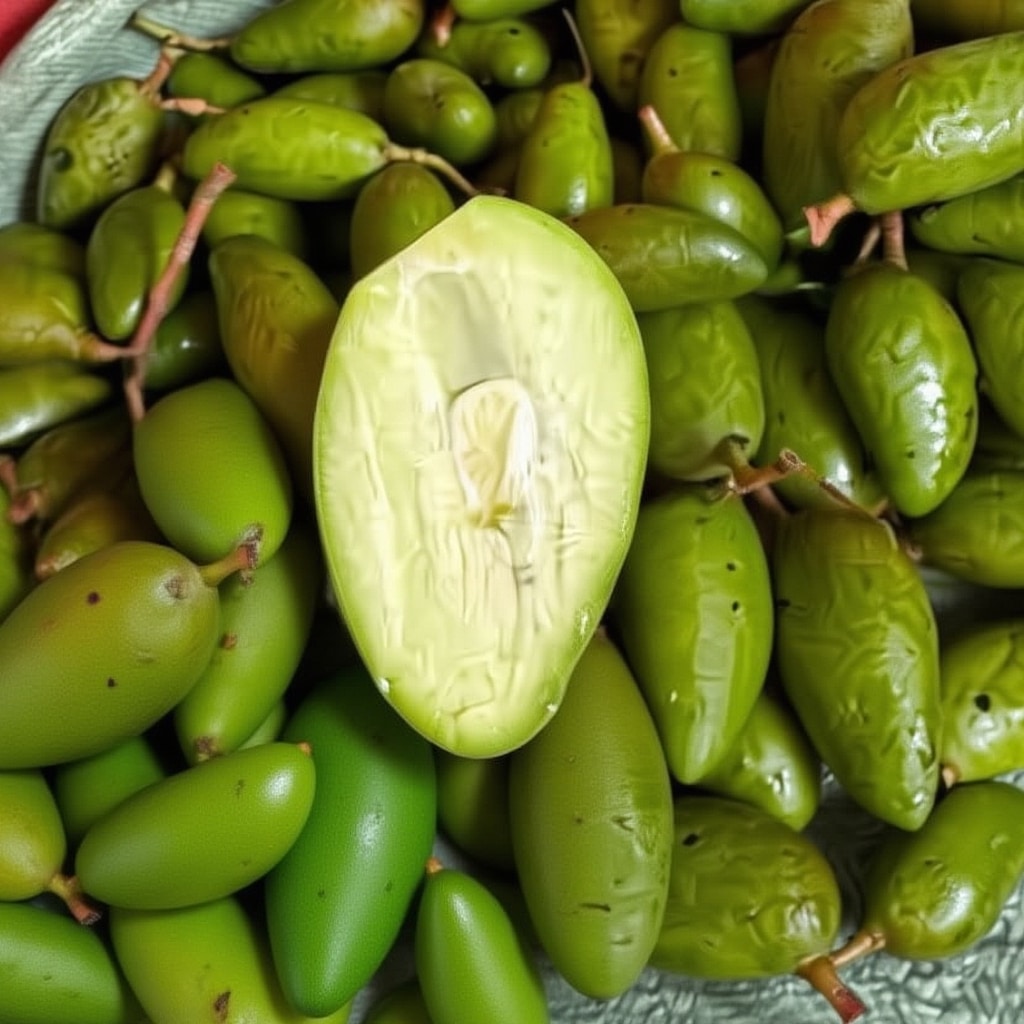
Imagine a symphony of flavors dancing on your palate: the exhilarating pucker of a crisp, sour green mango, instantly followed by the deep, savory hug of umami-rich fermented shrimp paste. This isn’t just a snack; it’s an experience, a cultural touchstone, and a beloved classic in Filipino cuisine. We’re talking about Green Mango Bagoong, a pairing so iconic it evokes sighs of longing from Filipinos worldwide.
From bustling street food stalls to the comforting embrace of home, this vibrant combination offers an unforgettable taste adventure. This comprehensive guide will take you on a journey through the world of mangga’t bagoong, covering everything from selecting the perfect unripe mango to mastering an authentic ginisang bagoong recipe, and exploring its profound cultural significance. Get ready to dive into a Filipino flavor explosion!
What is Green Mango Bagoong? The Story Behind the Craving
A Cultural Phenomenon
Green Mango Bagoong, or Mangga’t Bagoong, is far more than just a simple snack; it’s a vibrant thread woven into the fabric of Filipino culture. It’s an omnipresent Filipino street food, a refreshing Pinoy meryenda (afternoon snack) during sweltering tropical days, and a quintessential Filipino comfort food. For many pregnant women, the intense sourness of hilaw na mangga dipped in salty bagoong is the ultimate paglilihi food—a craving so strong it becomes a joyous quest.
This simple yet profound pairing is a testament to the Filipino palate’s love for bold contrasts and exhilarating flavors, often shared among friends and family, marking celebrations and everyday moments alike.
The Perfect Balance of Flavors
The magic of Green Mango Bagoong lies in its exquisite balance. The extreme tartness and acidity of the unripe mango provide a dramatic counterpoint to the intense saltiness and profound umami of the Filipino shrimp paste. This interplay creates what Filipinos fondly call “asim-sarap”—a portmanteau for “sour-delicious.”
Each bite of crunchy green mango, coated in the savory paste, cleanses the palate while simultaneously introducing a complex depth of flavor that is uniquely addictive. It’s this harmonious contrast, this push and pull between two powerful tastes, that makes mangga’t bagoong an unparalleled culinary delight and an authentic Filipino recipe that truly captivates the senses.
Choosing Your Champion: The Perfect Green Mango
Popular Green Mango Varieties in the Philippines
The choice of green mango significantly influences your Green Mango Bagoong experience. Different varieties offer distinct levels of sourness and textures:
- Carabao Mango (Manggang Kalabaw): Often lauded as one of the world’s sweetest mangoes when ripe, its unripe stage is highly prized for its firm texture and intensely sour flavor. This is the gold standard for many who enjoy a truly bracing tartness.
- Indian Mango: Smaller and rounder than the Carabao, the Indian mango is a popular choice for those who prefer a slightly milder sourness. It still offers a delightful crunch but with a gentler acidity, making it an accessible unripe mango snack.
- Pico Mango (Piko): Known for its flatter shape and sometimes slightly more fibrous texture, Pico mangoes offer a different kind of bite and a distinct sour profile, adding variety to your how to eat green mango adventure.
- Paho or Pahutan: These tiny, wild mangoes are less common but offer an exceptionally strong, aromatic sourness. They are often enjoyed with great enthusiasm by those who crave the most potent tang.
How to Select and Store Green Mangoes
To ensure the best Green Mango Bagoong experience, choosing the right mangoes is crucial. Look for mangoes that are:
- Firm to the Touch: A good green mango should feel hard and solid, with no soft spots, indicating it’s unripe and will offer that satisfying crunch.
- Unblemished Skin: Opt for mangoes with smooth, intact skin, free from bruises or dark spots. The greener the skin, generally, the more sour the fruit will be.
- Weighty: A heavier mango typically signifies juiciness, even in its unripe state.
To store your chosen hilaw na mangga, keep them at room temperature if you plan to enjoy them within a day or two. If you want to slow down the ripening process and maintain their crispness for longer, refrigerate them in a breathable bag. Learning how to prepare green mango starts with proper selection and storage.
The Soul of the Snack: A Deep Dive into Bagoong
Understanding Bagoong: More Than Just Shrimp Paste
Bagoong is a foundational condiment in Filipino cuisine, deeply rooted in tradition and flavor. It is essentially a fermented seafood product, made from either fish or krill (small shrimp), and is renowned for its pungent aroma, intense saltiness, and rich umami flavor. It’s an indispensable component in many Filipino dishes, serving not just as a dip but also as a cooking ingredient that adds depth and character.
When asking what is bagoong made of, it’s typically fermented tiny shrimp or fish, salt, and sometimes specific colorings or flavorings. Its distinct profile makes it a unique Filipino dipping sauce, especially for Green Mango Bagoong.
Bagoong Alamang vs. Bagoong Isda
While both are fermented seafood pastes, bagoong alamang and bagoong isda offer distinct experiences:
- Bagoong Alamang (Shrimp/Krill Paste): This is the classic, almost exclusive choice for pairing with green mango. Made from tiny krill, it typically has a pinkish-to-purplish hue, a very strong aroma, and a texture ranging from chunky to smooth. Its robust, savory flavor is the perfect foil for sour mango, creating that iconic Green Mango Bagoong combination.
- Bagoong Isda (Fish Paste): Made from fermented fish, bagoong isda has a different texture (often more liquid or with discernible fish pieces) and a distinctively fishier, sometimes stronger, aroma. While used extensively in other Filipino dishes (like pinakbet), it is less commonly paired with green mango due to its different flavor profile.
To Cook or Not to Cook? Raw vs. Sautéed Bagoong
When enjoying Green Mango Bagoong, you’ll encounter two main forms of bagoong alamang:
- Raw Bagoong: Straight from the jar, raw bagoong alamang is intensely salty and very pungent. While some purists enjoy it this way, its strong, unadulterated flavor can be overwhelming for many.
- Ginisang Bagoong (Sautéed Bagoong): This is the preferred method for a dipping sauce, and what we’ll focus on for our bagoong alamang recipe. Sautéing the shrimp paste with aromatics like garlic, onion, tomatoes, and often a touch of sugar and vinegar, transforms it. The cooking process mellows its pungency, deepens its umami, and introduces a harmonious blend of sweet, spicy, and savory notes, making it irresistibly complex and safer to consume. This delicious cooked version is the heart of a perfect Green Mango Bagoong experience.
The Ultimate Ginisang Bagoong Recipe (for Green Mango Dip)
Mastering a good ginisang bagoong is key to elevating your Green Mango Bagoong experience. This recipe creates a perfectly balanced sawsawan recipe that’s sweet, savory, and spicy.
Ingredients List
- 1 cup raw bagoong alamang (Filipino shrimp paste)
- 4-5 cloves garlic, minced
- 1 medium onion, finely chopped
- 1-inch ginger, minced (optional, for added zest)
- 1-2 medium tomatoes, diced (optional, adds acidity and body)
- 1/4 cup diced pork belly or pork fat (for richness, optional but recommended)
- 2-3 tbsp white vinegar (to balance saltiness)
- 2-4 tbsp brown sugar (to balance sourness and saltiness, adjust to taste for sweet and spicy bagoong)
- 2-3 pcs siling labuyo (red chilies), chopped (for a spicy bagoong recipe, adjust to taste)
- 2-3 tbsp cooking oil
Step-by-Step Instructions
- Prepare Pork (Optional): In a pan, render the diced pork belly or fat over medium heat until crispy and the oil is extracted. Remove the crispy pork bits (you can add them back later or use as garnish) and leave about 2-3 tablespoons of oil in the pan.
- Sauté Aromatics: Add the cooking oil (or use the rendered pork fat) to the pan. Sauté the minced garlic until fragrant and lightly golden. Add the chopped onion and cook until softened and translucent. If using ginger, add it now and sauté for another minute.
- Add Tomatoes: If using, add the diced tomatoes and cook until they break down and become saucy, about 3-5 minutes.
- Introduce Bagoong: Add the raw bagoong alamang to the pan. Stir well to combine with the aromatics. Cook over medium-low heat for at least 10-15 minutes, stirring frequently. This step is crucial for cooking out the raw flavor and aroma of the bagoong.
- Season and Simmer: Pour in the vinegar and stir. Add the brown sugar. Bring to a gentle simmer, stirring until the sugar dissolves.
- Add Spice: Stir in the chopped siling labuyo (chilies).
- Finish Cooking: Continue to cook on low heat for another 10-15 minutes, stirring occasionally. The bagoong is done when the oil separates and floats to the top, indicating it’s well-cooked and flavorful. Taste and adjust for sweetness, saltiness, and spiciness.
Pro Tips for the Perfect Sautéed Bagoong
- Sweet Style: For a more pronounced sweet and spicy bagoong, don’t be shy with the brown sugar. Taste as you go, adding more until you reach your desired balance.
- Spicy Kick: Control the heat by adjusting the amount and type of chilies. For extreme heat, use more siling labuyo. For a milder warmth, try a few slices of green finger chilies or omit altogether.
- Make it Richer: The pork belly (or its rendered fat) adds incredible richness and depth. For a vegetarian version, simply omit the pork.
- Storage: Homemade ginisang bagoong can be stored in an airtight container in the refrigerator for up to 2-3 weeks, or even longer in the freezer. Always use a clean spoon to prevent spoilage.
- How to make bagoong less salty: If your raw bagoong is extremely salty, you can soak it briefly in water (then drain) before sautéing, but the best way is to balance it during cooking with more sugar and vinegar.
How to Prepare, Serve, and Eat Green Mango Bagoong
The Art of the Slice
The way you cut your green mango can enhance the eating experience. Here are popular methods for your crunchy green mango:
- Classic Sticks: The quintessential Filipino street food style, often half-peeled and served on a stick, perfect for dipping and walking.
- Thin Slices: Ideal for a more delicate bite, allowing the bagoong flavor to shine through evenly.
- Thick Wedges: For those who love a hearty crunch and a stronger burst of sourness with each dip.
- Peeled vs. Unpeeled: While some prefer to peel the mango entirely, others enjoy leaving some skin for an added slightly bitter note and extra texture. The skin of a green mango is edible.
Serving Suggestions
Presenting Green Mango Bagoong is simple yet inviting. Arrange your freshly sliced hilaw na mangga artfully on a platter, with a central bowl of your homemade ginisang bagoong. For an extra flourish, you can garnish the bagoong with a sprinkle of crispy rendered pork bits, finely chopped red onions, or extra chili slices.
It makes for an excellent Filipino appetizer, a refreshing palate cleanser alongside rich, fatty Filipino meals (like lechon kawali), or simply a satisfying Pinoy meryenda that celebrates the simple joy of sour mango with salt and savory paste.
Beyond the Dip: Other Ways to Enjoy the Flavor Combo
The iconic pairing of green mango and bagoong extends beyond a simple dip, inspiring several other beloved Filipino dishes:
- Ensaladang Mangga (Green Mango Salad): A vibrant and refreshing mango shrimp paste salad, where chopped hilaw na mangga is tossed with fresh tomatoes, red onions, and a dressing made from ginisang bagoong, sometimes with a splash of calamansi juice. It’s the perfect side dish for grilled fish or meat.
- Binagoongan with Green Mango: A hearty and flavorful pork stew cooked directly in bagoong alamang, often enriched with coconut milk. This rich dish is traditionally served with slivers of green mango on top, providing a crucial sour counterpoint that cuts through the dish’s richness.
- Bagoong Fried Rice: A savory and aromatic fried rice dish where the rice is stir-fried with ginisang bagoong, garlic, and sometimes bits of pork or shrimp. It’s commonly served with a side of fresh green mango slices and a fried egg, creating a complete and satisfying meal.
Frequently Asked Questions (FAQ)
Is Green Mango Bagoong healthy?
Green Mango Bagoong is generally enjoyed as a treat rather than a health food. Green mangoes are a good source of Vitamin C and antioxidants. However, bagoong alamang is very high in sodium due to its fermentation process. While delicious, it should be consumed in moderation as part of a balanced diet.
What is the best bagoong brand for green mango?
While many Filipinos have their personal favorites, popular and widely available commercial brands for bagoong alamang include Barrio Fiesta and Kamayan. However, for the ultimate flavor control and freshness, making homemade bagoong (specifically, ginisang bagoong) is often considered the best bagoong brand option.
Why do Filipinos love this combination so much?
Filipinos adore Green Mango Bagoong because it perfectly encapsulates the “panlasang Pinoy” (Filipino palate)—a love for bold, contrasting flavors (sweet, sour, salty, spicy). The refreshing tartness of the mango perfectly cuts through the intense umami of the bagoong, making it incredibly satisfying, especially in the tropical climate.
Can I eat the green mango skin?
Yes, the skin of green mango is edible. Many people choose to eat it unpeeled for extra crunch and a slightly more bitter note, which some find enhances the overall experience. It’s entirely a matter of personal preference whether you peel it or not.
How to make bagoong less salty?
To reduce the saltiness of bagoong alamang, especially when making ginisang bagoong, you can add more sugar to create a sweet and spicy bagoong. A splash of vinegar also helps to balance the salt. Some also add a bit of water or even coconut milk during the sautéing process to mellow the intensity.
Conclusion: Your Invitation to a Filipino Flavor Adventure
The humble yet mighty combination of Green Mango Bagoong is more than just food; it’s a sensory journey, a cultural embrace, and a testament to the Filipino love for bold flavors. From the exhilarating tang of the carabao mango to the complex umami of expertly prepared Filipino shrimp paste, every bite is a celebration.
Whether you seek out this beloved Filipino street food, create your own luscious ginisang bagoong at home, or explore its variations in dishes like ensaladang mangga, you’re invited to savor an authentic Filipino recipe that truly defines comfort and craving. Dive in and let the sour-sweet-salty-spicy symphony of mangga’t bagoong transport you!
“`
For more daily recipes and tips, follow us on Facebook!
Click here to join our community!