
A Taste of the Mediterranean: The Ultimate Greek Spaghetti Recipe
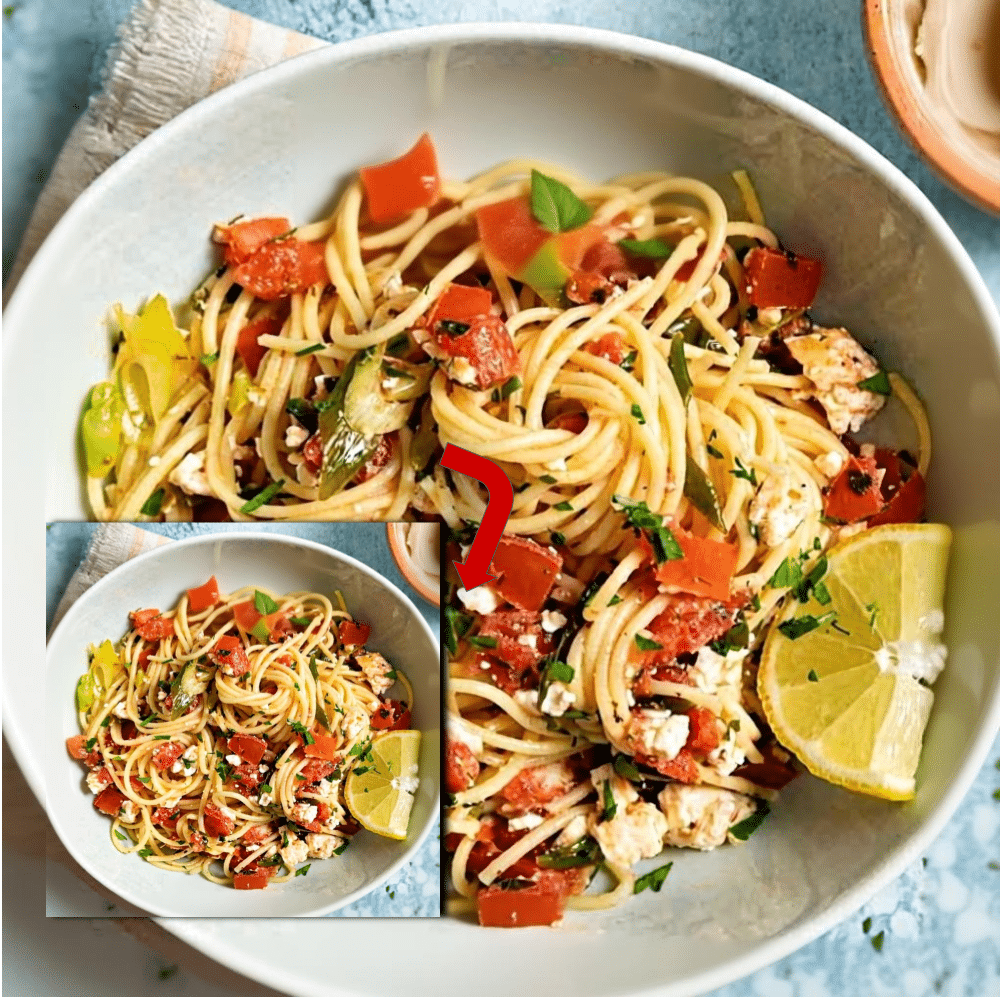
Imagine the warm sun on your face, the sound of waves gently lapping the shore, and the vibrant taste of fresh, zesty ingredients dancing on your palate. That’s the essence we’ve captured in this exquisite Greek spaghetti recipe. While not a centuries-old traditional Greek dish like Pastitsio, this modern culinary creation perfectly embodies the spirit of Mediterranean cuisine. It’s a celebration of simplicity, speed, and incredibly fresh flavors, making it ideal for a lightning-fast weeknight dinner or a light, refreshing summer meal. In this post, you’ll discover a foolproof recipe, expert tips for achieving perfection, and exciting variations to make this Mediterranean pasta recipe your own.
What Exactly is Greek Spaghetti?
At its heart, “Greek spaghetti” is a brilliant fusion concept, drawing deep inspiration from the iconic Horiatiki salata – the classic Greek salad. Unlike traditional Italian spaghetti dishes that often feature slow-simmered tomato sauces and rich Parmesan, this dish pivots to a brighter, bolder flavor profile. Think of the salty brine of creamy feta, the tangy kick of Kalamata olives, and the verdant freshness of herbs, all brought together with a generous drizzle of high-quality olive oil and bright lemon. This isn’t about heavy sauces; it’s about showcasing fresh, raw, or lightly cooked ingredients that sing with the vibrant flavors of the Aegean. It’s a healthy spaghetti recipe that prioritizes freshness and zest.
Why This Recipe Will Become a New Favorite
There are countless reasons why this Greek spaghetti is destined to become a staple in your kitchen. Its delightful combination of flavor and ease is truly unbeatable:
- Incredibly Fast: From prep to plate, this is truly an easy weeknight pasta, ready in under 30 minutes – a perfect 30-minute pasta recipe for busy evenings.
- Bursting with Flavor: Each forkful offers a symphony of zesty lemon, the salty tang of feta and Kalamata olives, and the aromatic lift of fresh herbs, creating a vibrant lemon herb pasta experience.
- Healthy & Light: Packed with fresh vegetables and heart-healthy olive oil, this vegetarian Greek pasta dish fits beautifully into a Mediterranean diet recipe, making it a truly healthy spaghetti recipe.
- Highly Customizable: Easily adaptable, this simple spaghetti recipe welcomes different proteins, a variety of vegetables, or even other pasta shapes to suit your taste.
- Uses Simple Ingredients: You’ll likely find most components already in your pantry or easily accessible at your local market, making it a truly simple spaghetti recipe.
The Essential Ingredients for Greek Spaghetti
The magic of this Greek spaghetti lies in the quality and freshness of its components. Here’s a breakdown of what you’ll need:
The Pasta
While classic spaghetti provides that satisfying long strand, don’t hesitate to experiment! Linguine or angel hair pasta also work wonderfully. For a different texture or if you plan to make a Greek pasta salad, short pastas like penne, fusilli, or farfalle are excellent choices, as they beautifully capture the bits of feta and olives. Gluten-free pasta options are also perfectly suitable; just follow package instructions.
The Flavor Base: Olive Oil, Garlic, and Onion
A high-quality extra virgin olive oil is non-negotiable here; its fruity, peppery notes are central to the dish’s character. Fresh garlic provides aromatic depth and warmth, while finely minced red onion contributes a mild sweetness and a lovely pop of color without overpowering the other ingredients. These three form the backbone of your light pasta dishes.
The Vegetables: Juicy Tomatoes and More
Cherry or grape tomatoes are ideal for this dish. Their small size means they burst with concentrated sweetness and juiciness, releasing their flavors when gently warmed by the pasta. These are key for a vibrant spaghetti with feta and tomatoes. While optional, consider adding more vegetables like fresh spinach (which wilts beautifully with the hot pasta), thinly sliced bell peppers, or tender zucchini for extra nutrients and texture.
The Greek Trinity: Feta, Olives, and Lemon
These three ingredients are the heart and soul of our Greek spaghetti. For the best flavor and creamy texture, always opt for feta cheese packed in brine, not the pre-crumbled dry kind. Kalamata olive pasta is a must, but other high-quality Greek olives like Gaeta or Castelvetrano can also be used. Both fresh lemon juice and its aromatic zest are crucial; the juice provides a bright acidity that cuts through the richness, while the zest offers a profound citrus perfume.
The Fresh Herbs: Oregano, Dill, and Parsley
Fresh herbs are paramount for truly authentic Greek pasta flavors. Dried oregano has its place, but fresh oregano offers a more delicate, earthy aroma. Fresh dill brings a unique, slightly tangy and anise-like freshness, a hallmark of many Greek dishes, making this a fresh dill pasta delight. Finally, chopped fresh parsley adds a clean, bright finish that lifts all the other flavors. Don’t skimp on these!
Step-by-Step Guide: How to Make Perfect Greek Spaghetti
Creating this delicious Greek spaghetti is surprisingly simple. Follow these steps for a perfect meal every time:
1. Mise en Place: Prep Your Ingredients
This is a quick-cooking dish, so having all your ingredients ready before you start is key. Finely mince your garlic and red onion. Halve your cherry tomatoes. Crumble the feta, and pit and halve your Kalamata olives. Chop your fresh dill, parsley, and oregano. Zest and juice your lemon. This preparation ensures a smooth, stress-free cooking process.
2. Cook the Pasta to Al Dente Perfection
Bring a large pot of heavily salted water to a rolling boil – it should taste like the sea! Add your spaghetti and cook according to package directions until it’s al dente, meaning tender but still firm to the bite. This is crucial for the texture of your spaghetti with feta and tomatoes. Before draining, reserve at least 1 cup of the starchy pasta water. This pasta water is your secret weapon for a silky sauce.
3. Create the Simple, No-Cook Sauce
While the pasta cooks, grab a large serving bowl. In it, combine the extra virgin olive oil, minced garlic, lemon zest and juice, chopped tomatoes, Kalamata olives, crumbled feta, and all your fresh herbs. Season with a generous pinch of black pepper. You’ll notice there’s no traditional “cooking” of the sauce on the stovetop; the magic happens with the heat from the pasta.
4. Combine, Toss, and Emulsify
Once your pasta is al dente, drain it immediately (remembering to reserve that pasta water!). Add the hot, drained spaghetti directly into the large serving bowl with your sauce ingredients. Now, begin to toss vigorously. As you toss, gradually add the reserved pasta water, a few tablespoons at a time. The hot pasta will gently warm the fresh ingredients, and the starchy water will help emulsify the olive oil and other components, creating a light, creamy sauce that beautifully clings to every strand of Greek spaghetti. Taste and adjust seasoning as needed.
Pro Tips from a Chef’s Kitchen
Elevate your Greek spaghetti from good to absolutely unforgettable with these insider tricks:
- The Magic of Pasta Water: Never underestimate the power of starchy pasta water. It’s not just for thinning the sauce; its starches help emulsify the olive oil, creating a cohesive, silky, and flavorful sauce that coats the pasta beautifully, preventing an oily or watery mess.
- Quality Over Quantity: Since there are so few ingredients, their quality truly shines. Invest in a good bottle of extra virgin olive oil and seek out authentic Greek feta packed in brine. These small upgrades make a huge difference in the final taste of your Mediterranean pasta recipe.
- Don’t Overheat the Feta: The goal is to gently warm the feta so it becomes creamy and slightly melty, integrating into the sauce. Avoid excessive heat, which can cause it to become rubbery or disappear into a stringy mess. The residual heat from the pasta is just right.
- Balance Your Flavors: Always taste and adjust before serving. You might find it needs an extra squeeze of lemon for more acidity, a fresh crack of black pepper, or perhaps a tiny bit more salt (remember feta and olives are salty!).
- Toast Your Garlic (Optional): For a deeper, less pungent garlic flavor, you can lightly toast your sliced garlic in a tablespoon of olive oil in a small pan for just a minute until fragrant, then add it to your sauce bowl.
Delicious Variations and Add-Ins
One of the joys of this Greek spaghetti is its versatility. Feel free to get creative and customize it to your liking:
Protein Boosts
For a heartier meal, easily add protein. Grilled chicken breast, sautéed shrimp, or flaked canned tuna (packed in oil) are fantastic options. For a delicious vegetarian protein, add a can of rinsed and drained chickpeas to the sauce along with the other ingredients, creating a more filling vegetarian Greek pasta.
More Veggies, More Health
Enhance the nutritional value and texture by incorporating more vegetables. Wilted spinach or kale (toss in with the hot pasta), roasted red peppers, sun-dried tomatoes (chopped), artichoke hearts, or grilled zucchini slices all complement the Greek flavors beautifully. This keeps your healthy spaghetti recipe fresh and exciting.
Make It Creamy or Spicy
Craving a creamier texture? Stir in a tablespoon or two of Greek yogurt or a dollop of cream cheese with the reserved pasta water for a luscious finish. If you like a kick of heat, a pinch of red pepper flakes added to the sauce bowl will provide a delightful warmth.
A Different Pasta Experience
Beyond the spaghetti, consider making this a warm Greek pasta salad by using short pasta shapes like orzo, farfalle, or rotini. Let the dish cool slightly before serving, or even chill it completely for a refreshing picnic or potluck option.
What to Serve with Greek Spaghetti
This light pasta dish pairs wonderfully with a variety of sides to complete your Mediterranean feast:
- Salads: Keep it simple with a crisp green salad dressed in a light lemon vinaigrette, or a refreshing cucumber salad with fresh dill.
- Breads: Crusty garlic bread or warm pita bread is perfect for soaking up any leftover delicious sauce.
- Wine Pairings: A crisp, dry white wine will complement the bright flavors. Think Sauvignon Blanc, Pinot Grigio, or for an authentic Greek experience, try an Assyrtiko or Moschofilero.
Storage and Reheating Instructions
While Greek spaghetti is best enjoyed fresh, leftovers are still delicious. Store any remaining pasta in an airtight container in the refrigerator for up to 3 days. When reheating, gently warm it on the stovetop over low heat, adding a splash of water or olive oil to loosen the sauce and bring back its creamy texture. Avoid microwaving on high, as it can dry out the pasta and make the feta rubbery.
Frequently Asked Questions (FAQ)
What is the difference between Greek spaghetti and Italian spaghetti?
The primary difference lies in their flavor profiles and ingredient emphasis. Greek spaghetti, as presented here, celebrates fresh, briny, and zesty flavors from ingredients like feta, lemon, and Kalamata olives, often bound by a light olive oil-based sauce. Italian spaghetti, in contrast, typically features rich, cooked tomato-based sauces (like marinara or bolognese), Parmesan cheese, and herbs such as basil and parsley. One emphasizes fresh, bright flavors; the other often focuses on savory, umami depth.
Can I use a different type of pasta?
Absolutely! While spaghetti is classic, many other pasta shapes work beautifully. Fusilli, penne, bow-tie (farfalle), or even orzo are excellent choices, especially as they have nooks and crannies that are perfect for catching all the delicious sauce, crumbled feta, and bits of vegetables. Feel free to experiment with your favorite light pasta dishes.
Is Greek spaghetti healthy?
Yes, this healthy spaghetti recipe aligns very well with the principles of the Mediterranean diet. It incorporates whole foods, healthy fats from extra virgin olive oil, and an abundance of fresh vegetables. It’s a fantastic source of vitamins and nutrients. As with any meal, portion control remains key to maintaining a balanced diet.
How do I make this recipe vegan?
Making this vegetarian Greek pasta vegan is straightforward. The main ingredient to substitute is the feta cheese. There are many excellent plant-based feta alternatives available today that offer a similar salty, tangy flavor and crumbly texture. All other core ingredients – pasta, olive oil, vegetables, olives, lemon, and herbs – are already vegan-friendly.
Can I make this gluten-free?
Yes, absolutely! This recipe is incredibly easy to adapt for a gluten-free diet. Simply substitute regular spaghetti with your favorite brand of gluten-free spaghetti or any other gluten-free pasta shape. Cook the gluten-free pasta according to the package directions, ensuring it’s al dente, and proceed with the rest of the recipe as instructed.
My sauce is too oily. How do I fix it?
If your sauce appears too oily, it likely means the oil hasn’t properly emulsified with the other ingredients. This is where the reserved starchy pasta water is your best friend! The starch helps to bind the oil and water together, creating a cohesive, creamy sauce instead of a separated, oily one. Add a few more tablespoons of hot reserved pasta water to the bowl and toss vigorously until the sauce comes together and clings to the pasta.
Conclusion
This Greek spaghetti recipe is more than just a meal; it’s a vibrant journey to the sun-drenched shores of the Mediterranean, delivered to your table in under 30 minutes. Its speed, freshness, and delicious blend of authentic Greek flavors make it an undeniable winner. We hope you’re inspired to try this summer spaghetti recipe tonight and discover a new family favorite. Don’t forget to share your experience with us – happy cooking!
[Recipe Card Here]
A structured recipe card with a clear list of ingredients, precise measurements, concise cooking instructions, and nutritional information would be inserted here, often formatted for easy printing and search engine indexing (e.g., using schema.org markup).
For more daily recipes and tips, follow us on Facebook!
Click here to join our community!