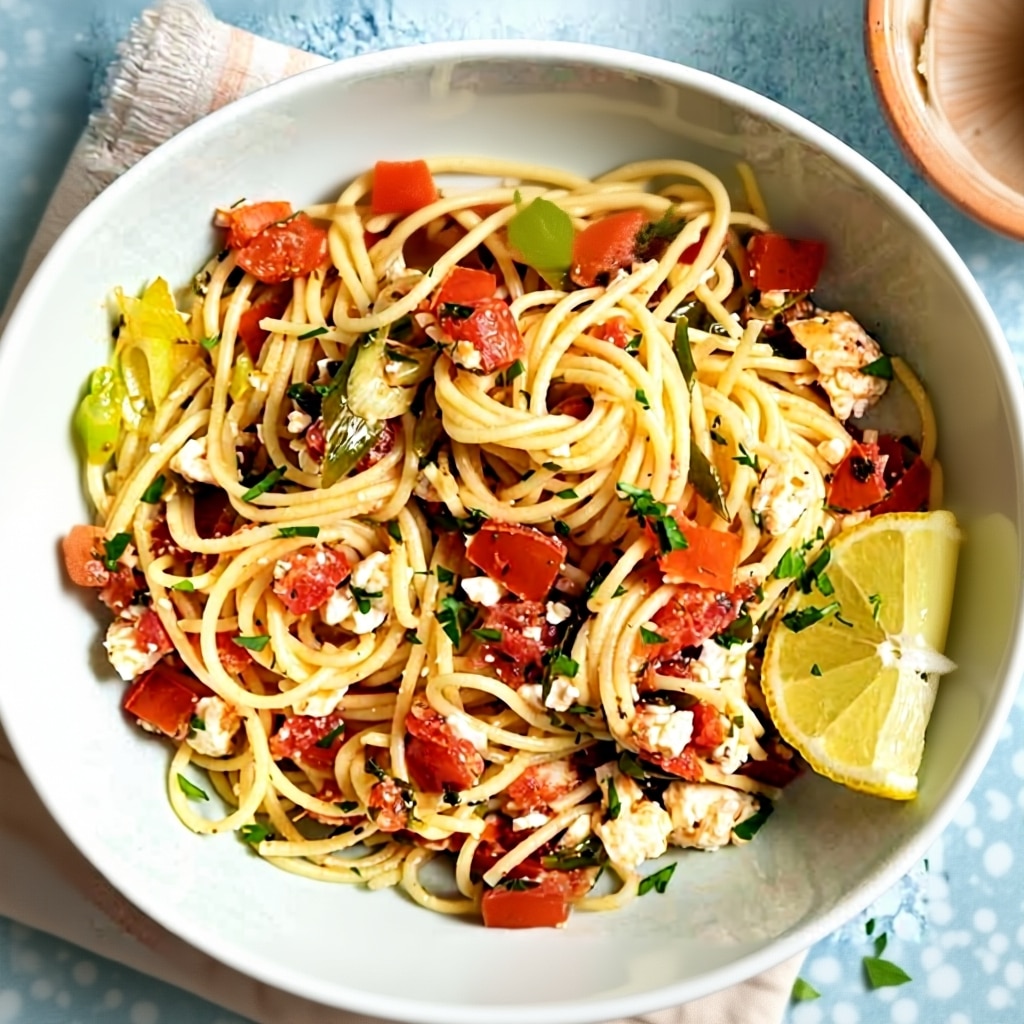
The Ultimate Greek Spaghetti: A Taste of the Mediterranean in 30 Minutes
Welcome to your new favorite weeknight dinner! Imagine a plate piled high with perfectly cooked pasta, each strand glistening with golden olive oil, tossed with a vibrant medley of sun-kissed tomatoes, briny Kalamata olives, creamy feta, and fragrant fresh herbs. This isn’t just any pasta; it’s Greek Spaghetti, a celebration of fresh, savory, and tangy Mediterranean flavors that transports you straight to the islands with every bite. The best part? This incredible meal comes together in about 30 minutes, making it the ideal 30-minute weeknight dinner. Get ready to master this simple yet sophisticated dish with our expert tips, delightful variations, and answers to all your burning questions.
What Exactly Is Greek Spaghetti?
Unlike its more robust Italian cousin, Greek Spaghetti offers a refreshing take on Greek pasta recipe, emphasizing lightness and the vibrant freshness of Mediterranean ingredients. While traditional Italian spaghetti often features rich, slow-simmered tomato or meat sauces, Greek-style pasta typically foregoes heavy sauces for a simple, yet intensely flavorful, olive oil and lemon-based dressing. This dish is characterized by its core profile: salty feta, bright lemon, briny olives, juicy tomatoes, and aromatic herbs like oregano and dill. It’s a far cry from a creamy Pastitsio or a hearty Makaronia me Kima, instead focusing on the clean, bold flavors of pasta with fresh vegetables and high-quality cheese, making it a truly unique and light pasta dish.
Why You’ll Fall in Love with This Recipe
This easy pasta recipe isn’t just delicious; it’s a culinary lifesaver for busy individuals and families seeking a wholesome meal without the fuss. Here’s why this healthy spaghetti recipe will quickly become a staple in your kitchen:
- Incredibly Fast: Ready from start to finish in under 30 minutes, it’s the perfect solution for a last-minute 30-minute weeknight dinner.
- Minimal Ingredients: Made with simple, easy-to-find pantry staples and fresh produce, proving that extraordinary flavor doesn’t require a complex shopping list.
- Healthy & Light: Packed with vegetables and healthy fats from olive oil, this dish fits perfectly into a Mediterranean diet recipe, offering guilt-free indulgence.
- Bursting with Flavor: A complex taste profile of tangy, salty, and aromatic notes, achieved with simple, fresh ingredients.
- Easily Customizable: Simple to adapt with different proteins, veggies, or cheeses, making it endlessly versatile to suit your cravings or what’s in season.
The Core Ingredients for Authentic Flavor
The beauty of Greek Spaghetti lies in the quality and harmony of its few essential components. Each ingredient plays a crucial role in building the authentic Mediterranean taste.
The Pasta: Spaghetti
While spaghetti is the classic choice, providing that familiar, comforting tangle, feel free to experiment. Linguine, angel hair, or even shorter pasta shapes like penne and rotini work wonderfully, offering a different texture to capture the light sauce.
The Fat: High-Quality Extra Virgin Olive Oil
This is the soul of the dish. A good quality extra virgin olive oil (EVOO) forms the base of the ‘sauce,’ infusing the entire dish with its fruity, peppery notes and contributing healthy fats. Don’t skimp here—it makes a difference!
The Cheese: Crumbled Feta
The star of our spaghetti with feta and tomatoes. Opt for a block of genuine sheep’s or goat’s milk feta packed in brine. It has a creamier texture and a richer, tangier flavor compared to drier, pre-crumbled varieties, delivering that quintessential Greek taste.
The Brine: Kalamata Olives
These distinctively dark, almond-shaped olives bring a unique salty, fruity, and slightly tangy flavor that is characteristic of Kalamata olive pasta. If unavailable, other good quality briny black olives could work, but Kalamata are truly best.
The Freshness: Cherry Tomatoes & Spinach
Sweet cherry tomatoes burst gently when cooked, releasing their juices to create a light, natural sauce, while vibrant spinach adds a boost of nutrients, color, and a delicate earthiness. This combination makes for a fantastic spaghetti with spinach and feta. Other greens like arugula or baby kale can be substituted.
The Aromatics: Garlic, Red Onion, and Herbs
Fresh garlic and finely diced red onion form the fragrant foundation. Classic Greek herbs such as dried oregano, fresh dill, and fresh parsley are non-negotiable for that authentic lemon herb pasta and aromatic pasta experience.
Step-by-Step Guide to Making Perfect Greek Spaghetti
Crafting this delicious Mediterranean spaghetti is remarkably straightforward. Follow these steps for an unforgettable meal.
Step 1: Cook the Pasta al Dente
Bring a large pot of water to a rolling boil. Don’t be shy with the salt; generously salting the pasta water is your first and best opportunity to season the pasta itself. Add your spaghetti and cook according to package directions until it’s perfectly al dente—tender but with a slight bite. This texture is crucial for the overall dish. Before draining, make sure to reserve at least one cup of the starchy pasta water. This pasta water is the secret ingredient that will help create a silky, emulsified sauce.
Step 2: Sauté the Aromatics and Vegetables
While the pasta cooks, heat a generous drizzle of your high-quality extra virgin olive oil in a large skillet or pan over medium heat. Add the finely diced red onion and cook until softened and translucent, about 3-4 minutes. Then, add the minced garlic and cook for another minute until fragrant, being careful not to let it brown. Next, add the cherry tomatoes to the skillet. Let them cook, stirring occasionally, until they begin to burst and release their sweet, juicy liquids, which will form a natural, light sauce base.
Step 3: Create the ‘Sauce’
Once the tomatoes have softened and burst, add the fresh spinach to the skillet. Stir gently until the spinach begins to wilt down. Now, it’s time for the magic: pour in about half a cup of the reserved starchy pasta water. The starches in the water will help emulsify the olive oil and tomato juices, creating a light, silky ‘sauce’ that will cling beautifully to your pasta. Stir in your dried oregano and a good squeeze of fresh lemon juice, tasting and adjusting seasoning as needed.
Step 4: Combine Everything
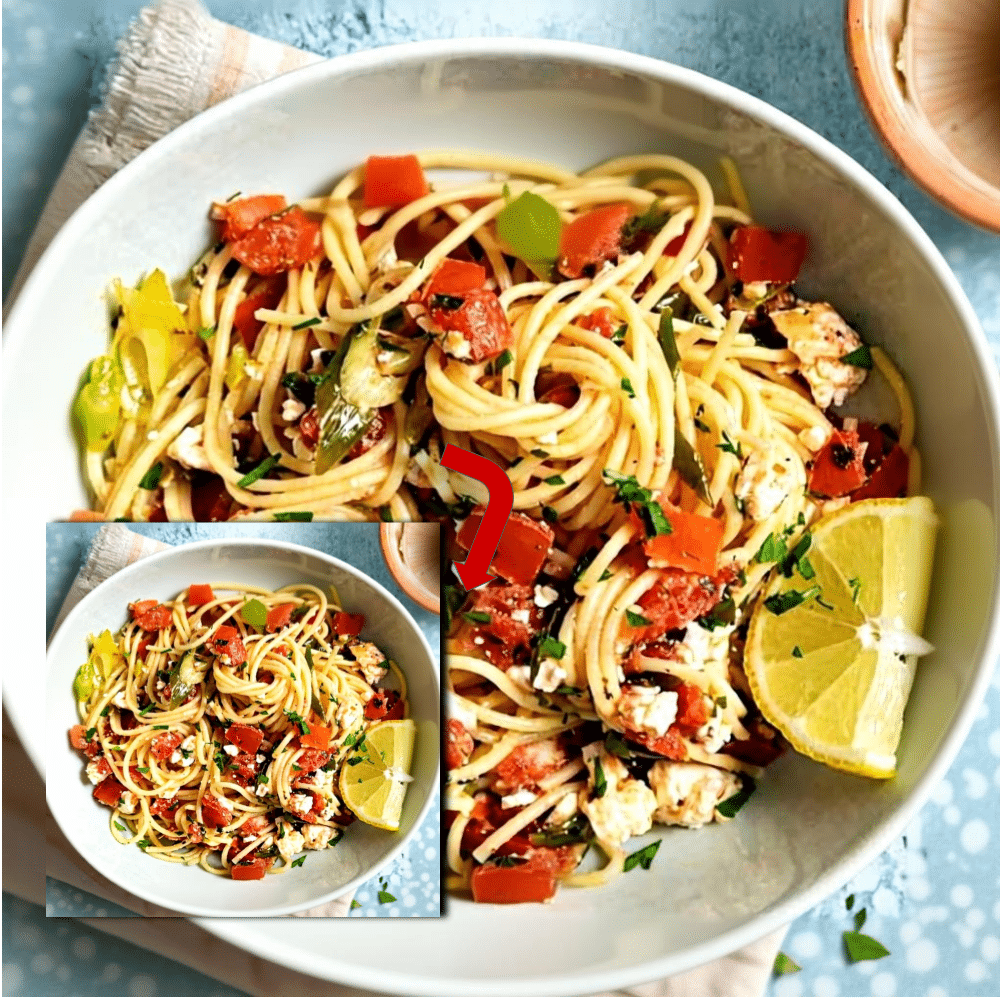
Drain the cooked spaghetti and immediately transfer it directly into the skillet with your fragrant vegetables and light sauce. Add the crumbled feta cheese and the pitted Kalamata olives. Using tongs, toss everything together gently but thoroughly, ensuring every strand of pasta is coated with the vibrant flavors. If the sauce seems too thick, add another splash of reserved pasta water until it reaches your desired consistency. Finish with a final drizzle of fresh extra virgin olive oil and a sprinkle of fresh dill or parsley. Serve your sensational Greek Spaghetti immediately!
Pro Tips from a Chef’s Kitchen
Elevate your how to make Greek spaghetti game with these expert insights:
- Don’t Skimp on Salting the Pasta Water: It’s your primary chance to season the pasta itself, which forms the foundation of the dish’s flavor.
- The Magic of Pasta Water: Always reserve more than you think you need. It’s essential for creating a silky, emulsified sauce that coats the pasta without being oily.
- Use Feta from a Block: As mentioned, block feta, especially sheep’s milk feta in brine, offers a creamier texture and superior, tangy flavor compared to dry pre-crumbled varieties.
- Finish with Freshness: A final drizzle of high-quality extra virgin olive oil, a fresh squeeze of lemon, and a generous sprinkle of fresh parsley or dill right before serving brightens all the flavors.
- Toast Your Garlic: Briefly toasting thinly sliced garlic in the olive oil before adding other ingredients mellows its sharpness and enhances its aromatic qualities.
Delicious Variations and Customizations
This versatile Greek Spaghetti recipe is wonderfully adaptable to different tastes and dietary needs, making it a perfect summer pasta recipe or year-round delight.
Adding Protein
- Greek Chicken Spaghetti: Add grilled, shredded rotisserie chicken, or pan-sear chicken breast pieces with a sprinkle of Greek seasoning.
- Greek Shrimp Spaghetti: Quickly sauté shrimp with garlic and a touch of lemon in a separate pan, then toss into the pasta at the very end.
- Vegetarian/Vegan Option: For plant-based protein, add a can of drained chickpeas or white beans. For a vegan option, swap traditional feta for a high-quality vegan feta alternative.
Bumping Up the Veggies
Enhance your pasta with fresh vegetables by incorporating other Mediterranean favorites. Consider adding roasted red peppers, marinated artichoke hearts, thinly sliced zucchini, or sun-dried tomatoes (oil-packed, drained and chopped) for extra layers of flavor and texture.
Make it a Greek Spaghetti Bake
For a heartier, oven-baked dish, transfer the finished Greek Spaghetti into a baking dish. Top with a little extra feta or a sprinkle of mozzarella, and bake at 375°F (190°C) for 15-20 minutes, or until the cheese is bubbly and lightly golden. This creates a comforting, baked one-pot Greek pasta variation.
What to Serve with Greek Spaghetti
Complete your Mediterranean feast by pairing your Mediterranean spaghetti with these delightful accompaniments:
- Salad: A simple Greek salad with crisp lettuce, cucumbers, tomatoes, red onion, and a lemon-oregano vinaigrette is ideal. A fresh cucumber and tomato salad is also excellent.
- Bread: Warm, crusty bread or garlic bread is perfect for soaking up any leftover olive oil and tomato juices.
- Protein: If not already incorporated, serve alongside grilled chicken skewers (souvlaki) or simply prepared grilled fish for a more substantial meal.
- Wine Pairing: A crisp, dry white wine like Sauvignon Blanc, Pinot Grigio, or a Greek Assyrtiko will beautifully complement the fresh, tangy flavors.
Storing and Reheating Leftovers
Leftover Greek Spaghetti can be stored in an airtight container in the refrigerator for up to 3 days. When reheating, it’s best to do so gently in a skillet over low heat. Add a splash of water or a tiny drizzle of fresh olive oil to help revive the sauce and prevent the pasta from drying out. Avoid microwaving if possible, as it can make the pasta a bit rubbery.
Frequently Asked Questions (FAQ)
What is the difference between Greek and Italian spaghetti?
The primary difference lies in the sauce base and flavor profile. Italian spaghetti often features rich, slow-simmered tomato (marinara) or meat (bolognese) sauces, which can be quite heavy. Greek Spaghetti, on the other hand, typically has a lighter, olive oil and lemon-based dressing, highlighting fresh ingredients like feta, Kalamata olives, and fresh herbs, resulting in a fresher, tangier, and often healthier profile.
Can I make this recipe ahead of time?
While components can be prepped ahead (like chopping vegetables or making the dressing), Greek Spaghetti is best enjoyed immediately after cooking for optimal texture and flavor. The sauce comes together so quickly while the pasta cooks, that it’s already a very fast easy pasta recipe.
What kind of feta is best for pasta?
For the creamiest texture and most authentic, tangy flavor in your spaghetti with feta and tomatoes, always opt for a block of sheep’s milk feta stored in brine. It’s softer and more flavorful than pre-crumbled varieties, which can often be dry and less impactful.
Is Greek spaghetti healthy?
Yes, Greek Spaghetti can be a very healthy dish. It is rich in healthy monounsaturated fats from olive oil, packed with vitamins and antioxidants from fresh vegetables like spinach and tomatoes, and fits beautifully within the principles of the Mediterranean diet recipe, known for its health benefits.
Can I use a different type of pasta?
Absolutely! While spaghetti is classic, this light and flavorful sauce works beautifully with other long pastas like linguine or fettuccine, or even shorter shapes such as penne, fusilli, or bow-tie pasta.
Conclusion: Your Go-To Weeknight Recipe
This ultimate Greek Spaghetti is more than just a meal; it’s a vibrant, fresh, and incredibly flavorful experience that proves healthy eating can be both easy and delicious. Its versatility and quick preparation make it the perfect go-to for any night of the week. So, gather your fresh ingredients, uncork a bottle of crisp white wine, and bring the sun-drenched flavors of the Mediterranean into your home. We encourage you to try this recipe tonight and share your experience in the comments below!
For more daily recipes and tips, follow us on Facebook!
Click here to join our community!