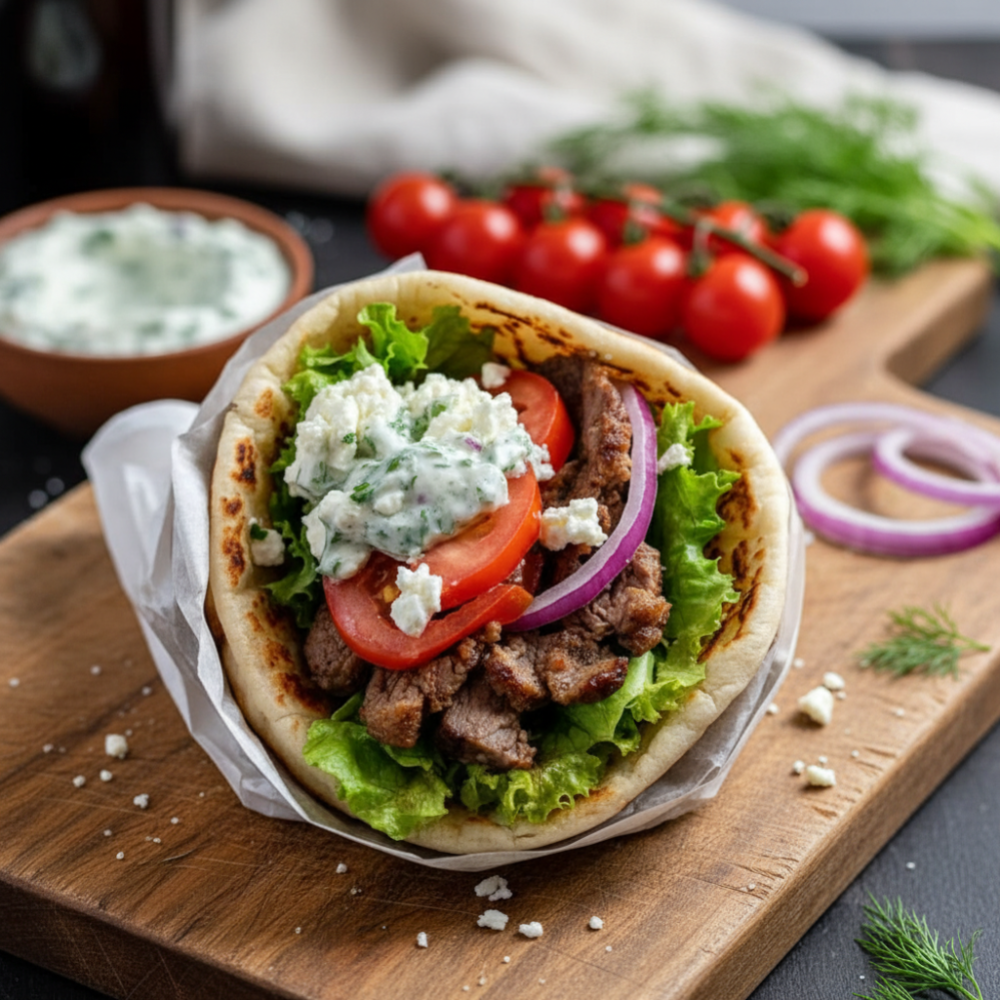
Authentic Greek Beef Gyros Recipe
Introduction
There’s a certain magic that comes with Greek street food, a vibrant dance of flavors that transports you straight to the bustling markets of Athens or the sun-drenched shores of the Aegean. And perhaps no dish embodies this spirit more perfectly than the gyro. While the idea of creating this beloved classic at home might seem daunting, I’m here to tell you it’s not just possible, but surprisingly straightforward. Forget waiting in line or settling for takeout; with this guide, you’re about to unlock the secrets to crafting an authentic, mouthwatering homemade gyro meat that will impress everyone at your table.
Making a truly great gyro from scratch is more than just cooking; it’s an experience. It’s about bringing together fresh ingredients, aromatic spices, and a little bit of love to create a dish that’s bursting with Mediterranean charm. You’ll be amazed at how easily you can replicate those iconic flavors and textures, making this Greek Gyros Recipe your new go-to for an incredibly satisfying and flavorful meal.
What is a Greek Gyro?
At its heart, a gyro is a marvel of culinary engineering: seasoned meat cooked slowly on a vertical rotisserie, then shaved thin and tucked into warm pita bread with an array of fresh toppings and a generous dollop of creamy tzatziki. The name “gyro” itself, pronounced “yee-roh,” comes from the Greek word “γύρος” (gýros), meaning “turn” or “revolution,” a nod to the rotating spit on which the meat is traditionally cooked. This slow, continuous rotation ensures the meat cooks evenly, sealing in juices and developing incredible flavor and a slight char on the exterior.
While the iconic vertical rotisserie is a hallmark of traditional gyro stands, don’t worry – we’ll achieve similar sensational results right in your home kitchen without any fancy equipment. The beauty of gyros lies in their versatility and the satisfying combination of savory, tangy, and fresh elements. You’ll often find gyros made with lamb, chicken, or a blend of meats, but today, we’re focusing on a robust and incredibly flavorful beef version that’s hearty and utterly delicious.
Key Ingredients for Beef Gyros
Creating an outstanding gyro starts with selecting the right ingredients. Each component plays a vital role in building that classic, irresistible flavor profile.
- Choosing the Right Beef: For a succulent and flavorful homemade gyro meat, I highly recommend using ground beef gyro with an 80/20 lean-to-fat ratio. The fat content is crucial here; it keeps the meat moist and tender as it cooks, preventing it from drying out. While some recipes might call for sliced beef, using ground beef allows us to create that wonderfully cohesive and finely textured meat that’s characteristic of traditional gyros, even without a rotisserie.
- The Essential Spices: This is where the magic happens! A blend of dried oregano, cumin, smoked paprika, garlic powder, onion powder, and a touch of cayenne pepper for a subtle kick will infuse your beef with an authentic Mediterranean aroma. Salt and black pepper are, of course, non-negotiable for enhancing all these wonderful flavors.
- Fresh Toppings: A gyro wouldn’t be complete without its vibrant accompaniments. Crisp shredded lettuce, juicy ripe tomatoes, thinly sliced red onion, and crumbled feta cheese add essential freshness, crunch, and tang. Don’t skimp on these; they provide a crucial balance to the rich meat.
- The Perfect Pita and Tzatziki: A soft, warm, and pliable pita bread is the vessel for our delicious filling. Seek out traditional Greek-style pita if you can find it, as it tends to be thicker and chewier than other varieties. And finally, the indispensable creamy, garlicky, cucumber-laced tzatziki sauce. While store-bought tzatziki can work in a pinch, making it fresh at home takes your gyro from great to absolutely extraordinary. It’s surprisingly simple and well worth the extra few minutes!
Step-by-Step Cooking Instructions
1. Preparing the Beef
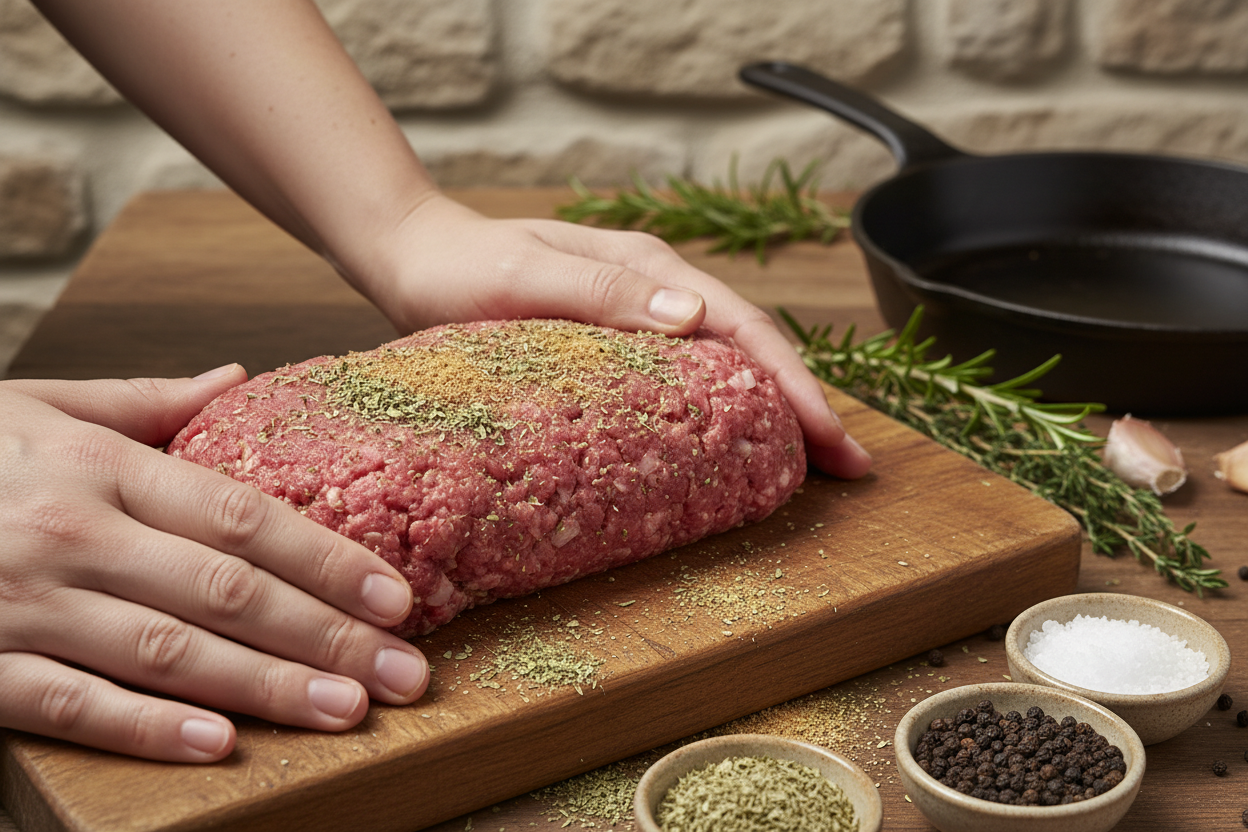
This initial stage is vital for developing the signature texture and flavor of our homemade gyro meat. It’s all about creating a well-bound, seasoned “loaf” that will cook beautifully.
- In a large mixing bowl, combine 2 pounds of 80/20 ground beef with 2 tablespoons of dried oregano, 1 tablespoon of ground cumin, 1 teaspoon of smoked paprika, 1 teaspoon of garlic powder, 1 teaspoon of onion powder, 1/2 teaspoon of cayenne pepper (optional, for a little heat), 1.5 teaspoons of salt, and 1 teaspoon of freshly ground black pepper.
- Using your hands, thoroughly mix the spices into the ground beef. The key here is to mix it *really* well, almost as if you’re kneading dough. This helps to break down the meat proteins and create a cohesive, denser texture similar to traditional gyro meat that’s been pressed. Continue mixing for 3-5 minutes until the mixture is very pasty and sticky. This is crucial for achieving that authentic, sliceable texture.
- Once thoroughly mixed, form the seasoned beef into a tight, compact loaf shape, roughly 8-10 inches long and 3-4 inches wide. Ensure it’s as dense as possible to prevent crumbling during cooking.
- Wrap the beef loaf tightly in plastic wrap, pressing out any air. Refrigerate for at least 2 hours, or ideally overnight. Chilling helps the flavors meld and, more importantly, firm up the meat, making it easier to handle and slice later.
2. Grilling the Meat
Now it’s time to cook our beautifully seasoned beef to perfection, developing that irresistible savory crust. This method works wonderfully on a grill pan, outdoor grill, or even a heavy-bottomed skillet.
- Preheat your grill or a large cast-iron skillet over medium-high heat. If using a skillet, add a tablespoon of olive oil.
- Carefully unwrap the chilled beef loaf and place it directly onto the hot grill or skillet. Cook for about 10-12 minutes on each side, turning occasionally, until a deep golden-brown crust forms on all sides. You want good char marks and a well-cooked exterior.
- Reduce the heat to medium-low, cover (if using a skillet, or move to a cooler part of the grill), and continue cooking for another 20-30 minutes, turning every 5-7 minutes, until the internal temperature reaches 160°F (71°C). This slower cooking ensures the interior is cooked through without drying out the exterior. For extra tenderness, some grilled beef recipes advocate for a slightly longer, gentler cook after the initial sear.
- Once cooked, remove the beef loaf from the heat and transfer it to a cutting board. Let it rest for at least 10 minutes. Resting is critical; it allows the juices to redistribute, ensuring your homemade gyro meat remains moist and tender when sliced.
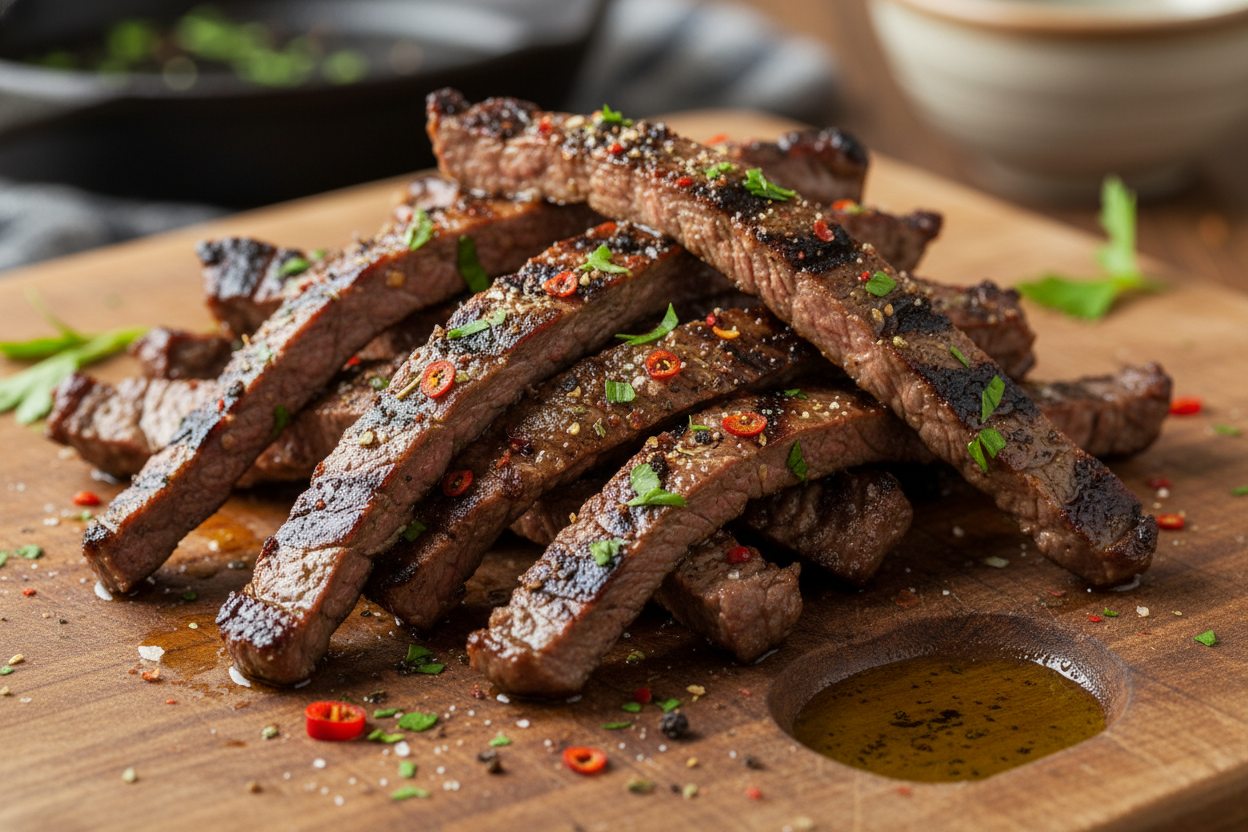
- After resting, use a very sharp knife to thinly slice the beef loaf against the grain, mimicking the shaved texture of traditional rotisserie meat. Aim for slices that are as thin as possible for the best gyro experience.
3. Assembling the Gyro
This is where all our hard work comes together! The art of assembly is key to a balanced and delicious gyro pita sandwich.
- Warm the Pita Bread: Gently warm your pita bread. You can do this on a dry skillet over medium heat for about 30 seconds per side until soft and pliable, or wrap them in foil and warm in a low oven (300°F/150°C) for 5-7 minutes.
- Layering the Flavors: Lay a warm pita flat. Spread a generous spoonful of homemade tzatziki sauce across the center.
- Add the Meat: Pile a generous portion of your thinly sliced homemade gyro meat on top of the tzatziki.
- Fresh Toppings: Next, add your fresh toppings: a sprinkle of shredded lettuce, a few slices of ripe tomato, a scattering of thinly sliced red onion, and a crumble of feta cheese.
- Fold and Serve: Fold the bottom of the pita up slightly, then fold in the sides to create a neat, handheld package. Serve immediately and enjoy the incredible flavors you’ve created!
Pro Tips for the Best Gyros
- Using a Food Processor for Authentic Meat Texture: For an even finer, more traditional gyro meat texture, after mixing the ground beef and spices, briefly pulse the mixture in a food processor. Do this in batches to avoid over-processing. This step helps further break down the meat and create that incredibly smooth, cohesive texture you find in authentic street food gyros. It’s a game-changer!
- Making Homemade Tzatziki Ahead of Time: Your tzatziki sauce will taste even better if made several hours or even a day in advance. This allows the flavors of the cucumber, garlic, dill, and yogurt to meld beautifully. Store it in an airtight container in the refrigerator until ready to use.
- Keeping the Pita Soft and Pliable: To prevent your pita from tearing or becoming stiff, always warm it just before assembling your gyros. If you have many to serve, wrap them in a clean kitchen towel after warming to keep them soft and steamy.
Serving Suggestions and Side Dishes
A true gyro experience is often accompanied by delightful side dishes that complete the meal, making for an unforgettable easy Mediterranean dinner.
- Greek Salad Pairing: A fresh and vibrant Greek salad (Horiatiki) is the quintessential accompaniment. Its crisp cucumbers, juicy tomatoes, Kalamata olives, red onion, bell peppers, and block of feta, all dressed simply with olive oil and red wine vinegar, offer a refreshing counterpoint to the rich beef gyro.
- Lemon Potatoes or Seasoned Fries: For a more substantial meal, classic Greek lemon potatoes, roasted until tender with a tangy lemon-oregano glaze, are a fantastic choice. Alternatively, a serving of crispy seasoned fries, perhaps sprinkled with a little feta and oregano, offers that classic street food vibe.
Frequently Asked Questions (FAQs)
-
Can I make the meat ahead of time?
Absolutely! You can prepare the seasoned beef loaf and chill it for up to 2 days before cooking. Once cooked and sliced, the homemade gyro meat can be stored in an airtight container in the refrigerator for 3-4 days. This makes it perfect for meal prep!
-
What is the best way to reheat leftover gyro meat?
To keep the meat tender and flavorful, gently reheat it in a skillet over medium-low heat with a tiny splash of water or beef broth. Cover the skillet to create some steam. This helps prevent it from drying out. You can also briefly warm it in the microwave, but be careful not to overcook it.
-
Are these gyros gluten-free?
The beef itself is naturally gluten-free. The main gluten component is the pita bread. To make these gyros gluten-free, simply use your favorite gluten-free pita bread. Ensure your tzatziki sauce (if store-bought) doesn’t contain any hidden gluten ingredients.
There you have it – your ultimate guide to creating an authentic, flavorful homemade gyro meat that rivals any Greek eatery. This easy Mediterranean dinner will become a staple in your kitchen, bringing the vibrant tastes of Greece right to your home. Don’t be shy; dive in and enjoy the process of making this incredible dish!
For more delicious recipes, cooking tips, and behind-the-scenes peeks at our culinary adventures, make sure to follow our Facebook page! You can find us at https://www.facebook.com/profile.php?id=61568538666337. We love sharing our passion for food with you!
Homemade Greek Beef Gyros
Ingredients
- 1.5 lbs Ground beef 80/20 blend preferred
- 6 pieces Pita bread
- 1 cup Lettuce shredded
- 2 medium Tomatoes sliced
- 0.5 medium Red onion sliced thinly
- 0.5 cup Feta cheese crumbled
- 1 cup Tzatziki sauce
- 3 cloves Garlic minced
- 1 tbsp Dried oregano
- 1 tsp Ground cumin
- 1 tbsp Olive oil
Instructions
- In a large bowl, combine the ground beef, minced garlic, oregano, cumin, and olive oil, mixing until a paste-like consistency is formed.
- Form the seasoned meat mixture into a tightly packed loaf or individual thick patties.
- Preheat the grill to medium-high heat.
- Grill the beef patties for 5 to 7 minutes per side until fully cooked and beautifully charred.
- Remove the beef from the grill, let it rest for 5 minutes, then slice it into thin strips.
- Warm the pita bread on the grill or in a dry skillet for 1 minute per side.
- Spread tzatziki sauce generously on each warm pita.
- Layer the sliced beef, shredded lettuce, sliced tomatoes, red onions, and crumbled feta cheese onto the pita, then fold and serve.
For more daily recipes and tips, follow us on Facebook!
Click here to join our community!