Ultimate Grated Cheese Guide: Techniques, Tools, and Recipes
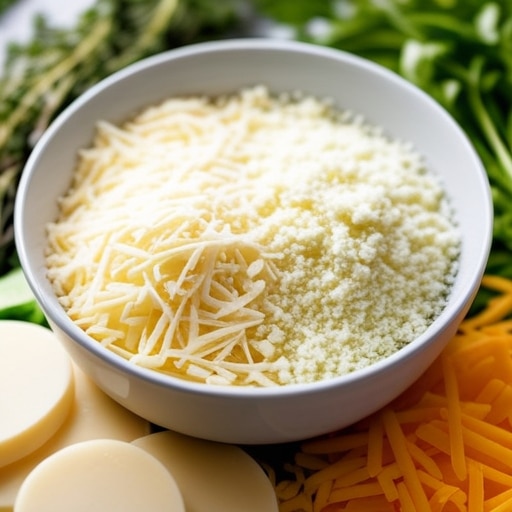
There’s a secret ingredient that can transform a good dish into a truly unforgettable one: freshly grated cheese. While convenient pre-shredded bags have their place, the superior flavor, texture, and melting quality of cheese grated right off the block are simply unparalleled. This comprehensive Grated Cheese Guide will equip you with all the knowledge you need, from choosing the best tools and mastering grating techniques to smart storage solutions and inspiring culinary applications. Get ready to elevate your home cooking and discover the magic of truly fresh cheese, complete with a delicious Cheesy Beef Pasta Bake recipe.
Why Grate Your Own Cheese?
Once you experience the difference, you’ll understand why taking a few extra moments to grate your own cheese is a game-changer. It’s not just about tradition; it’s about a superior culinary outcome that factory-shredded options simply can’t match.
Flavor Profile
The moment cheese is cut, it begins to oxidize and lose some of its nuanced flavor and aroma. Pre-shredded cheese, exposed to air for longer, often tastes less vibrant. Grating cheese just before use ensures you’re getting the full, robust flavor intended by the cheesemaker. This is a significant advantage of fresh vs pre-shredded cheese, offering a richer, more complex taste in every bite.
Melting Quality
Pre-shredded cheeses often melt into a clumpy, greasy mess due to anti-caking agents in cheese, like cellulose or potato starch. These agents prevent clumping in the bag but interfere with the cheese’s natural melting properties, leading to a less desirable texture in sauces, pizzas, and gratins. Freshly grated cheese melts beautifully, forming smooth, creamy sauces and perfectly gooey layers.
Cost Efficiency
Per ounce, block cheese is almost always more economical than its pre-shredded counterpart. The upfront cost of a large block might seem higher, but you’ll find that you get significantly more cheese for your money in the long run. This makes block cheese a smart choice for budget-conscious home cooks who still prioritize quality.
Health Aspects
When you grate your own cheese, you know exactly what you’re getting: pure cheese. By avoiding pre-shredded varieties, you skip the added starches, preservatives, and cellulose. For those mindful of their intake, this provides a cleaner, more natural product, aligning with a desire for whole, unprocessed foods in your diet.
Choosing the Right Grater
The world of cheese graters is surprisingly diverse, and having the right tool for the job can make all the difference. Matching your grater to the type of cheese and desired texture is a key cheese grating hack.
Box Grater
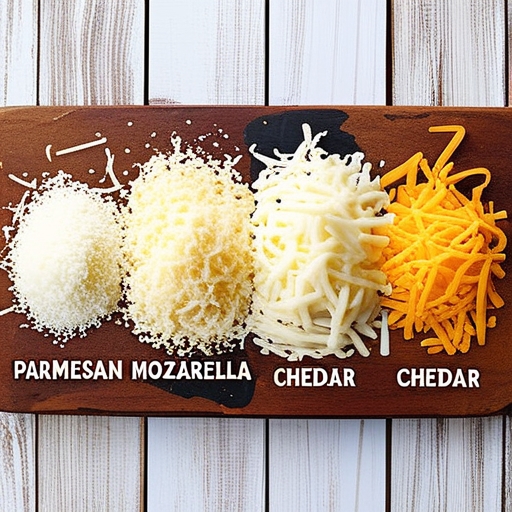
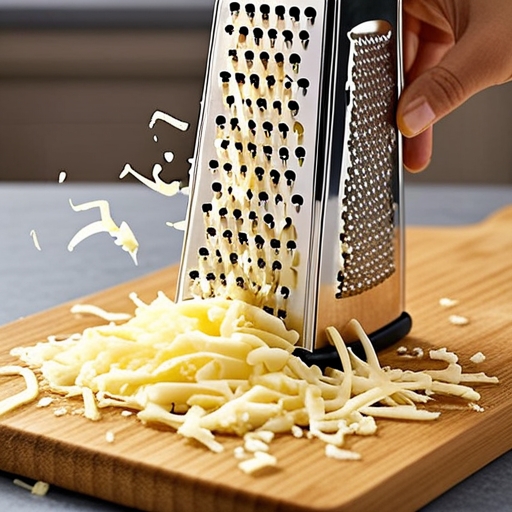
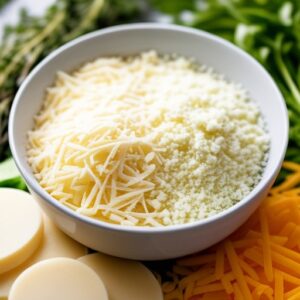
The trusty box grater is a kitchen workhorse and the most versatile tool for home cooks. With multiple grating surfaces (coarse, medium, fine, and slicing), it’s ideal for quickly shredding semi-hard cheeses like Cheddar, Monterey Jack, and Mozzarella. The coarse side is perfect for creating substantial shreds for tacos or casseroles, while the medium side yields finer results for topping salads. It’s one of the best cheese for grating with everyday box grater uses.
Microplane/Rasp Grater
For hard, dense cheeses like Parmesan, Pecorino Romano, or even nutmeg and citrus zest, a microplane or rasp grater is indispensable. Its ultra-sharp holes produce incredibly fine, fluffy piles of cheese that melt instantly and disperse evenly, lending intense flavor without clumping. It’s the ultimate tool for a delicate finish on pasta or a rich soup.
Rotary Grater
A rotary grater is a fantastic option for safely grating smaller pieces of firm cheese, particularly at the table. Its design allows you to hold the cheese and turn a crank, pushing the cheese against a drum grater. This keeps fingers safe and is a comfortable choice for continuous grating, especially for Parmesan over a bowl of spaghetti.
Food Processor
When you need a large quantity of shredded cheese for a big batch recipe, a food processor with a shredding disc is your best friend. It transforms a block of cheese into piles of perfectly even shreds in seconds, saving significant time and effort. This is particularly useful for meal prep or recipes requiring substantial amounts of cheddar or mozzarella.
Mastering the Technique: Tips & Tricks
Grating cheese might seem straightforward, but a few professional cheese grating hacks can make the process smoother, safer, and more efficient, ensuring you get the best results every time.
Temperature Matters
Cheese temperature impacts grating ease. For softer, stickier cheeses like fresh mozzarella or provolone, a brief chill can work wonders. Place the cheese in the freezer for about 15-30 minutes before grating. This firms up the cheese, making it less pliable and much easier to shred cleanly without clumping. This trick is invaluable when dealing with hard vs soft cheese grating, especially with the latter.
Lubrication
To prevent sticking, lightly spray the grater’s surface with a neutral cooking oil or wipe it with a flavorless oil. This creates a non-stick barrier, allowing the cheese to pass through more freely and making cleanup much easier.
Safety First
Protecting your fingers and knuckles is paramount. Always grate with care, keeping your hand away from the sharp blades. Many box graters and food processors come with guard attachments; use them when available. As you near the end of a block, consider using a cut-resistant glove or a fork to hold the last piece of cheese, preventing accidental scrapes.
Storage Solutions for Grated Cheese
While freshly grated cheese is best consumed immediately, sometimes you’ll have leftovers or want to prep ahead. Knowing the proper shredded cheese storage methods will help maintain its quality and extend its life.
Refrigerator
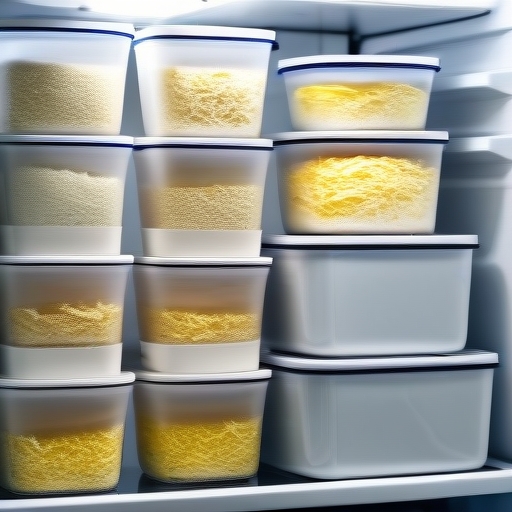
Freshly grated cheese keeps for 3 to 5 days when stored properly in the refrigerator. The key is to minimize air exposure. Store it in an airtight container or a resealable plastic bag, pressing out as much air as possible before sealing. This prevents it from drying out and absorbing odors from other foods.
Freezer Hacks
Yes, you can freeze grated cheese! This is an excellent way to extend its shelf life for several months. For best results, especially with semi-hard cheeses like cheddar or mozzarella, toss the grated cheese with a pinch of cornstarch or flour (about 1 teaspoon per pound of cheese) before freezing. This prevents the individual shreds from clumping together. Spread it in a single layer on a baking sheet to flash freeze for an hour, then transfer to a freezer-safe bag or container. This is a crucial freezing grated cheese hack.
Signs of Spoilage
Always inspect your cheese before use. Signs of spoilage include visible mold (which can spread beyond what you see), a sour or unpleasant odor, or a noticeably slimy texture. While some hard cheeses can have small mold spots cut off, it’s generally best to discard grated cheese showing these signs, especially if it’s a softer variety.
Culinary Applications
The versatility of grated cheese knows no bounds, making it a staple in countless dishes. From gooey melted layers to delicate garnishes, here are some of the most popular culinary uses for shredded cheese.
Melting
Grated cheese is the star of many melted dishes. Uniform shreds ensure even melting, creating rich, creamy textures. Think beyond nachos and casseroles; use it to thicken and enrich sauces, create a bubbling topping for gratins, or blend into a béchamel for the ultimate macaroni and cheese. These are essential melting cheese tips for maximizing flavor and texture.
Garnishing
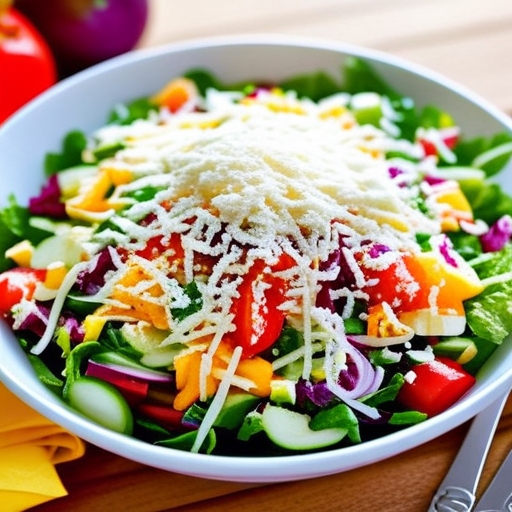
A sprinkle of freshly grated cheese can elevate almost any dish. Finely grated Parmesan or Pecorino is the perfect finishing touch for pasta dishes, soups, and risottos, adding a pungent, salty kick. Coarser shreds of cheddar or Monterey Jack are wonderful for garnishing salads, chili, or baked potatoes, providing textural contrast and a burst of flavor.
Baking
Don’t underestimate grated cheese in baking! It’s fantastic for creating a crispy, golden crust on savory pies, quiches, or breadsticks. One delightful application is making “frico”—thin, crispy cheese wafers formed by baking small piles of finely grated hard cheese until golden and crisp. These can be molded into cups or bowls for elegant appetizers or simply enjoyed as a savory snack.
Featured Recipe: Cheesy Beef Pasta Bake
This hearty and comforting Cheesy Beef Pasta Bake is the perfect canvas to showcase the irresistible quality of freshly grated cheese. The melty Mozzarella and sharp Parmesan combine with savory ground beef and tender pasta for a truly satisfying meal that your whole family will adore. Using cheese grated straight from the block ensures a beautifully smooth, gooey texture that pre-shredded varieties simply can’t replicate.
Ingredients:
- 1 tbsp olive oil
- 1 lb ground beef
- 1 large onion, chopped
- 2 cloves garlic, minced
- 1 (28 oz) can crushed tomatoes
- 1 (15 oz) can tomato sauce
- 1 tsp dried oregano
- 1/2 tsp dried basil
- Salt and freshly ground black pepper to taste
- 12 oz pasta (e.g., penne, ziti, rigatoni), cooked al dente
- 2 cups freshly grated Mozzarella cheese, divided
- 1 cup freshly grated Parmesan cheese, divided
- 1/2 cup ricotta cheese (optional, for extra creaminess)
- Fresh parsley, chopped, for garnish
Instructions:
- Preheat oven to 375°F (190°C). Lightly grease a 9×13 inch baking dish.
- Heat olive oil in a large skillet or Dutch oven over medium heat. Add ground beef and cook, breaking it apart with a spoon, until browned. Drain any excess fat.
- Add chopped onion to the skillet and cook until softened, about 5-7 minutes. Stir in minced garlic and cook for another minute until fragrant.
- Pour in crushed tomatoes, tomato sauce, oregano, basil, salt, and pepper. Bring to a simmer, then reduce heat to low, cover, and let it cook for at least 15-20 minutes to allow flavors to meld.
- In a large bowl, combine the cooked pasta with the beef and tomato sauce. If using, stir in the ricotta cheese until well combined.
- Spread half of the pasta mixture into the prepared baking dish. Sprinkle with 1 cup of grated Mozzarella and 1/2 cup of grated Parmesan.
- Top with the remaining pasta mixture. Finish with the remaining 1 cup of grated Mozzarella and 1/2 cup of grated Parmesan.
- Bake for 25-30 minutes, or until bubbly and the cheese is melted and lightly golden.
- Let stand for 5-10 minutes before serving. Garnish with fresh parsley.
Frequently Asked Questions (FAQ)
Can I grate soft cheese like Brie?
While generally easier to grate hard or semi-hard varieties, you can grate softer cheeses like Brie or goat cheese with a little trick. Place the cheese in the freezer for about 20-30 minutes beforehand. This firms up the cheese just enough to make it manageable with a box grater’s coarse side. However, due to its high moisture content, it won’t produce individual shreds as cleanly as harder cheeses, and it’s best used immediately after grating.
How long does freshly grated cheese last?
Freshly grated cheese typically lasts for 3 to 5 days when stored properly in the refrigerator. To maximize its shelf life, keep it in an airtight container or a resealable bag with as much air removed as possible. For longer storage, you can freeze grated cheese for up to 3-4 months. Make sure to toss it with a small amount of cornstarch before freezing to prevent clumping.
Is pre-shredded cheese bad for you?
Pre-shredded cheese isn’t necessarily “bad” for you, but it often contains added ingredients like cellulose or potato starch as anti-caking agents, and sometimes preservatives. These additives are generally recognized as safe for consumption but can affect the cheese’s flavor, melting quality, and overall texture. For the purest taste and best culinary results, especially where smooth melting is desired, opting for fresh vs pre-shredded cheese is usually the superior choice.
Cheesy Beef Pasta Bake
Ingredients
- 1 lb Lean ground beef
- 12 oz Rigatoni or Penne pasta uncooked
- 24 oz Marinara sauce jarred or homemade
- 1 tablespoon Olive oil
- 1 medium Yellow onion finely chopped
- 2 cloves Garlic minced
- 2 cups Mozzarella cheese freshly grated (from block)
- 1 cup Parmesan cheese freshly grated
- 1 teaspoon Italian seasoning
- 1/2 teaspoon Salt plus more for pasta water
- 1/4 teaspoon Black pepper
Instructions
- Preheat your oven to 375°F (190°C) and lightly grease a 9x13 inch baking dish.
- Bring a large pot of salted water to a boil. Cook the rigatoni according to package instructions for al dente texture. Drain and set aside.
- While the pasta cooks, heat the olive oil in a large skillet over medium-high heat. Add the chopped onion and sauté for 3-4 minutes until softened.
- Add the lean ground beef to the skillet. Cook, breaking it apart with a wooden spoon, until fully browned and no pink remains.
- Stir in the minced garlic, Italian seasoning, salt, and black pepper. Cook for another minute until fragrant.
- Pour the marinara sauce into the skillet with the beef mixture. Simmer for 5 minutes to allow flavors to meld.
- In a large bowl (or directly in the baking dish if large enough), combine the cooked pasta and the meat sauce. Toss until the pasta is evenly coated.
- Transfer the mixture to the prepared baking dish. Spread it out into an even layer.
- Top evenly with the freshly grated Mozzarella and Parmesan cheese.
- Bake for 20-25 minutes, or until the cheese is bubbly and slightly golden brown.
- Let the dish rest for 5 minutes before serving to allow the sauce to set slightly.
For more daily recipes and tips, follow us on Facebook!
Click here to join our community!