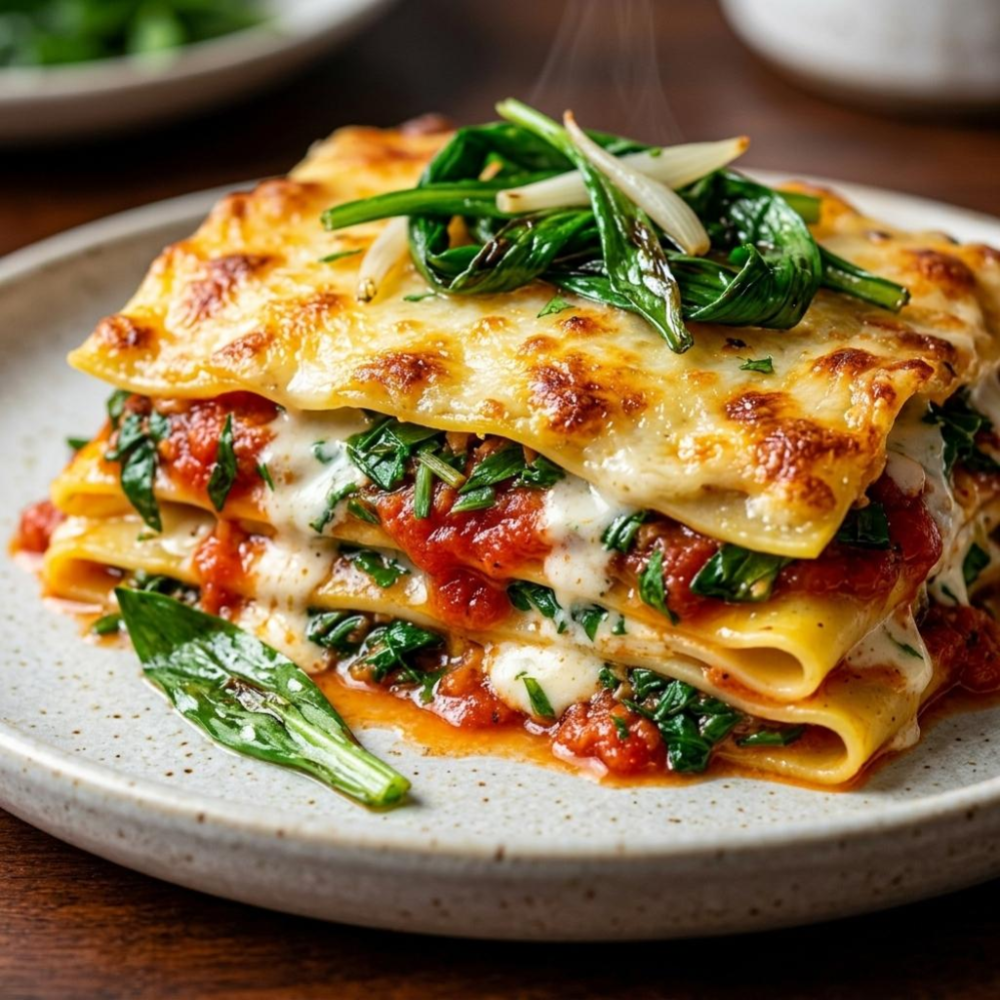
There are few dishes that evoke the warmth and comfort of home quite like a beautifully constructed lasagna. And when we talk about creating the ultimate version of this beloved classic, turning to a master chef like Gordon Ramsay for inspiration is always a good idea. His approach to this layered pasta dish is a testament to the power of quality ingredients and meticulous technique, transforming simple components into a truly spectacular meal. Get ready to embark on a culinary journey to create an authentic Italian comfort food experience right in your own kitchen with this incredible Gordon Ramsay Lasagna. We’ll dive deep into the secrets behind each delicious layer, ensuring your efforts yield a truly unforgettable dish that will have everyone asking for seconds.
Why This Lasagne Al Forno Works
What makes a truly exceptional lasagne al forno recipe stand head and shoulders above the rest? It boils down to a harmonious balance of texture and flavor, achieved through carefully crafted layers. This rendition focuses on two fundamental pillars: an intensely flavored, rich beef ragu and a silky, creamy bechamel sauce. These two elements, when brought together with perfectly cooked pasta sheets and a generous hand with cheese, create a symphony of savory delights that is both hearty and refined.
The beauty of a well-made lasagna lies in its depth. Each forkful offers a medley of tastes – the robust umami from the slow-cooked beef, the delicate sweetness of the tomato, the nutty warmth of the béchamel, and the satisfying chew of the pasta, all brought together by the tangy richness of melted cheese. It’s a dish that rewards patience and attention to detail, promising a culinary experience that transcends the ordinary.
The Secret to a Perfect Rich Beef Ragù
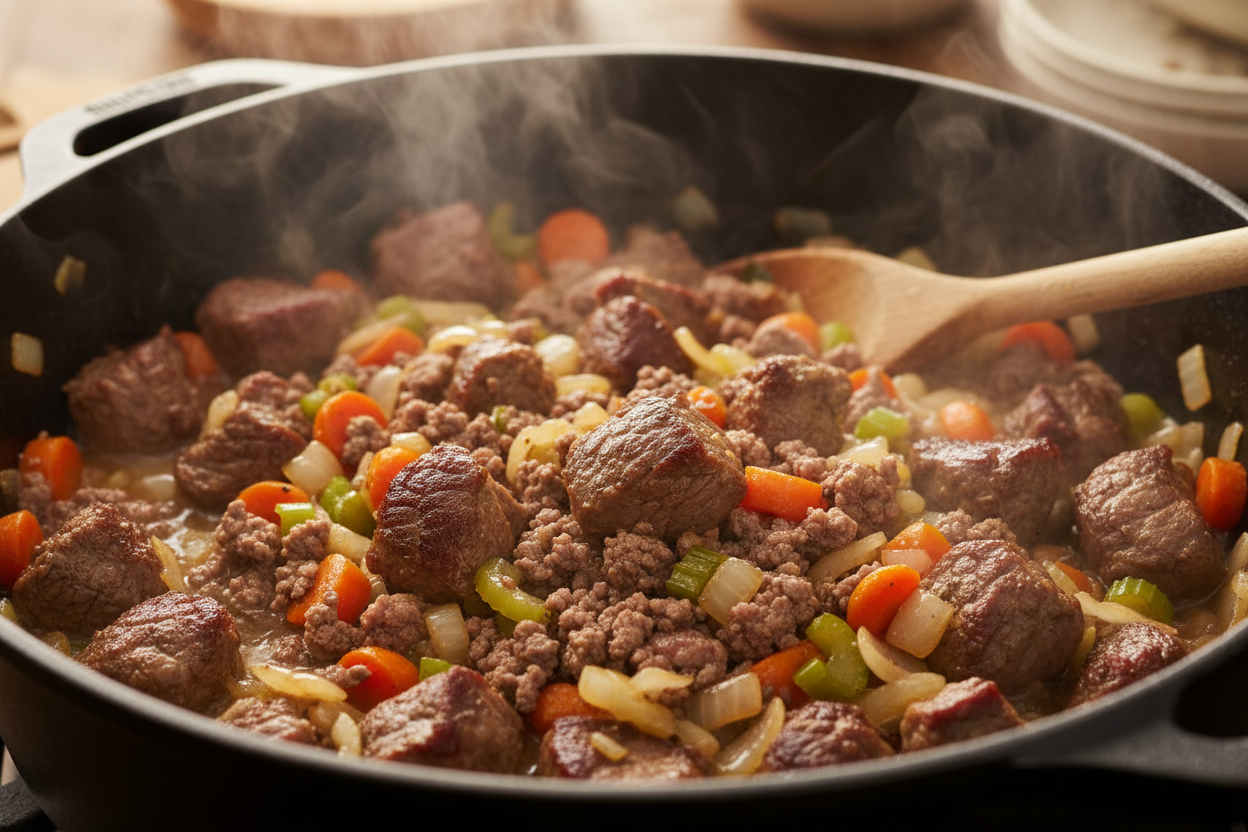
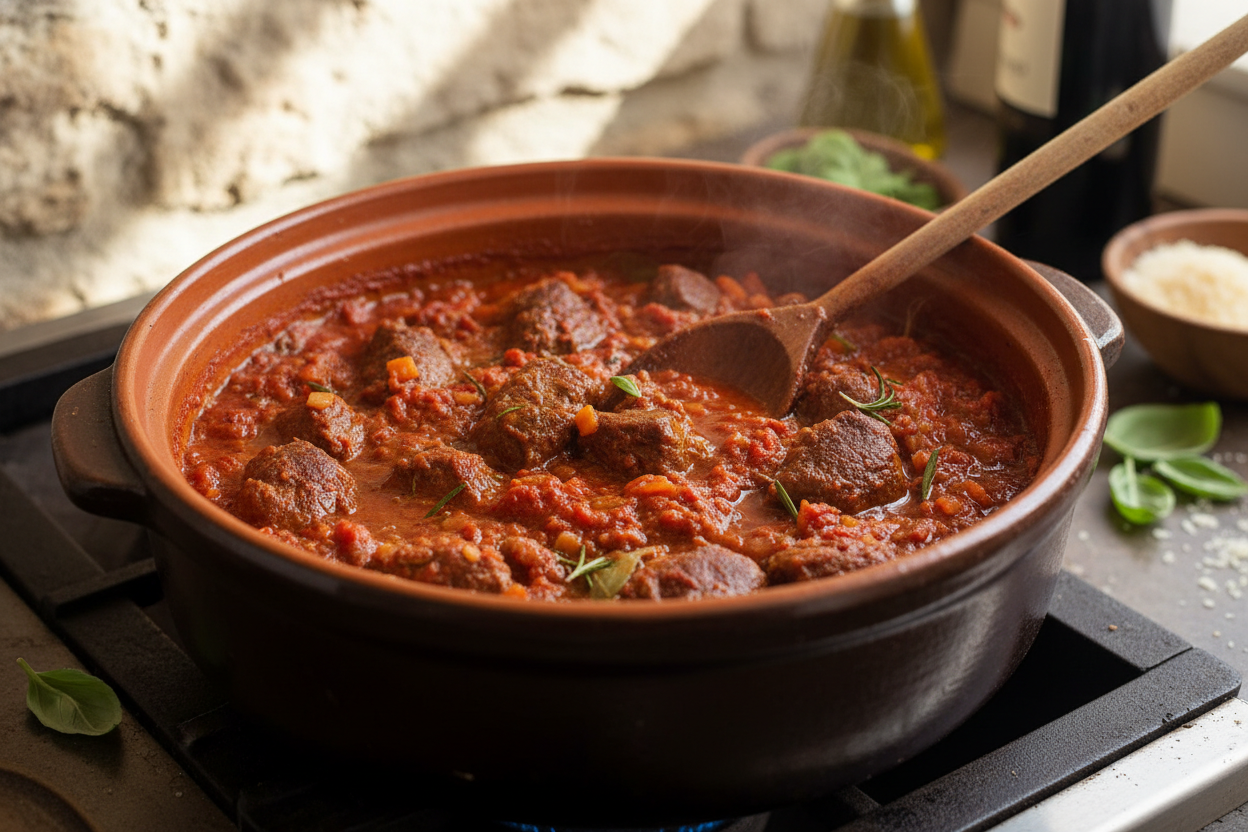
The ragù is the heart and soul of any great Italian lasagna, and a truly rich beef ragu demands time and quality ingredients. It’s not just about browning meat; it’s about building layers of flavor that will simmer and meld into a deeply satisfying sauce. We start with quality ground beef, aiming for a mix that has a good fat content to render flavor. The magic begins with a classic soffritto – finely diced onions, carrots, and celery – slowly sweated until translucent and sweet. This aromatic base is crucial for imparting foundational flavor.
Next, we introduce the beef, browning it thoroughly to develop a rich, caramelized crust. A splash of red wine is essential here, not just for its flavor but also to deglaze the pan, scraping up all those flavorful bits. Then comes the tomato component – a mix of crushed tomatoes, tomato paste for concentrated sweetness, and a touch of beef broth or water to thin it down. A bay leaf, a sprig of fresh thyme or rosemary, and a pinch of nutmeg can elevate the sauce further. The real secret? Simmering. A low and slow simmer for at least 2-3 hours, or even longer, allows the flavors to deepen and the meat to become incredibly tender. This patient cooking process is what transforms simple ingredients into an extraordinary sauce.
Crafting the Creamy Béchamel Sauce
While the ragù provides the robust backbone, the creamy bechamel sauce offers a delicate counterpoint, adding moisture, richness, and a beautifully smooth texture to the lasagna. Often underestimated, a well-made béchamel is a game-changer. It starts with a roux – equal parts butter and flour cooked together until lightly golden and fragrant. This acts as the thickening agent.
Slowly, warm milk is whisked into the roux, preventing lumps and creating a smooth, velvety sauce. The key is to keep whisking constantly as it gently simmers and thickens. Seasoning is simple but important: a pinch of salt, a crack of black pepper, and crucially, a grating of fresh nutmeg. Nutmeg beautifully complements the dairy and adds a subtle warmth. A classic béchamel should be thick enough to coat the back of a spoon but still pourable. Don’t rush this step; a perfectly smooth and well-seasoned béchamel is essential for that signature lasagna creaminess.
Ingredient Notes and Meat Substitutions
While the classic components are fantastic as is, understanding your ingredients and knowing how to adapt them can personalize your cooking experience.
Selecting the Right Beef for Your Ragù
For your rich beef ragu, the choice of beef makes a significant difference. While lean ground beef is often chosen for health reasons, a slightly higher fat content (around 80/20) will render more flavor and moisture into your sauce, creating a truly melt-in-your-mouth texture. If you prefer a leaner cut, you can always add a tablespoon of olive oil or butter to the pan before browning to ensure the beef caramelizes well without sticking. Some chefs even prefer a mix of ground beef with a small amount of finely diced beef chuck or short rib, which breaks down beautifully with slow cooking, adding incredible depth and texture.
Adding Spinach and Spring Onions
To add another layer of flavor and nutrition, consider incorporating spinach into your layered pasta dish. For a delicious spinach and cheese lasagna variation, simply wilt fresh spinach, squeeze out excess moisture, and mix it with a portion of your béchamel sauce or ricotta cheese before layering. This adds a lovely freshness and a vibrant color. Finely chopped spring onions can also be added to your soffritto for a lighter, more delicate onion flavor, or sprinkled fresh over the top before serving for a little bite.
Step-by-Step Instructions for Assembling the Lasagna
Assembling your lasagna is where all your hard work comes together. Think of it as painting a masterpiece, layer by delicious layer.
Prepping the Sauces
- Ragu: Ensure your rich beef ragu is fully cooked and has cooled slightly. It should be thick and intensely flavored.
- Béchamel: Your creamy béchamel sauce should also be prepared, warm and pourable.
- Pasta: If using fresh pasta sheets, no pre-cooking is needed. If using dried, follow package instructions for al dente, usually a quick boil and then drained and refreshed with cold water to prevent sticking.
- Cheese: Grate your Parmesan and mozzarella cheeses.
Layering Techniques Like a Pro
A well-layered lasagna is both structurally sound and evenly flavored. The goal is to distribute the sauces and cheese so every slice is perfect.
- Grease Your Dish: Lightly grease a large baking dish (approx. 9×13 inches) with butter or olive oil.
- First Béchamel Layer: Spread a thin layer of béchamel sauce over the bottom of the dish. This prevents the pasta from sticking and helps create a delicious base.
- First Pasta Layer: Lay a single layer of pasta sheets over the béchamel. Overlap them slightly if necessary to cover the entire base. Don’t worry if they don’t fit perfectly; you can trim or tear pieces to fill gaps.
- Ragu Layer: Spread about a third of your rich beef ragu evenly over the pasta.
- More Béchamel: Drizzle a generous amount of béchamel sauce over the ragu.
- Cheese Time: Sprinkle a good handful of grated Parmesan and mozzarella cheese over the sauces.
- Repeat: Repeat the layers: pasta, ragu, béchamel, cheese. Continue until you’ve used most of your ingredients, typically 3-4 layers.
- The Grand Finale Layer: For the top layer, you’ll want it to be particularly enticing. Place your final layer of pasta, then cover generously with the remaining béchamel sauce. Don’t be shy here – this will form a golden, bubbly crust.
- Final Cheese: Sprinkle the remaining Parmesan and mozzarella cheese lavishly over the top. This is where you get that beautiful golden-brown, crispy cheese crust.
Perfect Baking and Resting Tips
Baking is where the magic truly happens, transforming your carefully layered creation into a bubbling, golden masterpiece. Preheat your oven to 180°C (350°F). Cover the lasagna loosely with foil and bake for about 25-30 minutes. The foil prevents the top from browning too quickly while the pasta cooks through and the sauces heat evenly. After this initial bake, remove the foil and continue baking for another 20-30 minutes, or until the top is golden brown, bubbly, and irresistible. A knife inserted into the center should pass through easily, indicating the pasta is perfectly tender.
Once baked, the hardest part begins: resting. It’s absolutely crucial for a perfectly structured slice. Let your lasagna rest for at least 15-20 minutes after removing it from the oven. This allows the sauces to settle and firm up, preventing it from collapsing into a messy pile when you cut into it. Trust us, this patience will be rewarded with cleaner cuts and a more enjoyable eating experience.
Make-Ahead and Freezing Guidance
This Gordon Ramsay classic recipe is a fantastic make-ahead lasagna dish, perfect for entertaining or enjoying throughout the week. You can assemble the entire lasagna up to a day in advance, cover it tightly with plastic wrap, and refrigerate. When ready to bake, add about 15-20 minutes to the covered baking time to account for it being chilled.
For longer storage, lasagna freezes exceptionally well. Once assembled, you can cover it tightly with multiple layers of plastic wrap and then foil, and freeze for up to 3 months. To bake from frozen, remove the plastic wrap, cover with foil, and bake at 180°C (350°F) for about 1 hour and 15 minutes, then remove the foil and bake for another 30-45 minutes, or until hot and bubbly. If thawing first, transfer it to the refrigerator overnight, then bake as if it were a chilled make-ahead lasagna.
Creating this stunning lasagna is an act of love, a culinary journey that culminates in one of the most satisfying and celebrated dishes from the authentic Italian comfort food repertoire. Whether you’re making it for a special occasion or a cozy family dinner, the rich beef ragu and creamy bechamel sauce, layered with care, promise an experience that’s truly unforgettable. This isn’t just a meal; it’s a celebration of flavor, texture, and tradition.
We’d love to see your creations! Share your Gordon Ramsay Lasagna masterpieces with us and join our growing community of food lovers. Follow our Facebook page for more delicious recipes, tips, and culinary inspiration: https://www.facebook.com/profile.php?id=61568538666337.
Gordon Ramsay Lasagna
Ingredients
- 2 tbsp Olive oil
- 1 large White onion Finely diced
- 1 large Carrot Finely diced
- 1 stalk Celery Finely diced
- 1 lb Ground beef 80/20 blend
- 1 lb Ground beef chuck
- 3 tbsp Tomato paste
- 1 cup Red wine
- 2.5 cups Crushed tomatoes
- 1 cup Beef stock
- 1 package Lasagna pasta sheets Fresh or dried
- 2 cups Fresh spinach Washed and dried
- 2 stalks Spring onions Finely chopped
- 1 tbsp Mixed Italian herbs Oregano, basil, thyme
- 4 tbsp Butter Unsalted
- 4 tbsp All-purpose flour
- 3 cups Whole milk Warmed
- 1 pinch Ground nutmeg
- 2 cups Shredded mozzarella cheese
- 1 cup Grated Parmesan cheese
Instructions
- Heat the olive oil in a large pot over medium heat. Add the diced onion, carrot, celery, and spring onions, sautéing until softened.
- Add the ground beef and ground beef chuck to the pot. Cook until browned, breaking up the meat with a wooden spoon.
- Stir in the tomato paste, mixed Italian herbs, and red wine. Let the wine simmer until reduced by half.
- Pour in the crushed tomatoes and beef stock. Reduce the heat to low and simmer the ragù for 45 minutes until thickened.
- In a separate saucepan, melt the butter over medium heat. Whisk in the flour to create a paste, then gradually pour in the warmed milk, whisking continuously.
- Continue to cook the béchamel sauce until thickened. Remove from heat and stir in the nutmeg, along with salt and pepper to taste.
- Preheat the oven to 375°F (190°C). In a 9x13 inch baking dish, spread a thin layer of the beef ragù, followed by a layer of lasagna pasta sheets.
- Spread another layer of ragù over the pasta, followed by a layer of fresh spinach, béchamel sauce, and a sprinkle of mozzarella and Parmesan cheese. Repeat the layers.
- Finish with a final layer of lasagna sheets topped generously with the remaining béchamel sauce, mozzarella, and Parmesan cheese.
- Cover the baking dish with aluminum foil and bake for 30 minutes. Remove the foil and bake for an additional 15 minutes until the cheese is golden brown and bubbling.
- Let the lasagna rest for 15 minutes before slicing and serving.
For more daily recipes and tips, follow us on Facebook!
Click here to join our community!