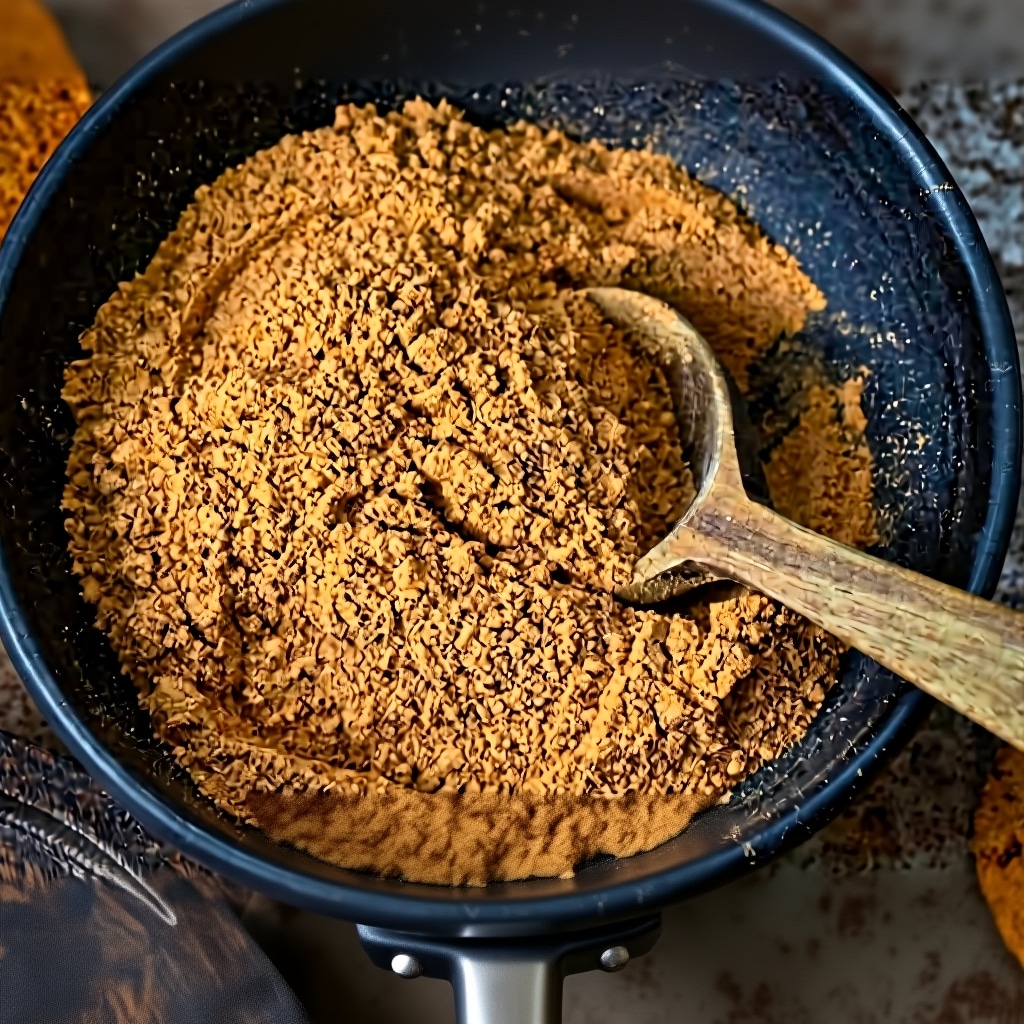
The air is crisp, the lights are twinkling, and there’s a magical scent wafting through the kitchen – it can only mean one thing: the holidays are here! And at the heart of so many festive treats lies that utterly irresistible, nostalgic aroma of gingerbread. Imagine biting into a perfectly spiced cookie or sipping a warm gingerbread latte. What’s the secret to unlocking that comforting flavor? It’s all in the blend. Forget store-bought jars; today, we’re diving into the wonderful world of making your own Gingerbread Spice Mix. This easy, versatile, homemade spice blend is your ticket to infusing all your festive baking and drinks with holiday magic. We’ll show you the simple recipe, break down each essential spice, explore countless ways to use it, and give you expert tips for storage and gifting.
Why You’ll Love This Homemade Spice Blend
There’s a special satisfaction that comes with crafting your own spice blends. This DIY gingerbread seasoning offers benefits that go beyond just convenience:
- Superior Flavor: Freshly mixed spices deliver a far more vibrant and potent aroma and taste compared to pre-packaged versions that might have been sitting on a shelf for months. Your taste buds will thank you!
- Quick & Easy: Seriously, it takes mere minutes to measure, combine, and whisk. No cooking, no complex steps – just pure, aromatic goodness ready in a flash.
- Completely Customizable: Do you adore the warmth of cinnamon? Add an extra dash! Craving a bit more of a kick? A pinch of black pepper can transform it. You are the master of your gingerbread spice blend.
- Cost-Effective: If your spice cabinet is already stocked, whipping up your own blend is often more economical than purchasing a specialty jar. It’s smart and delicious!
- Perfect for Gifting: A beautifully packaged jar of this homemade gingerbread spice makes a thoughtful, delicious, and utterly personal edible gift for friends, family, and fellow foodies during the holiday season.
What Is Gingerbread Spice?
At its core, gingerbread spice is a symphony of warm, sweet, and pungent flavors, instantly recognizable as the soul of gingerbread. Its origins are deeply rooted in European baking traditions, particularly in the rich, spiced cookies known as German Lebkuchen. The classic flavor profile is dominated by ginger, complemented by sweet cinnamon, earthy nutmeg, and piquant cloves, often rounded out with allspice and sometimes a hint of cardamom or black pepper for complexity. It’s a warm spice blend recipe designed to evoke coziness and celebration.
Gingerbread Spice vs. Pumpkin Pie Spice
While both are beloved holiday spice blends and share many core ingredients, they have distinct personalities. Both contain ground ginger, cinnamon, nutmeg, and cloves. However, gingerbread spice is typically more ginger-forward, boasting a stronger, spicier punch from its star ingredient. It frequently includes allspice, and sometimes cardamom or black pepper, contributing to a deeper, more complex, and spicier profile. Pumpkin pie spice, by contrast, is often heavier on the cinnamon, giving it a sweeter, milder warmth that beautifully complements squash and fruit-based desserts. Understanding these nuances helps you choose the right blend for your festive baking spices.
The 6 Essential Spices You’ll Need
Crafting the perfect gingerbread spice recipe means understanding the role each individual spice plays. Here are the stars of our blend:
Ground Ginger
This is undeniably the star of the show, lending the blend its namesake and much of its character. Ground ginger provides that characteristic pungent, earthy, spicy, and warming heat that defines traditional gingerbread. It’s the foundational flavor that sets this blend apart.
Ground Cinnamon
A universally beloved spice, ground cinnamon adds a delightful sweet, woody warmth that perfectly complements the assertive ginger. You might encounter Ceylon cinnamon (sweeter, more delicate) and Cassia cinnamon (bolder, spicier). For gingerbread, either works beautifully, though Cassia often provides a more robust punch.
Ground Allspice
Often referred to as the ‘everything’ spice, ground allspice truly lives up to its name. Its flavor profile cleverly combines notes of cinnamon, nutmeg, and cloves, acting as a natural bridge that harmonizes all the other flavors in the mix. It’s integral to achieving that classic gingerbread cookie spice mix taste.
Ground Nutmeg
Adding a warm, nutty, and slightly sweet undertone, ground nutmeg is a vital component. For the most vibrant flavor, consider grating whole nutmeg fresh; the difference in aroma and intensity is remarkable, though pre-ground works perfectly well too.
Ground Cloves
Potent, intensely aromatic, and distinctly sweet, ground cloves are a powerhouse of flavor. A small amount goes a very long way, but their inclusion is absolutely essential for achieving the deep, complex, and traditional taste found in any excellent Christmas spice mix.
Ground Cardamom (or Mace)
This is our “secret ingredient” that elevates the blend beyond the ordinary. Ground cardamom introduces a sophisticated, complex flavor with hints of citrus, pine, and floral notes. If you prefer a more delicate flavor, ground mace (the outer covering of the nutmeg seed) offers a subtler, sweeter, and lighter alternative to nutmeg itself, making it a great choice for a unique gingerbread spice blend.
How to Make Gingerbread Spice Mix: A Step-by-Step Guide
Creating your own homemade gingerbread spice is wonderfully simple. Here’s how to do it in just a few minutes:
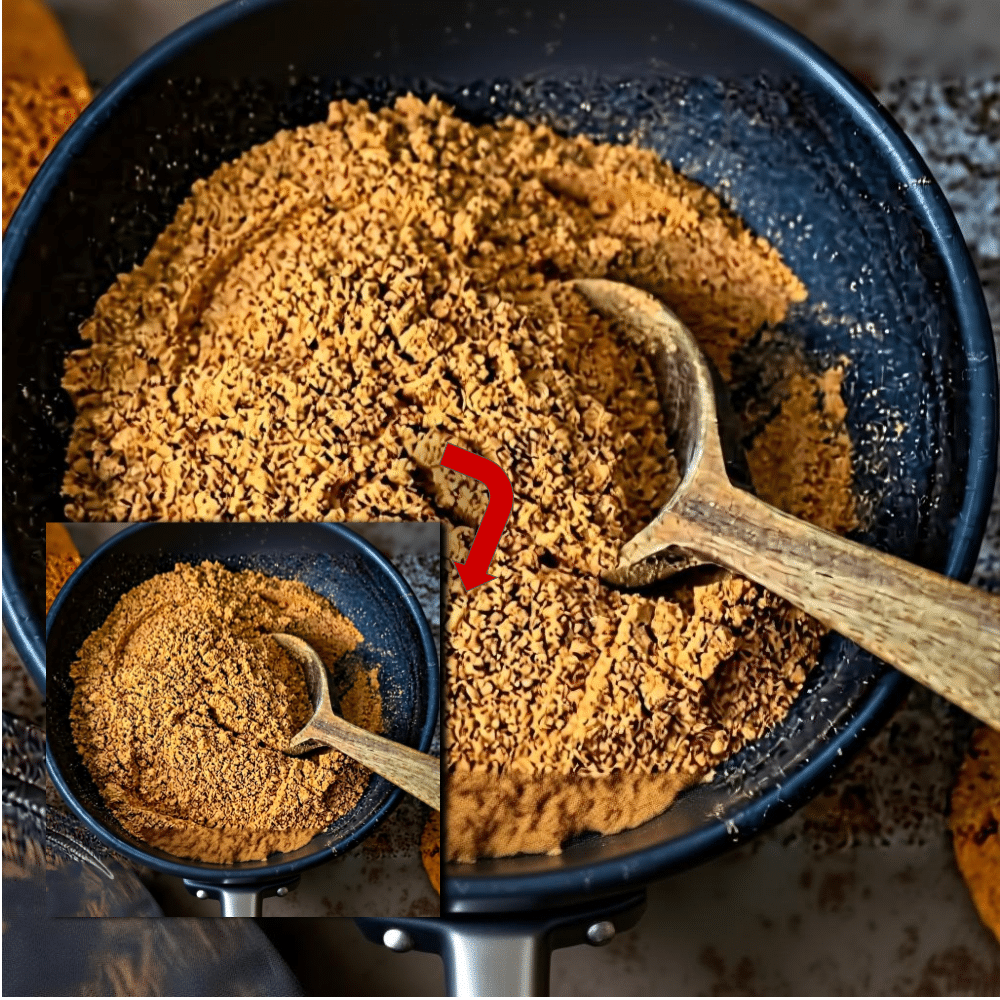
- Gather & Measure: Start by laying out all your individual spices. Precision in measurement is key for a balanced blend, so use accurate measuring spoons. Ensure your ground spices are fresh – old spices mean dull flavor.
- Sift & Whisk: In a small bowl, combine all the measured spices. For the smoothest, most homogenous mixture, it’s best to sift them through a fine-mesh sieve. This breaks up any clumps (especially common with ground ginger and cinnamon mix) and ensures an even distribution of flavors. After sifting, give them a good whisk or stir until thoroughly combined.
- Store for Freshness: Transfer your freshly made gingerbread spice mix into a clean, airtight container. Label it with the date of creation to easily track its freshness.
*(A recipe card with exact measurements would typically be inserted here)*
Pro Tips for the Best Spice Blend
Elevate your DIY gingerbread seasoning with these expert insights:
- Start with Fresh Spices: This cannot be overstated! Spices lose potency over time. Check the expiration dates on your jars and replace anything that’s been lingering for years. Fresh spices mean maximum flavor and aroma.
- Toast Whole Spices (for extra depth): For an unparalleled depth of flavor, consider starting with whole spices. Lightly toast whole cinnamon sticks, cloves, allspice berries, and cardamom pods in a dry skillet over medium-low heat until fragrant (about 2-3 minutes). Let them cool completely, then grind them in a clean spice grinder or coffee grinder before mixing. This unlocks their full aromatic potential.
- Sift, Don’t Skip: While tempting to skip, sifting is crucial. It ensures a fine, evenly-distributed blend, preventing pockets of a single spice and making it easier to incorporate into your recipes without clumps.
- Label and Date: Always make it a habit to label your spice jar with the name of the mix and the date you prepared it. This simple step helps you monitor its freshness and ensures you’re always baking with the best quality ingredients.
Variations & Customizations
One of the joys of a homemade gingerbread spice is the freedom to tailor it to your exact preferences. Don’t be afraid to experiment and make this gingerbread spice blend truly your own!
- For a Spicy Kick: If you love a bit of heat, add a tiny pinch (1/4 to 1/2 teaspoon) of finely ground black pepper or white pepper. This provides a subtle, yet noticeable, warmth that beautifully complements the ginger.
- For a Citrus Note: Introduce a bright, aromatic twist with a teaspoon of dried orange peel powder. This adds a lovely zesty dimension that pairs wonderfully with the traditional spices, making it a truly unique festive baking spice.
- For a Deeper, Licorice Flavor: A pinch (1/4 teaspoon) of ground star anise can add an intriguing, slightly licorice-like depth. Use sparingly, as its flavor is quite dominant.
- Adjusting Ratios: Want your mix more ginger-forward? Increase the ground ginger by a tablespoon. Prefer a more prominent cinnamon flavor? Add an extra teaspoon or two of ground cinnamon. By playing with the ratios of your core spices, you can create a blend that perfectly suits your personal taste.
“Crafting your own gingerbread spice blend isn’t just about making food; it’s about making memories. The scent alone can transport you back to childhood holidays!”
21+ Genius Ways to Use Your Gingerbread Spice Mix
Once you have your fresh batch of gingerbread spice mix, the culinary possibilities are endless! Here are some creative and delicious uses for gingerbread spice:
In Holiday Baking
- Classic Cookies: The star application! Use it for gingerbread men, gingersnaps, molasses cookies, or any festive cut-out cookies.
- Cakes & Breads: Infuse richness into gingerbread cake, loaf cakes, muffins, scones, and quick breads.
- Pies & Tarts: A delightful addition to apple, pear, sweet potato, or pumpkin pie filling. It’s a great alternative or enhancement to traditional pumpkin pie spice.
For Festive Drinks
- Gingerbread Latte: Stir a teaspoon into your coffee with steamed milk and a touch of sweetener for a homemade gingerbread latte spice experience.
- Spiced Hot Chocolate: Add a pinch to your favorite hot cocoa recipe for a warming twist.
- Mulled Wine or Cider: Include a tablespoon in your mulling spice sachet for an aromatic, comforting beverage.
- Holiday Cocktails: Create a spiced simple syrup by simmering water, sugar, and your spice mix, then use it in festive gin fizzes or bourbon cocktails.
For Breakfast & Brunch
- Pancakes & Waffles: Whisk directly into the batter for a morning treat.
- French Toast: Mix into the egg custard before dipping for an extra layer of flavor.
- Oatmeal & Porridge: Sprinkle liberally on top of your morning bowl, or stir into the pot while cooking.
- Yogurt & Granola: Blend into plain yogurt with a drizzle of honey, or add it to your homemade granola recipe before baking.
Unexpected & Savory Uses
- Roasted Vegetables: Toss with carrots, sweet potatoes, butternut squash, or parsnips before roasting for a savory-sweet side dish.
- Meat Rubs & Glazes: Use as a fragrant rub for pork tenderloin, chicken, or duck. It also makes an incredible addition to glazes for ham or roasted root vegetables.
- Candied Nuts: The key ingredient for festive spiced holiday pecans, walnuts, or almonds.
- Chili or Stews: A surprising secret ingredient in certain chili recipes or hearty stews for an added layer of warmth and complexity.
How to Store Homemade Spice Mixes
Proper storage is crucial for maintaining the potency and vibrant flavor of your homemade gingerbread spice. To keep your blend at its best:
- Airtight Container: Always store your spice mix in a small glass jar with a tight-fitting lid. This prevents moisture and air from degrading the spices.
- Cool, Dark Place: Keep the jar in a pantry, cupboard, or drawer, away from direct sunlight, heat, and humidity. Avoid storing it near the stove, as heat can quickly diminish its flavor.
- Shelf Life: While this mix won’t “spoil” in the traditional sense, its aromatic compounds will gradually fade. For the most vibrant flavor and potency, aim to use your gingerbread spice blend within 6 to 12 months of making it.
How to Package for Gifting
A jar of homemade gingerbread spice is one of the most cherished edible homemade gifts. Here’s how to make it presentation-perfect:
- Choose a Cute Jar: Small mason jars, elegant Weck jars, or dedicated spice jars with shaker tops work beautifully.
- Add a Label and Tag: Create a custom, handwritten, or printed label with the name “Gingerbread Spice Mix” and the date. Attach a small recipe tag suggesting how to use it – perhaps a simple gingerbread cookie recipe or a gingerbread latte instruction.
- Finishing Touches: Tie a festive ribbon, a strand of baker’s twine, or a sprig of evergreen around the lid. A little bow or embellishment adds a special touch.
Frequently Asked Questions (FAQ)
What is a substitute for gingerbread spice mix?
If you don’t have a pre-made gingerbread spice mix, you can easily create one using individual spices (ground ginger, cinnamon, allspice, nutmeg, cloves, and cardamom/mace). A common quick substitute is to use pumpkin pie spice as a base, then add an extra teaspoon or two of ground ginger to achieve that characteristic gingerbread warmth.
How much gingerbread spice should I use?
As a general guideline, if a recipe calls for a combination of individual spices (e.g., 1 tsp cinnamon, 1/2 tsp ginger, 1/4 tsp nutmeg), you can sum those amounts (1.75 tsp total in this example) and use that amount of your pre-made gingerbread spice blend. For recipes that just call for “gingerbread spice,” start with 1-2 teaspoons and adjust to taste.
Is allspice the same as gingerbread spice?
No, they are quite different! Allspice is a single spice, derived from the dried, unripe berry of the Pimenta dioica tree. It gets its name because its flavor resembles a combination of cinnamon, nutmeg, and cloves. Gingerbread spice, on the other hand, is a blend of several different spices, which often includes allspice as one of its key ingredients, alongside ginger, cinnamon, nutmeg, and cloves.
Can I make this with whole spices?
Absolutely, and for the most vibrant and aromatic result, it’s highly recommended! To make your gingerbread spice mix with whole spices, lightly toast whole cloves, allspice berries, cinnamon sticks (broken into pieces), and cardamom pods in a dry skillet until fragrant. Allow them to cool completely, then grind them finely in a clean coffee or spice grinder before combining them.
How long does this homemade spice mix last?
When stored properly in an airtight container in a cool, dark place (like a pantry or cupboard), your homemade gingerbread spice will retain its peak freshness and potency for at least 6 months, and often up to a year. While it won’t “go bad” beyond that, its flavor and aroma will gradually diminish, making it less effective in your baking.
For more daily recipes and tips, follow us on Facebook!
Click here to join our community!