The Ultimate Guide to Authentic German Meatballs (Königsberger Klopse & Frikadellen)
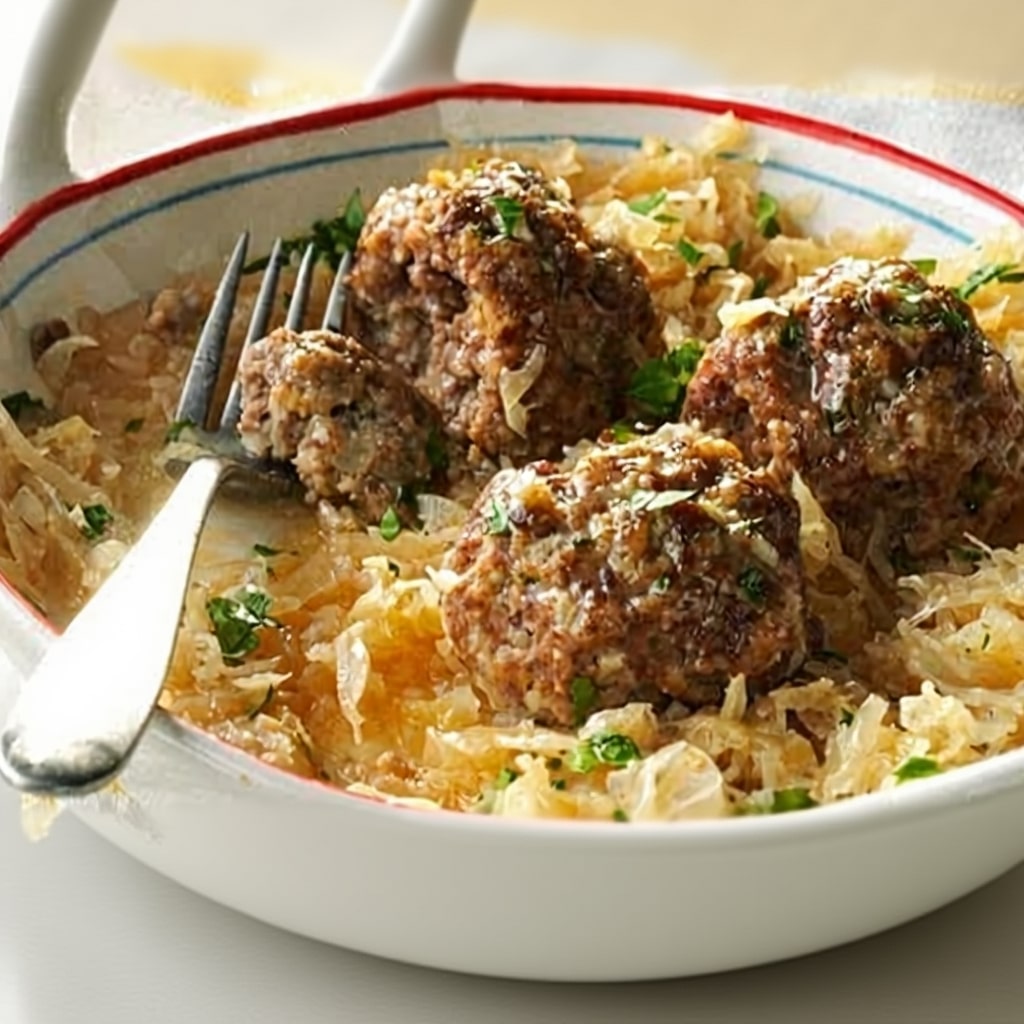
Welcome to the heartwarming world of German Meatballs! As a cornerstone of German comfort food, these savory delights hold a special place in kitchens across the country. This guide dives into the two most beloved types: the elegant, creamy Königsberger Klopse and the rustic, pan-fried Frikadellen. Prepare to discover authentic German meatball recipes that will transport your taste buds straight to a cozy German kitchen.
What Exactly Are German Meatballs?
The term “German Meatballs” doesn’t refer to a single dish, but rather a rich category of regional specialties, each with its unique character. While typically made from ground meat, their preparation and serving styles vary significantly, showcasing Germany’s diverse culinary traditions.
Frikadellen vs. Königsberger Klopse: What’s the Difference?
- Frikadellen: These are hearty, often flattened, pan-fried German meatballs or patties. Made with a mixture of ground beef and pork, seasoned with onions, breadcrumbs (or milk-soaked rolls), and parsley, Frikadellen are incredibly versatile. Enjoy them hot or cold, often with mustard, as a snack, sandwich filling, or main course. They’re a German staple, much like a savory burger patty.
- Königsberger Klopse: Originating from East Prussia, these refined meatballs are gently poached in a flavorful broth. Their hallmark is the luxurious, velvety creamy caper sauce, brightened with lemon juice and punctuated by briny capers. The meat blend for Klopse often includes ground veal alongside pork and beef, and traditionally, finely minced anchovies are added for an essential umami depth, without any fishy taste. This is the quintessential German meatballs in cream sauce experience.
Other Regional German Meatball Variations
Across Germany, meatballs go by many names. In Berlin, they are known as Buletten, similar to Frikadellen. In Bavaria, you’ll find them called Fleischpflanzerl or Fleischküchle, which are typically rounder and seasoned with local herbs. These names highlight subtle regional differences and local pride in their delicious Deutsche Fleischbällchen.
Ingredients for Perfect German Meatballs (Königsberger Klopse)
Crafting the perfect Königsberger Klopse recipe hinges on quality ingredients and understanding their role. Here’s why each component is vital for authentic flavor and tenderness.
For the Meatballs (Klopse):
- The Meat: A 50/50 blend of ground beef and pork offers optimal flavor and moisture. Beef provides robust taste, while pork ensures richness and prevents dryness. For true authenticity, a portion of ground veal can be added, as in many a German grandmother’s recipe.
- The Binder: Eggs bind, but stale white bread, soaked in milk and squeezed dry, is the secret to incredibly tender, moist meatballs. It creates a texture far superior to dry breadcrumbs.
- The Aromatics & Seasoning:
- Onions: Finely grated onion adds flavor and moisture without texture.
- Parsley: Fresh, chopped parsley brightens the overall taste.
- Mustard: A touch of Dijon or German mustard adds subtle tang.
- Salt & Pepper: Season generously.
- Anchovy Paste: Crucial for traditional German meatballs! A small amount adds profound umami, not fishiness, elevating the Klopse flavor profile significantly.
For the Creamy Caper Sauce:
- The Base: The flavorful poaching liquid from the meatballs is combined with butter and flour to form a classic roux, creating the sauce’s foundation.
- The Creaminess: Heavy cream ensures a luxurious, rich texture. Milk and sour cream can offer a lighter, tangier alternative.
- The Flavor: Capers are essential for German meatballs with capers, providing a briny, tangy counterpoint. Fresh lemon juice adds crucial brightness and acidity.
- The Finish: An egg yolk, tempered correctly, adds richness, sheen, and gentle thickening without scrambling.
How to Make German Meatballs: A Step-by-Step Guide
Follow this detailed how to make German meatballs guide for perfect Königsberger Klopse every time.
Step 1: Prepare the Meat Mixture
Gently combine ground beef, pork (and veal, if using) in a large bowl. Submerge stale bread in milk until soft, then squeeze thoroughly dry. Add the squeezed bread to the meat, along with grated onion, parsley, egg, mustard, salt, pepper, and anchovy paste. Mix lightly until just combined. Avoid overworking the mixture to ensure tender meatballs.
Step 2: Form and Poach the Meatballs
In a large pot, bring water with a bay leaf, allspice, and salt to a gentle simmer. With wet hands, form golf-ball-sized meatballs. Carefully lower them into the simmering liquid. Poach for 15-20 minutes until cooked through. Remove with a slotted spoon and set aside, reserving 3-4 cups of the flavorful poaching liquid for the sauce.
Step 3: Create the Velvety Caper Sauce
In a saucepan, melt butter over medium heat. Whisk in flour to form a roux, cooking 1-2 minutes. Gradually whisk in the warm, reserved poaching liquid, a ladleful at a time, to avoid lumps. Bring to a simmer, whisking until thickened. Stir in heavy cream, lemon juice, and capers (with some brine). Season to taste.
Step 4: Temper the Egg Yolk
Whisk an egg yolk in a small bowl. Slowly drizzle about half a cup of the hot sauce into the egg yolk, whisking continuously to temper it. Pour the tempered yolk mixture back into the main sauce, whisking constantly. Heat gently for 1-2 minutes without boiling, until the sauce is rich and slightly thickened.
Step 5: Combine and Serve
Gently return the poached German meatballs to the creamy caper sauce, warming them through for a few minutes. Garnish generously with fresh parsley. Your delicious German meatballs with gravy are ready!
Pro Tips for the Best Königsberger Klopse
“Authentic German meatballs are a labor of love, but these small tricks guarantee perfect results.” – Food Blogger Insight
- Juiciest Meatballs: Soaked stale bread is critical for tenderness. Dry breadcrumbs yield a firmer texture.
- Don’t Fear the Anchovy: Essential for the authentic umami in traditional German meatballs; it won’t taste fishy.
- Perfect Sauce Consistency: Adjust with more poaching liquid if too thick, or a cornstarch slurry if too thin.
- Making Ahead: Meatball mixture can be prepped a day ahead. Poached meatballs can be stored separately from the sauce; sauce is best made fresh.
Recipe Variations & Frikadellen Alternative
Beyond Klopse, Germany offers other delicious meatball styles, including the versatile Frikadellen, and allows for simple substitutions.
How to Make Frikadellen (Pan-Fried German Meatballs)
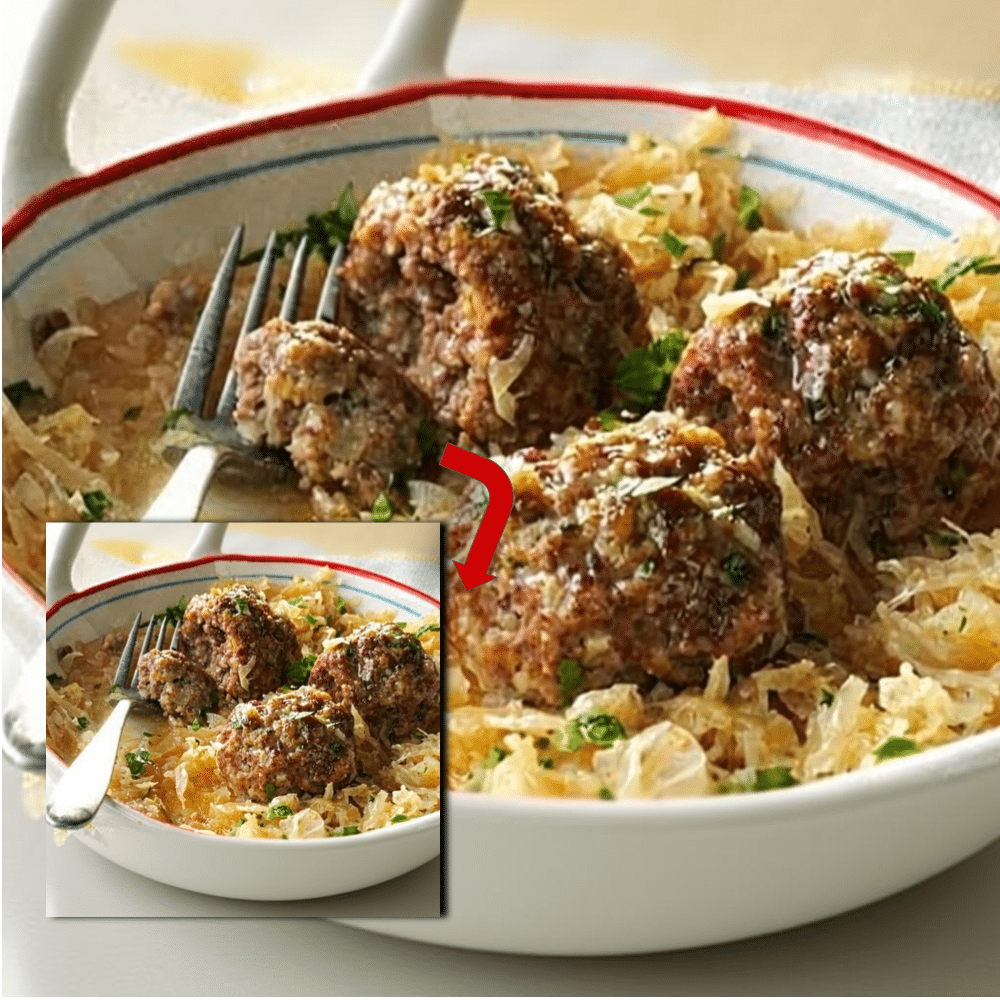
For quick and satisfying German Frikadellen, prepare a meat mixture similar to Klopse (ground beef and pork, soaked bread, onion, egg, parsley), typically omitting anchovy. Form into flattened patties. Pan-fry in butter or oil over medium-high heat for 4-6 minutes per side until golden and cooked through. Delicious with mustard or a simple brown gravy.
Ingredient Substitutions
- Gluten-Free: Use gluten-free breadcrumbs or cooked, cooled oatmeal as a binder.
- Meat Options: All beef, all pork, or ground turkey can be used, though a blend ensures best flavor and moisture.
- No Anchovies? A dash of Worcestershire sauce can offer a similar umami depth, but the flavor won’t be identical to the old fashioned German meatball recipe.
What to Serve with German Meatballs
Complete your German comfort food meal with these classic pairings:
- Classic Pairings: For Königsberger Klopse, serve with boiled potatoes (often with parsley) or creamy mashed potatoes to soak up the sauce. White rice is also popular.
- Vegetable Sides: A simple green salad, pickled beets, or sautéed green beans. Frikadellen pair wonderfully with German meatballs and sauerkraut.
- Drink Suggestions: A dry German Riesling or a crisp Pilsner beer.
Storing, Freezing, and Reheating Instructions
Ensure your German meatballs stay delicious with proper storage methods.
- Refrigeration: Store cooked Klopse (meatballs and sauce) or Frikadellen in an airtight container for 3-4 days.
- Freezing: Freeze cooked meatballs separately from the sauce for best results (up to 2-3 months). Flash freeze meatballs, then bag. Sauce can be frozen in an airtight container.
- Reheating: Gently reheat Klopse on the stovetop over low heat, adding a splash of liquid if needed, to maintain sauce texture. Reheat Frikadellen in a pan or oven.
Frequently Asked Questions (FAQ)
What is the national dish of Germany?
Germany doesn’t have one official national dish. Sauerbraten, Schnitzel, and various sausages are strong contenders and widely loved. Dishes like Königsberger Klopse recipe and Frikadellen are also celebrated as iconic regional classics, embodying German comfort food.
Why are my meatballs tough?
Tough meatballs are typically caused by:
- Overworking the Meat: Mixing too vigorously develops proteins, leading to a dense, rubbery texture. Mix gently.
- Overcooking: Boiling too rapidly or for too long dries them out. Poach Klopse gently at a bare simmer.
The soaked bread is key for tender authentic German meatball recipes!
What is the difference between Swedish and German meatballs?
Swedish and German meatballs (Klopse) differ notably:
- Swedish Meatballs: Smaller, spiced with allspice/nutmeg, served in a brown gravy with lingonberry jam.
- German Meatballs (Klopse): Larger, seasoned with onion, parsley, and sometimes anchovy, served in a distinct creamy white caper sauce with lemon for a tangier profile.
Can I bake German Meatballs (Frikadellen) instead of frying?
Yes, you can bake German Frikadellen for a lighter option. Preheat oven to 375°F (190°C). Form patties, arrange on parchment-lined baking sheet, and bake for 20-25 minutes, flipping halfway, until cooked through. While frying offers crispness, baking is a great easy German meatballs alternative.
Conclusion
Mastering these German meatballs recipes, whether the elegant Königsberger Klopse or the hearty Frikadellen, is a rewarding culinary adventure. They offer an authentic taste of Germany’s rich traditions and comforting flavors. We hope this guide helps you create your perfect authentic German meatball recipe. Share your experiences in the comments – we’d love to hear from you!
For more daily recipes and tips, follow us on Facebook!
Click here to join our community!