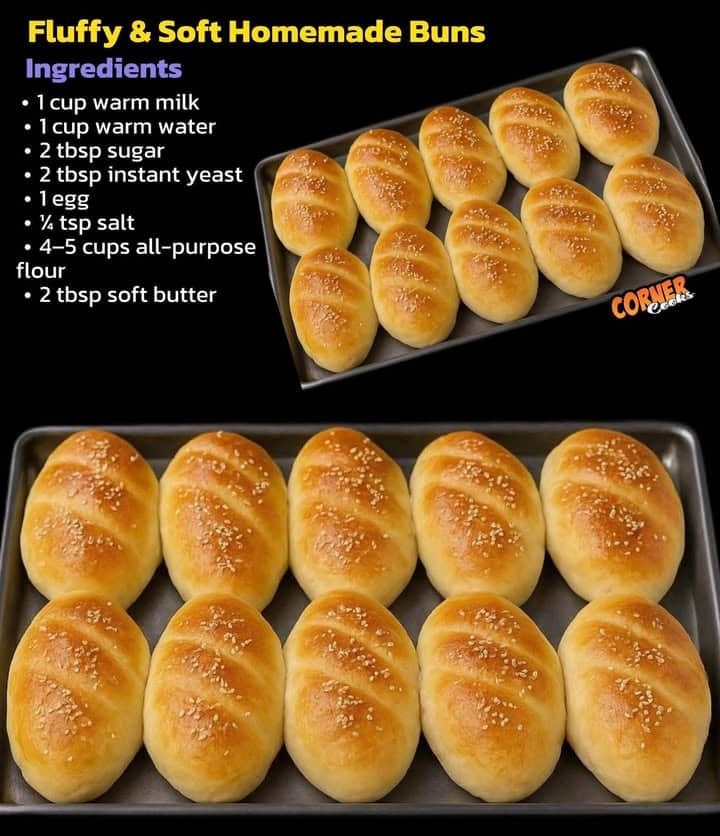
Fluffy Homemade Buns Recipe: The Ultimate Guide
Introduction
Imagine the aroma wafting through your kitchen – that unmistakable scent of freshly baked bread, warm from the oven. There’s truly nothing quite like tearing into a perfectly soft, airy, and golden homemade bun. Forget dry, store-bought versions; mastering the art of baking your own is a game-changer. These aren’t just any buns; they’re the kind that elevate any meal, transforming a simple burger into a gourmet experience or turning a dinner side into a delightful indulgence. Whether you’re dreaming of luscious homemade burger buns, elegant soft dinner rolls, or the perfect foundation for a hearty sandwich, this guide will walk you through creating an easy yeast bread recipe that yields bakery-style results every time.
The beauty of making your own homemade buns lies in the control you have over the ingredients and the incredible freshness you achieve. Once you experience the unparalleled texture and flavor, you’ll wonder why you ever bought them pre-made. Get ready to impress your family and friends with these versatile, tender, and utterly delicious creations!
Essential Ingredients for Soft Buns
The secret to wonderfully soft and fluffy buns starts with understanding your ingredients. Each component plays a crucial role in achieving that coveted light texture and rich flavor.
- Yeast: The lifeblood of your dough, yeast is what makes your buns rise. We recommend instant yeast for this recipe, as it can be mixed directly with dry ingredients, making your instant yeast baking process a breeze. If you only have active dry yeast, simply activate it first in warm milk/water (around 105-115°F or 40-46°C) for 5-10 minutes until foamy before adding it to your dry ingredients.
- Liquids: A combination of warm milk and water is ideal. Milk contributes to a richer flavor, a softer crumb, and a more tender texture due to its fat and protein content. Water helps hydrate the flour and allows the yeast to work effectively. Ensure liquids are warm (not hot!) to properly activate the yeast without killing it.
- Fats: Melted butter and an egg are essential for enriching the dough. Butter adds incredible flavor, tenderness, and helps create a beautiful golden crust. The egg contributes to the dough’s structure, richness, and gives the buns a lovely yellow hue and soft crumb.
- Flour: For consistently soft and tender buns, all-purpose flour works wonderfully. Its moderate protein content strikes the perfect balance between structure and tenderness. While bread flour can be used for a chewier texture, all-purpose flour typically yields that desirable melt-in-your-mouth softness for this particular recipe.
- Sweetener: A touch of sugar not only adds subtle sweetness but also feeds the yeast, helping it activate and produce a more robust rise.
- Salt: Don’t forget salt! It’s crucial for flavor and also helps to control the yeast’s activity, preventing it from over-fermenting and giving the dough structure.
Step-by-Step Baking Instructions
Follow these detailed steps to master your homemade buns, from activating the yeast to achieving that perfect golden brown.
1. Activating the Yeast
- In a large mixing bowl, combine your warm milk and water. The ideal temperature range is 105-115°F (40-46°C). Use a kitchen thermometer for accuracy.
- Stir in a tablespoon of sugar, then sprinkle your instant yeast over the surface.
- Let it sit for 5-10 minutes. You should see a frothy layer form on top – this is a clear sign of active, healthy yeast, ready to work its magic! If it doesn’t foam, your yeast might be old or the liquid was too hot/cold, and you’ll need to start again.
2. Mixing and Kneading
- Once your yeast is bubbly, add the melted butter, egg, and remaining sugar and salt to the bowl. Stir well to combine.
- Gradually add the flour, one cup at a time, mixing with a wooden spoon or a stand mixer with a dough hook until a shaggy dough forms.
- Turn the dough out onto a lightly floured surface (or continue with your stand mixer). This is where the magic of kneading dough techniques comes in. Knead for 8-10 minutes, until the dough is smooth, elastic, and no longer sticky.
- The “Windowpane Test” explained: To check if your dough is adequately kneaded, pinch off a small piece. Gently stretch it between your fingers. If you can stretch it thin enough to see light through it without tearing, like a windowpane, your dough is perfectly kneaded and ready for its first rise.
3. The First Rise (Bulk Fermentation)
- Lightly grease a large bowl with a little oil. Place the dough in the bowl, turning it once to coat the entire surface with oil.
- Cover the bowl tightly with plastic wrap or a clean kitchen towel.
- Place the bowl in a warm, draft-free spot for 1-1.5 hours, or until the dough has visibly doubled in size. Ideal environments for proofing include a slightly warm oven (turned off, with just the light on), a warm corner of your kitchen, or a sunny spot. This step is crucial for developing flavor and texture in your easy yeast bread.
4. Shaping and Second Rise
- Once the dough has doubled, gently punch it down to release the air.
- Turn the dough out onto a lightly floured surface and divide it into 12 equal pieces for standard burger buns or soft dinner rolls. For sandwich roll recipes, you might opt for 8-10 larger pieces.
- Shape each piece into a tight, smooth ball. The key here is creating surface tension: cup your hand over the dough ball and roll it against the counter in a circular motion, tucking the edges underneath. This creates a smooth top and a taut surface, which helps the buns rise evenly and beautifully.
- Arrange the shaped buns on a baking sheet lined with parchment paper, ensuring ample spacing on the baking tray (at least 2 inches apart) to allow for expansion during the second rise and baking.
- Cover the baking sheet loosely with plastic wrap or a clean towel and let the buns rise again in a warm, draft-free place for another 30-45 minutes, or until noticeably puffy and almost doubled in size. This second proof is vital for achieving those light, bakery style buns.
Tips for Success
- Measuring Flour Correctly: For consistent results, always measure flour by weight using a kitchen scale (e.g., 1 cup all-purpose flour typically weighs 120-130 grams). If measuring by volume, spoon the flour into the measuring cup and level it off with a straight edge; never scoop directly from the bag, as this can compact the flour and lead to dense or dry buns.
- Preventing Dense or Dry Buns: Over-kneading can develop too much gluten, making buns tough. Under-kneading won’t activate enough gluten, resulting in a flat loaf. Stick to the 8-10 minute knead and the windowpane test. Also, be careful not to overbake, as this is a common culprit for dry bread.
- How to Achieve a Shiny Golden Crust: For that irresistible, professional bakery style buns appearance, brush your risen buns with an egg wash (1 egg beaten with 1 tablespoon of milk or water) just before baking. This creates a beautiful, glossy, golden brown crust. For a softer, slightly less shiny crust, you can brush with melted butter immediately after baking.
Troubleshooting Common Issues
- Why didn’t my dough rise? The most common reasons are inactive yeast (check the expiry date!), water/milk that was too hot (killed the yeast) or too cold (didn’t activate it), or a drafty environment during proofing. Always check your yeast’s activity in warm liquid first.
- Why are my buns hard? This could be due to several factors: too much flour, over-kneading, or over-baking. Ensure you’re measuring flour accurately, follow the kneading times, and keep an eye on the oven to avoid excessive baking, which dries out the dough.
- How to fix sticky dough without adding too much flour? A slightly sticky dough is often a good thing! If it’s too sticky to handle, try kneading it for a few more minutes. The gluten development often helps absorb the moisture. Only add flour in small increments (teaspoon by teaspoon) if absolutely necessary, and prefer to lightly flour your hands and work surface instead.
Storage and Reheating
To keep your delicious homemade buns at their best, proper storage is key.
- Keeping Buns Fresh at Room Temperature: Once completely cooled, store your buns in an airtight container or a large zip-top bag at room temperature for up to 2-3 days.
- Freezing Instructions for Long-Term Storage: For longer storage, flash freeze cooled buns on a baking sheet for an hour until solid. Then transfer them to a freezer-safe bag, removing as much air as possible. They’ll stay fresh for up to 2-3 months. Thaw at room temperature when ready to use.
- Reheating Methods to Restore Fluffiness: To restore that freshly baked warmth and fluffiness, sprinkle a little water on the buns (or wrap them in a damp paper towel), then warm them in a preheated oven at 300°F (150°C) for 5-10 minutes, or microwave for 15-30 seconds until warm.
Frequently Asked Questions (FAQ)
Here are answers to common questions about making homemade buns:
Q: Can I make these buns ahead of time?
A: Yes! You can prepare the dough and let it have its first rise in the refrigerator overnight (8-12 hours). Punch it down in the morning, let it come to room temperature for about 30 minutes, then proceed with shaping and the second rise.
Q: What’s the best way to make these into homemade burger buns?
A: When shaping, aim for slightly flatter, wider disks than traditional dinner rolls, about 3-4 inches in diameter. For an authentic look, sprinkle with sesame seeds after applying the egg wash, just before baking.
Q: Can I use whole wheat flour for these buns?
A: While possible, whole wheat flour will result in a denser, chewier bun. For a lighter texture, you can substitute up to 25% of the all-purpose flour with whole wheat flour without drastically changing the recipe.
Q: How do I know when my buns are fully baked?
A: Buns are typically fully baked when they are golden brown on top and sound hollow when tapped on the bottom. An internal temperature of 190-200°F (88-93°C) is also a good indicator.
Making your own homemade buns is an incredibly rewarding experience that brings the warmth and comfort of a bakery right into your kitchen. We hope this ultimate guide empowers you to bake with confidence and enjoy these soft, fluffy delights often!
Want more delicious recipes and baking tips? Follow our page on Facebook for daily inspiration and updates: https://www.facebook.com/profile.php?id=61568538666337
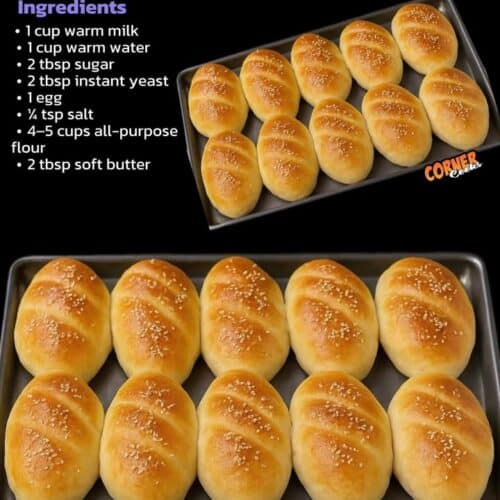
Fluffy & Soft Homemade Buns
Ingredients
- 1 cup warm milk Heat to approx. 110°F (43°C)
- 1 cup warm water Heat to approx. 110°F (43°C)
- 2 tbsp sugar White granulated sugar
- 2 tbsp instant yeast Ensure yeast is fresh
- 1 large egg Room temperature
- 1/4 tsp salt Fine sea salt or table salt
- 4-5 cups all-purpose flour Add gradually as needed
- 2 tbsp soft butter Unsalted, plus extra for brushing
Instructions
- In a large mixing bowl, whisk together the warm milk, warm water, sugar, and instant yeast. Let the mixture rest for 5–10 minutes until it becomes frothy and bubbly.
- Add the egg, salt, and softened butter to the yeast mixture. Gradually stir in the flour, one cup at a time, until a soft, shaggy dough forms.
- Turn the dough onto a lightly floured surface and knead firmly for 8–10 minutes until it becomes smooth, elastic, and passes the windowpane test.
- Place the dough in a greased bowl, cover with a clean towel or plastic wrap, and let it rise in a warm, draft-free spot for 1–1.5 hours, or until doubled in size.
- Punch the dough down gently to release air. Divide it into equal small portions, shape them into smooth tight balls, and arrange them on a greased baking tray.
- Cover the shaped buns and let them rise again for 30 minutes until they look puffy.
- Preheat your oven to 350°F (180°C).
- Brush the tops of the buns with a little melted butter for a golden finish and bake for 15–18 minutes.
- Remove from the oven when golden brown and let cool on a wire rack before serving.
For more daily recipes and tips, follow us on Facebook!
Click here to join our community!