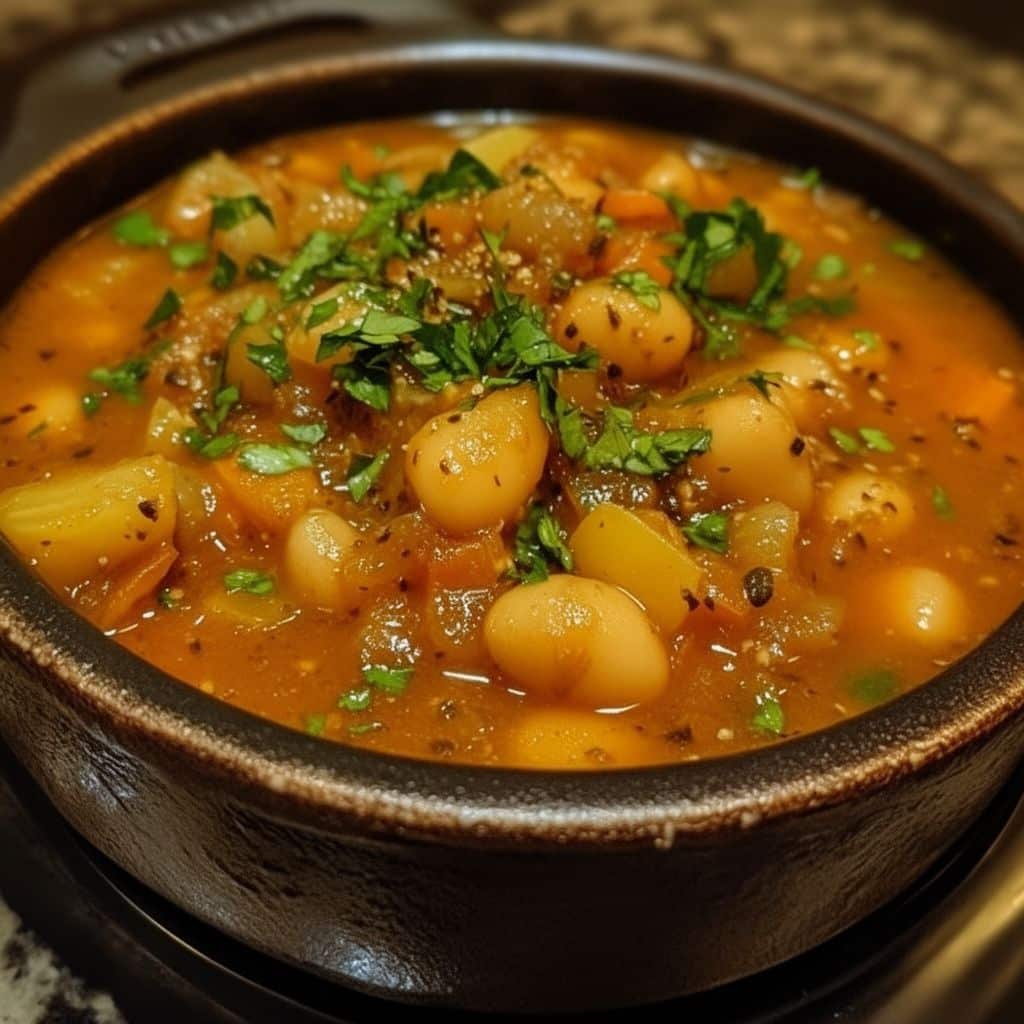
When we think of hearty, comforting stews, we often picture evening meals. However, across the Middle East and North Africa, one of the most beloved and sustaining stews is actually enjoyed first thing in the morning. Egyptian Fava Bean Stew, widely known as Ful Medames, is a deeply flavorful, slow-simmered dish that is as nourishing as it is delicious.
Imagine waking up to the rich aroma of earthy beans, warm spices, and a hint of bright lemon. That’s the promise of an authentic Egyptian breakfast featuring this incredible dish. It’s more than just a meal; it’s a cultural experience, a taste of bustling Cairo streets, and a staple in countless homes.
In this comprehensive guide, we will explore the roots of this iconic dish, break down the essential ingredients, and provide you with a foolproof Ful Medames recipe to recreate the authentic taste of Egypt in your own kitchen. Get ready to transform your breakfast routine and discover a culinary gem that will keep you fueled and satisfied.
The Rich History of Ful Medames
An Ancient Culinary Tradition
Ful Medames is widely considered the national dish of Egypt, with roots tracing all the way back to the time of the Pharaohs. The word ful simply means beans in Arabic, while medames translates to ‘buried,’ referencing the ancient cooking method where a large pot of beans was buried in hot coals to slow-cook overnight. This gentle, consistent heat allowed the fava beans to become incredibly tender, developing a deep, nutty flavor that is truly unique.
Archaeological digs have uncovered fava beans in ancient Egyptian tombs, highlighting their significance in the diet of the people thousands of years ago. It’s a testament to its enduring appeal that a dish so ancient still holds such a prominent place on the modern Egyptian table. This rich history adds another layer of appreciation to every comforting bite of this delightful foul mudammas.
A Modern Staple
Today, you’ll find this delicious broad bean stew sold by street vendors in bustling markets, served from enormous copper cauldrons (or qedra), and enjoyed in homes from Cairo to Alexandria. It’s an integral part of Egyptian street food culture, often prepared and served right on the spot with a flourish of fresh toppings.
The popularity of *Ful Medames* has also migrated across the Levant and North Africa, with each region adding its own distinct touch. From Sudan to Saudi Arabia, you’ll find variations, but the Egyptian version remains the quintessential preparation—simple, hearty, and deeply satisfying. It’s a testament to its versatility and universal appeal that it has traveled so widely and been embraced by so many diverse cultures.
Why You’ll Love This Comforting Stew
There are countless reasons to incorporate this humble yet spectacular stew into your culinary repertoire, especially if you’re looking for a wholesome and satisfying start to your day or a light, nutritious meal at any time.
- Nutrient-Dense: Fava beans are incredibly rich in plant-based protein, making this a truly sustaining meal. They’re also packed with dietary fiber, which aids digestion and helps keep you feeling full. Beyond that, they provide essential minerals like iron, magnesium, and potassium, contributing to a truly healthy Mediterranean breakfast.
- Budget-Friendly: Made primarily from pantry staples like canned fava beans, onions, and simple spices, this is an incredibly economical meal. It proves that incredibly flavorful and nourishing food doesn’t have to break the bank, making it perfect for families or those on a tighter budget.
- Naturally Vegan & Gluten-Free: This stew is a dream come true for those with dietary restrictions. It’s completely plant-based, making it a fantastic vegan stew recipe that’s rich in flavor and texture. Furthermore, it’s naturally gluten-free, ensuring that almost everyone can enjoy its comforting embrace without compromise.
- Versatile: While traditionally a breakfast dish, this hearty stew makes a fantastic lunch, a satisfying brunch item, or even a light, comforting dinner. It’s perfect for meal prep, as the flavors only deepen and improve with time. Enjoy it whenever you crave something warm, wholesome, and incredibly delicious.
Key Ingredients for Authentic Flavor
To achieve the classic taste of an authentic Egyptian stew, you need a thoughtful balance of earthy beans, warm spices, and bright, acidic finishers. Each component plays a crucial role in building the layered flavor profile that makes this dish so irresistible.
The Star: Fava Beans
The foundation of our stew! While you can certainly soak and slow-cook dried fava beans (also known as broad beans) from scratch, using high-quality canned fava beans is a widely accepted and convenient shortcut. It dramatically cuts down the cooking time from hours to mere minutes, making this hearty dish accessible on a busy weekday morning. Look for fava beans that are already peeled for the smoothest texture, or be prepared to peel them yourself after a brief cook.
The Aromatics and Spices
- Garlic and Onions: These provide the foundational savory base for the stew. When sautéed until soft and golden, they release a beautiful sweetness and aroma that permeates the entire dish. Don’t rush this step, as a good aromatic base is key to depth of flavor.
- Cumin: Ground cumin is non-negotiable in Ful Medames. It provides a warm, nutty, and slightly earthy flavor that complements the beans perfectly. The generous use of fava beans with cumin is what truly defines this stew’s aromatic signature. It’s the spice that immediately transports you to the kitchens of Egypt.
- Tomatoes: Fresh, diced tomatoes break down as they cook, creating a subtle, sweet, and slightly tangy broth that thickens the stew naturally. They add a vibrant freshness and acidity that balances the richness of the beans and spices.
The Finishers
- Extra Virgin Olive Oil: A generous drizzle of rich, peppery olive oil is absolutely essential for authentic mouthfeel and flavor. It adds a luxurious sheen and a depth that ties all the flavors together. It’s not just a garnish; it’s an integral part of the experience.
- Fresh Lemon Juice: The acidity from fresh lemon juice cuts through the starchy beans, brightening the entire flavor profile. It’s the final touch that elevates the stew from good to truly exceptional, providing a much-needed zing.
- Fresh Parsley: Adds a vibrant pop of color and a clean, herbal finish. Its fresh, slightly peppery notes contrast beautifully with the warm spices and earthy beans.
Step-by-Step Guide to Making the Perfect Stew
Bringing this ancient dish to your modern kitchen is simpler than you might think. Follow these steps for a truly authentic and delicious result.
1. Sauté the Aromatics
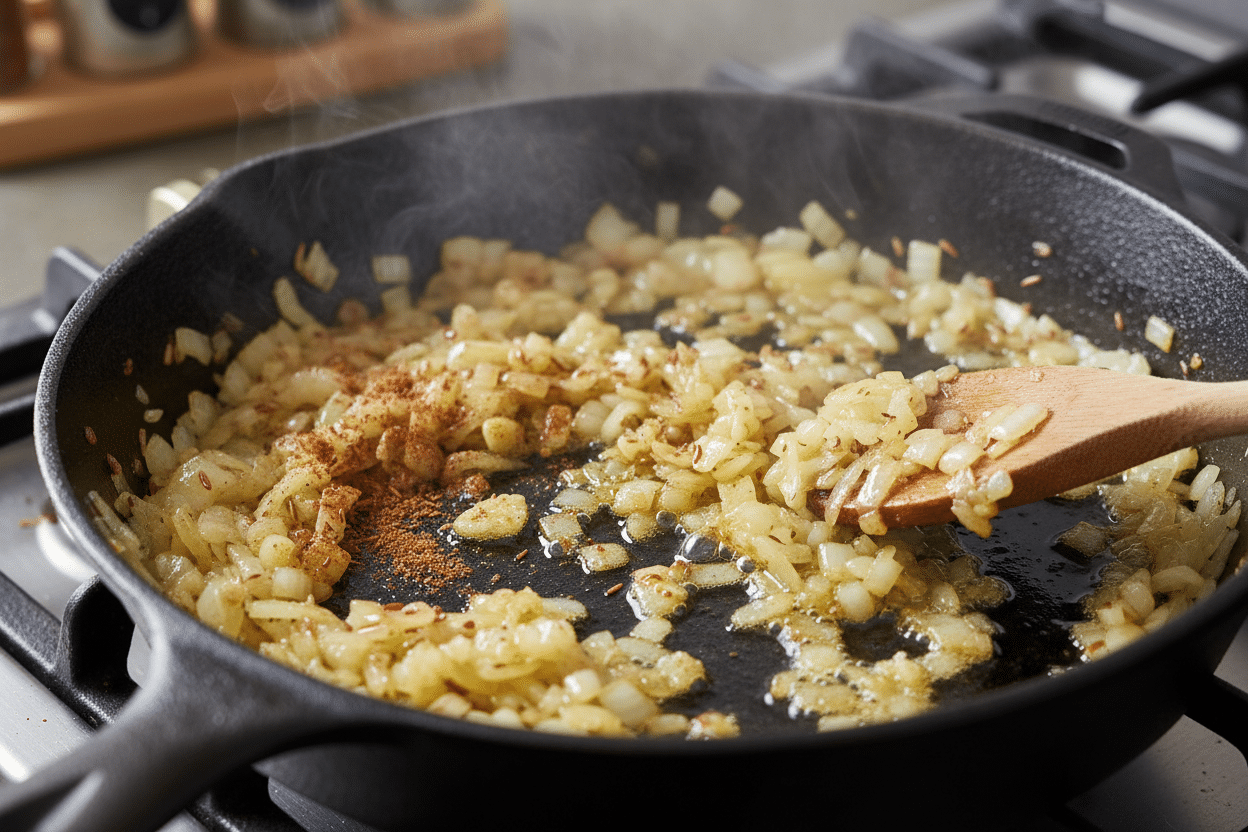
Begin by building your flavor base. In a medium pot or deep skillet, heat a generous glug of extra virgin olive oil over medium heat. Add the finely diced onions and gently sauté them, stirring occasionally, until they are soft, translucent, and slightly golden—about 5-7 minutes. This gentle cooking extracts their sweetness. Next, add the minced garlic and ground cumin. Continue to sauté for another minute, stirring constantly, allowing the spices to toast slightly in the oil. This step releases the essential oils in the cumin, significantly amplifying its warm, earthy flavor.
2. Create the Tomato Broth
Stir in the freshly diced tomatoes. Cook them down for about 5-8 minutes, pressing lightly with the back of your spoon, until they release their juices and begin to break down, forming a rustic, chunky sauce. This process concentrates their flavor and creates a natural, light broth for the beans.
3. Simmer the Beans
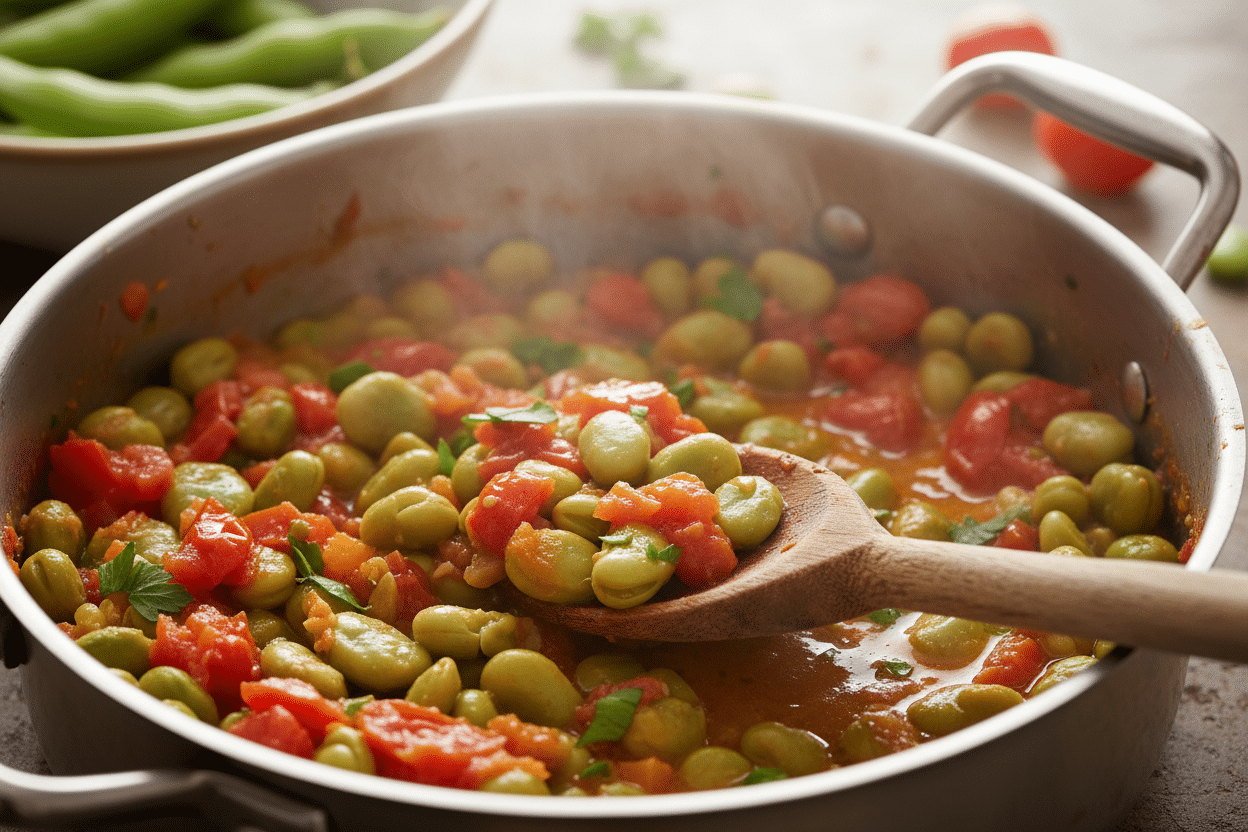
Pour in the canned fava beans. Pro Tip: Do not drain the beans! The starchy liquid in the can is crucial; it helps to naturally thicken the stew, giving it that characteristic creamy yet chunky consistency. Stir everything together gently. Bring the mixture to a gentle simmer, then reduce the heat to low, cover the pot, and let it cook for at least 10-15 minutes. This allows all the flavors to meld beautifully and the beans to absorb the rich sauce.
4. Mash for Texture
Remove the lid. Using a potato masher or the back of a sturdy wooden spoon, gently crush about half of the beans directly in the pot. You want a contrasting texture—some beans completely broken down to create a creamy, thick broth, and some left whole for a hearty, satisfying bite. This combination is key to the authentic feel of a traditional Ful Medames.
5. Brighten and Garnish
Remove the pot from the heat. Stir in the fresh lemon juice, salt, and black pepper to taste. Taste and adjust seasonings as needed. Transfer the warm stew to a serving platter or individual bowls. Finish with a heavy, generous glug of high-quality extra virgin olive oil and a shower of freshly chopped parsley. For an extra touch of warmth, you can add a sprinkle of additional cumin on top.
Customizing Your Ful Medames
While this base recipe is spectacular on its own, part of the joy of this hearty stew is the array of garnishes and accompaniments. These additions allow you to personalize your dish and explore the rich tapestry of vegan Middle Eastern food flavors.
Traditional Toppings
- Hard-Boiled Eggs: Often served alongside or chopped directly into the stew for extra protein and a creamy texture. They are a classic pairing for a substantial breakfast.
- Tahini Sauce: A drizzle of creamy sesame paste adds a nutty richness and a lovely, smooth contrast to the stew’s texture. You can thin tahini with a little water and lemon juice for a pourable sauce.
- Spicy Kick: If you prefer a fiery start to your day, add a pinch of Aleppo pepper flakes (pul biber) or a dash of your favorite hot sauce, such as harissa or a simple chili sauce, directly into the stew or on the side.
- Pickled Veggies: Crisp, tangy pickled cucumbers, turnips, or even bell peppers provide a wonderful textural contrast and a refreshing burst of acidity that cuts through the richness of the beans.
- Fresh Vegetables: Diced tomatoes, cucumbers, and thinly sliced radishes or green onions add freshness, crunch, and vibrant color, making each spoonful an exciting experience.
How to Serve and Store
Serving Suggestions
Serve your stew warm in a wide, shallow bowl, allowing for ample space for garnishes. It is traditionally eaten not with a spoon, but by scooping up the thick, savory mash with warm, fluffy pita bread. The soft, absorbent pita is perfect for soaking up every delicious drop of the sauce. Alongside, offer a platter of fresh cucumber slices, crisp radishes, and thinly sliced green onions for a refreshing counterpoint. A few olives wouldn’t hurt either!
Storage and Reheating
This comforting stew stores beautifully and often tastes even better the next day as the flavors continue to meld and deepen. Keep any leftovers in an airtight container in the refrigerator for up to 4 days. When you’re ready to enjoy it again, reheat gently on the stovetop over low to medium heat. If the stew has thickened too much in the fridge, add a splash of water or vegetable broth to reach your desired consistency. Always finish with a fresh squeeze of lemon juice and another drizzle of olive oil to revive the vibrant flavors, making it taste freshly made.
Frequently Asked Questions
Here are some common questions about making and enjoying this incredible stew:
Can I use chickpeas instead of fava beans?
Yes! While it won’t be a traditional Ful Medames, substituting chickpeas or a mix of white beans and chickpeas yields a delicious, similar stew. The texture will be slightly different, but the flavor profile, especially with cumin and lemon, will still be wonderfully satisfying. It’s a great way to enjoy the spirit of the dish with readily available ingredients.
Do I have to use canned beans?
Not at all. If you prefer to use dried fava beans, soak them overnight in plenty of cold water. The next day, drain them, then boil them in fresh water until they are completely tender. This can take anywhere from 1 to 2 hours, depending on the age and type of beans. Once tender, you can proceed with the recipe as described. This will add significant time to your preparation, but many find the resulting texture and deeper flavor to be worth the effort.
Is this stew spicy?
Traditionally, this stew is warm and heavily spiced with cumin, but it’s not inherently ‘hot’ spicy. The warmth comes from the earthy notes of the cumin. You can easily adjust the heat level to your preference by adding chili flakes (like Aleppo pepper), a dash of your favorite hot sauce, or fresh chopped chilies when sautéing the aromatics. Serving it with a spicy condiment on the side allows everyone to customize their bowl.
We hope you enjoy bringing this ancient, comforting, and incredibly flavorful dish to your table. It’s a journey for your taste buds, a nourishing meal for your body, and a connection to a rich culinary heritage.
For more delicious recipes and culinary inspiration, be sure to follow us on Facebook! You can find us at: Our Facebook Page. We love sharing new ideas and hearing about your cooking adventures!

Comforting Egyptian Fava Bean Stew (Ful Medames)
Ingredients
- 2 cans fava beans 15 oz each, undrained
- 2 tbsp extra virgin olive oil plus extra for drizzling
- 1 medium yellow onion finely chopped
- 4 cloves garlic minced
- 1 large tomato diced
- 1.5 tsp ground cumin
- 1 tsp salt
- 0.5 tsp black pepper
- 0.25 cup fresh lemon juice
- 0.25 cup fresh parsley finely chopped
Instructions
- Heat the olive oil in a large saucepan or skillet over medium heat.
- Add the finely chopped yellow onion and sauté for 5 minutes until softened and translucent.
- Stir in the minced garlic and ground cumin. Cook for 1 minute until highly fragrant.
- Add the diced tomato to the pan and cook for 3 to 4 minutes, allowing the tomatoes to break down and release their juices.
- Pour in the fava beans along with the liquid from the cans. Bring the mixture to a gentle simmer.
- Using a potato masher or the back of a wooden spoon, roughly mash about half of the beans directly in the pot to naturally thicken the stew.
- Reduce the heat to low and let the stew simmer for 10 to 15 minutes, stirring occasionally so it does not stick to the bottom.
- Remove the pot from the heat. Stir in the fresh lemon juice, salt, and black pepper.
- Transfer the stew to a serving dish. Drizzle generously with additional extra virgin olive oil and garnish with chopped fresh parsley.
- Serve hot with warm pita bread for dipping.
For more daily recipes and tips, follow us on Facebook!
Click here to join our community!