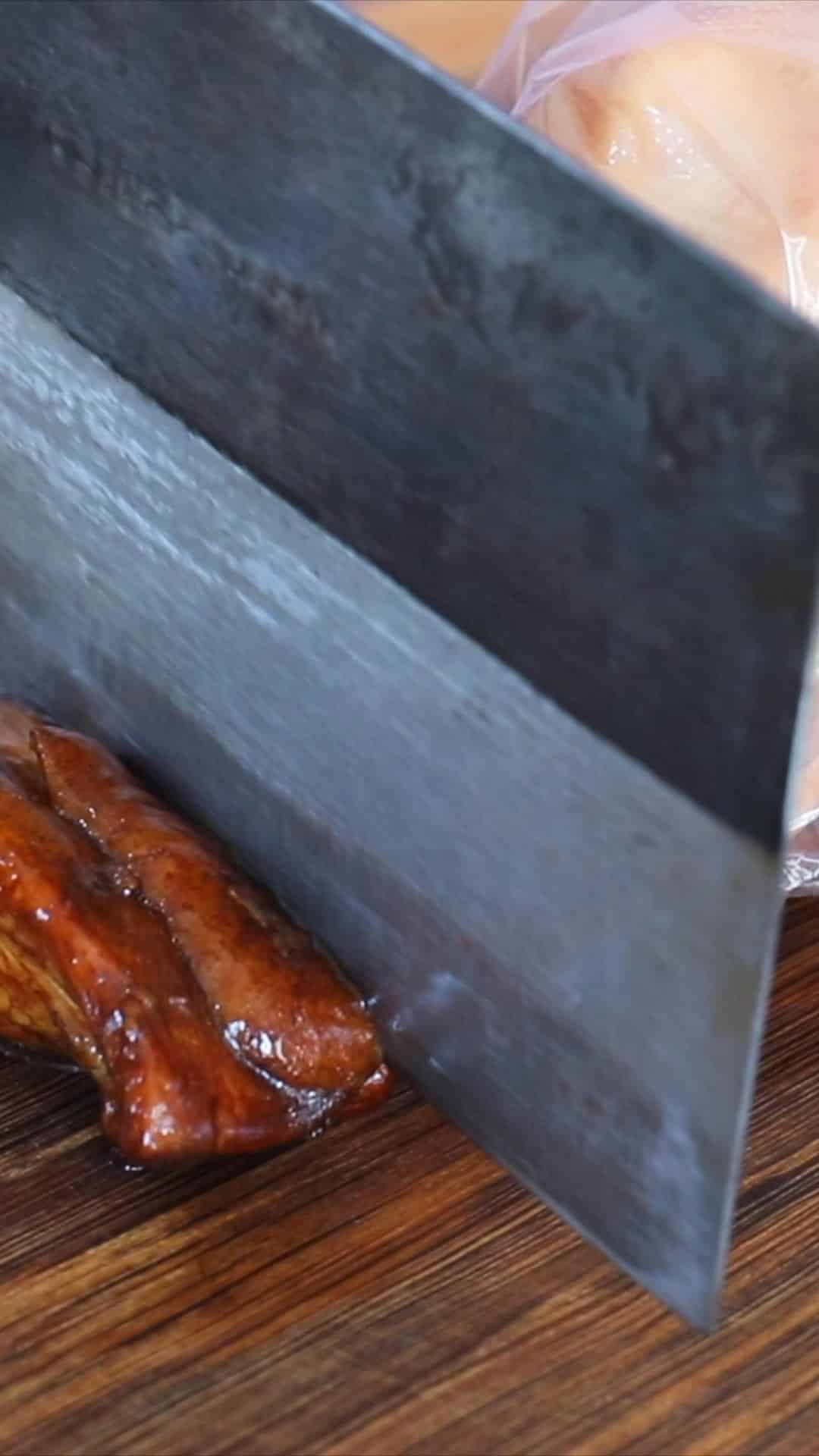
Welcome to your new favorite weeknight meal! There’s something truly magical about a dish that delivers incredible depth of flavor with minimal effort, and our Soy Sauce Chicken recipe fits that bill perfectly. This isn’t just any chicken dish; it’s a succulent, aromatic masterpiece that brings the vibrant tastes of Cantonese cuisine right to your kitchen.
Forget bland, boring dinners. This recipe transforms humble chicken thighs into a tender, glossy, and irresistibly savory experience. It’s the kind of easy Chinese cooking that will impress everyone at your table, and the best part? It comes together quicker than you might think, making it an ideal choice for a quick Asian dinner.
The Best Easy Soy Sauce Chicken Recipe
Why You’ll Love This 30-Minute Dinner
In our busy lives, finding a recipe that balances speed with spectacular flavor is a true culinary win. This Soy Sauce Chicken is exactly that. Imagine succulent, fall-off-the-bone chicken, coated in a rich, savory, and slightly sweet glaze, all ready in around 30 minutes of active cooking. It’s perfect for those evenings when you crave something deeply satisfying but don’t have hours to spend in the kitchen. The simplicity of the ingredients, combined with an easy braising technique, makes this dish an absolute joy to prepare. It’s a fantastic addition to your repertoire of chicken thigh recipes, proving that delicious home-cooked meals don’t have to be complicated.
The Origins of Cantonese Braised Chicken
This delightful dish traces its roots back to the bustling kitchens and hawker stalls of Guangdong (Canton) province in southern China. Cantonese soy sauce chicken, or “See Yao Gai,” is a beloved classic renowned for its distinct flavor profile and tender texture. It’s a quintessential example of Chinese braised chicken, where the poultry is gently simmered in a fragrant, complex broth until it’s infused with every savory note. Traditionally, it’s a dish often found hanging in windows of Chinese BBQ shops, glistening with its signature dark glaze. Our homemade version captures that authentic taste, allowing you to recreate a piece of culinary heritage with ease and confidence.
Essential Ingredients for Authentic Flavor
The secret to an unforgettable Soy Sauce Chicken lies in a carefully selected blend of core ingredients. Each component plays a crucial role in building the layered, umami-rich flavors that define this classic Cantonese dish.
The Magic of Dark Soy Sauce vs. Regular Soy Sauce
Understanding the difference between dark soy sauce and regular (light) soy sauce is fundamental to mastering this dark soy sauce recipe. Regular soy sauce is your everyday seasoning, thinner in consistency, and saltier, providing the primary savory backbone. Dark soy sauce, on the other hand, is thicker, less salty, and has a slightly sweet, almost molasses-like flavor due to a longer fermentation process, often with caramel coloring added. Its primary role in our Soy Sauce Chicken is to impart that beautiful, glossy, deep mahogany color and a subtle depth of flavor without over-salting the dish. For the most authentic look and taste, using both is highly recommended.
Aromatics and Spices: Star Anise, Ginger, and Cinnamon
These aromatics are the heart and soul of the braising liquid, elevating the chicken from simple to spectacular. Ginger, with its pungent and warming notes, brightens the sauce and complements the chicken beautifully. Garlic provides a foundational savory punch. But it’s the trio of traditional Chinese spices that truly defines the character of this star anise chicken:
- Star Anise: Its distinct liquorice-like, sweet, and pungent aroma is instantly recognizable and absolutely essential. It imparts a warm, exotic perfume to the entire dish.
- Cinnamon Stick: A small piece of cinnamon stick adds a subtle sweetness and warmth, harmonizing beautifully with the other spices and deepening the overall flavor profile.
- Dried Tangerine Peel (Chenpi): While often overlooked, a small piece of dried tangerine peel offers a wonderfully complex, slightly bitter, and aromatic citrus note that cuts through the richness and adds an authentic Cantonese touch.
The Role of Shaoxing Wine
No authentic Chinese braised chicken recipe is complete without Shaoxing wine. This amber-colored rice wine is an indispensable staple in Chinese cooking, renowned for its ability to tenderize meats, add incredible fragrance, and provide a layer of complex, nutty, and slightly sweet flavor. It’s not just for cooking; it’s a flavor enhancer that infuses the chicken with an unmistakable depth. While you can sometimes substitute with dry sherry, for true authenticity and the best results in your Soy Sauce Chicken, Shaoxing wine is paramount. It’s readily available in most Asian supermarkets.
Step-by-Step Instructions for Perfect Chicken
Making delicious Soy Sauce Chicken is surprisingly straightforward. Follow these steps for tender, flavorful results every time.
Preparing the Aromatic Broth
The foundation of this dish is its rich, aromatic braising liquid.
- Combine Liquids: In a wok or large pot, combine regular soy sauce, dark soy sauce, Shaoxing wine, water, and a touch of rock sugar or granulated sugar. Stir until the sugar dissolves.
- Add Aromatics: Toss in your sliced ginger, whole garlic cloves, star anise pods, a cinnamon stick, and the dried tangerine peel. These will infuse the broth with their incredible fragrances.
- Bring to a Simmer: Heat the mixture over medium-high heat until it comes to a gentle simmer, allowing the flavors to meld for a few minutes.
The Low-and-Slow Simmer Technique
This technique is key to achieving incredibly tender and flavorful chicken.
- Add Chicken: Carefully place your chicken thighs, skin-side up, into the simmering broth. Ensure the chicken is mostly submerged. If not, add a little more water until it is.
- Gentle Simmer: Reduce the heat to low, cover the pot, and let the chicken gently simmer for 20-25 minutes, or until cooked through and tender. Resist the urge to constantly lift the lid; letting it cook undisturbed allows the flavors to penetrate the chicken deeply.
- Rest and Glaze: Once cooked, remove the chicken from the pot and let it rest on a cutting board. Increase the heat under the remaining sauce and bring it to a rolling boil. Let it reduce for 5-7 minutes, until it thickens slightly and becomes a glossy, rich glaze.
Slicing and Presentation
Presentation adds to the enjoyment of any meal.
- Slice Chicken: Once rested, slice the chicken thighs into bite-sized pieces or leave them whole, as preferred. The skin is typically left on for flavor and texture.
- Plate and Drizzle: Arrange the chicken neatly on a serving platter. Drizzle generously with the reduced, glossy soy sauce glaze. Garnish with fresh chopped scallions or cilantro for a burst of color and freshness.
Helpful Cooking Tips for Tender Chicken
Achieving restaurant-quality Soy Sauce Chicken at home is easy with a few insider tips.
Why Skin-On Boneless Thighs Work Best
While you can use other cuts, chicken thigh recipes are often superior for braised dishes like this. Skin-on, boneless chicken thighs are the undisputed champions for several reasons:
- Flavor: The skin renders fat during cooking, adding incredible richness and flavor to both the chicken and the sauce.
- Moisture: Thigh meat is naturally fattier and more forgiving than breast meat, making it far less likely to dry out during the simmering process. It stays wonderfully moist and tender.
- Ease of Eating: Boneless thighs are incredibly easy to eat and portion, making for a fuss-free dinner.
Achieving the Perfect Glossy Glaze
That signature deep, glistening glaze is a hallmark of authentic Cantonese soy sauce chicken. The key is using dark soy sauce for color and allowing the braising liquid to reduce significantly after the chicken is removed. As the sauce boils down, it concentrates its flavors and thickens naturally. A little sugar in the initial broth also helps achieve that beautiful sheen and balances the saltiness, contributing to the ultimate rich texture. For an even more intense shine, you can add a tiny drizzle of sesame oil at the very end.
Thickening the Sauce (Optional Cornstarch Slurry)
While the sauce will naturally thicken as it reduces, some prefer a noticeably thicker, clingier glaze for their Soy Sauce Chicken. If you desire a more substantial sauce, you can easily achieve this with a cornstarch slurry.
- Preparation: In a small bowl, whisk together 1 tablespoon of cornstarch with 2 tablespoons of cold water until smooth.
- Application: Once your sauce has reduced to your liking, slowly pour the cornstarch slurry into the boiling sauce, whisking continuously. Cook for another 1-2 minutes until the sauce thickens to your desired consistency. Be careful not to add too much; a little goes a long way!
Delicious Variations & Add-Ins
One of the joys of easy Chinese cooking is its adaptability. This Soy Sauce Chicken recipe is a fantastic base for creativity.
Adding Hard-Boiled Eggs and Firm Tofu
For an even heartier and more substantial meal, consider adding hard-boiled eggs and/or pieces of firm tofu to the braising liquid.
- Hard-Boiled Eggs: Peel 2-4 hard-boiled eggs and add them to the pot during the last 10 minutes of simmering. They’ll absorb the delicious sauce, turning into flavorful “tea eggs.”
- Firm Tofu: Cut firm or extra-firm tofu into large cubes. Gently add them to the pot along with the chicken. The tofu will soak up all the savory goodness, adding wonderful texture and protein.
Using Bone-In Chicken Drumsticks or Whole Chicken
While boneless thighs are quick, this Chinese braised chicken recipe is incredibly versatile with other cuts:
- Bone-In Drumsticks or Thighs: These will add more depth of flavor from the bones and stay incredibly moist. Increase the simmering time to 30-35 minutes, or until the chicken is cooked through and tender.
- Whole Chicken (Cut into Pieces): For a larger gathering, you can butcher a whole chicken into pieces (legs, thighs, wings, breasts). Be mindful that breast meat cooks faster, so you might add it later or remove it sooner to prevent overcooking. Adjust simmering time accordingly.
Spicing It Up: Chili Flakes and Sichuan Peppercorns
If you love a little heat and complexity, a few simple additions can transform your Soy Sauce Chicken:
- Chili Flakes: Add a teaspoon or two of dried red chili flakes to the braising liquid along with the other aromatics. This will provide a pleasant, warm background heat.
- Sichuan Peppercorns: For a unique “mala” (numbing and spicy) sensation, toast a teaspoon of Sichuan peppercorns lightly in a dry pan before adding them to the sauce. Remove them before serving if you prefer not to bite into them.
Serving Suggestions
Once your beautiful Soy Sauce Chicken is ready, pairing it with complementary dishes elevates the entire meal.
Pairing with Jasmine Rice and Bok Choy
The classic accompaniment for Cantonese soy sauce chicken is fluffy jasmine rice. The mild, aromatic rice acts as the perfect canvas for the rich, savory sauce, soaking up every drop of flavor. To complete the meal and add a touch of freshness and balance, serve with a simple side of steamed or stir-fried bok choy. A light dressing of garlic and sesame oil on the bok choy is all you need to create a wholesome, satisfying, and authentic Asian feast.
Leftover Sauce Ideas (Drizzled over Noodles)
Don’t let a single drop of that incredible sauce go to waste! The reduced, glossy braising liquid is a flavor bomb that can transform other dishes. It’s particularly fantastic drizzled over plain boiled noodles, turning them into a quick and delicious noodle dish. You can also use it to dress steamed vegetables, or even as a dipping sauce for dumplings or spring rolls. It’s a versatile condiment that extends the life of your meal’s delicious flavors.
Storage and Reheating Instructions
Proper storage and reheating ensure your delicious Soy Sauce Chicken stays as good as the first time you made it.
How to Store Leftovers
Allow any leftover Soy Sauce Chicken to cool completely to room temperature before storing. Transfer the chicken and any remaining sauce into an airtight container. It can be safely stored in the refrigerator for up to 3-4 days. For longer storage, you can freeze the chicken and sauce together in a freezer-safe container for up to 2-3 months. Thaw overnight in the refrigerator before reheating.
Reheating Without Drying Out the Chicken
To reheat your Chinese braised chicken without sacrificing its tender texture:
- Microwave: For small portions, microwave on medium power in 30-second intervals, stirring occasionally, until heated through. Add a splash of water or broth if the sauce seems too thick.
- Stovetop: For larger portions, gently reheat the chicken and sauce in a covered saucepan over low heat. Add a tablespoon or two of water or chicken broth to prevent drying and ensure the sauce remains luscious. Simmer until warmed through.
- Oven: If reheating from frozen or a large batch, preheat your oven to 300°F (150°C). Place the chicken and sauce in an oven-safe dish, cover tightly with foil, and heat for 15-20 minutes, or until warmed through.
Frequently Asked Questions (FAQ)
Can I make this gluten-free?
Yes, absolutely! To make this Soy Sauce Chicken gluten-free, simply substitute regular soy sauce and dark soy sauce with their gluten-free counterparts (e.g., tamari or gluten-free soy sauce for regular, and a gluten-free dark soy sauce, or a mix of gluten-free regular soy sauce with a touch of molasses/caramel for color). Ensure your Shaoxing wine is also gluten-free (some brands contain wheat) or substitute with a dry sherry labeled gluten-free.
Do I need to marinate the chicken first?
No, you do not need to marinate the chicken for this Soy Sauce Chicken recipe. The low-and-slow simmering technique allows the chicken to absorb all the wonderful flavors from the aromatic braising liquid as it cooks. This method ensures deeply flavored and tender chicken without the extra step of marination, making it a true quick Asian dinner.
What can I substitute for dried tangerine peel?
If you can’t find dried tangerine peel (chenpi), you can omit it. While it adds a unique, authentic complexity, the dish will still be delicious without it. Alternatively, you can use a small strip of fresh orange peel (avoiding the white pith), or a tiny pinch of orange zest for a milder citrus note, though the flavor profile will be slightly different from the traditional dried peel.
We hope you love making and eating this incredible Soy Sauce Chicken as much as we do! For more delicious recipes and cooking tips, make sure to follow our page at https://www.facebook.com/profile.php?id=61568538666337. Happy cooking!
30-Minute Easy Soy Sauce Chicken
Ingredients
- 4 chicken thighs, skin-on, boneless
- 3 slices ginger
- 1 stalk scallions cut into 2-inch pieces
- 2 tbsp sugar
- 1 cup water
- 4 tbsp soy sauce
- 1.5 tbsp dark soy sauce
- 2 tbsp Shaoxing wine optional
- 1/2 cinnamon stick
- 2 pods star anise
- 2 bay leaves
- 1/4 piece dried tangerine peel
Instructions
- In a large pan or wok, combine the water, soy sauce, dark soy sauce, sugar, Shaoxing wine, ginger, scallions, cinnamon stick, star anise, bay leaves, and dried tangerine peel.
- Bring the liquid mixture to a gentle boil over medium-high heat, stirring until the sugar is fully dissolved.
- Add the chicken thighs to the pan, skin-side down. Reduce the heat to medium-low, cover the pan with a lid, and simmer gently for 15 minutes.
- Carefully flip the chicken thighs over using tongs. Cover and continue to simmer for another 10 minutes, or until the chicken is cooked through and tender.
- Remove the chicken from the pan, let it rest for a few minutes, and slice into bite-sized pieces. Drizzle the reduced cooking sauce over the top and serve hot.
For more daily recipes and tips, follow us on Facebook!
Click here to join our community!