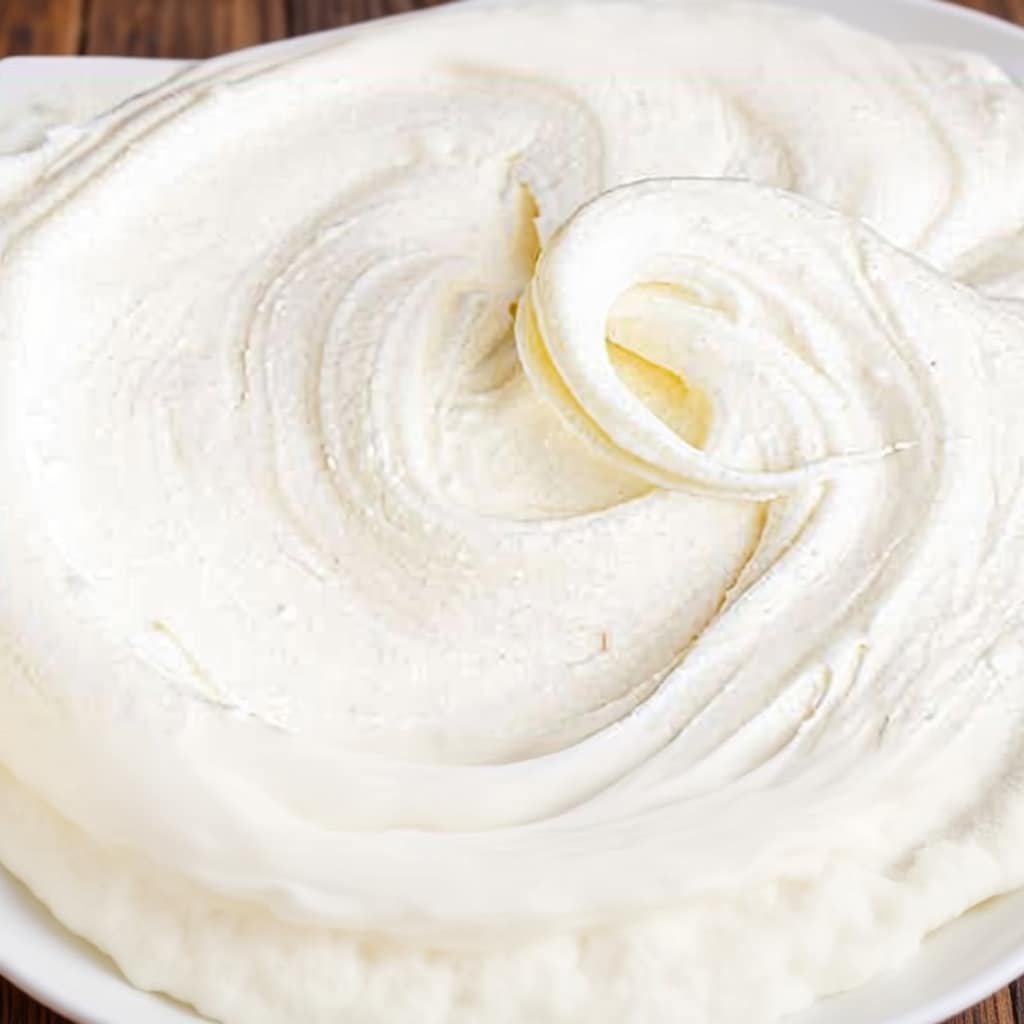
Imagine the silken luxury of an exquisite Italian cheese, its creamy texture melting on your tongue, elevating every dish. While store-bought options exist, there’s an undeniable magic in creating something so decadent at home. Today, we’re diving into the delightful world of Homemade Mascarpone – a DIY Italian cream cheese experience that will redefine your culinary standards.
Beyond the satisfaction of crafting your own homemade soft cheese, making mascarpone at home offers unparalleled freshness and ingredient control. You’ll avoid additives, resulting in a purer, richer flavor unmatched by mass-produced varieties. Get ready for a surprisingly simple yet incredibly rewarding journey to perfect, pillowy mascarpone!
What is Mascarpone?
So, what exactly is this revered dairy delight? Mascarpone is a distinctive Italian double- or triple-cream cheese renowned for its exceptionally high butterfat. Hailing from Italy’s Lombardy region, this culinary gem has graced tables for centuries.
Unlike many cheeses relying on rennet, mascarpone is unique. Its texture is incredibly smooth, thick, and almost spreadable, often described as buttery and velvety. The flavor is delicately sweet with a subtle tang – a harmonious balance making it incredibly versatile, lending a luxurious mouthfeel to both sweet and savory applications. Think of it as the ultimate rich, heavy cream cheese recipe.
The Science Behind the Curd
The magic of Homemade Mascarpone lies in a fascinatingly simple chemical reaction: acid interacting with heated cream. Mascarpone is an acid-set cheese. When a mild acid like lemon juice is introduced to heavy cream heated to a precise temperature, proteins coagulate, separating curds from whey.
Temperature control is key. Heating cream to approximately 185°F (85°C) is crucial. This denatures proteins just enough to make them susceptible to the acid, initiating gentle curdling without scorching. Gentle stirring ensures even heating.
Furthermore, heavy whipping cream is essential. Its high fat content (36% or more) gives mascarpone its characteristic richness, thick consistency, and incredibly smooth, buttery texture. Without this, your cheese will be thin and lack desired luxury. This simple lemon juice cheese making process is truly remarkable!
Ingredients & Equipment
Essential Ingredients
Making Homemade Mascarpone is surprisingly simple, often called a 2 ingredient cheese recipe. Quality ingredients are paramount.
- Heavy Whipping Cream: The star. Minimum 36% butterfat. Do not substitute with lighter creams; they won’t yield the desired consistency.
- Acid: Fresh lemon juice is most common, providing a subtle, bright tang. Alternatively, a tiny amount of tartaric acid can be used for an even milder profile. Ensure fresh lemon juice.
Necessary Tools
Having the right tools ensures success:
- Digital Thermometer: Indispensable for precise temperature control.
- Cheesecloth and Strainer: Fine-mesh cheesecloth (2-3 layers) to line a colander/sieve, crucial for draining your homemade soft cheese.
- Double Boiler Setup: Prevents scorching. Nest a heat-proof bowl over a saucepan of simmering water if no dedicated boiler.
- Whisk or Spatula: For gentle stirring.
- Large Bowl: For mixing and chilling.
Step-by-Step Instructions
Heat the Cream: Pour 4 cups (960ml) heavy whipping cream into the top pot of a double boiler or a heat-proof bowl set over a saucepan of simmering water. Heat gently, stirring occasionally, until it reaches 185°F (85°C) on your digital thermometer. This takes 10-15 minutes. Do not boil. Remove from heat.
Add the Acid: Immediately remove the cream from the double boiler. Add 2 tablespoons fresh lemon juice (or 1/4 teaspoon of tartaric acid, dissolved in 1 tablespoon of warm water if using). Stir gently but thoroughly for about 1 minute. The cream should begin to thicken slightly. Gentle stirring is key.
The Resting Phase: Cover the bowl and let the mixture sit at room temperature for 15-20 minutes. During this time, it will continue to thicken to a very thick, pudding-like consistency. This is a critical step for your heavy cream cheese recipe.
Straining: Line a fine-mesh sieve or colander with 2-3 layers of cheesecloth. Place over a bowl to catch the whey. Carefully pour the thickened mixture into the cheesecloth. Gather the edges, tie loosely, creating a bundle. Place this bundle (still in the sieve) in the refrigerator and drain for at least 12 hours, or preferably 24 hours. Longer draining yields thicker Homemade Mascarpone. Gentle pressing can achieve a very firm result.
Troubleshooting Common Issues
Even seasoned home cheesemakers encounter hiccups. Here’s how to address common issues for your homemade soft cheese:
Too Runny: If your mascarpone isn’t thickening enough, it likely needs more straining time. Return it to the refrigerator and allow it to drain for additional hours, or even overnight. Ensure you’re using heavy whipping cream with at least 36% fat; lower fat yields a runnier product.

Grainy Texture: This usually occurs if the cream was overheated (above 185°F/85°C) or stirred too vigorously during the heating and coagulation phases. Gentle heating and stirring are vital. Unfortunately, graininess is hard to reverse, so focus on precise temperature and gentle technique next time.
Not Setting: If the cream isn’t thickening at all, check your ingredients. Was the lemon juice fresh? Was the cream truly heavy whipping cream? Did it reach the correct temperature of 185°F (85°C)? Insufficient heat prevents proper protein denaturation for coagulation.
Culinary Uses for Your Mascarpone
Once you’ve tasted the exquisite creaminess of your Homemade Mascarpone, you’ll want to use it everywhere! Its versatility shines in both sweet and savory dishes.
Desserts
- Classic Tiramisu: This is arguably mascarpone’s most famous role. Layered with coffee-soaked ladyfingers and cocoa, your how to make mascarpone for tiramisu skills will be truly cherished here.
- Berry Tarts and Parfaits: A dollop of mascarpone, perhaps sweetened slightly, is divine with fresh berries and a hint of lemon zest.
- Cheesecake: Use it to enrich cheesecakes, providing an incredibly smooth and decadent texture.
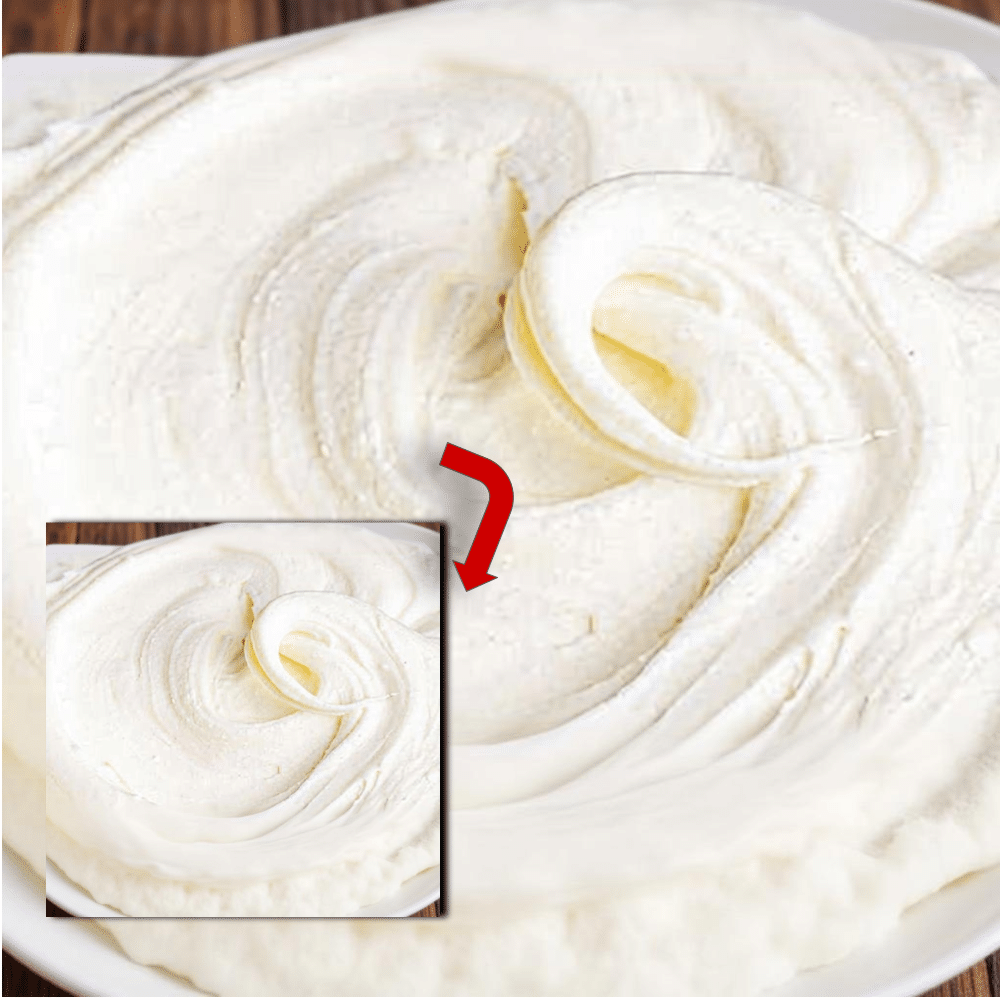
- Whipped Mascarpone Frosting: For a simple yet elegant dessert topping, gently whisk your mascarpone with a touch of powdered sugar and vanilla extract. This creates a light, airy, and creamy mascarpone frosting – perfect for cakes, cupcakes, or just eating by the spoon!
Savory
- Pasta Sauces: Stir a spoonful or two into hot pasta sauces (like tomato or mushroom) to add luxurious creaminess and richness.
- Risotto Thickener: Swirl in a dollop at the end of cooking risotto for an incredibly creamy, restaurant-quality finish.
- Spread on Crostini: Combine with herbs, garlic, and a pinch of salt and pepper for a sophisticated spread on toasted bread. It also pairs beautifully with smoked salmon.
- Creamy Mascarpone for Beef Dishes: Mascarpone can be an excellent addition to savory beef preparations. Stir it into pan sauces or use it to enrich a hearty beef ragu, adding a velvety finish and mellowing the flavors beautifully.
Storage and Shelf Life
Proper storage is essential to maintain the freshness and quality of your DIY Italian cream cheese.
Refrigeration Tips: Transfer your freshly made mascarpone to an airtight container immediately after straining. It should be stored in the coldest part of your refrigerator. For best results, consume within 5-7 days.
Why You Shouldn’t Freeze Mascarpone: While freezing might seem like a good way to extend shelf life, it’s generally not recommended for mascarpone. The high fat and moisture content can cause the delicate emulsion to break upon thawing, resulting in a grainy, watery, or separated texture that loses its characteristic smoothness.
Expiration Signs: Always trust your senses. Discard mascarpone if you notice any off-smell, discoloration (beyond its natural creamy white), or visible mold. A slightly sour smell is normal, but a strong, unpleasant sourness indicates spoilage.
FAQ
Frequently Asked Questions About Homemade Mascarpone
Q: Can I use half-and-half instead of heavy whipping cream?
A: No, unfortunately, half-and-half contains a much lower fat percentage (typically 10-18%) compared to heavy whipping cream (36% minimum). This lower fat content will prevent the cream from properly coagulating and result in a very thin, watery product, not the rich, thick consistency of true mascarpone. Stick to heavy whipping cream for a successful heavy cream cheese recipe.
Q: Is vinegar a good substitute for lemon juice in this recipe?
A: While vinegar (like white vinegar or apple cider vinegar) can technically curdle cream, it’s generally not recommended for mascarpone. Vinegar has a much sharper, more pungent flavor than lemon juice, which can impart an undesirable tartness to the delicate cheese. Lemon juice provides a milder, more pleasant acidity that complements mascarpone’s buttery flavor profile. For an authentic taste, avoid vinegar as a mascarpone cheese substitute.
Q: How much does this recipe yield?
A: Using 4 cups of heavy whipping cream, this homemade soft cheese recipe typically yields about 1.5 to 2 cups of finished Homemade Mascarpone, depending on how long you drain it and how thick you prefer it. The longer the draining, the less yield but the firmer the consistency.
Rich & Creamy Homemade Mascarpone
Ingredients
- 2 cups Heavy whipping cream Pasteurized (not ultra-pasteurized if possible)
- 1 tbsp Lemon juice Freshly squeezed
- 1 tbsp Powdered sugar Optional, if making sweet whipped mascarpone
Instructions
- Set up a double boiler or place a heat-proof bowl over a pot of barely simmering water. Pour the heavy whipping cream into the bowl.
- Heat the cream slowly until it reaches 185°F (85°C) on a digital thermometer. Stir occasionally to prevent a skin from forming.
- Stir in the lemon juice and maintain the temperature at 185°F for 5 minutes, stirring gently. The cream will begin to thicken slightly, coating the back of a spoon.
- Remove from heat and let the mixture cool to room temperature (about 30-45 minutes).
- Line a sieve or colander with 4 layers of cheesecloth and place it over a bowl to catch the whey.
- Pour the cooled cream mixture into the lined sieve. Cover loosely with plastic wrap and refrigerate for 12 to 24 hours to drain and firm up.
- Once drained to your desired consistency, transfer the mascarpone to an airtight container. If using for a sweet dessert, whisk in the optional powdered sugar before serving.
For more daily recipes and tips, follow us on Facebook!
Click here to join our community!