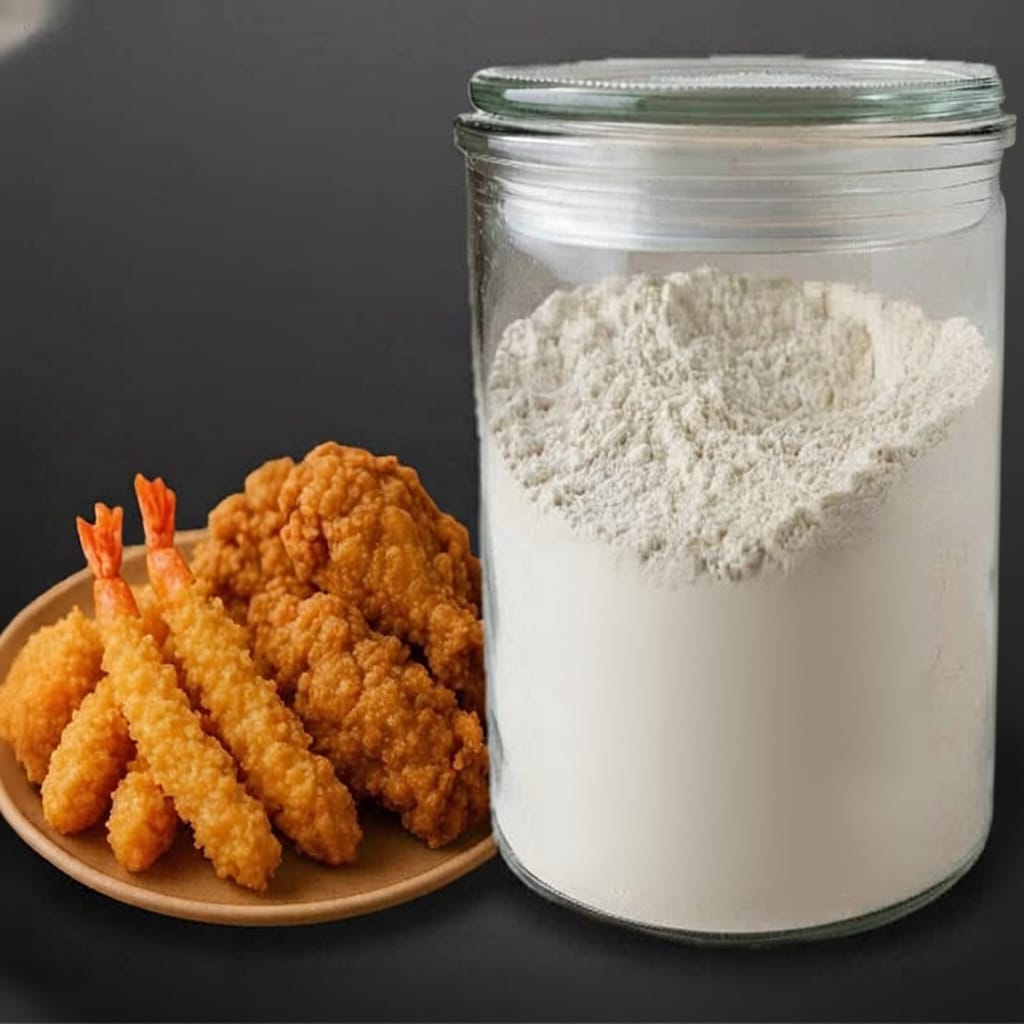
The Secret to Shatteringly Crispy Batter
There’s nothing quite like the irresistible crunch of perfectly fried food, encased in a golden, gossamer-thin shell. Achieving that coveted crispy batter isn’t just a matter of luck; it’s a science, an art, and a few simple tricks that will elevate your homemade fried dishes from good to absolutely legendary. Forget soggy, dense coatings. We’re talking about a light, airy, and shatteringly crisp exterior that crackles with every bite, whether you’re making fried fish, golden onion rings, or the ultimate crispy chicken coating. This comprehensive guide will unlock the secrets to a truly exceptional deep frying batter, sharing a versatile homemade fry batter that you’ll turn to again and again.
Why This Recipe Works (The Science of Ice Water)
The magic behind truly light and airy batter often comes down to one simple, yet crucial, ingredient: ice water. When chilled ingredients, especially ice-cold water, are used to mix the batter, they create a thermal shock effect when they hit the hot oil. The sudden temperature difference causes the water to evaporate rapidly, forming steam pockets within the batter. These tiny pockets expand and create a delicate, open structure, resulting in that incredibly crispy texture. The cold also inhibits gluten development in the flour, preventing a tough, chewy crust and promoting a lighter, more tender bite. It’s the cornerstone of many a fantastic tempura batter recipe, and it’s your secret weapon for superior deep frying results.
Flour vs. Cornstarch: The Perfect Ratio
While flour forms the backbone of most batters, the addition of cornstarch is a game-changer for achieving maximum crispness. Cornstarch contains less protein than wheat flour, which means it develops less gluten. Less gluten equals a more tender, less chewy batter. Furthermore, cornstarch molecules create a firmer, more stable structure when fried, contributing to that desirable crunch and helping to prevent oil absorption. A common and highly effective ratio for a versatile, crispy batter is a mix of all-purpose flour and cornstarch. We’ll be aiming for a balance that leverages the structural integrity of flour with the crisping power of cornstarch batter, often around 2 parts flour to 1 part cornstarch for optimal results.
Ingredients & Equipment
Gathering your mise en place before you begin deep frying is essential for a smooth and successful cooking experience. Quality ingredients and the right tools make all the difference in achieving that perfect crispy batter.
Essential Tools for Deep Frying
- Heavy-Bottomed Pot or Dutch Oven: Essential for even heat distribution and maintaining a consistent oil temperature. Cast iron or stainless steel are ideal.
- Deep-Fry Thermometer: Absolutely non-negotiable! Precision in oil temperature is paramount for a crispy, non-greasy result.
- Spider Skimmer or Slotted Spoon: For safely adding and removing items from hot oil.
- Wire Rack with Paper Towels: For draining excess oil, allowing air circulation to keep your fried items crisp.
- Large Mixing Bowls: For preparing your batter and dry coating.
- Whisk: To ensure a smooth, lump-free batter.
The Importance of Cold Ingredients
As discussed, cold ingredients are fundamental to achieving a light and airy batter. For this homemade fry batter recipe, make sure your water is not just cold, but ice-cold. You can even add a few ice cubes to your measuring cup of water and remove them just before mixing. Beyond water, ensure any liquids like beer (if using a beer batter variation) are well-chilled. This principle extends to your protein as well; a colder item will also contribute to the thermal shock effect and help the batter adhere better, creating that much-desired crispy batter.
Step-by-Step Instructions
Follow these steps carefully, and you’ll be well on your way to mastering the art of the perfect deep frying batter. This method works wonderfully for everything from fried fish batter to crispy chicken coating.
Preparing Your Protein (The “Dry & Dust” Method)
- Pat Dry Thoroughly: This is perhaps the most crucial step for batter adhesion and crispness. Moisture on the surface of your food will create steam, preventing the batter from sticking and resulting in a soggy crust. Use paper towels to pat your fish fillets, chicken pieces, or even vegetables absolutely dry.
- Light Dusting (Optional but Recommended): For even better adhesion and an extra layer of crispness, lightly dust your dried protein with a small amount of all-purpose flour or cornstarch. Shake off any excess; you only want a very thin, even coating. This dry layer creates a textured surface for the wet batter to cling to.
Mixing the Batter
Precision in mixing your tempura batter recipe or any homemade fry batter is key to its texture. Overmixing can develop gluten, leading to a tough result.
- Combine Dry Ingredients: In a large mixing bowl, whisk together your all-purpose flour, cornstarch, baking powder (for extra lift), salt, and any desired seasonings (like garlic powder, onion powder, or paprika).
- Add Wet Ingredients: Gradually pour in your ice-cold water (or chilled beer for a beer batter variation), whisking gently until just combined. A few small lumps are perfectly fine and even desirable – they indicate you haven’t overmixed. The batter should be the consistency of thin pancake batter, coating the back of a spoon without being too thick.
- Rest (Optional, but Good): Let the batter rest in the refrigerator for 10-15 minutes. This allows the flour to fully hydrate and any gluten to relax, contributing to a lighter, more tender batter. Keep it cold!
Frying to Golden Perfection
The final stage is where the magic happens, turning your carefully prepared food into a golden, crispy masterpiece.
- Heat the Oil: Pour enough neutral-flavored oil (like vegetable, canola, or peanut oil) into your heavy-bottomed pot to submerged your food. Heat it over medium-high heat to the target temperature (typically 350-375°F / 175-190°C). Use your deep-fry thermometer!
- Bathe and Fry: Working in small batches to avoid overcrowding the pot and dropping the oil temperature, dip your prepared protein into the cold batter, ensuring it’s evenly coated. Let any excess drip off before carefully lowering it into the hot oil.
- Monitor and Flip: Fry until golden brown and cooked through, flipping halfway if necessary for even browning. The cooking time will vary depending on the size and type of food (e.g., thin fish fillets cook faster than beef strips or chicken pieces).
- Drain and Serve: Use your spider skimmer to remove the fried items, transferring them to the wire rack set over paper towels. Season immediately with salt if desired. Serve hot and enjoy that incredible crispy batter!
“Achieving truly crispy fried food is a symphony of preparation and precision. Cold batter, hot oil, and careful temperature control are the three pillars of success.”
Expert Tips for Success
Even with the best recipe, a few expert insights can make all the difference between good and truly outstanding fried food.
Oil Temperature Control
This cannot be stressed enough: oil temperature control is paramount. If the oil is too cold, your food will absorb too much oil, becoming greasy and soggy instead of achieving that desired crispy batter. If the oil is too hot, the exterior will brown too quickly while the inside remains undercooked, or worse, burn the batter. Aim for 350-375°F (175-190°C). Use a thermometer and adjust your heat as needed. Frying in small batches helps maintain the oil temperature.
Preventing Soggy Crusts
Soggy crusts are the bane of any fried dish. Beyond maintaining proper oil temperature, here are key strategies:
- Don’t Overcrowd the Pot: As mentioned, this drops oil temperature.
- Drain Properly: Always use a wire rack. Resting fried food directly on paper towels can trap steam, making the bottom soggy. The rack allows air to circulate, keeping all sides crisp.
- Serve Immediately: Fried food is best enjoyed fresh. If you must hold it, a warm oven (around 200°F / 95°C) can help, but it’s never quite as good as straight from the fryer.
How to Keep Batter from Falling Off
A common frustration is batter separating from your food. Here’s how to ensure your homemade fry batter sticks like glue:
- Thoroughly Dry Your Food: We mentioned this, but it’s worth repeating. Surface moisture is the enemy.
- Light Dusting: The flour/cornstarch dusting creates a better surface for the wet batter to adhere to.
- Cold Batter, Cold Food: The colder your food and batter are, the less likely they are to detach when hitting the hot oil. The sudden contraction helps it grip.
- Don’t Overhandle: Once coated, handle the food gently and lower it into the oil carefully.
Variations to Try
Once you’ve mastered the basic crispy batter, don’t be afraid to experiment! These variations can add exciting new dimensions to your deep frying repertoire.
Beer Batter Twist
A classic for a reason, the beer batter variation adds incredible flavor and an even lighter texture. The carbonation in beer acts like baking powder, creating tiny air pockets that result in a wonderfully light and crispy coating. Replace some or all of the ice water in your recipe with your favorite chilled beer (lager or pilsner often work best for a subtle flavor, but you can experiment with IPAs for a more pronounced hoppy note). This is particularly fantastic for fried fish batter.
Spicy Cajun Batter
For those who love a kick, a spicy Cajun batter variation is a must-try. Incorporate a generous amount of Cajun seasoning, cayenne pepper, and a touch of smoked paprika into your dry ingredients. This works beautifully for crispy chicken coating, adding a vibrant, zesty heat that’s utterly addictive. Adjust the spice level to your preference.
Gluten-Free Options
For those with dietary restrictions, achieving a truly crispy, light and airy batter can still be within reach. Substitute the all-purpose flour with a high-quality gluten-free all-purpose flour blend (one that contains xanthan gum is often best for structure). Keep the cornstarch ratio the same. You might also explore rice flour, which naturally contributes to a very delicate crispness, often used in many traditional tempura batter recipe variations. Experiment with different blends until you find your perfect gluten-free deep frying batter.
Frequently Asked Questions
Here are some common questions about achieving the perfect crispy batter:
- Why is my batter not crispy?
Your batter might not be crispy due to several factors: oil temperature that is too low, overcrowding the fryer, too much moisture on your food, or overmixing the batter leading to too much gluten development. Ensure your oil is hot (350-375°F), fry in small batches, pat food dry, and use ice-cold water in your batter.
- Can I make batter ahead of time?
While fresh batter is always best, you can prepare the dry ingredients ahead of time. Mix the wet ingredients (especially the cold water/beer) just before you’re ready to fry. If you absolutely must, a completed batter can be stored in the refrigerator for up to 30 minutes, but it’s crucial to keep it as cold as possible.
- What kind of oil is best for deep frying?
Neutral-flavored oils with a high smoke point are best. Excellent choices include vegetable oil, canola oil, peanut oil, and grapeseed oil. Avoid olive oil or butter due to their low smoke points.
- How do I get the batter to stick to beef?
To ensure your homemade fry batter sticks well to beef, first, pat the beef strips or chunks thoroughly dry with paper towels. A light dusting of all-purpose flour or cornstarch before dipping into the batter creates a rougher surface for adhesion. Also, ensure both the beef and the batter are very cold before frying.
- How can I make my crispy batter taste better?
Beyond salt and pepper, experiment with herbs and spices! Garlic powder, onion powder, paprika, cayenne pepper, dried oregano, or a touch of a good quality spice blend can transform your batter’s flavor profile. A splash of hot sauce in the wet ingredients can also add depth and a subtle kick.
Mastering the art of crispy batter is a rewarding culinary journey that opens up a world of delicious possibilities. With these techniques and tips, you’re now equipped to create fried masterpieces that will impress everyone at your table. Happy frying!
For more delicious recipes, tips, and behind-the-scenes glimpses into our kitchen, be sure to follow us on Facebook! You can find us here: https://www.facebook.com/profile.php?id=61568538666337
Ultimate All-Purpose Crispy Batter
Ingredients
- 3/4 cup cup plain flour 90 g
- 2 tbsp cornstarch 16 g
- 1/4 tsp baking soda 1.25 g
- 1/4 tsp baking powder 1.25 g
- 1/4 tsp salt 1.5 g
- 3/4 cup cup ice-cold water 180 ml
Instructions
- In a medium bowl, sift together the flour, cornstarch, baking soda, baking powder, and salt to remove any lumps.
- Pat your fish, chicken, or vegetables completely dry with paper towels. Optional: Lightly dust the food with a thin layer of plain flour to help the batter adhere.
- Heat oil in a deep fryer or heavy pot to 350°F (175°C).
- Just before frying, gradually whisk the ice-cold water into the dry ingredients. Stir gently until just combined; do not overmix (small lumps are acceptable).
- Dip the dried food into the batter, ensuring an even coating, and let the excess drip off.
- Carefully lower into the hot oil and fry in batches for 3–5 minutes until golden brown and cooked through.
- Remove and drain on a wire rack to maintain crispiness.
For more daily recipes and tips, follow us on Facebook!
Click here to join our community!