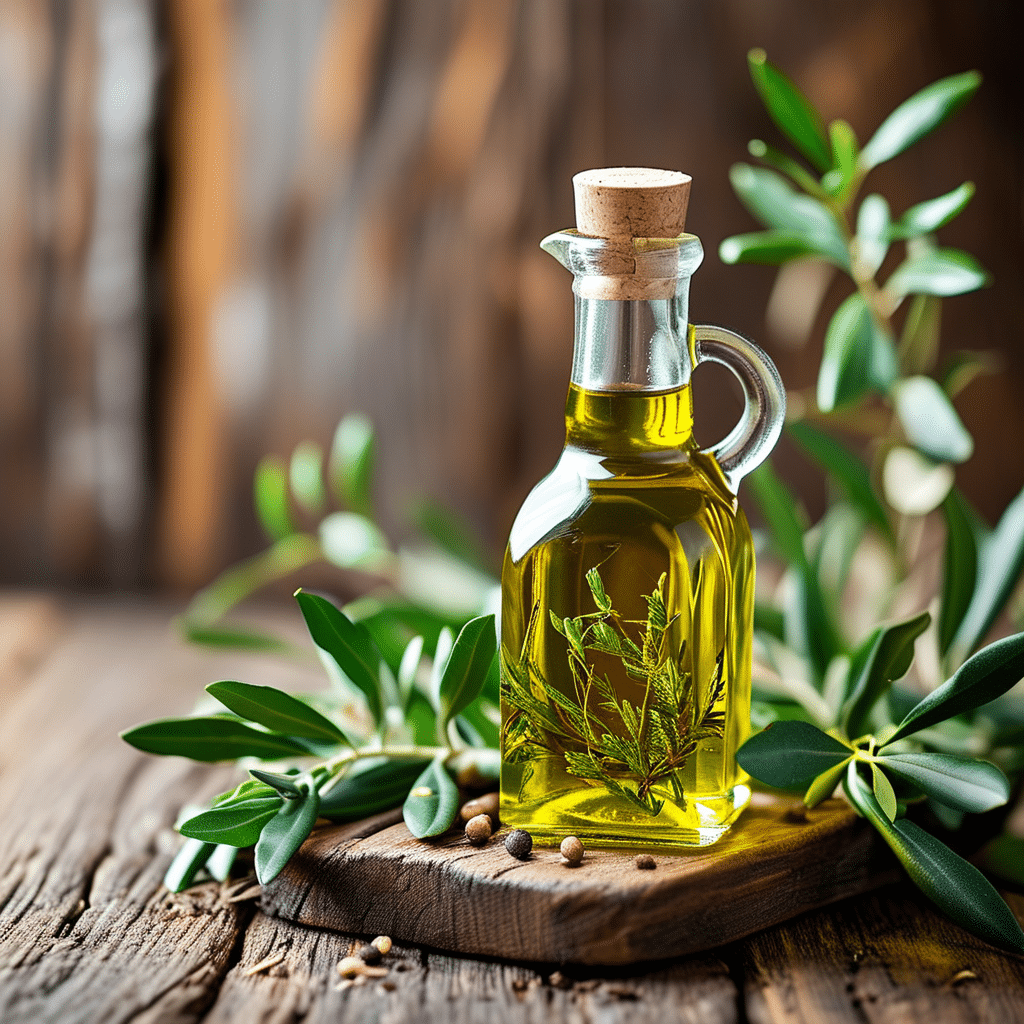
Olive oil, often hailed as “liquid gold,” is much more than just a pantry staple; it’s a culinary powerhouse that elevates dishes across global cuisines. From the sun-drenched shores of the Mediterranean to your very own kitchen, its versatility knows no bounds. While many immediately associate it with vibrant salad dressings, the true magic of olive oil unfolds in its myriad applications: roasting vegetables to perfection, sautéing aromatics that build the foundation of flavor, and even in surprisingly delightful baking endeavors. If you’re looking to explore a world of delicious and wholesome meals, delving into diverse Olive Oil Recipes is an excellent place to start.
Beyond its incredible flavor, olive oil is celebrated for a wealth of health benefits. It’s a cornerstone of the renowned Mediterranean diet, revered for its positive impact on heart health and its rich antioxidant content. In this comprehensive guide, we’ll dive deep into why olive oil deserves a starring role in your cooking, how to choose the right type for every dish, and provide an array of mouth-watering recipes that showcase its unique charm.
Why Cook with Olive Oil?
Incorporating olive oil into your daily cooking isn’t just a culinary choice; it’s a lifestyle one, offering significant advantages in both nutrition and flavor.
Health Benefits
Olive oil, particularly extra virgin olive oil, is a cornerstone of healthy eating patterns, especially within the context of Mediterranean diet recipes. Its health profile is truly impressive:
- High Monounsaturated Fat Content: It’s predominantly composed of monounsaturated fatty acids, especially oleic acid. This type of healthy fat is known to help lower “bad” LDL cholesterol while increasing “good” HDL cholesterol, contributing significantly to cardiovascular support.
- Anti-inflammatory Properties and Antioxidants: Extra virgin olive oil is packed with powerful antioxidants like polyphenols and vitamin E. These compounds combat oxidative stress and inflammation in the body, offering protective effects against chronic diseases. This makes it an ideal ingredient for those seeking healthy fat recipes.
Flavor Enhancement
The role of olive oil in enhancing flavor is profound and often underestimated. It’s not just a cooking medium; it’s an ingredient that contributes its own unique notes:
- How Different Oils Affect Taste: Just like wine, olive oils vary widely. Some are intensely grassy and peppery, leaving a pleasant zing at the back of the throat, indicative of high polyphenol content. Others are buttery, fruity, or delicately mild. These nuances significantly impact the final taste of a dish.
- Pairing Oils with Specific Ingredients: A robust, peppery olive oil might be perfect for drizzling over grilled vegetables, hearty stews, or even a rich beef dish, lending a bold counterpoint. Conversely, a milder, fruitier oil would complement delicate fish, poultry, or a simple pasta dish, allowing their natural flavors to shine without being overshadowed. This thoughtful pairing is key to maximizing your cooking with olive oil experience.
Choosing the Right Olive Oil
Understanding the different types of olive oil and their best uses is crucial for culinary success and enjoying all the benefits of this healthy fat.
Extra Virgin vs. Regular
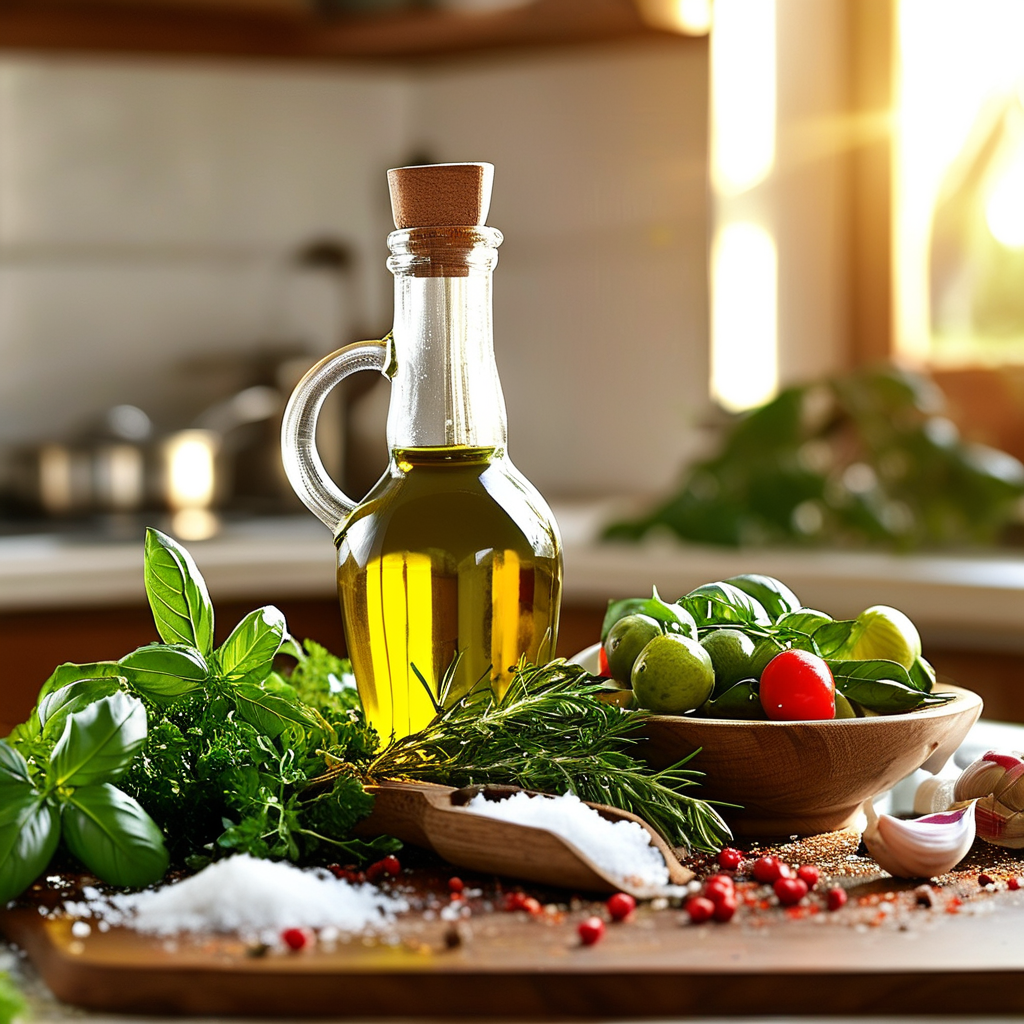
- Differences in Acidity and Processing: Extra virgin olive oil (EVOO) is the highest quality. It’s obtained from the first pressing of olives using only mechanical means, without chemicals or excessive heat. It has a low acidity (typically below 0.8%) and a superior flavor, aroma, and nutrient content. Regular “olive oil” (sometimes labeled “pure” or “light”) is often a blend of refined olive oil and a small amount of virgin olive oil. The refining process uses heat and chemicals to remove defects, resulting in a milder flavor and lighter color, but also stripping away some of the beneficial compounds.
- When to Use EVOO vs. Regular: Use EVOO for applications where its flavor can truly shine: as a finishing oil over soups and salads, for dipping bread, in homemade salad dressings, or for light sautéing where the temperature isn’t excessively high. Its delicate flavor and nutrients are best preserved when raw or gently heated. Regular olive oil, with its higher smoke point and neutral flavor, is more suited for general cooking, roasting, or pan-frying where you need a reliable cooking fat without a dominant olive flavor.
Understanding Smoke Point
There’s a persistent myth that olive oil has a very low smoke point, making it unsuitable for high-heat cooking. Let’s debunk that:
- Debunking the High-Heat Myth: The smoke point of extra virgin olive oil typically ranges from 375°F to 405°F (190°C to 207°C), depending on its quality and free fatty acid content. Regular olive oil has an even higher smoke point, often around 410°F to 470°F (210°C to 243°C). These ranges are perfectly suitable for most common cooking methods.
- Safe Temperature Ranges for Sautéing and Roasting: You can confidently use olive oil for sautéing, pan-frying, and roasting. Sautéing typically occurs between 325-375°F (160-190°C), and most roasting temperatures fall between 375-450°F (190-230°C). This means olive oil is a versatile and healthy choice for daily cooking, contradicting the myth that it can only be used cold. Understanding olive oil smoke point is key to proper use.
Storage Tips
Proper storage is essential to preserve the quality and extend the shelf life of your olive oil:
- Protecting Oil from Light, Heat, and Air: Olive oil’s enemies are light, heat, and air. Always store it in a cool, dark place, away from direct sunlight and stovetop heat. An opaque bottle (dark glass or tin) is best to protect it from light. Keep the cap tightly sealed to minimize exposure to air. This helps maintain its fresh flavor and beneficial compounds, especially for premium cold pressed olive oil.
“Olive oil is not just a cooking fat; it’s an ingredient that brings its own character to every dish. Understanding its nuances is the secret to unlocking incredible flavor.” – Expert Food Blogger
Top Olive Oil Recipes by Category
Ready to put your knowledge to the test? Here are some essential Olive Oil Recipes to inspire your culinary journey across various categories.

1. Savory Starters & Salads
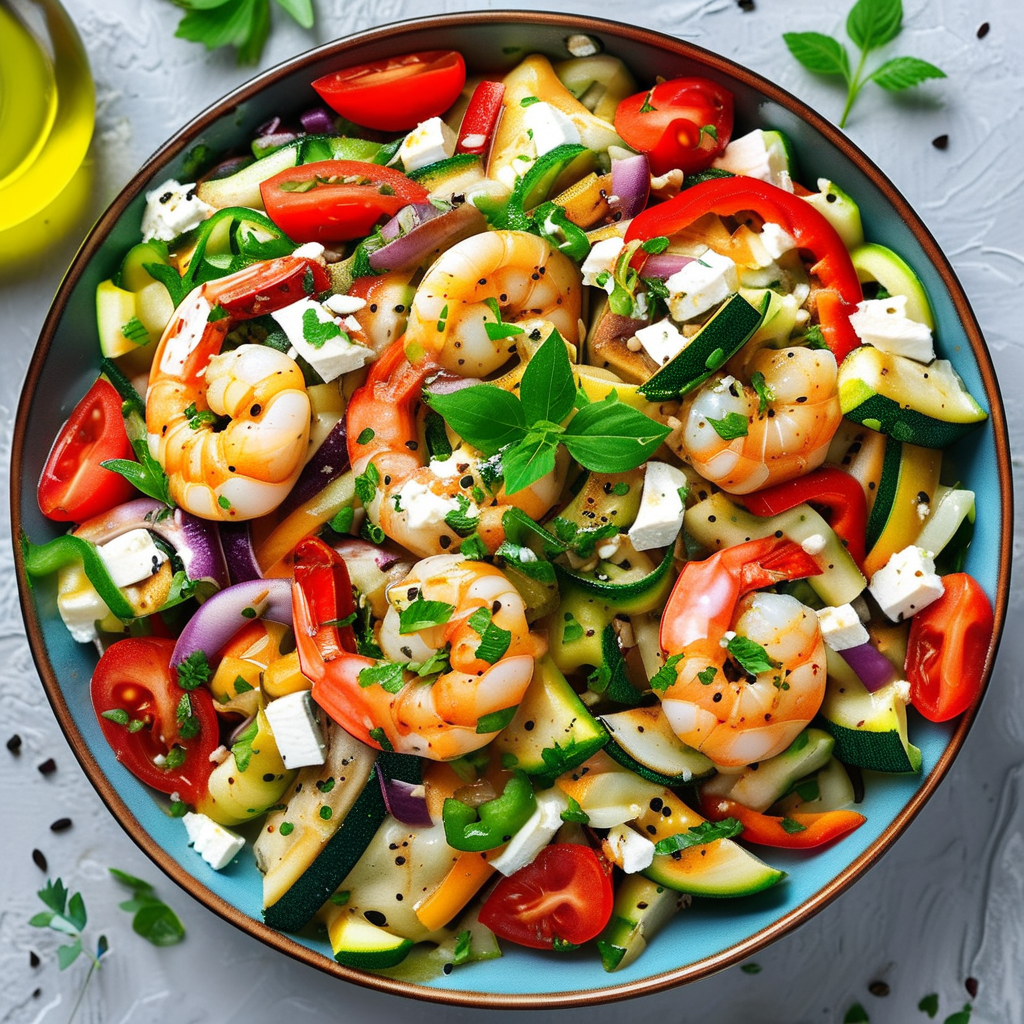
- Classic Greek Salad: A simple yet profound dish. Combine ripe tomatoes, crisp cucumbers, red onion, Kalamata olives, and crumbled feta cheese. The magic comes from a generous drizzle of high-quality extra virgin olive oil, a splash of red wine vinegar, and a sprinkle of dried oregano. The oil emulsifies with the vinegar, coating every ingredient in a luscious, flavorful film.
- Homemade Vinaigrettes: Forget store-bought! A basic vinaigrette ratio is 3 parts olive oil to 1 part vinegar (red wine, balsamic, or apple cider). Whisk together EVOO, your chosen vinegar, a dollop of Dijon mustard, salt, pepper, and a touch of honey or maple syrup for balance. This creates a beautifully emulsified homemade salad dressing that’s superior in flavor and free of unnecessary additives.
- Hummus: For irresistibly creamy hummus, the right amount of good olive oil is crucial. Blend chickpeas, tahini, lemon juice, garlic, and a generous pour of EVOO until silky smooth. A final swirl of olive oil on top before serving adds a luxurious finish and depth of flavor.
2. Main Courses
From simple pasta to hearty roasts, cooking with olive oil elevates main dishes with its rich taste and healthy fats.
- Pasta Aglio e Olio: The ultimate minimalist pasta. Sauté thinly sliced garlic in plenty of extra virgin olive oil until fragrant but not browned. Add red pepper flakes for heat. Toss with cooked spaghetti, a splash of pasta water, and fresh parsley. The olive oil isn’t just a cooking medium; it forms the backbone of this exquisite olive oil pasta sauce.
- Herb-Roasted Beef & Vegetables: Olive oil is perfect for roasting. Toss beef chuck steaks and hearty root vegetables like potatoes, carrots, and parsnips with olive oil, rosemary, thyme, salt, and pepper. The olive oil helps caramelize the vegetables, bringing out their sweetness, and contributes to a beautiful sear on the beef, creating a tender, flavorful meal.
- Pan-Seared Fish: Achieve beautifully crispy fish skin every time. Heat olive oil in a skillet over medium-high heat until shimmering. Place fish fillets skin-side down and cook until the skin is golden and crisp, then flip and finish cooking. The olive oil provides excellent heat transfer, ensuring a perfect sear and preventing sticking.
3. Baking & Desserts
Yes, you can bake with olive oil! It adds incredible moisture and a unique flavor profile to desserts, moving beyond traditional butter. These are truly delightful baking with olive oil recipes.
- Olive Oil Granola: A healthier and incredibly flavorful alternative to butter-based granolas. Combine rolled oats, nuts, seeds, cinnamon, and a generous amount of olive oil with maple syrup. Bake until golden and crisp. The olive oil provides a wonderful texture and a subtle, rich flavor.
- Citrus Olive Oil Cakes: This is where olive oil truly shines in baking. Cakes made with olive oil, especially those featuring citrus like oranges or lemons, are incredibly moist, tender, and stay fresh longer than butter cakes. The lemon olive oil cake is a classic, offering a bright, zesty flavor with a sophisticated crumb.
- Chocolate Chip Cookies: For a dairy-free twist or simply a unique flavor, try olive oil in your chocolate chip cookies. It provides a distinct depth of flavor, a slightly chewier texture, and a surprising richness that complements the chocolate beautifully.
Deep Dive: Baking with Olive Oil
Embracing baking with olive oil can transform your desserts, offering new textures and flavor dimensions.
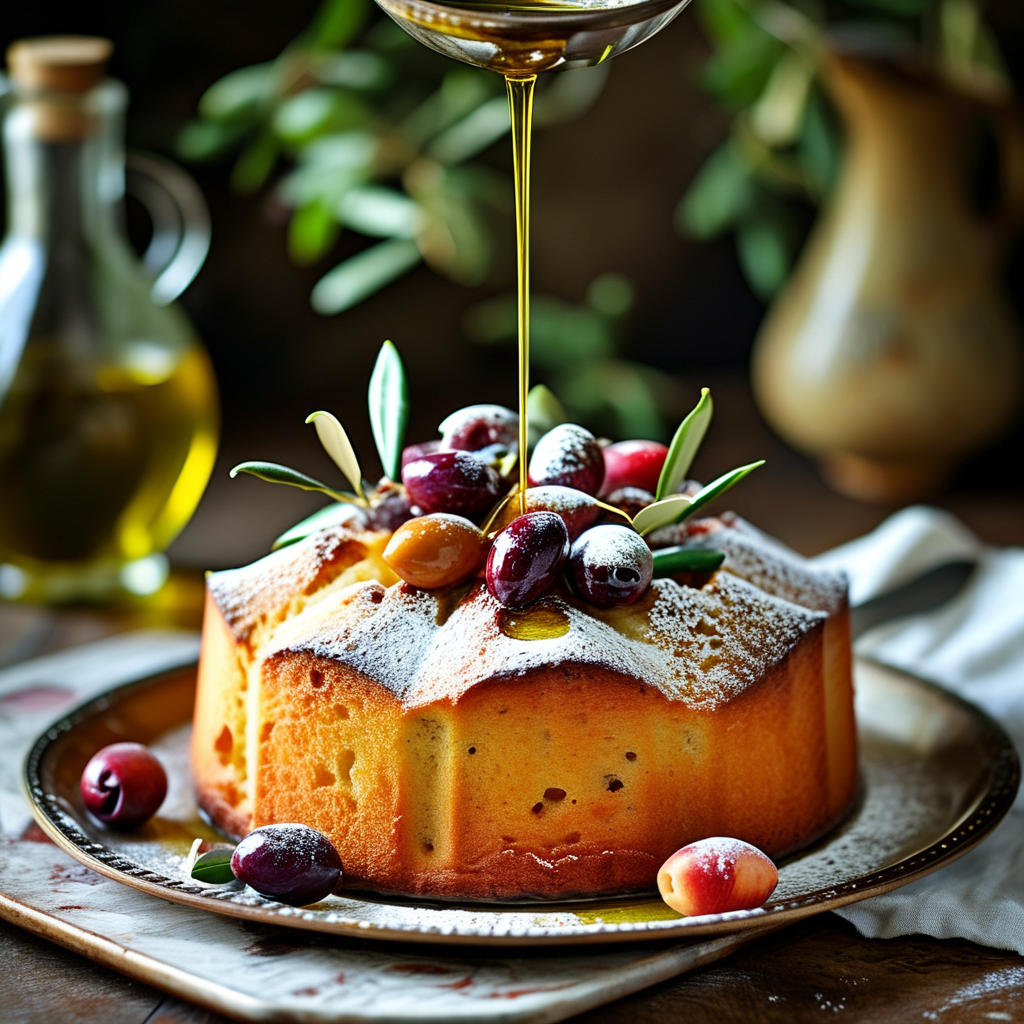
- Converting Butter to Olive Oil (The 3:4 Ratio): When substituting olive oil for butter in baking, a general rule of thumb is to use 3/4 the amount of olive oil. For example, if a recipe calls for 1 cup of butter, use 3/4 cup of olive oil. Keep in mind this is a guideline, and some adjustments might be needed for specific recipes.
- Texture Differences: Olive oil creates a denser, moister crumb in cakes and muffins, often resulting in a richer, more tender texture. Unlike butter, which can make baked goods crumbly when cold, olive oil keeps them pliable and fresh-ttasting for longer.
- Best Flavor Pairings: Olive oil’s distinct flavor pairs exceptionally well with certain ingredients. Citrus fruits (lemon, orange, grapefruit) are classic partners, enhancing the oil’s bright notes. Chocolate, nuts (almonds, walnuts), and herbs like rosemary also marry beautifully with its peppery or fruity undertones. Don’t be afraid to experiment with these combinations in your next lemon olive oil cake or olive oil-infused brownie.
Frequently Asked Questions
Let’s address some common questions about cooking with this versatile oil.
-
Can you fry with extra virgin olive oil?
Yes, you absolutely can! The smoke point of quality extra virgin olive oil is generally between 375°F and 405°F (190°C to 207°C). This temperature range is suitable for most shallow frying, sautéing, and even some pan-frying applications. While deep-frying might be better suited for oils with higher smoke points, EVOO is perfectly fine for everyday frying tasks like cooking eggs, searing vegetables, or pan-frying fish, imparting its wonderful flavor.
-
Does olive oil go bad?
Yes, olive oil can go rancid over time. While it doesn’t “spoil” in the same way dairy or meat does, its flavor, aroma, and beneficial compounds degrade. Typically, an unopened bottle of olive oil can last 18-24 months from the harvest date, and an opened bottle is best used within 6-12 months. Proper storage (away from light, heat, and air) is key to extending its shelf life. Rancid olive oil will have an off-flavor, often described as waxy, metallic, or crayon-like.
-
How does olive oil compare to vegetable oil in baking?
Olive oil offers a distinct advantage over most generic vegetable oils in baking. While both are liquid fats, olive oil (especially extra virgin) contributes a much richer, more nuanced flavor and a moist, tender crumb to baked goods. Vegetable oils, such as canola or sunflower oil, are typically neutral in flavor and don’t add much character. Olive oil also brings a healthier fat profile (monounsaturated) and antioxidants, making it a superior choice for both taste and nutrition in many baked recipes.
Conclusion
From simple dressings to sophisticated desserts, the world of Olive Oil Recipes is vast and incredibly rewarding. We’ve seen how this healthy fat not only enhances flavor but also delivers significant health benefits, making it an indispensable part of a balanced diet. Whether you’re a seasoned chef or a home cook looking to elevate your everyday meals, olive oil offers unparalleled versatility and depth.
Don’t be afraid to experiment with different varieties – from bold and peppery to mild and fruity – to discover how each can transform your dishes. By embracing cooking with olive oil and baking with olive oil, you’re not just adding a delicious ingredient; you’re incorporating healthy fats into daily meals and unlocking a healthier, more flavorful culinary journey. So, grab a bottle, get inspired, and let the liquid gold flow in your kitchen!
Moist Lemon Olive Oil Cake
Ingredients
- 1 3/4 cups All-purpose flour Sifted
- 1 cup Granulated sugar Plus extra for sprinkling
- 1/2 tsp Baking soda
- 1/2 tsp Baking powder
- 1/4 tsp Salt Fine sea salt
- 3 large Eggs Room temperature
- 3/4 cup Extra virgin olive oil High quality, fruity variety
- 1/2 cup Whole milk Or almond milk for dairy-free
- 2 tbsp Lemon zest Freshly grated
- 2 tbsp Lemon juice Freshly squeezed
Instructions
- Preheat your oven to 350°F (175°C). Grease a 9-inch round cake pan with a little olive oil and line the bottom with parchment paper.
- In a medium bowl, whisk together the flour, baking soda, baking powder, and salt. Set aside.
- In a large mixing bowl, beat the eggs and sugar with an electric mixer on medium-high speed for about 1 minute until the mixture is pale and slightly thickened.
- Reduce the mixer speed to low. Slowly drizzle in the olive oil and milk. Add the lemon zest and lemon juice, mixing until just combined.
- Gently fold the dry ingredients into the wet mixture using a spatula. Do not overmix; stop as soon as the flour streaks disappear.
- Pour the batter into the prepared cake pan. Sprinkle a tablespoon of sugar over the top for a crusty finish if desired.
- Bake for 40 to 50 minutes, or until a toothpick inserted into the center comes out clean and the top is golden brown.
- Let the cake cool in the pan for 15 minutes, then run a knife around the edges and invert it onto a wire rack to cool completely before serving.
For more daily recipes and tips, follow us on Facebook!
Click here to join our community!