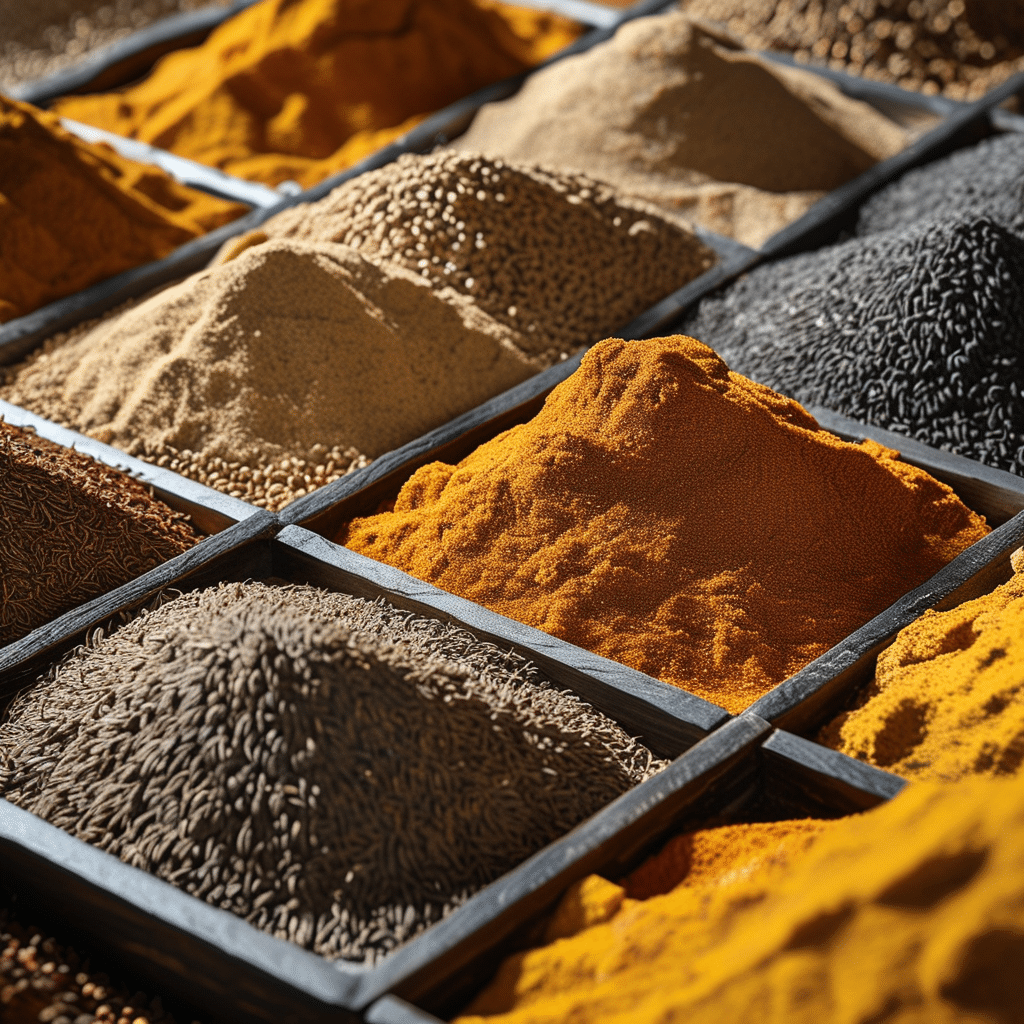
Step into any bustling spice market, and the rich, earthy aroma of cumin is likely to be one of the first scents to greet you. Revered across continents, this humble spice holds a powerful sway over global gastronomy. From the vibrant curries of India to the zesty tacos of Mexico and the fragrant tagines of the Middle East, cumin is a cornerstone ingredient that transforms simple dishes into culinary masterpieces. Its distinctive flavor profile – a complex blend of warm, nutty, and slightly bitter notes with a hint of citrus – makes it incredibly versatile. If you’re looking to elevate your cooking, exploring the world of Cumin Recipes is a fantastic starting point. Get ready to unlock the magic of this ancient spice and bring new depths of flavor to your kitchen.
Understanding Cumin: Seeds vs. Powder
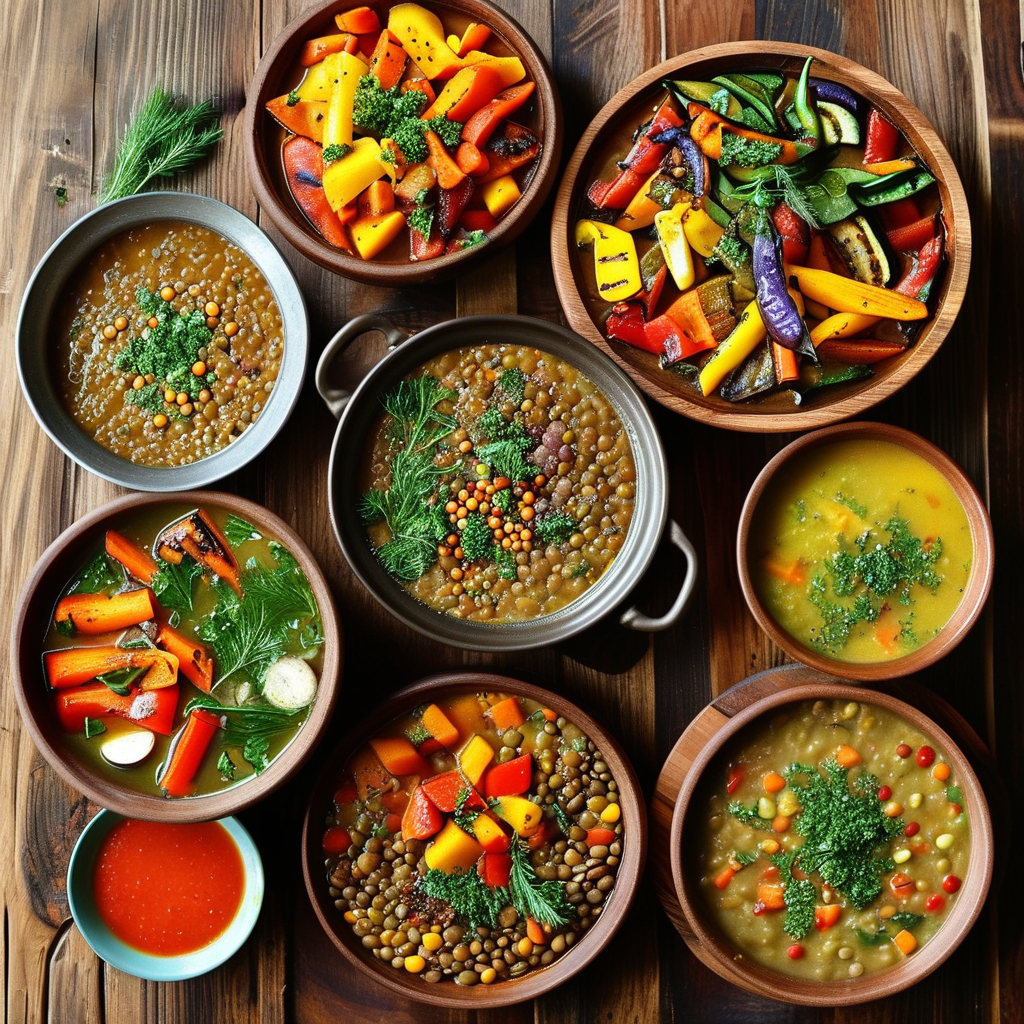
Cumin comes in two primary forms: whole seeds and ground powder, each offering unique applications and flavor intensities in cooking with spices. Understanding when and how to use each form is key to maximizing their potential.
Whole Cumin Seeds
- Best for: Whole cumin seeds are ideal for tempering in hot oil (a technique known as “blooming” or “tadka” in Indian cuisine) at the very beginning of cooking. This process awakens their aromatic oils, infusing the oil with a deep, nutty flavor that permeates the entire dish. Think of them crackling gently in oil before you add onions or vegetables.
- Flavor Retention: Due to their intact structure, whole cumin seeds retain their essential oils and flavor much longer than their ground counterpart. They can be stored for extended periods without significant loss of potency.
- Texture and Presentation: Whole seeds also add a pleasant textural element and visual appeal to dishes like jeera rice recipe or roasted vegetables.
Ground Cumin
- Best for: Ground cumin, with its fine texture, is perfect for marinades, spice rubs, salad dressings, and as a finishing spice. Its flavor is more immediate and integrates seamlessly into sauces and mixtures. It’s a staple in many mexican taco seasoning ingredients and homemade spice blends.
- Cooking Tip: A crucial aspect of using ground cumin is its tendency to burn quickly, which can lead to a bitter taste. To prevent this, always add ground cumin with liquids (like broth or crushed tomatoes) or later in the cooking process, allowing it to gently meld with other ingredients without scorching. This ensures you get the full, rich flavor without any harshness. Many cooks rely on ground cumin uses for its convenience and rapid flavor release.
Health Benefits of Cooking with Cumin
Beyond its incredible flavor, cumin is celebrated for its impressive array of health benefits, making it a valuable addition to your diet. Incorporating cumin into your daily meals isn’t just about taste; it’s also about nourishing your body.
- Digestive Aid and Gut Health Support: Cumin has long been recognized for its carminative properties, meaning it can help relieve indigestion, bloating, and gas. It stimulates the secretion of digestive enzymes, promoting efficient digestion and supporting overall gut health. This makes it a popular ingredient in many traditional remedies.
- Rich Source of Iron and Antioxidants: Cumin is an excellent non-heme source of iron, vital for energy production and oxygen transport in the body. Just a teaspoon can provide a significant boost. Furthermore, it’s packed with powerful antioxidants, such as phenols, flavonoids, and alkaloids, which help combat free radicals and reduce oxidative stress, contributing to cellular health.
- Potential Anti-inflammatory Properties: Emerging research suggests that compounds found in cumin possess anti-inflammatory properties. Regular consumption may help reduce chronic inflammation, which is linked to various health conditions. Its natural compounds work to soothe and protect the body.
“Cumin isn’t just a spice; it’s a wellness booster. Its earthy notes hide a powerful arsenal of health benefits, from aiding digestion to fortifying your body with essential nutrients.”
Top Cumin Recipes to Try
Ready to put your understanding of this amazing spice into practice? Here are some diverse and delicious Cumin Recipes that showcase its versatility across various culinary styles, from appetizers to hearty main courses and indian cumin dishes.
Appetizers and Snacks
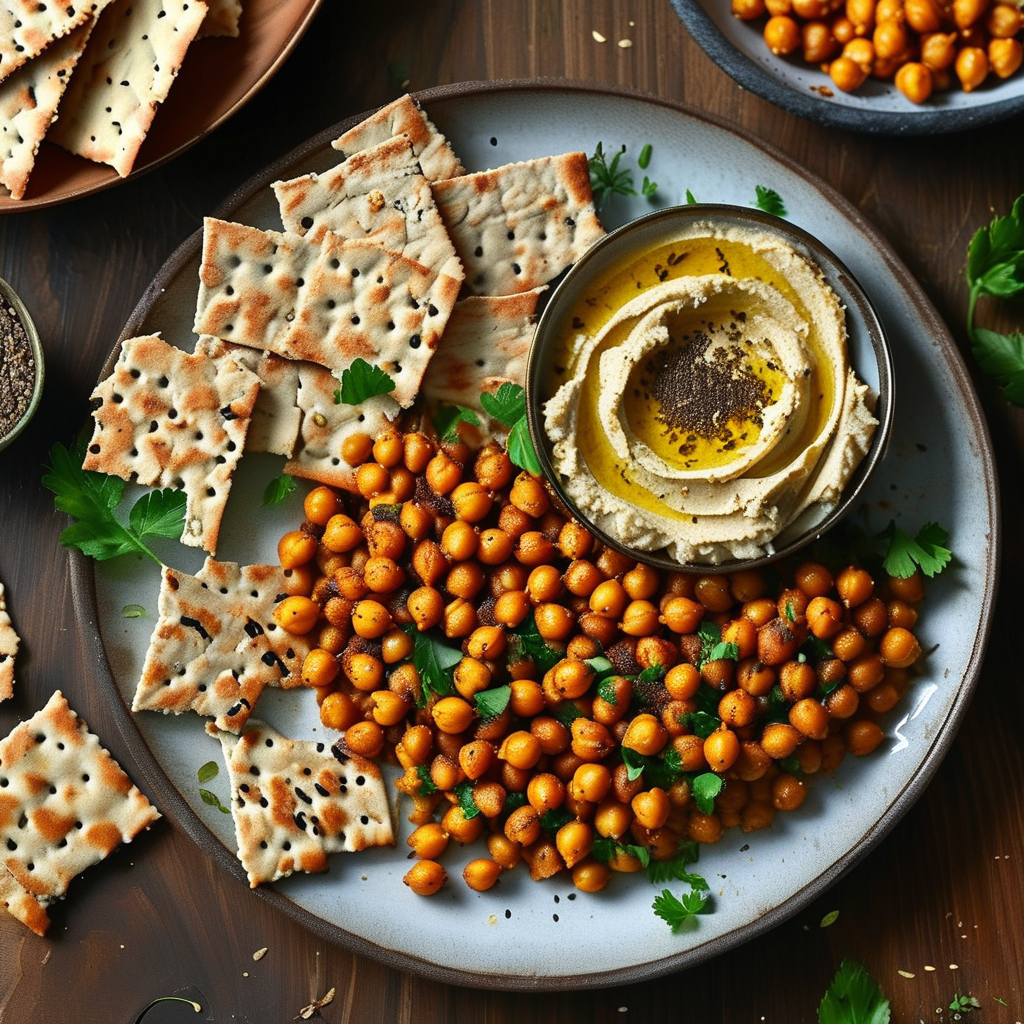
- Roasted Cumin Chickpeas: A remarkably simple yet addictive snack. Toss drained and dried chickpeas with olive oil, a generous sprinkle of ground cumin, salt, and a pinch of chili powder. Roast until crispy for a protein-rich, crunchy treat perfect for snacking or as a salad topper. The roasted cumin seeds could also be used here for a more robust flavor.
- Smoky Cumin Hummus: Elevate your traditional hummus with the deep, warm notes of cumin. Toast whole cumin seeds lightly in a dry pan until fragrant, then grind them before adding to your hummus recipe. The result is a creamy, flavorful dip with an irresistible smoky depth that pairs wonderfully with warm pita bread or fresh vegetables. This is a great example of ground cumin uses in a spread.
Hearty Soups and Stews
- Red Lentil Soup (Masoor Dal): A classic, comforting indian cumin dish, this vibrant soup relies heavily on the aromatic tempering of whole cumin seeds and ground cumin. Simmer red lentils with onions, garlic, ginger, tomatoes, and a blend of spices, including turmeric and coriander, with a final garnish of bloomed cumin seeds for an authentic, wholesome meal.
- Tomato and Cumin Soup: A tangy, warming comfort food. Sauté onions and garlic, then add crushed tomatoes, vegetable broth, and a generous amount of ground cumin. A touch of smoked paprika can enhance the depth. Blend until smooth for a creamy, zesty soup that’s both light and satisfying.
Main Courses
- Cumin-Rubbed Steak: For a simple preparation with incredibly bold flavors, create a dry rub using ground cumin, garlic powder, onion powder, salt, and black pepper. Generously coat your favorite cut of steak before searing or grilling to perfection. The cumin creates a beautiful crust and infuses the beef with an earthy, savory aroma.
- Lamb and Cumin Stew: Slow-cooked tenderness is the hallmark of this hearty stew. Brown chunks of lamb, then simmer with diced vegetables (carrots, potatoes, celery), beef broth, and a substantial amount of ground cumin along with other aromatics like coriander and paprika. The slow cooking allows the flavors to meld beautifully, creating a rich and comforting dish.
- Featured Dish: Zesty Cumin Spiced Beef Tacos (See Recipe Card): A fiesta for your taste buds! Brown ground beef with a generous mix of mexican taco seasoning ingredients, featuring prominent notes of ground cumin, chili powder, paprika, and oregano. Add a splash of lime juice for brightness. Serve in warm tortillas with your favorite toppings like salsa, guacamole, and a sprinkle of fresh cilantro. This dish perfectly exemplifies the vibrant ground cumin uses in Tex-Mex cuisine.
Expert Cooking Tips for Maximum Flavor
To truly master the art of cooking with spices, especially cumin, keep these expert tips in mind. They’ll help you unlock the fullest potential of its flavor and aroma, whether you’re making homemade spice blends or individual dishes.

- Toasting is Key: Always dry roast whole cumin seeds in a hot, dry pan over medium heat for a few minutes until they become fragrant and slightly darker. This process, known as blooming, releases their essential oils, intensifying their nutty and earthy notes. Let them cool, then grind them fresh for unparalleled flavor in any recipe. Even ground cumin can benefit from a quick toast before adding liquids, but be very careful not to burn it.
- Perfect Pairing: Cumin is a team player. It pairs perfectly with a range of other spices, enhancing and complementing their flavors. Classic pairings include coriander (especially in Indian and Middle Eastern cuisines), chili powder (essential for Mexican and Tex-Mex dishes), and turmeric. Experiment with these combinations to create balanced and complex flavor profiles.
- Storage Matters: To preserve the potency and longevity of both whole and ground cumin, store them in airtight containers away from direct sunlight, heat, and moisture. A cool, dark pantry is ideal. While whole seeds can last up to 3-4 years, ground cumin begins to lose its flavor after about 6 months, so it’s best to buy it in smaller quantities if you don’t use it frequently.
FAQs
How do I substitute ground cumin for whole seeds?
As a general rule, use half the amount of ground cumin when substituting for whole seeds. For example, if a recipe calls for 1 teaspoon of whole cumin seeds, use 1/2 teaspoon of ground cumin. Remember that ground cumin has a more intense and immediate flavor, and it also lacks the textural element of whole seeds. For best results, toast whole seeds and grind them fresh.
Can I use caraway seeds as a substitute for cumin?
While caraway seeds share some visual similarities with cumin, they have a distinctly different flavor profile, often described as having notes of anise and dill, rather than cumin’s earthy and nutty character. Therefore, caraway seeds are generally not recommended as a cumin substitute if you’re aiming for the authentic flavor of a cumin-centric dish. Instead, a small amount of chili powder or even a dash of coriander might be a better (though still imperfect) stand-in if absolutely necessary.
How long does ground cumin last?
Ground cumin typically retains its peak flavor and aroma for about 6 months to 1 year when stored properly in an airtight container away from light, heat, and moisture. After this period, it won’t necessarily “go bad” in a harmful way, but its potency will diminish significantly, resulting in less flavorful dishes. Whole cumin seeds, on the other hand, can last for 3-4 years under the same storage conditions.
Conclusion
From igniting the flavors in humble legumes to giving a punch to a robust beef stew, cumin is a true culinary powerhouse. Its versatility, coupled with its remarkable health benefits, cements its place as an indispensable spice in kitchens worldwide. Whether you prefer the aromatic burst of roasted cumin seeds or the smooth integration of ground cumin uses in your dishes, this spice promises to elevate your cooking.
We’ve explored everything from its different forms and applications to its incredible impact on your well-being. Now it’s your turn to experiment. Don’t be shy about incorporating more Cumin Recipes into your repertoire and discovering new ways to enhance your meals. Dive into the world of homemade spice blends, play with various global cuisines, and let the earthy magic of cumin transform your everyday cooking into an extraordinary culinary adventure. Happy cooking!
Zesty Cumin Spiced Beef Tacos
Ingredients
- 1 lb lean ground beef 90% lean preferred
- 1 tbsp ground cumin freshly ground if possible
- 2 tbsp chili powder adjust for heat preference
- 1/2 cup yellow onion finely chopped
- 2 cloves garlic minced
- 1 tsp dried oregano Mexican oregano if available
- 1/2 cup tomato sauce canned
- 12 shells taco shells hard or soft
Instructions
- Heat a large skillet over medium-high heat. Add the ground beef and chopped onion.
- Cook, breaking up the beef with a wooden spoon, until the meat is browned and onions are translucent (about 6-8 minutes).
- Add the minced garlic and cook for 1 minute until fragrant, being careful not to burn it.
- Drain any excess fat from the skillet.
- Stir in the ground cumin, chili powder, and dried oregano, coating the meat evenly.
- Pour in the tomato sauce and reduce heat to low.
- Simmer for 5-8 minutes until the sauce has thickened and the flavors have melded.
- Serve hot inside taco shells with your favorite toppings like lettuce, cheese, and salsa.
For more daily recipes and tips, follow us on Facebook!
Click here to join our community!