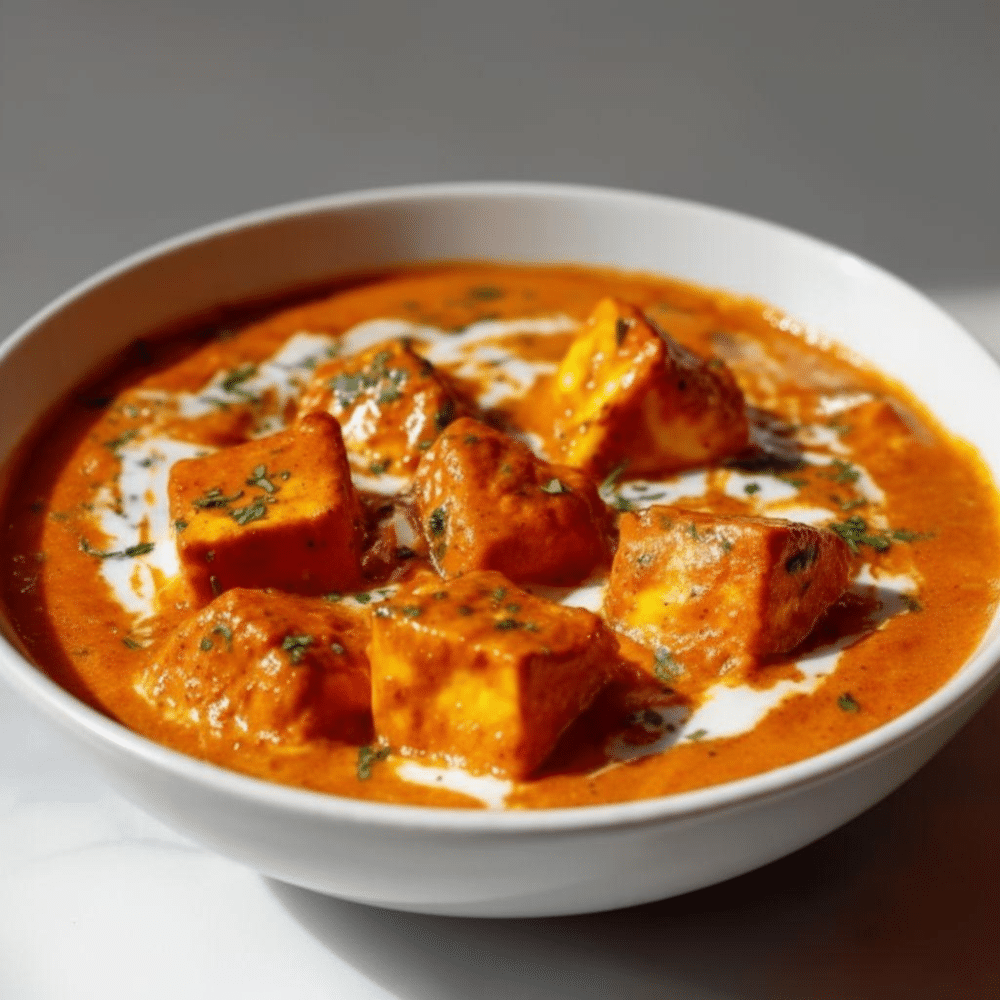
There are some dishes that simply define comfort and celebration, and for many, a deeply satisfying bowl of Creamy Shahi Paneer sits proudly at the top of that list. Imagine tender cubes of fresh Indian cottage cheese luxuriating in a velvety, rich tomato gravy, fragrant with aromatic spices and a touch of sweetness. It’s a culinary experience that transports you straight to the heart of a royal Indian feast, right in your own kitchen.
As an expert food blogger, I’ve spent countless hours perfecting recipes that bring the authentic taste of restaurant-style Indian cuisine home. Today, we’re diving deep into the art of creating a truly spectacular Shahi Paneer – a dish that’s not just food, but a journey through flavor and history. Forget the takeout; this is the definitive guide to mastering a meal that will impress everyone at your table and become a staple in your vegetarian Indian dinner repertoire.
What is Shahi Paneer?
At its core, Shahi Paneer is a mild, rich, and utterly luxurious indian cottage cheese curry. The word “Shahi” itself means royal, and this dish lives up to its name with a grandeur of flavors and textures. Unlike some spicier Indian curries, Shahi Paneer leans into a delicate balance of sweetness and mild spice, making it incredibly palatable and a favorite among those who prefer less heat.
The star ingredient, paneer, is typically simmered in a creamy sauce made from a base of tomatoes, onions (optional, as we’ll see), cashews, and a medley of whole and ground spices. The result is a thick, opulent gravy that perfectly coats the soft paneer, offering a truly indulgent experience that’s perfect for special occasions or when you simply crave something extraordinary.
The Mughlai Origins
The history of Shahi Paneer is as rich and flavorful as the dish itself. This curry traces its roots back to the kitchens of the Mughal emperors, who ruled vast parts of the Indian subcontinent for centuries. The Mughals were renowned for their sophisticated palate and their contributions to Indian cuisine, characterized by liberal use of nuts, dried fruits, cream, and aromatic spices – ingredients that still define the distinctive taste of Mughlai cuisine today.
The term Mughlai paneer recipe often conjures images of opulent feasts, and Shahi Paneer embodies this tradition perfectly. It was designed to be a dish fit for royalty, showcasing richness and refinement rather than fiery heat. The use of cream, cashews, and saffron (though optional in many modern versions) was a hallmark of the imperial kitchens, making this dish a timeless classic that continues to be cherished.
Key Ingredients for Restaurant-Style Flavor
To truly achieve that sought-after restaurant style shahi paneer, the quality and preparation of your ingredients are paramount. Each component plays a crucial role in building the layered flavors and the signature velvety texture.
Choosing the Right Paneer
The foundation of this exquisite curry is, of course, the paneer. For the best results, opt for fresh, firm paneer. If you can find locally made paneer, that’s often ideal. Avoid paneer that crumbles easily or feels too dry. If using store-bought paneer, gently pressing it between paper towels can help remove excess moisture, and a quick soak in warm water before adding it to the curry can significantly enhance its softness and ability to absorb the flavors of the rich tomato gravy.
The Importance of Cashews and Cream
These two ingredients are non-negotiable for achieving the authentic creaminess and body of Shahi Paneer. Cashews, when soaked and ground into a paste, create a luxurious, thick texture and a subtle sweetness that balances the tang of the tomatoes. This cashew cream sauce is the secret to the dish’s signature richness. Heavy cream or full-fat dairy cream adds another layer of indulgence, contributing to the silky-smooth mouthfeel and the beautiful pale color of the finished curry. Don’t skimp on these; they are what elevate this dish from good to truly exceptional.
Essential Whole and Ground Spices
The magic of Indian cuisine lies in its masterful use of spices. For an authentic shahi paneer, you’ll need a blend of both whole and ground spices:
- Whole Spices: Green cardamom pods, cinnamon sticks, cloves, bay leaf. These are tempered in oil to release their essential oils, creating an aromatic base.
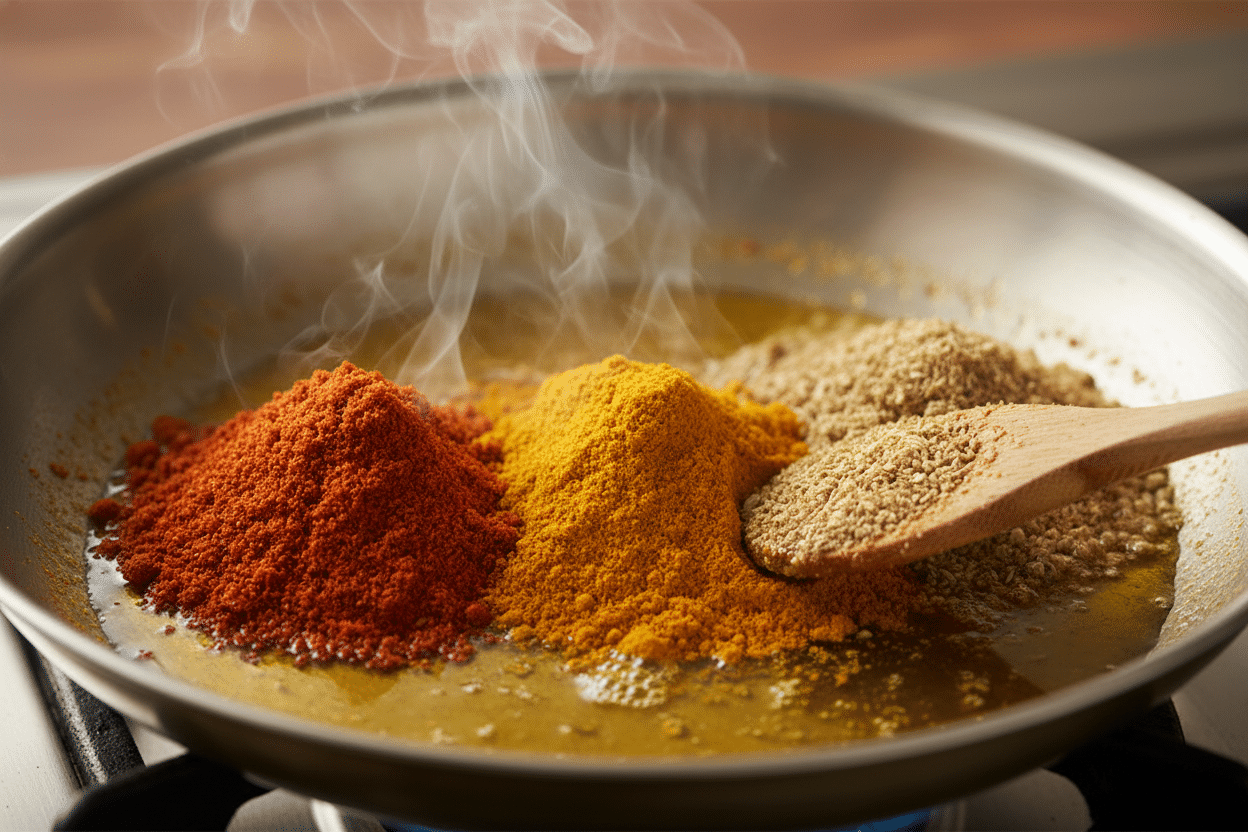
- Ground Spices: Turmeric powder (for color and earthy notes), Kashmiri chili powder (for vibrant red color without too much heat), coriander powder, cumin powder, and garam masala (added towards the end for its complex, warming blend).
Fresh ginger and garlic paste are also fundamental, providing a pungent aromatic foundation that deepens the curry’s flavor profile.
Step-by-Step Cooking Instructions
Now that we have our ingredients ready, let’s dive into creating this royal delight. Follow these steps closely for a truly remarkable paneer experience.
Making the Silky Base Paste
- Soak Cashews: Begin by soaking about 1/2 cup of cashews in hot water for at least 15-20 minutes, or cold water for an hour. This softens them, ensuring a super smooth paste.
- Prepare Aromatics: Roughly chop 1 large onion (if using) and 2-3 medium tomatoes. Have your ginger-garlic paste (1 tablespoon each) ready. If using green chilies for a mild kick, keep 1-2 ready.
- Sauté Base Ingredients: In a pan, heat a tablespoon of oil. Add the chopped onion and sauté until translucent. Add ginger-garlic paste and green chilies, cooking for a minute until fragrant.
- Add Tomatoes & Cashews: Stir in the chopped tomatoes. Cook until they soften completely. Drain the soaked cashews and add them to the pan. Cook for another 2-3 minutes.
- Cool & Blend: Remove the mixture from heat and let it cool slightly. Transfer it to a blender with a little water (about 1/4 cup) and blend into an absolutely smooth, lump-free paste. This is your foundation for the rich tomato gravy.
Tempering the Spices
- Heat Fat: In a large, heavy-bottomed pan or Dutch oven, heat 2 tablespoons of ghee or oil over medium heat.
- Add Whole Spices: Once hot, add your whole spices: 2 green cardamom pods, 1 small cinnamon stick, 2-3 cloves, and 1 bay leaf. Sauté for 30 seconds until fragrant, being careful not to burn them.
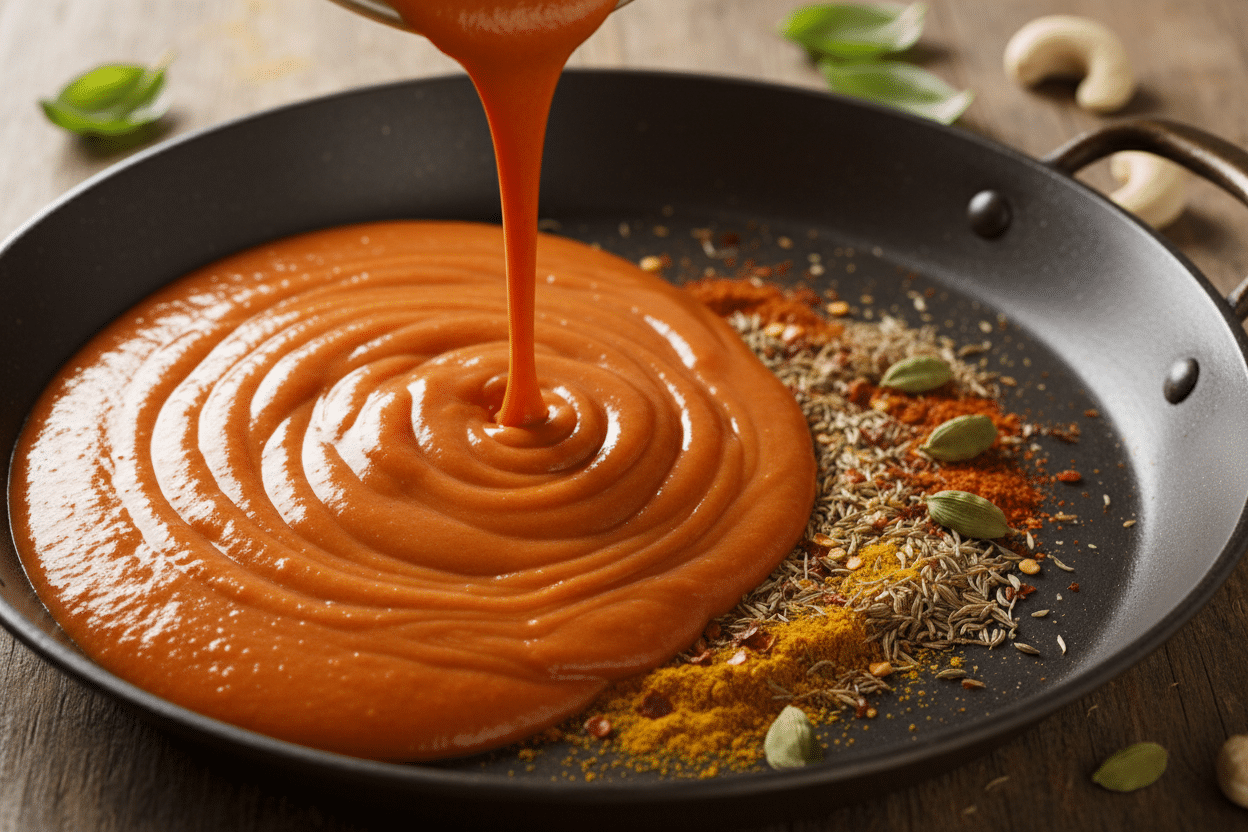
- Introduce Paste: Carefully pour the blended smooth paste into the pan. Be cautious as it might splatter. Reduce the heat to low-medium.
- Cook the Paste: Cook the paste, stirring frequently, for about 8-10 minutes. It’s crucial to cook it until the moisture reduces, and the mixture thickens and darkens slightly, and ghee/oil starts to separate from the sides. This step is key for depth of flavor.
Simmering the Curry
- Add Ground Spices: Stir in 1/2 teaspoon turmeric powder, 1 teaspoon Kashmiri chili powder, 1 teaspoon coriander powder, and 1/2 teaspoon cumin powder. Mix well and cook for another 2-3 minutes, stirring continuously to prevent sticking. Add a splash of water if needed to prevent spices from burning.
- Adjust Consistency: Gradually add 1/2 to 1 cup of warm water or vegetable broth to achieve your desired curry consistency. Bring the mixture to a gentle simmer.
- Introduce Paneer: Gently add the cubed paneer to the simmering curry. If you soaked your paneer in warm water, drain it before adding. Simmer for 5-7 minutes, allowing the paneer to absorb the flavors. Avoid overcooking the paneer, as it can become tough.
- Finish with Cream and Garam Masala: Stir in 1/2 cup of heavy cream (or cashew cream for a vegan option) and 1/2 teaspoon of garam masala. Mix gently.
- Sweetness and Seasoning: Add 1-2 teaspoons of sugar (or to taste) to balance the tanginess of the tomatoes and enhance the rich flavor. Season with salt to taste.
- Garnish: Garnish with fresh chopped cilantro and optionally a drizzle of cream or a pinch of dry fenugreek leaves (kasoori methi) crushed between your palms for an extra layer of aroma.
Serve your beautiful creation hot!
Expert Cooking Tips for the Softest Paneer
“The secret to melt-in-your-mouth paneer is gentle handling and precise cooking. Never boil paneer vigorously in the curry, and a quick soak before adding can make all the difference.” – Chef Ritu Sharma
- Soak Your Paneer: If your paneer feels a bit firm, cut it into cubes and soak it in warm water for 15-20 minutes before adding it to the curry. This makes it incredibly soft and porous, allowing it to soak up all the delicious flavors.
- Don’t Overcook: Paneer cooks very quickly. Once added to the simmering gravy, 5-7 minutes is usually enough. Overcooking will make it rubbery and tough.
- Gentle Stirring: Paneer can be delicate. Stir the curry gently after adding the paneer to prevent it from breaking apart.
- Taste and Adjust: Always taste your gravy before adding paneer and adjust salt, sugar, and spices. The balance of sweet, tangy, and savory is key to a perfect Shahi Paneer.
Variations to Try
While the classic Creamy Shahi Paneer is undeniably delicious, these variations allow you to customize it to different dietary needs or flavor preferences.
Nut-Free Alternative
If you have nut allergies or prefer a nut-free version, you can substitute cashews with other ingredients that provide similar thickness and creaminess. Poppy seeds (khus khus) or melon seeds (magaz) can be soaked and ground into a paste, offering a different but equally effective texture. Alternatively, a paste made from blanched almonds (if not nut-allergic) or simply a bit more cream and a thickening agent like cornstarch slurry can work in a pinch.
Vegan ‘Shahi Paneer’ Option
Creating a vegan version is straightforward! Replace the paneer with extra-firm tofu, pressed and cubed, then lightly pan-fried until golden for texture. For the cream, use full-fat coconut milk or a homemade cashew cream (soaked cashews blended with water) instead of dairy cream. Ensure your ghee is replaced with oil, and you have a delightful plant-based “Shahi Tofu” that captures the essence of the original.
No Onion, No Garlic Version
For those observing specific dietary practices, a no-onion, no-garlic Shahi Paneer is entirely possible and still incredibly flavorful. Simply omit the onion and garlic paste from the base. You might want to increase the ginger slightly for extra zing. The richness will still come from the tomatoes, cashews, and cream, beautifully complemented by the whole and ground spices.
What to Serve with Creamy Shahi Paneer
A dish as regal as this deserves equally delightful accompaniments. Shahi Paneer pairs wonderfully with a variety of Indian breads and rice dishes, making it a complete and satisfying vegetarian Indian dinner:
- Naan: Soft, chewy naan bread is perfect for scooping up every last bit of that luscious gravy. Garlic naan or butter naan are particularly good choices.
- Roti or Chapati: For a lighter option, homemade whole wheat roti or chapati works beautifully.
- Jeera Rice: Simple cumin-infused basmati rice provides a fragrant, fluffy base.
- Pulao: A fragrant vegetable pulao or a mild saffron pulao would elevate the meal to another level of elegance.
- Side Salad or Raita: A refreshing kachumber salad (diced cucumber, tomato, onion) or a cool cucumber raita can provide a lovely contrast to the richness of the curry.
Frequently Asked Questions (FAQs)
Can I make Shahi Paneer ahead of time?
Absolutely! Shahi Paneer, like many Indian curries, often tastes even better the next day as the flavors meld and deepen. Store it in an airtight container in the refrigerator for up to 3-4 days. Reheat gently on the stovetop, adding a splash of water or milk if it’s too thick.
Is Shahi Paneer spicy?
Traditionally, Shahi Paneer is a mild curry, designed for richness and aroma rather than heat. The spice level is typically very low, making it palatable for most tastes, including children. If you prefer a bit of a kick, you can add more green chilies or a pinch of regular red chili powder along with the Kashmiri chili.
What’s the difference between Shahi Paneer and Paneer Butter Masala?
While both are rich and popular indian cottage cheese curry dishes, they have distinct profiles. Paneer Butter Masala typically has a more pronounced tangy tomato flavor, often with a hint of smoky char (from tandoor-cooked paneer or a smoky finish) and a higher butter content. Shahi Paneer, on the other hand, is generally milder, sweeter, and relies more heavily on cashews and cream for its signature velvety texture and light color, making it slightly more ‘royal’ and less tangy.
Can I freeze Shahi Paneer?
Yes, you can freeze Shahi Paneer! Allow it to cool completely, then transfer it to freezer-safe containers. It can be frozen for up to 2-3 months. Thaw overnight in the refrigerator and reheat gently on the stovetop. Note that sometimes dairy-based sauces can separate slightly upon thawing, but a good stir will usually bring it back together.
There you have it – your comprehensive guide to creating a truly majestic Creamy Shahi Paneer. This is more than just a recipe; it’s an invitation to experience the grandeur of Mughlai cuisine in your own home. Enjoy the process, savor the flavors, and share this incredible dish with your loved ones.
For more delicious recipes, cooking tips, and culinary inspiration, be sure to follow us on Facebook! You can find us at: https://www.facebook.com/profile.php?id=61568538666337
Creamy Shahi Paneer
Ingredients
- 14 oz Paneer Cut into bite-sized cubes
- 2 tbsp Ghee Can substitute with butter
- 2 medium Onions Roughly chopped
- 3 medium Tomatoes Roughly chopped
- 1/4 cup Cashews Soaked in warm water for 15 minutes
- 1 tbsp Ginger garlic paste
- 1 tsp Kashmiri red chili powder For vibrant color without extreme heat
- 1 tsp Garam masala
- 1/4 tsp Turmeric powder
- 1 tsp Coriander powder
- 1 tsp Kasuri methi Dried fenugreek leaves, lightly crushed
- 1/4 cup Heavy cream
- 1/4 tsp Cardamom powder
- 1 cup Water
Instructions
- Heat 1 tablespoon of ghee in a large pan over medium heat. Add the chopped onions, ginger garlic paste, tomatoes, and soaked cashews. Sauté for 8-10 minutes until the tomatoes soften completely.
- Remove the pan from the heat and let the mixture cool slightly. Transfer to a blender and blend into a smooth puree. For an ultra-silky restaurant-style texture, pass the puree through a fine mesh strainer.
- In the same pan, heat the remaining 1 tablespoon of ghee over medium-low heat. Add the Kashmiri red chili powder, turmeric powder, and coriander powder. Sauté for 30 seconds, being careful not to burn the spices.
- Pour the strained tomato-cashew puree into the pan. Stir well and cook for 5-7 minutes until the sauce thickens and begins to release oil around the edges.
- Add the garam masala, cardamom powder, salt to taste, and 1 cup of water. Bring the gravy to a gentle simmer and cook for another 3-4 minutes.
- Stir in the heavy cream and crushed kasuri methi, mixing until the sauce achieves a uniform, rich color.
- Gently fold in the paneer cubes. Simmer on low heat for 3-4 minutes until the paneer is heated through and absorbs the flavors of the gravy.
- Turn off the heat. Garnish with an extra drizzle of cream and serve hot with fresh naan, roti, or jeera rice.
For more daily recipes and tips, follow us on Facebook!
Click here to join our community!