“`html
The Ultimate Creamy Potato Gratin: Your New Favorite Side Dish
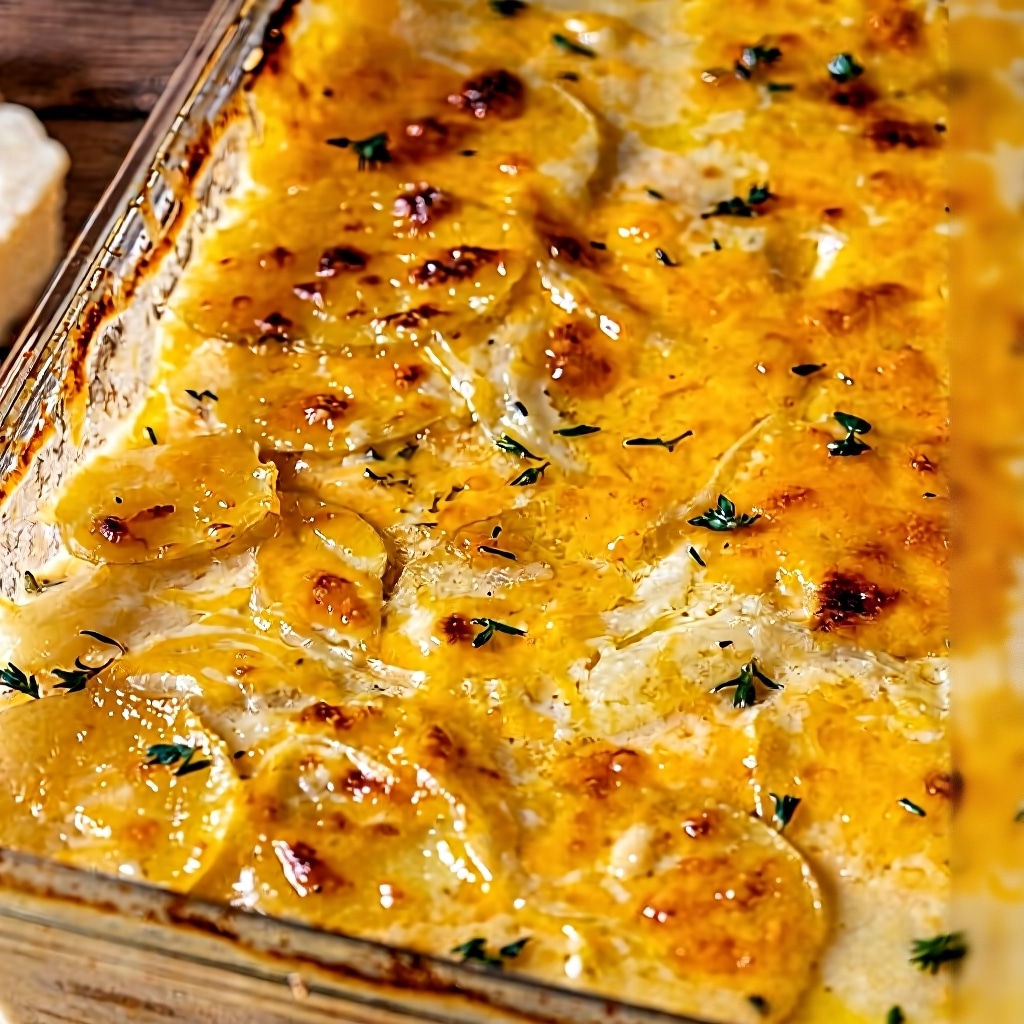
Imagine this: a baking dish emerging from the oven, its contents a symphony of golden-brown perfection. A crackling, cheesy crust gives way to bubbling, rich cream, unveiling layers of impossibly tender, thinly sliced potatoes. This isn’t just a side dish; it’s an experience. Our guide to the ultimate creamy potato gratin will transform your kitchen into a haven of comfort, making you a master of this classic. Whether it’s the star of your holiday feast or a weeknight indulgence, this potato gratin recipe promises restaurant-quality results every time.
What Exactly is a Potato Gratin?
At its heart, a potato gratin is a baked dish featuring thinly sliced potatoes, typically layered with cream or milk, cheese, and aromatics, then cooked until tender and topped with a beautifully browned crust. Its origins are steeped in French culinary tradition, with the most famous iteration being Gratin Dauphinois, a rustic dish from the Dauphiné region of southeastern France, originally made without cheese. The term “au gratin” itself refers to any dish prepared with a topping of breadcrumbs or cheese (or both) browned under a broiler or in an oven, creating that irresistible crust.
Potato Gratin vs. Scalloped Potatoes: What’s the Difference?
The distinction between scalloped potatoes vs gratin can often be confusing, as modern recipes frequently blur the lines. Traditionally, potato gratin is characterized by its use of rich heavy cream and often features robust, flavorful cheese like Gruyère. The potatoes are usually sliced very thin and cooked until completely tender within the creamy sauce. Scalloped potatoes, on the other hand, historically rely on a milk-based white sauce (a béchamel) and often do not include cheese. While both are baked potato side dishes featuring layered spuds, the richness and cheesy element are usually the defining differences of a true creamy au gratin potatoes.
Why This is the BEST Creamy Potato Gratin Recipe
We believe our approach yields an unparalleled creamy potato gratin. Here’s why you’ll love it:
- Perfectly Creamy, Never Watery: Our specific technique ensures a rich, luscious sauce that coats every potato slice beautifully, avoiding the dreaded watery gratin.
- Incredibly Flavorful: A meticulous balance of nutty cheese, aromatic garlic, and fresh thyme creates a depth of flavor that’s simply irresistible.
- Foolproof Technique: With detailed, step-by-step instructions, even novice cooks can achieve a show-stopping gratin dauphinois.
- A True Crowd-Pleaser: This elegant yet comforting dish is the ultimate comfort food side dish, perfect for any gathering or holiday potato recipe.
The Key Ingredients for a Perfect Gratin
Success starts with the right ingredients. Each component plays a vital role in achieving that coveted creamy, flavorful gratin.
The Best Potatoes for Gratin
For the best potatoes for gratin, opt for starchy or all-purpose varieties. Yukon Gold potatoes are often considered the gold standard; their creamy texture and ability to hold their shape after baking make for a beautiful presentation and delightful mouthfeel. Russet potatoes are another excellent choice for a softer, starchier result, absorbing the cream beautifully. Avoid waxy potatoes like red or new potatoes, as they tend to become gummy or don’t absorb the sauce as effectively.
The Creamy Sauce Components
The foundation of this dish is its rich liquid. We highly recommend using potato gratin with heavy cream for maximum richness and a stable sauce that is less likely to curdle. Full-fat heavy cream provides the luxurious mouthfeel and ensures your gratin is perfectly luscious. For a slightly lighter option, you can use a mix of heavy cream and whole milk, but avoid low-fat dairy, as it can lead to a watery or curdled sauce.
The Perfect Cheese Blend
For an authentic and deeply flavorful cheesy potato bake, a blend of cheeses is key. Gruyère potato gratin is a classic for a reason; Gruyère offers a distinct nutty, earthy flavor and melts beautifully to create that iconic golden crust. We also love adding grated Parmesan cheese for an extra layer of salty, savory umami. Other excellent choices include Fontina, Comté, or even a sharp white cheddar for a more American twist.
Aromatics and Seasoning
Simple aromatics elevate this dish from good to extraordinary. Freshly minced garlic infuses the cream with a pungent warmth. Fresh thyme sprigs, gently simmered in the cream, impart an herbaceous, earthy note—a signature flavor in many classic gratins, resulting in a delicious potato gratin thyme. A pinch of freshly grated nutmeg adds a subtle, warming spice that complements the dairy and potatoes wonderfully. Don’t forget ample salt and freshly ground black pepper for seasoning every layer.
Essential Equipment
Having the right tools simplifies the process and ensures excellent results.
- 9×13 Inch Baking Dish: Or a similar gratin dish, preferably ceramic or glass, to ensure even baking and a beautiful presentation.
- Mandoline Slicer: Highly recommended for achieving uniformly thin potato slices (about 1/8-inch thick). Always use the safety guard! If you don’t have one, a sharp chef’s knife and steady hand will work.
- Saucepan: For gently infusing the cream with aromatics.
- Whisk: To stir the cream sauce and prevent scorching.
How to Make Creamy Potato Gratin: A Step-by-Step Guide
Follow these detailed steps to create your own show-stopping creamy potato gratin. This method is designed to be foolproof, ensuring perfect results every time.
Step 1: Prepare Your Potatoes
Begin by peeling your chosen potatoes (Yukon Gold or Russet) thoroughly. Using a mandoline slicer set to about 1/8-inch thick, carefully slice the potatoes into uniform rounds. Uniformity is key for even cooking. Crucially, do not rinse the sliced potatoes. The surface starch on the potatoes is essential for naturally thickening the cream sauce, preventing a watery gratin. Lay the slices out on a clean kitchen towel if preparing in batches, but don’t let them sit exposed to air for too long to prevent browning.
Step 2: Create the Infused Cream Sauce
In a medium saucepan, combine the heavy cream (and whole milk, if using), minced garlic, fresh thyme sprigs, and a pinch of freshly grated nutmeg. Season lightly with salt and pepper. Gently heat the mixture over medium-low heat, stirring occasionally, until it just begins to simmer around the edges. Do not bring it to a rolling boil, as this can cause the cream to scorch or curdle. Remove from heat and let it steep for about 10-15 minutes to allow the flavors to truly infuse.
Step 3: Layering the Gratin
Preheat your oven to 375°F (190°C). Lightly rub your baking dish with a cut garlic clove for extra aroma. Pour a thin layer of the infused cream (without the thyme sprigs) onto the bottom of the dish. Arrange a single layer of potato slices, slightly overlapping, over the cream. Season generously with salt and freshly ground black pepper, then sprinkle with a portion of your grated Gruyère and Parmesan cheese blend. Repeat this layering process, building upwards, ensuring each potato layer is seasoned and cheesed, until all potatoes are used and the dish is full. Pour any remaining cream evenly over the top layer of potatoes.
Step 4: Baking to Golden Perfection
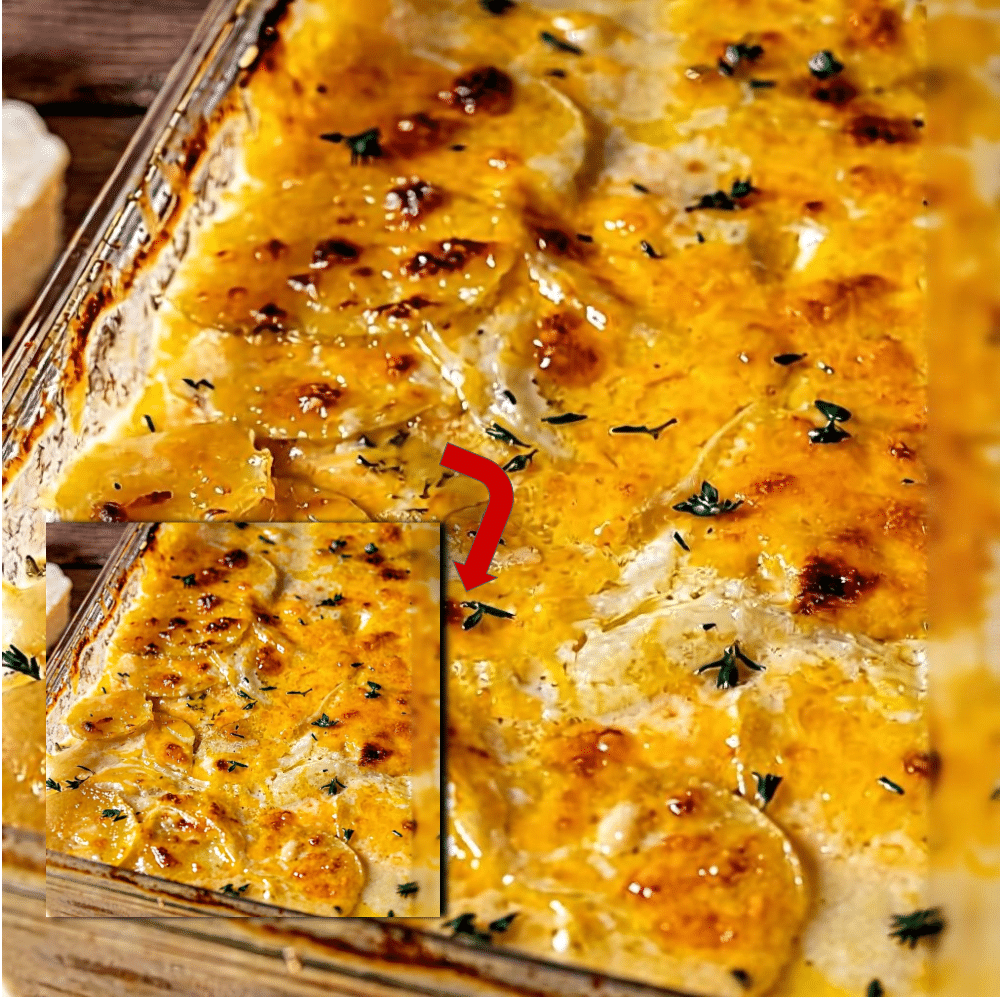
Cover the baking dish tightly with aluminum foil and bake for 45-60 minutes, or until the potatoes are mostly tender when pierced with a knife. This initial covered baking steams the potatoes, ensuring they cook through evenly. Remove the foil, increase the oven temperature to 400°F (200°C), and continue baking for another 20-30 minutes, or until the top is beautifully golden brown, bubbly, and the sauce is thickened. For an extra crispy crust, you can finish under the broiler for a few minutes, watching carefully to prevent burning.
Pro Tips for Restaurant-Quality Gratin
Elevate your creamy potato gratin with these expert insights:
- The Mandoline is Your Best Friend: For perfectly even slices, a mandoline slicer is invaluable. It ensures uniform thickness, which leads to consistent cooking and a beautifully structured gratin.
- Don’t Rinse the Potatoes: As mentioned, the natural starch on the potato slices is crucial for thickening the sauce. Rinsing them away is a common reason why is my gratin watery.
- Season Every Layer: Don’t just season the top! Lightly seasoning each layer of potatoes with salt and pepper ensures every bite is flavorful and well-balanced.
- Let It Rest: After baking, allow the gratin to rest for at least 10-15 minutes before serving. This allows the creamy sauce to set properly, making for cleaner slices and preventing it from running all over the plate.
- Use Room Temperature Dairy: Bringing your heavy cream to room temperature before infusing and baking can help prevent it from curdling when introduced to other hot ingredients or the oven’s heat.
Delicious Variations to Try
Once you’ve mastered the classic easy potato gratin, feel free to experiment with these delicious twists:
- Add Bacon or Pancetta: Render crispy bacon or pancetta pieces and layer them between the potatoes for a smoky, savory depth.
- Incorporate Caramelized Onions: Sauté thinly sliced onions until deeply caramelized and layer them for a touch of sweet and savory complexity.
- Use Different Herbs: Swap out or complement thyme with fresh rosemary, sage, or a hint of bay leaf for alternative aromatic profiles.
- Try Sweet Potatoes: For a festive holiday twist, use a mix of regular and sweet potatoes, perhaps with a hint of cinnamon or brown sugar.
What to Serve with Potato Gratin
This versatile baked potato side dish is a fantastic accompaniment to a wide array of main courses. It’s truly a luxurious holiday potato recipe. Pair it with roasted meats like succulent prime rib, a perfectly cooked roast chicken, a tender honey-baked ham, or a juicy steak. For a more casual meal, it complements pork chops beautifully. A simple green salad with a vinaigrette is often all you need to complete the plate, balancing the richness of the creamy potato gratin.
Make-Ahead, Storage, and Reheating Instructions
Can I Make Potato Gratin Ahead of Time?
Yes, make ahead potato gratin is a fantastic option for entertaining! You can assemble the entire gratin up to a day in advance. Prepare it as directed, but do not bake. Cover the dish tightly with plastic wrap and refrigerate. When ready to bake, let it sit at room temperature for 30 minutes before baking as usual, adding an extra 10-15 minutes to the covered baking time.
Storing and Reheating Leftovers
Store any leftover creamy potato gratin in an airtight container in the refrigerator for 3-4 days. To reheat, the best method is in the oven. Place the desired portion in an oven-safe dish, cover it loosely with foil, and bake at 325°F (160°C) until warmed through, about 20-30 minutes. You can uncover it for the last few minutes to crisp up the top again. Microwaving is an option for smaller portions but may alter the texture slightly.
Troubleshooting Common Issues
- Watery Gratin? This is a common concern. It’s often caused by using low-fat dairy, rinsing the potato starch away, not slicing potatoes thinly enough, or not cooking the gratin long enough for the sauce to fully thicken. Ensure you use heavy cream and don’t rinse your potatoes.
- Curdled Sauce? The cream sauce can curdle if it’s boiled too vigorously or if acidic ingredients are added too early. Gently simmer the cream, avoid a rolling boil, and use room-temperature dairy.
- Potatoes Still Hard? Ensure your potato slices are uniformly thin (1/8-inch is ideal). Also, make sure to cover the gratin tightly with foil for the initial baking period to create steam, which helps tenderize the potatoes thoroughly before browning.
Frequently Asked Questions (FAQ)
Do you have to peel the potatoes for potato gratin?
While not strictly mandatory, peeling potatoes is highly recommended for a traditional creamy potato gratin. The skins can sometimes alter the delicate texture and appearance of the dish.
Can I use milk instead of heavy cream?
You can, but using only milk (especially low-fat) significantly increases the risk of a watery or curdled gratin and will result in a less rich and luxurious dish. A mix of heavy cream and whole milk is a better compromise.
What is the best cheese for au gratin potatoes?
For a truly exceptional gruyere potato gratin, Gruyère is the top choice due to its nutty flavor and excellent melting properties. Blending it with Parmesan adds even more depth. Other good options include Fontina or Comté.
Can you freeze potato gratin?
Freezing creamy potato gratin is generally not recommended. The texture of the potatoes and cream sauce can change significantly upon thawing and reheating, often becoming grainy or watery.
Why is my potato gratin greasy?
A greasy gratin often results from using too much butter, adding excessive fatty cheese, or not allowing enough of the fat to render and incorporate into the sauce during baking. Stick to the recipe’s recommended amounts of fat and cheese.
Should I boil the potatoes before making a gratin?
No, you should not boil the potatoes before making a classic potato gratin recipe. Boiling removes the starches necessary for thickening the sauce and can lead to a mushy texture. Thinly slicing and baking directly in the cream is key.
“`
For more daily recipes and tips, follow us on Facebook!
Click here to join our community!