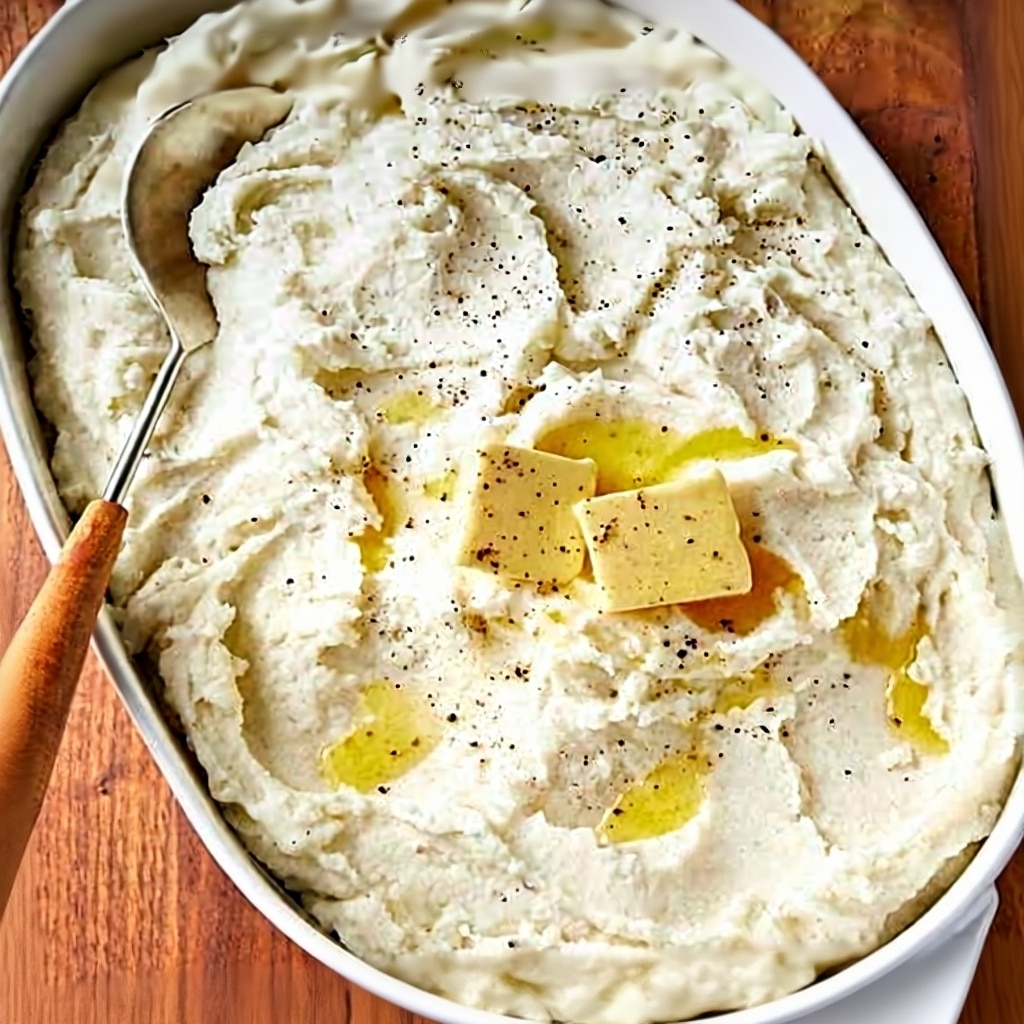
Welcome, fellow food lovers! Today, we’re diving fork-first into the ultimate comfort food: Mashed Potatoes. More than just a simple side, truly incredible mashed potatoes are a culinary experience – a creamy, dreamy foundation for countless meals, from holiday feasts to weeknight dinners. Forget the bland, gluey versions you might have encountered; this recipe promises light, fluffy, and utterly divine homemade mashed potatoes that will make you wonder why you ever settled for less. Get ready to master this classic potato side dish and elevate your cooking to new, buttery heights!
Why This Recipe Works
This isn’t just another easy mashed potato recipe; it’s a meticulously crafted guide designed to deliver consistently perfect results every time. Our approach focuses on key techniques and the right ingredients to achieve that coveted balance of richness and fluffiness. We’ll show you how to make mashed potatoes that are neither gummy nor watery, ensuring a velvety texture and deep, satisfying flavor that will be the star of your table, whether it’s part of your Thanksgiving side dishes or a simple family meal.
Choosing the Right Potatoes
The foundation of phenomenal mashed potatoes starts with selecting the best potatoes for mashing. This choice is critical as it dictates the final texture of your dish.
Yukon Gold vs. Russet
- Yukon Gold Potatoes: These are often considered the gold standard for homemade mashed potatoes. Their naturally buttery flavor, moist flesh, and medium-starch content create a wonderfully creamy and naturally golden mash. They break down easily and absorb butter and dairy beautifully without becoming gummy. We highly recommend Yukon Gold mashed potatoes for this recipe.
- Russet Potatoes: Also known as baking potatoes, Russets are very starchy and have a floury texture when cooked. They yield a very light and fluffy mashed potatoes, almost like a cloud. However, they can sometimes be drier and require more dairy to achieve creaminess. If overmixed, their high starch content can also lead to a gluey consistency.
Waxy vs. Starchy Varieties
Potatoes are generally categorized into waxy, all-purpose, and starchy varieties.
- Waxy Potatoes (e.g., Red Bliss, New Potatoes): These have a low starch content and hold their shape well when cooked. They are ideal for salads or roasting but tend to be dense and gluey when mashed because their cell walls don’t break down easily.
- Starchy Potatoes (e.g., Russet, Idaho): High in starch, these varieties break down easily, creating that light, floury texture. They absorb a lot of liquid, which means they can become dry without enough fat and dairy, but they excel at creating airy, fluffy mashed potatoes.
- All-Purpose Potatoes (e.g., Yukon Gold, White Potatoes): These strike a perfect balance, offering enough starch for a fluffy texture combined with a creamy consistency. They are versatile and consistently deliver excellent results for creamy mashed potatoes, making them our top recommendation for this recipe.
Essential Ingredients for Creaminess
Beyond the potatoes, the key to truly exquisite mashed potatoes lies in the supporting cast of ingredients. These are what transform humble spuds into a luxurious side.
The Role of Butter and Milk
Butter and milk (or cream) are non-negotiable for achieving that signature richness and smooth texture.
- Unsalted Butter: Generous amounts of good quality unsalted butter contribute immense flavor and a luscious mouthfeel. Adding butter first, allowing it to melt into the hot potatoes, helps coat the starch molecules, preventing a gummy texture and infusing every bite with that irresistible buttery mashed potatoes taste.
- Whole Milk or Heavy Cream: Warm whole milk or heavy cream adds moisture and further enhances the creamy consistency. Using warm dairy is crucial – cold dairy will cool down your potatoes, making them harder to mash smoothly and affecting the final texture. For an extra rich experience, heavy cream is your best friend.
Seasoning for Depth
Proper seasoning elevates mashed potatoes from good to unforgettable.
- Salt: Don’t underestimate the power of salt. Season the potato cooking water generously, as this seasons the potatoes from the inside out. Then, season the finished mash to taste with fine sea salt.
- Black Pepper: Freshly ground black pepper adds a subtle kick and aromatic depth.
- Optional Aromatics: A crushed garlic clove or a bay leaf added to the boiling water can infuse the potatoes with a delicate background flavor without overpowering them. A pinch of nutmeg also pairs beautifully with potatoes and dairy, enhancing the overall warmth and richness.
Step-by-Step Guide to Perfect Mash
Mastering how to make mashed potatoes is all about technique. Follow these steps for an undeniably delicious result.
Preparing and Boiling
- Peel and Cut: Start with about 2-3 pounds of Yukon Gold mashed potatoes. Peel them thoroughly and cut them into uniform 1-inch pieces. Uniformity is key for even cooking.
- Rinse: Rinse the cut potatoes under cold water to remove excess surface starch. This helps prevent a gummy texture.
- Cold Water Start: Place the rinsed potato pieces in a large pot and cover them with cold water by about an inch. Add a generous tablespoon of salt to the water. Starting in cold water ensures the potatoes cook evenly from the outside in.
- Boil and Simmer: Bring the water to a boil over high heat, then reduce the heat to a gentle simmer. Cook for 15-20 minutes, or until the potatoes are fork-tender and easily crumble when pierced.
Drying the Potatoes
- Drain Thoroughly: Once tender, immediately drain the potatoes completely in a colander.
- Steam Dry: Return the drained potatoes to the empty hot pot over very low heat for 1-2 minutes, shaking the pot gently. This crucial step allows excess moisture to evaporate, ensuring your mashed potatoes are light and fluffy, not watery.
Mashing Techniques
- Add Butter First: Remove the pot from the heat. Add 1/2 cup (1 stick) of unsalted butter, cut into pieces, to the hot, dried potatoes. Let it melt for a minute, then begin mashing with your preferred tool.
- Mash Gently: Use a potato ricer, a food mill, or a sturdy potato masher. A ricer or food mill is highly recommended for the smoothest, lump-free fluffy mashed potatoes. Mash until mostly smooth, but don’t overdo it.
- Incorporate Warm Dairy: Gradually add 1/2 to 3/4 cup of warm whole milk or heavy cream, continuing to mash gently until the desired consistency is reached.
- Season and Serve: Taste and adjust seasoning with salt and freshly ground black pepper. Serve immediately and enjoy your perfect buttery mashed potatoes!
Expert Tip: The trick to truly ethereal mashed potatoes is gentle handling. Overworking them releases too much starch, leading to a gummy texture.
Common Mistakes to Avoid
Even experienced cooks can fall prey to common pitfalls when making mashed potatoes. Sidestep these errors to ensure a consistently excellent dish.
Overworking the Potatoes
This is perhaps the most frequent mistake. Potatoes contain starch. When potato cells are broken and over-agitated (like aggressive mashing or using a food processor), they release too much starch, creating a gluey, pasty, and unappetizing texture. The goal is to break down the potatoes just enough to incorporate the butter and dairy, but no further. Opt for a ricer or masher for fluffy mashed potatoes.
Using Cold Dairy
Adding cold milk or cream to hot potatoes can cool them down rapidly, making them stiffer and harder to mash smoothly. This can lead to lumps and an uneven texture. Always warm your milk or cream gently on the stovetop or in the microwave before incorporating it into your mashed potatoes. This helps maintain the potato’s temperature, allowing for easier absorption and a creamier result.
Variations to Try
While our classic recipe for homemade mashed potatoes is fantastic on its own, it also serves as a perfect canvas for creative variations.
Garlic Herb Mash
Infuse your mashed potatoes with aromatic flavors. Sauté 3-4 cloves of minced garlic in a tablespoon of butter until fragrant, then add this mixture to your finished mash. Stir in 2 tablespoons of freshly chopped herbs like chives, parsley, thyme, or rosemary. This adds a sophisticated freshness that complements any main course.
Cheesy Mashed Potatoes
For a decadent twist, stir in 1 cup of shredded cheese (such as sharp cheddar, Gruyère, or Parmesan) into your hot mashed potatoes until melted and smooth. The cheese adds a rich, savory depth that’s incredibly satisfying. A little cream cheese can also be added for extra tang and creaminess.
Loaded Mashed Potatoes
Turn your mashed potatoes into a hearty meal in itself! Stir in crispy beef bits (or crumbled beef bacon), shredded cheddar cheese, sliced green onions, and a dollop of sour cream or Greek yogurt. This variation is a crowd-pleaser and perfect for a comforting dinner.
Make-Ahead and Reheating Tips
Mashed potatoes are a fantastic make-ahead dish, especially when preparing for holidays like Thanksgiving.
Storing Leftovers
Allow your mashed potatoes to cool completely, then transfer them to an airtight container. They can be stored in the refrigerator for up to 3-4 days. For longer storage, mashed potatoes can be frozen for up to 1 month. When freezing, portion them into freezer-safe bags or containers, pressing out any excess air.
Reheating Without Drying Out
- Stovetop Method: The best way to reheat mashed potatoes is on the stovetop. Place them in a saucepan over low heat, adding a splash of milk or cream and a pat of butter. Stir frequently until heated through and creamy again.
- Oven Method: For larger quantities, place the mashed potatoes in an oven-safe dish, cover with foil, and bake at 325°F (160°C) for 20-30 minutes, or until hot. You might want to stir in a little warm milk or cream halfway through.
- Microwave Method: For individual servings, microwave on medium power, stirring every minute, until heated through. Add a little milk or butter as needed to restore creaminess.
Frequently Asked Questions
-
Q: Can I use a hand mixer for mashed potatoes?
A: While a hand mixer might seem convenient, it’s generally not recommended. The high speed can easily overwork the potatoes, leading to a gummy, gluey texture due to excessive starch release. Stick to a potato ricer, food mill, or a sturdy hand masher for the best results. -
Q: How do I prevent my mashed potatoes from becoming watery?
A: The key is thorough drying after boiling. Return the drained potatoes to the hot pot over very low heat for a minute or two, shaking gently, to allow excess moisture to steam off. Also, ensure your dairy is warm, not cold, when added. -
Q: What are the best potatoes for mashing if I don’t have Yukon Golds?
A: If Yukon Gold mashed potatoes aren’t available, Russet potatoes are an excellent alternative for creating fluffy mashed potatoes. Just be extra careful not to overmix them due to their higher starch content. -
Q: Why are my mashed potatoes bland?
A: Insufficient seasoning is usually the culprit. Always season the cooking water generously with salt. Then, taste and adjust the salt and pepper levels in the finished mash before serving. Don’t be shy with a good quality salt!
Ultimate Creamy Mashed Potatoes
Ingredients
- Yukon Gold or Russet potatoes peeled and cut into 1-inch chunks check notes for mix ratio if desired, roughly 2 lbs total works well for this amount of liquid but scale up as needed, usually 3-4 lbs for a family feast. Let's standardise to 3 lbs for the recipe card below so amounts make sense together. 3 lbs potatoes to 1 cup liquid is standard. I will use specific amounts for the JSON validation requirement of 'amount' string field. Let's say 3 lbs potatoes, 1 stick butter, 1 cup milk/cream mix. I will output specific fixed amounts in the fields below for clarity per schema requirements. Let's use 3 lbs potatoes.
- 3 lbs Yukon Gold potatoes peeled and quartered
- 1/2 cup unsalted butter melted
- 1 cup whole milk warm
- 1 tsp kosher salt plus more for boiling water
- 1/2 tsp black pepper freshly cracked
- 2 tbsp chives chopped, optional garnish
Instructions
- Place the peeled and quartered potatoes in a large pot and cover with cold water by about an inch. Add a generous pinch of salt.
- Bring the water to a boil over high heat, then reduce to a simmer. Cook for 15-20 minutes, or until the potatoes are very tender and can be easily pierced with a fork.
- Drain the potatoes well in a colander. Return them to the hot pot and place over low heat for 1-2 minutes to evaporate any excess moisture, shaking the pot gently.
- In a small saucepan or microwave-safe bowl, warm the milk and melt the butter together until hot but not boiling.
- Mash the potatoes using a potato masher or ricer until smooth and lump-free.
- Gradually pour the warm milk and butter mixture into the potatoes, folding gently with a spatula or spoon. Do not overmix.
- Season with salt and freshly cracked black pepper to taste. Garnish with chopped chives if desired and serve warm.
For more daily recipes and tips, follow us on Facebook!
Click here to join our community!