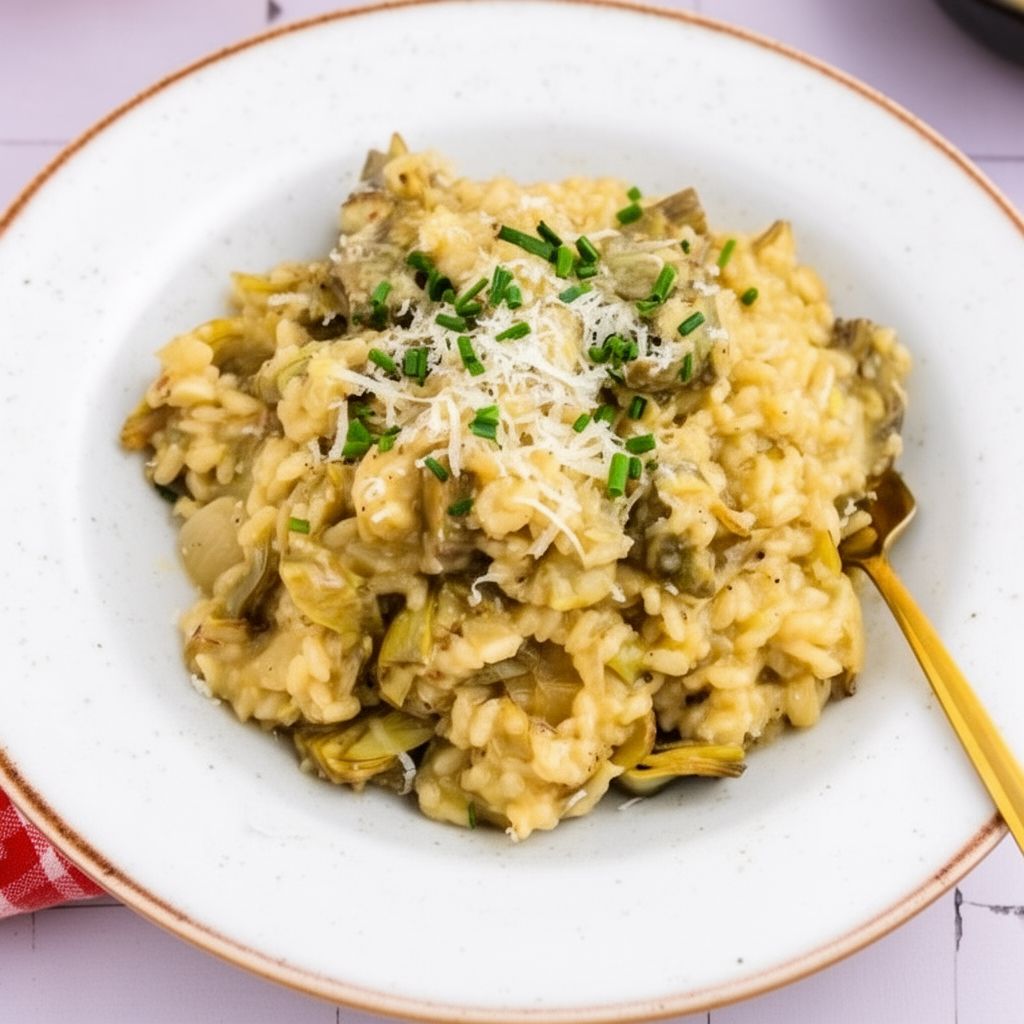
Creamy Artichoke Risotto Recipe: The Ultimate Guide to Risotto ai Carciofi
Introduction to Authentic Italian Risotto
There’s a special magic that happens in Italian kitchens when humble ingredients transform into something truly extraordinary. Few dishes encapsulate this better than a perfectly executed risotto. Among the myriad of Italian risotto recipes, Risotto ai carciofi, or artichoke rice, stands out as a beloved Northern Italian staple. This dish isn’t just food; it’s a warm embrace, a testament to culinary patience, and a journey into the heart of Italian comfort food. It’s an elegant yet rustic creation, showcasing the delicate, earthy flavor of artichokes cradled in a luscious, creamy rice bed.
Why You’ll Love This Artichoke Risotto
Imagine a dish where every spoonful delivers a harmonious blend of textures and tastes. Our Artichoke Risotto offers exactly that. You’ll discover the beautiful balance of tender, slightly tangy fresh artichoke hearts, enveloped by perfectly cooked, creamy Arborio rice. The rich, savory notes of Parmesan cheese melt into the velvety texture, while a finishing sprinkle of fresh chives adds a bright, herbaceous counterpoint. It’s a satisfying, wholesome, and utterly delicious meal that proves vegetarian risotto can be incredibly hearty and flavorful, making it a star among your creamy rice dinners.
Essential Ingredients for the Perfect Creamy Texture
Creating an authentic, restaurant-quality artichoke rice dish at home starts with understanding its foundational components. Quality ingredients are paramount when aiming for that signature velvety texture.
Choosing the Right Rice (Arborio vs. Carnaroli)
The secret to achieving that non-negotiable, luxuriantly creamy texture in any risotto lies in the rice itself. We avoid heavy cream here, letting the starches do all the work! You need a high-starch, short-grain rice, and the two champions in the world of Italian rice dishes are Arborio and Carnaroli.
- Arborio Rice: Widely available and a fantastic choice for beginners. Its plump grains readily absorb liquid while releasing starch, creating a wonderfully creamy consistency.
- Carnaroli Rice: Often referred to as the “king of risotto rice,” Carnaroli boasts a higher starch content and a firmer grain that holds its shape exceptionally well, resulting in an even creamier, more consistent finish. If you can find it, it’s worth the slight extra effort.
Whichever you choose, ensure it’s specifically labeled for risotto, guaranteeing the right starch content for that coveted velvety mouthfeel.
Fresh vs. Canned Artichokes
While fresh is always best when in season, don’t let the thought of prepping artichokes deter you from making this incredible dish. Both fresh and preserved artichoke hearts have their place.
- Fresh Artichoke Hearts: If you’re using fresh artichokes, select firm, heavy globes. You’ll need to trim away the tough outer leaves, scoop out the fuzzy choke, and halve or quarter the hearts, immediately placing them in lemon water to prevent browning. A quick steam or blanch before adding to the risotto can ensure they’re perfectly tender.
- Canned or Jarred Artichoke Hearts: These are a fantastic pantry shortcut! Opt for artichoke hearts packed in water or brine, not oil, for better flavor control. Simply drain them well, pat them dry, and chop them to your desired size. They offer convenience without sacrificing too much flavor, making this a dish you can enjoy any time of year.
Step-by-Step Cooking Instructions
Mastering how to make risotto is a journey of patience and technique, but the reward is immense. Follow these detailed steps for al dente perfection.
- Prepare Your Ingredients: Have all your ingredients prepped and within reach. Finely chop your shallots or onion, mince garlic, and chop your artichoke hearts. Grate your Parmesan cheese. Ensure your broth (vegetable or chicken) is warm and simmering gently in a separate pot.
- Sauté Aromatics: In a wide, heavy-bottomed pot or Dutch oven, melt 2 tablespoons of unsalted butter (or olive oil for dairy-free) over medium heat. Add the chopped shallots or onion and cook until softened and translucent, about 3-5 minutes. Add the minced garlic and cook for another minute until fragrant, being careful not to brown it.
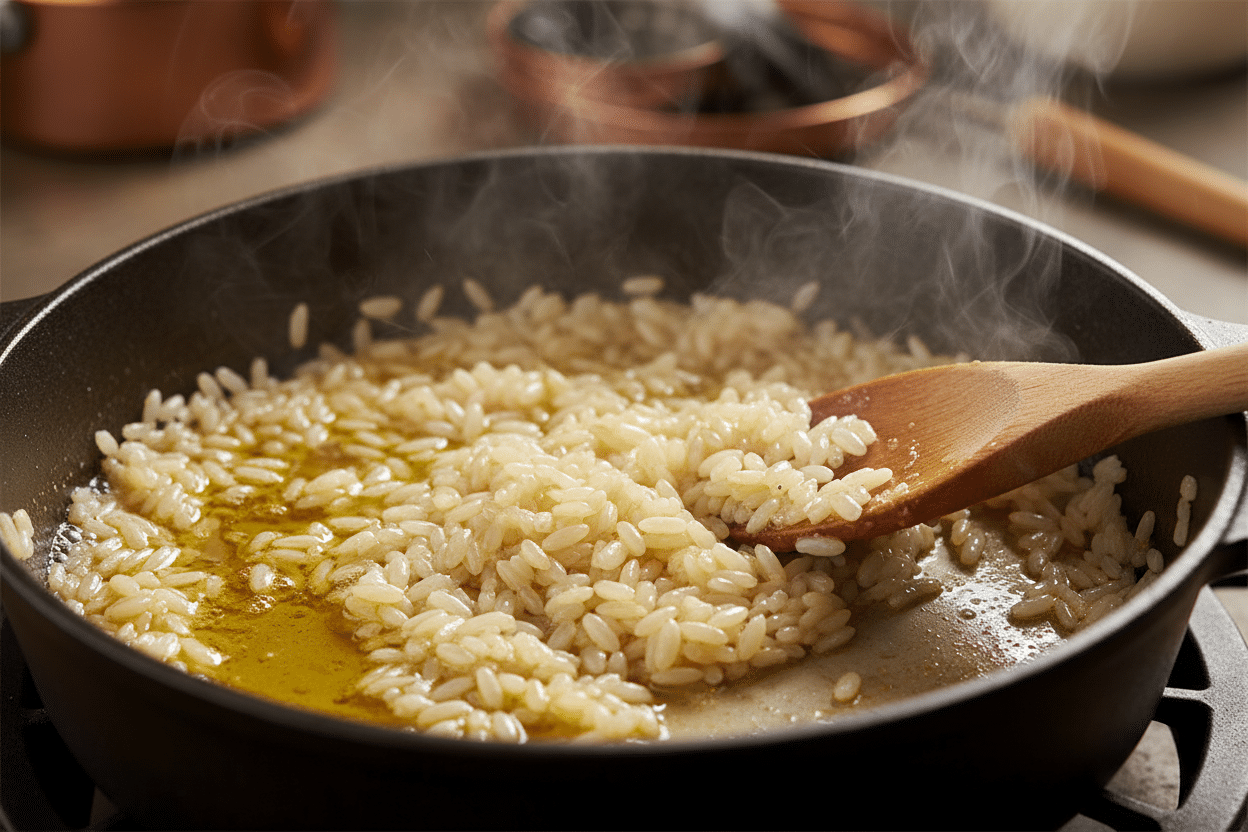
- Toast the Rice: Add the Arborio or Carnaroli rice to the pot. Stir continuously for 2-3 minutes until the edges of the grains become translucent but the centers remain opaque. This toasting step is crucial for developing flavor and ensuring the rice cooks evenly.
- Deglaze: Pour in about half a cup of dry white wine (a crisp Pinot Grigio works wonderfully here, or use more broth for a non-alcoholic version). Stir constantly until the wine is completely absorbed by the rice. This step adds a layer of depth and acidity.
- Begin Ladling Broth: Add a ladleful (about ½ to ¾ cup) of the warm broth to the rice. Stir gently but consistently until the liquid is almost fully absorbed. Do not let the rice dry out completely between additions.
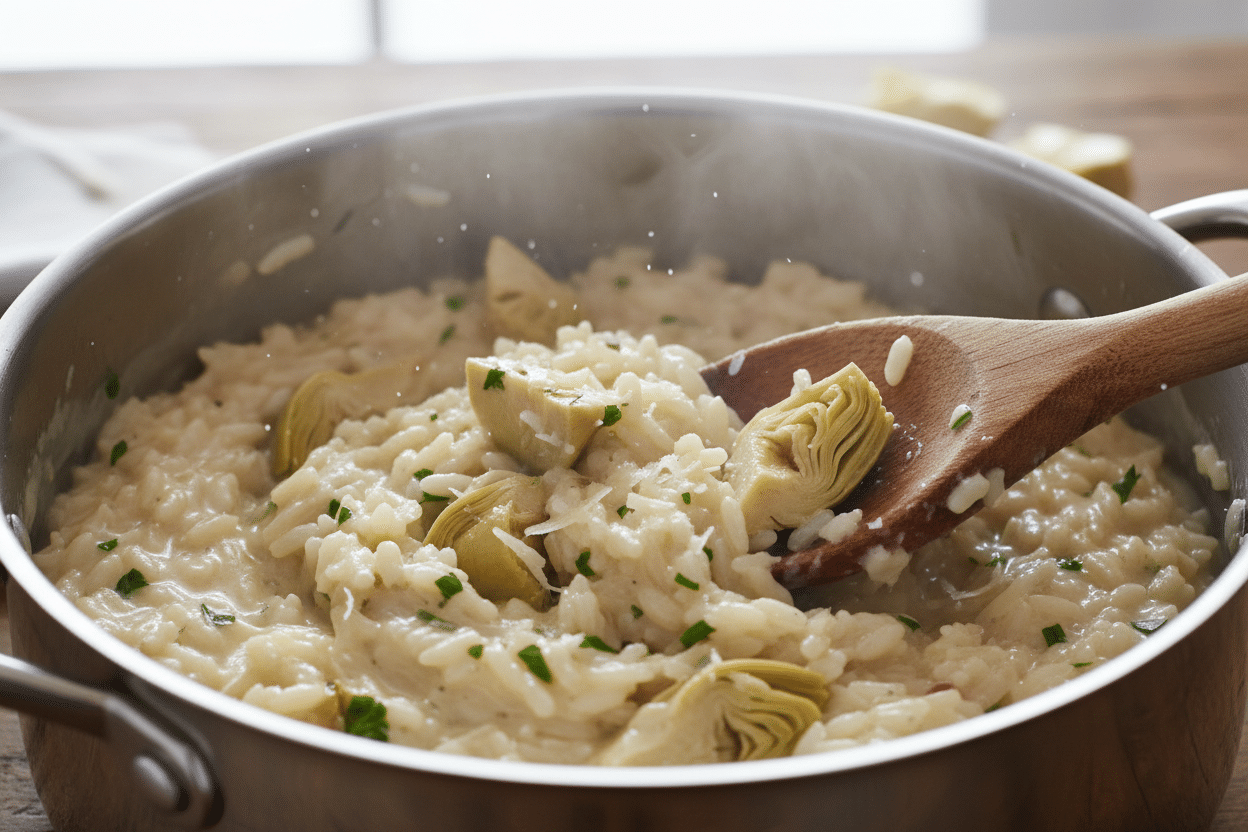
- Continue Ladling: Continue adding broth, one ladleful at a time, stirring occasionally. Wait until each addition is almost fully absorbed before adding the next. This slow, gradual process allows the rice to release its starches and develop its signature creamy texture. This entire process will take approximately 18-25 minutes.
- Add Artichokes: About halfway through the cooking process (after about 10-12 minutes and several broth additions), stir in your chopped artichoke hearts. This allows them to warm through and meld their flavor with the rice without becoming mushy.
- Check for Doneness: After 18-25 minutes, the rice should be al dente – tender with a slight bite in the center. It should be creamy and flowy, not stiff. If it’s too firm, add a little more broth and cook for another minute.
- Mantecare (Finish): Remove the pot from the heat. Stir in the remaining 2 tablespoons of unsalted butter (or olive oil), and a generous half-cup of grated Parmesan cheese. Stir vigorously for a minute or two. This “mantecare” step is what gives the risotto its ultimate silkiness and sheen.
- Rest and Serve: Cover the pot and let the risotto rest for 2-3 minutes. This allows the flavors to meld and the texture to set perfectly. Serve immediately, garnished with extra Parmesan and fresh chives.
Expert Tips for the Best Risotto
Achieving risotto perfection is a culinary art that benefits from a few seasoned tricks of the trade.
The Secret to Stirring
“The rhythm of stirring is the heartbeat of good risotto. You don’t need to stir constantly, but just enough to agitate the starches from the rice, preventing it from sticking and ensuring that velvety consistency.”
Aim for consistent, gentle stirring. Think of it as a massage for the rice grains, coaxing out their creamy goodness. Over-stirring can break the grains, making the risotto gummy, while under-stirring can lead to uneven cooking and sticking.
Maintaining the Broth Temperature
This tip is often overlooked but is absolutely critical. Always keep your vegetable or chicken broth warm and simmering gently in a separate saucepan. Adding cold broth to hot rice will shock the grains, significantly slowing down the cooking process and resulting in an unevenly cooked, less creamy risotto. Warm broth ensures a continuous, gentle cooking environment, allowing for smooth absorption and consistent starch release.
Delicious Recipe Variations
While a classic artichoke rice is a masterpiece on its own, its versatility allows for exciting risotto variations to suit any palate or occasion.
Adding Protein: Beef Substitutions and Seafood
To transform this lovely starter into a hearty main course, consider incorporating some protein:
- Shredded Beef: Gently simmered until fork-tender, shredded beef can be folded into the risotto during the last few minutes of cooking, adding a rich, savory depth.
- Beef Bacon: Crispy rendered beef bacon, diced into small pieces, offers a delightful salty crunch and umami flavor. Add it as a garnish or stir it in just before serving.
- Sautéed Shrimp: For a lighter, seafood-infused option, quickly sautéed shrimp can be stirred in at the very end, allowing their delicate flavor to shine without overcooking.
Making it Vegan or Dairy-Free
This creamy rice dinner can easily be adapted for vegan or dairy-free diets without compromising on flavor or texture:
- Butter Swap: Substitute unsalted butter with a good quality olive oil or a plant-based butter alternative for sautéing and finishing.
- Cheese Alternative: Instead of Parmesan, finish with a generous sprinkle of nutritional yeast for a cheesy, umami flavor, or use your favorite brand of vegan Parmesan-style cheese.
- Broth Choice: Ensure you’re using a vegetable broth for a fully plant-based meal.
What to Serve with Artichoke Risotto
A rich and satisfying dish like this creamy artichoke delight calls for thoughtful accompaniments to create a balanced meal.
- Wine Pairings: A crisp, dry white wine is the perfect companion. Think a light-bodied Pinot Grigio, a Vermentino, or a dry Sauvignon Blanc. Their acidity cuts through the richness of the risotto beautifully.
- Side Dishes: Keep it simple! A fresh, vibrant green salad dressed with a light vinaigrette is ideal. A simple arugula salad with lemon and olive oil provides a refreshing contrast to the creamy rice. Roasted asparagus or green beans also make excellent, complementary vegetable sides.
Storage and Reheating Guidelines
While risotto is best enjoyed fresh off the stove, you can certainly store and revive leftovers.
- Storage: Allow any leftover risotto to cool completely, then transfer it to an airtight container. It will keep well in the refrigerator for up to 2-3 days.
- Reheating: Risotto tends to thicken significantly when cooled. To reheat, transfer it to a saucepan over medium-low heat. Add a splash of warm broth or water, a knob of butter (or olive oil), and stir gently but consistently until it regains its creamy consistency. Be patient, as it takes a few minutes to rehydrate and become fluid again.
- Arancini (Risotto Balls): Leftover risotto is absolutely perfect for making Arancini! Shape the cooled risotto into balls, optionally stuff with a small piece of cheese, then bread and deep-fry until golden and crispy. These savory fried rice balls are a delicious way to enjoy your leftovers.
Frequently Asked Questions
- Can I use frozen artichokes? Yes, absolutely! Thaw them completely and pat them dry before adding them to the risotto.
- What kind of broth is best? A good quality vegetable broth will keep it vegetarian, but a light chicken broth also works wonderfully. Ensure it’s low-sodium so you can control the seasoning.
- Why is my risotto not creamy? This usually happens if you haven’t used the correct high-starch rice (like Arborio or Carnaroli) or if you haven’t stirred enough to release the starches. Ensure your broth is warm and added gradually.
- Do I have to use wine? No, you can omit the wine and simply use an equivalent amount of warm broth. The wine adds depth, but the dish will still be delicious without it.
Ready to master the art of Risotto ai carciofi? Follow our guide to bring a taste of authentic Italy to your table tonight. For more inspiring Italian recipes and culinary tips, be sure to follow us on Facebook: https://www.facebook.com/profile.php?id=61568538666337.

Creamy Artichoke Risotto
Ingredients
- 4 cups Vegetable broth Kept warm on the stove
- 2 tbsp Extra virgin olive oil
- 3 tbsp Unsalted butter Divided use
- 1 Small onion Finely chopped
- 2 Garlic cloves Minced
- 14 oz Artichoke hearts Canned, drained and quartered
- 1.5 cups Arborio rice
- 1/2 cup Dry white wine Optional
- 1/2 cup Parmesan cheese Freshly grated
- 2 tbsp Fresh chives Finely chopped
Instructions
- Pour the vegetable broth into a small saucepan and keep it warm over low heat.
- In a large, heavy-bottomed pot or Dutch oven, heat the olive oil and 1 tablespoon of butter over medium heat.
- Add the chopped onion and minced garlic, sautéing until softened and translucent, about 3-4 minutes.
- Stir in the quartered artichoke hearts and cook for 2 minutes to meld the flavors.
- Add the Arborio rice, stirring constantly to toast the grains until the edges become translucent, about 2 minutes.
- Pour in the white wine and stir until the liquid is completely absorbed.
- Add the warm broth one ladleful at a time, stirring frequently.
- Remove the pot from the heat. Stir in the remaining 2 tablespoons of butter, the grated Parmesan cheese, and half of the chopped chives.
- Serve immediately in warm bowls, garnished with the remaining fresh chives and extra Parmesan cheese.
For more daily recipes and tips, follow us on Facebook!
Click here to join our community!