
The Ultimate Cream Cheese Filling Guide: Sweet & Savory Mastery
Introduction
Few culinary delights possess the universal charm and versatility of a perfectly crafted cream cheese filling. It’s the secret ingredient that transforms an ordinary pastry into a sublime experience, a humble cake into a show-stopping dessert, and a simple cracker into a gourmet bite. From the glossy, slightly tangy topping of your favorite morning danish to the rich, creamy core of a wedding cake, the allure of cream cheese is undeniable.
This comprehensive guide will take you on a journey through the fascinating history, the crucial science, and the art of mastering both sweet and savory applications. Whether you dream of creating a luscious cheesecake filling for pastries, a robust stable cream cheese icing for cakes, or a delicate sweet cheese filling for crepes, we’ll equip you with the knowledge and techniques to achieve perfection every time. Get ready to elevate your baking and cooking with the ultimate cream cheese mastery!
The History of Cream Cheese
The story of cream cheese is a delightful tale of accidental genius and entrepreneurial spirit, deeply rooted in American culinary history.
In 1872, in Chester, New York, a dairyman named William Lawrence embarked on a mission to replicate Neufchâtel, a soft, crumbly French cheese that was gaining popularity. Through a happy accident, he added extra cream to his recipe, resulting in a richer, smoother, and more decadent cheese than he intended. What he had created was something entirely new – the very first iteration of what we now know as cream cheese.
This new, richer cheese quickly gained acclaim, and by 1880, New York distributor Alvah L. Reynolds began marketing Lawrence’s creation under the now-iconic “Philadelphia” brand name. The name was chosen to evoke the pastoral image of Pennsylvania’s renowned dairy farms, suggesting a product of superior quality and purity. Over the decades, cream cheese evolved from a local delicacy into a mass-produced, widely available staple, transitioning from a luxury item enjoyed by the affluent to a beloved household ingredient found in kitchens across the globe. Its smooth texture and mild, tangy flavor made it instantly adaptable to a myriad of culinary uses.
The Science of a Stable Filling
Achieving a perfectly stable, smooth, and delectable cream cheese filling isn’t just about mixing ingredients; it’s about understanding the science behind them. Precision in technique and ingredient selection is paramount for success.
- Fat Content Matters: For any truly robust and stable cream cheese icing for cakes or a firm bakery style cheese filling, you must always reach for full-fat, “brick” style cream cheese. Tub spreads, while convenient, contain a higher water content and often stabilizers that make them less suitable for baking applications where structure and firmness are key. The higher fat content of brick cream cheese provides the necessary body and richness, minimizing the risk of a runny or weeping filling.
- Temperature Control: This is arguably the most critical step. Cream cheese, butter, and any other dairy ingredients must be at a true room temperature – soft enough to yield to gentle pressure but not greasy or melted. Cold ingredients struggle to emulsify with sugar and other liquids, leading to a lumpy, separated texture. Overly warm ingredients can lead to an oily, soupy mess. Achieving that perfect room temperature ensures a smooth, homogeneous blend, crucial for any no-bake cream cheese mixture or custard-based filling.
- Thickening Agents: Depending on your desired application, various thickeners can provide the necessary structure:
- Egg Yolks: Often found in traditional cream cheese danish filling recipes, egg yolks contribute richness, color, and act as a natural emulsifier and thickener, creating a silky custard-like consistency upon baking.
- Cornstarch/Flour: These starches are excellent for baked fillings, such as in cheesecakes or pies, providing structure and preventing excessive spreading or cracking. They absorb moisture and set during heating.
- Gelatin: For lighter, firmer no-bake cream cheese mixtures or stabilized whipped cream cheese, gelatin is your best friend. It sets beautifully without requiring heat, yielding a smooth, sliceable texture perfect for pies or mousses.
Essential Ingredients & Equipment
Mastering the art of cream cheese filling begins with understanding your basic building blocks and the right tools.
The Core Four
Every great cream cheese filling, sweet or savory, starts with these fundamental ingredients:
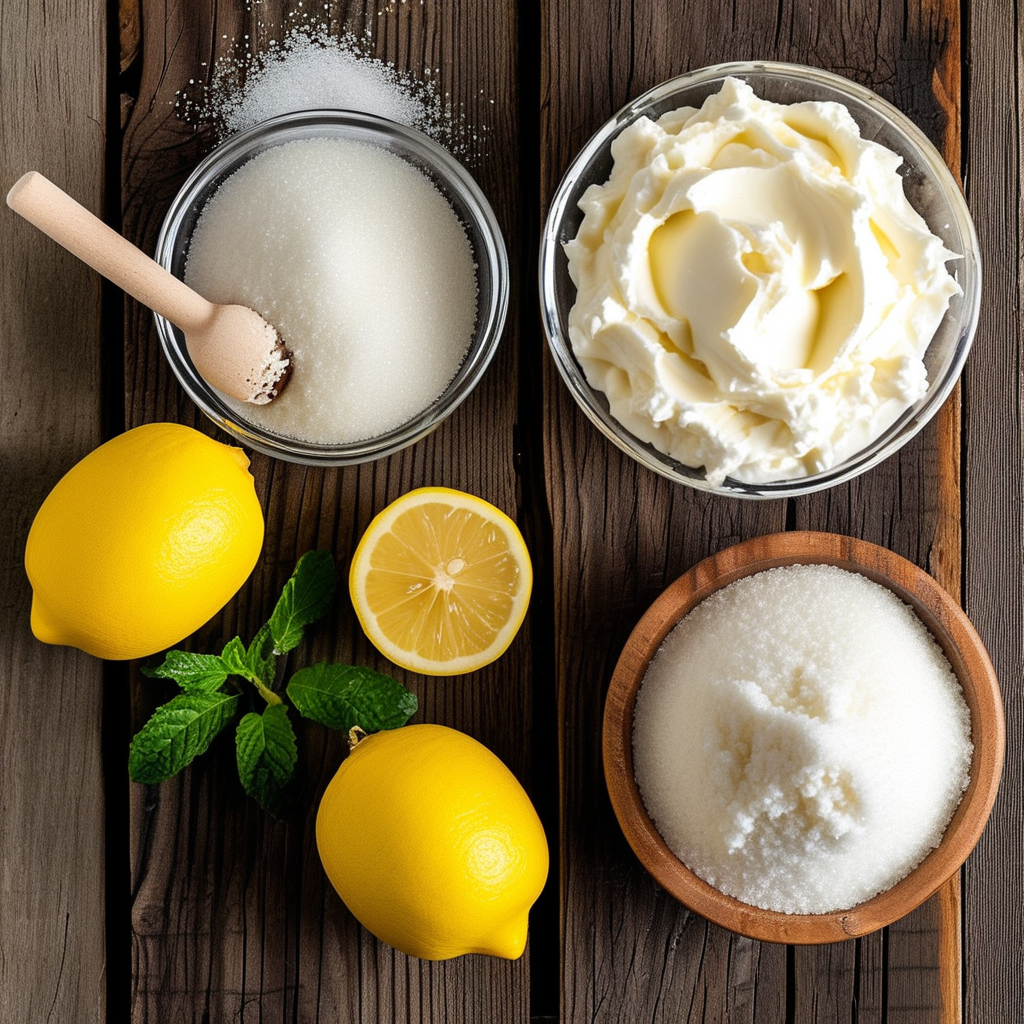
- Cream Cheese: As discussed, full-fat, brick-style is non-negotiable for superior texture and stability.
- Sugar: Powdered sugar (confectioners’ sugar) is preferred for sweet fillings as its fine texture dissolves easily, creating a silky smooth result without grittiness. Granulated sugar can be used in baked applications where it has time to dissolve.
- Vanilla Extract: A splash of pure vanilla extract enhances the overall flavor profile, adding warmth and depth to sweet creations.
- Acid (Lemon Juice): A small amount of fresh lemon juice or even a touch of white vinegar brightens the flavor, cutting through the richness and preventing the filling from tasting overly heavy. It also helps balance the sweetness.
Sweet vs. Savory Bases
- Sweet Bases: Beyond the core four, sweet fillings often incorporate heavy cream for added richness and a lighter, airier texture when whipped, or additional powdered sugar for sweetness and stability.
- Savory Bases: For savory cream cheese spread ingredients, garlic powder, onion powder, finely chopped fresh herbs (chives, parsley, dill), and a touch of sour cream or mayonnaise can transform the base into a flavorful accompaniment for appetizers and main dishes.
Equipment
Having the right tools makes the process smoother and more efficient:
- Hand Mixer vs. Stand Mixer: While a hand mixer is perfectly adequate for smaller batches, a stand mixer with a paddle attachment offers unparalleled efficiency for larger quantities, ensuring consistent, lump-free mixing.
- Paddle Attachment Benefits: The paddle attachment is ideal for creaming and mixing cream cheese fillings. It thoroughly blends ingredients without incorporating too much air, which can sometimes lead to an unstable, airy texture in certain baked applications. For whipping lighter fillings or icings, a whisk attachment might be preferred.
How to Make the Perfect Cream Cheese Filling
Follow these steps to achieve a consistently smooth, creamy, and delightful cream cheese filling.
- Step 1: Softening Cream Cheese: Achieving true room temperature is paramount. Unwrap your brick cream cheese and let it sit on the counter for at least 30-60 minutes. For a quicker method, cut the cream cheese into 1-inch cubes and spread them on a plate. You can also microwave very briefly (5-10 seconds on low power), checking frequently, but be careful not to melt it, as melted cream cheese will result in a runny, unstable filling. It should be soft enough to easily indent with a finger.
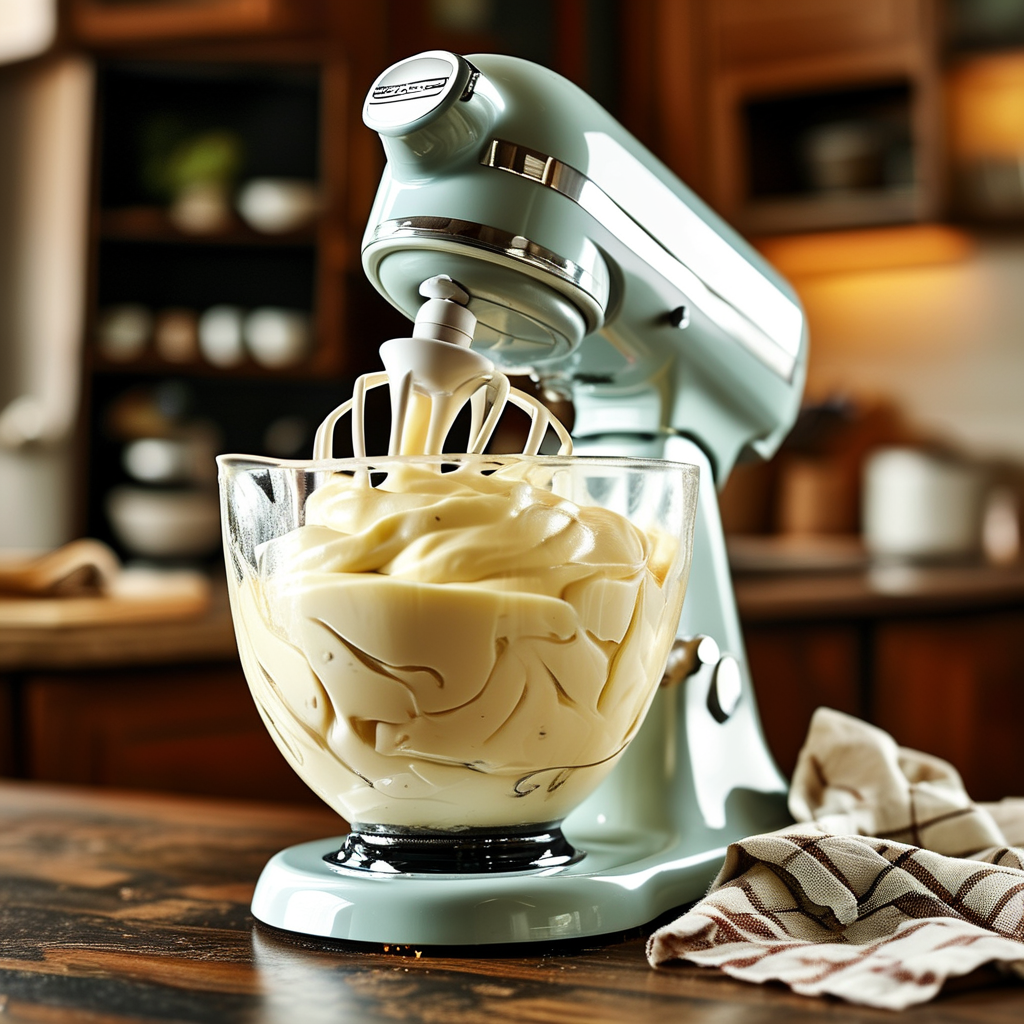
- Step 2: Creaming the Cheese: Place the softened cream cheese into the bowl of your stand mixer (with the paddle attachment) or a large mixing bowl for a hand mixer. Beat on medium-low speed for 1-2 minutes until it’s completely smooth and free of lumps. This breaks down the cream cheese structure before any other ingredients are added, preventing lumpiness later.
- Step 3: Emulsifying with Sugar and Liquids: Gradually add your powdered sugar (if sweet) or savory seasonings (if savory) to the creamed cheese. Mix on low speed until just combined, then increase to medium and beat until fully incorporated and smooth, scraping down the sides of the bowl often. Next, slowly drizzle in liquids like vanilla extract, lemon juice, or heavy cream (for sweet) or sour cream (for savory). Add these slowly while the mixer is running on low to ensure proper emulsification and prevent the mixture from splitting or becoming grainy.
- Step 4: Aeration and Texture:
- For Dense Fillings (like a bakery style cheese filling or cream cheese danish filling recipe): Continue mixing with the paddle attachment on medium speed until the filling is perfectly smooth, thick, and consistent. Avoid overmixing once all ingredients are combined, as this can incorporate too much air and potentially destabilize the filling, especially if it’s meant for baking.
- For Fluffy Fillings (like stabilized whipped cream cheese or an icing): Once smooth, switch to a whisk attachment or use a hand mixer to whip the filling on medium-high speed for another 1-2 minutes. This incorporates air, making the filling lighter, fluffier, and increasing its volume, ideal for frostings or lighter dessert layers.
Top Variations & Flavor Twists
Once you’ve mastered the basic cream cheese filling, the possibilities for customization are endless. Here are some popular and delicious variations:
- The Bakery Classic (Danish Style): For an authentic cream cheese danish filling recipe, enrich your basic sweet filling with an egg yolk (or two for a larger batch). This adds a gorgeous golden hue, extra richness, and creates that distinct, luscious, custard-like texture that bakes up beautifully without curdling. A touch of lemon zest also enhances the flavor.
- Whipped Cheesecake Mousse: To create a lighter, airy cheesecake filling for pastries or a cake, prepare your basic sweet cream cheese mixture. In a separate bowl, whip cold heavy cream to soft or medium peaks. Gently fold the whipped cream into the cream cheese mixture until just combined. This yields a delightful, airy mousse that is perfect as a cake filling or a standalone dessert. This technique also helps create a stabilized whipped cream cheese.
- Chocolate Swirl: Infuse your sweet filling with rich chocolate flavor. Beat in 2-3 tablespoons of unsweetened cocoa powder along with the powdered sugar, or gently fold in cooled, melted dark chocolate ganache (ensure the ganache isn’t too hot, or it will melt the cream cheese). Create beautiful swirls by adding streaks of chocolate and lightly swirling with a knife.
- Savory Herb & Garlic: Transform your cream cheese into a savory sensation. After creaming the cheese, mix in finely minced garlic, garlic powder, onion powder, and a generous amount of fresh chopped herbs like chives, dill, parsley, or basil. A pinch of salt and black pepper is essential. This savory cream cheese spread ingredients mix is perfect for stuffing mushrooms, jalapeño poppers, or spreading on bagels.
- Berry Infused: Add vibrant fruit flavor without introducing excess moisture. The key is to use freeze-dried fruit powder (strawberry, raspberry, blueberry). Grind freeze-dried fruit into a fine powder in a food processor, then beat it into your sweet cream cheese filling along with the sugar. This delivers intense fruit flavor and natural color without making the filling runny.
Troubleshooting Common Issues
Even seasoned bakers encounter hiccups. Here’s how to fix common cream cheese filling problems:
- “Why is my filling runny?”
- Overmixing: Whipping for too long, especially after adding liquids, can break down the emulsion, making it watery.
- Warm Kitchen/Ingredients: If your cream cheese or butter was too warm to start, or if your kitchen is very hot, the fat will separate.
- Wrong Cheese Type: Using low-fat or tub-style cream cheese with higher water content is a common culprit.
- Fix: For slight runniness, try chilling the filling for 30 minutes to an hour; it often firms up. If it’s severely runny, gently fold in 1-2 tablespoons of sifted powdered sugar (for sweet) or a tablespoon of cornstarch (for baked applications). For no-bake cream cheese mixture, consider dissolving a small amount of gelatin in hot water and whisking it in, then chilling.
- “How do I fix lumpy filling?”
- Cold Cream Cheese: The most common reason. If your cream cheese wasn’t truly softened, lumps will persist.
- Fix: If it’s a small lump, press it against the side of the bowl with your paddle. For pervasive lumps, you can try gently warming the entire mixture over a double boiler (ensure it doesn’t melt) while whisking vigorously, then chilling immediately. As a last resort for very stiff fillings, passing the mixture through a fine-mesh sieve or food mill can remove stubborn lumps, though this can be time-consuming.
- “It tastes too sweet/tangy”:
- Fix for Too Sweet: A pinch of salt can miraculously cut through excessive sweetness. You can also add more lemon juice for tartness or a tablespoon or two of plain sour cream to balance.
- Fix for Too Tangy: Add a bit more powdered sugar (for sweet fillings) or a small amount of heavy cream to mellow out the tanginess. For savory fillings, a tiny pinch of baking soda can neutralize acid, but use sparingly.
Storage & Shelf Life
Proper storage is key to maintaining the freshness and safety of your delicious cream cheese filling.
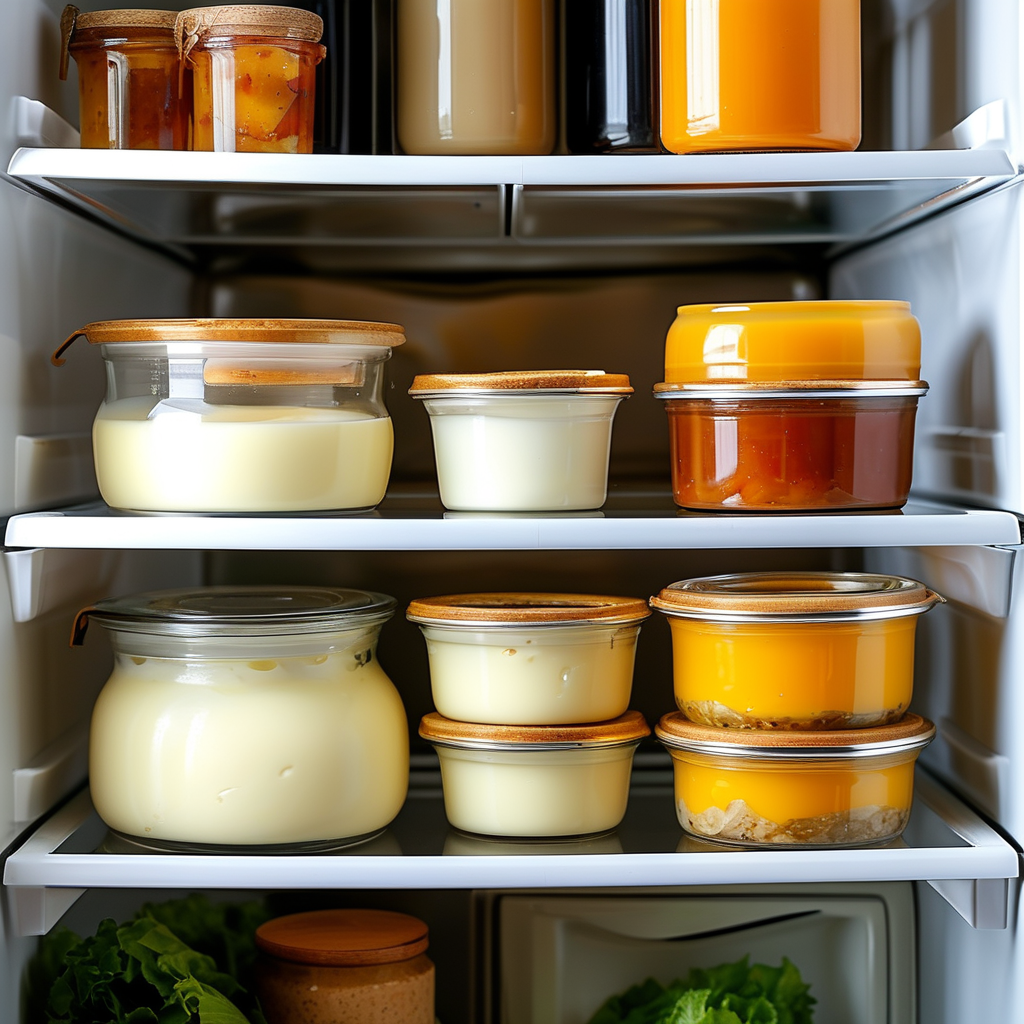
- Refrigeration Rules: Always store cream cheese fillings in an airtight container in the refrigerator. This prevents absorption of other odors and keeps it fresh. Generally, fresh dairy-based fillings are good for 5-7 days in the fridge.
- Freezing Guidelines: Not all cream cheese fillings freeze equally well.
- Baked Fillings: Fillings that have been baked (like in a cheesecake or danish) tend to freeze very well due to the altered protein structure. Wrap them tightly in plastic wrap and then foil.
- Fresh Fillings: Unbaked cream cheese fillings, especially those containing fresh cream or whipped ingredients, can sometimes separate or become grainy after thawing. However, denser fillings (like a simple sweet base) can often be frozen for up to 1-2 months. Thaw slowly in the refrigerator overnight. You may need to re-whip briefly to restore smoothness.
- Food Safety: Dairy-based fillings should not be left at room temperature for more than 2 hours. If it’s a particularly warm day, reduce this to 1 hour. Always err on the side of caution when it comes to food safety.
Creative Uses Beyond the Cake
The versatility of cream cheese filling extends far beyond traditional cakes and pastries. Get creative in the kitchen!
- Stuffed French Toast or Crepes: Use a sweet cream cheese filling as the luscious core for breakfast and brunch dishes. Mix it with a hint of orange zest or cinnamon for an extra flourish. This is a delightful sweet cheese filling for crepes.
- Homemade Pop-Tarts: Fill homemade pastry dough with a thick, sweet cream cheese mixture and your favorite fruit preserves for a gourmet take on a nostalgic treat.
- Fruit Dip or Pretzel Dip: A simple sweet cream cheese filling, perhaps with a touch of orange juice or marshmallow fluff, makes an irresistible dip for fresh fruit platters. A savory version with herbs is fantastic for pretzels or vegetable sticks.
- Savory Applications:
- Stuffed Chicken Breast: Create a savory cream cheese filling with herbs, garlic, and perhaps some finely diced sun-dried tomatoes. Slice a pocket into a chicken breast, stuff it, and bake for a flavorful meal.
- Puff Pastry Appetizers: Spread a savory cream cheese blend onto sheets of puff pastry, top with roasted red peppers or caramelized onions, cut into squares, and bake until golden for elegant appetizers.
Frequently Asked Questions (FAQ)
- Can I use low-fat cream cheese?
While you can use low-fat cream cheese for certain applications like a lighter dip, it is generally not recommended for baking or for creating a truly stable cream cheese icing for cakes. Low-fat varieties contain more water and less fat, which can lead to a runnier, less stable, and sometimes grainy filling that may separate or weep, especially in recipes requiring heat or significant structure.
- How do I stiffen the filling without more sugar?
To stiffen a cream cheese filling without adding more sugar, you have a few options: ensure it is thoroughly chilled for at least an hour, as cold helps firm up fats. For baked fillings, incorporate a small amount of cornstarch or flour. For no-bake cream cheese mixture or lighter fillings, a small amount of dissolved unflavored gelatin or a tablespoon of instant vanilla pudding mix (which contains starch) can provide significant stability. You can also whip in a bit of cold heavy cream to thicken and add body.

- Is it safe to use raw eggs in no-bake fillings?
Using raw eggs in any no-bake filling carries a risk of salmonella contamination. If your recipe calls for eggs in a no-bake context, it is highly recommended to use pasteurized eggs or egg products. These have been heat-treated to eliminate harmful bacteria, making them safe for consumption without cooking, ensuring your no-bake cream cheese mixture is safe and delicious.
Conclusion
From its humble origins in New York to its current status as a global culinary star, cream cheese filling has proven its incredible adaptability and enduring appeal. By understanding the science behind a stable filling, respecting the power of temperature control, and experimenting with thickening agents, you unlock a world of possibilities.
Remember these key tips: temperature is everything for a smooth emulsion, the right texture defines its application, and balancing the taste creates a truly unforgettable experience. Don’t be afraid to experiment with the myriad of flavor twists, whether you’re crafting a traditional bakery style cheese filling or venturing into innovative savory spreads. With this guide, you now have the tools to transform a simple block of cream cheese into a masterpiece, delighting palates with every sweet or savory creation.

Bakery-Style Cream Cheese Filling
Ingredients
- 8 oz full-fat block cream cheese Softened to room temperature. Do not use tub spread.
- 1/3 cup granulated sugar Adjust to taste.
- 1 large egg yolk Adds richness and stability. Omit for no-bake recipes if concerned about raw egg.
- 1 tsp vanilla extract High quality extract preferred.
- 1 tsp lemon juice Freshly squeezed.
- 1 pinch salt To balance sweetness.
Instructions
- Place the softened cream cheese and sugar in a medium mixing bowl.
- Beat on medium speed with a hand mixer or stand mixer for 2-3 minutes until completely smooth and free of lumps.
- Add the egg yolk, vanilla extract, lemon juice, and salt.
- Mix on low speed until just combined, scraping down the sides of the bowl to ensure even incorporation. Do not overbeat once the egg is added.
- Cover and refrigerate for at least 30 minutes to firm up before using as a filling for pastries, or use immediately for spreading.
For more daily recipes and tips, follow us on Facebook!
Click here to join our community!