Perfect Cooked Pasta Guide: Tips, Storage & Nutrition
Pasta, in its myriad forms, is more than just a meal; it’s a blank canvas for culinary creativity, a comforting classic, and a staple of global cuisine. From weeknight dinners to celebratory feasts, its versatility and universally beloved status are undeniable. But achieving that truly perfect, restaurant-quality pasta at home requires more than just boiling water. It demands precision, understanding, and a touch of culinary finesse. This comprehensive Cooked Pasta Guide will delve deep into everything you need to know, from the nutritional value of your favorite shapes to expert cooking techniques and smart storage solutions, ensuring every strand and shape is a testament to perfection.
Whether you’re a seasoned chef or a kitchen novice, mastering the art of perfectly cooked pasta can elevate your dishes from good to unforgettable. We’ll explore the differences between various pasta types, demystify the science behind optimal boiling, provide practical advice on how to store cooked pasta effectively, and even touch upon the best ways for reheating pasta without drying. Get ready to transform your pasta game!
Types of Pasta & Best Uses
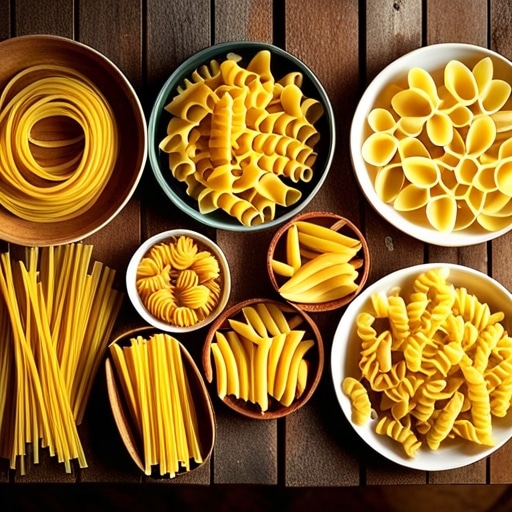
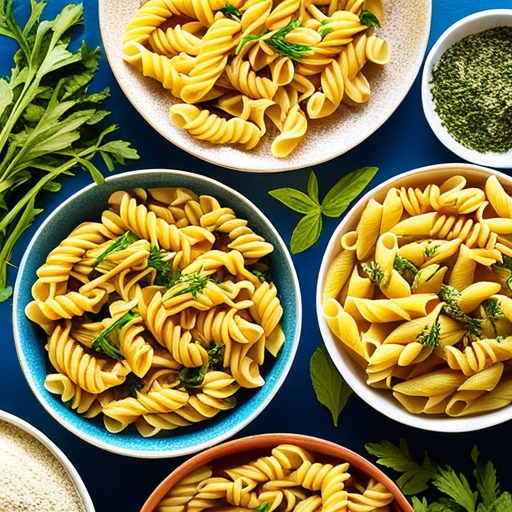
The world of pasta is incredibly diverse, with hundreds of shapes designed to pair optimally with different sauces and dishes. Understanding these distinctions is the first step to becoming a pasta master.
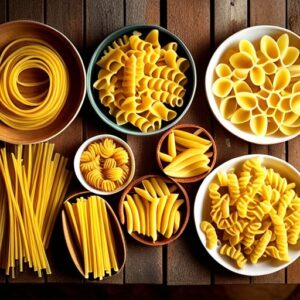
- Long Strands (Spaghetti, Linguine, Fettuccine): These elongated noodles are excellent for smooth, lighter sauces that can cling beautifully without getting trapped. Think classic marinara, creamy alfredo, or delicate pesto. Their long, elegant form makes for a satisfying twirl around the fork.
- Short Shapes (Penne, Fusilli, Rotini): With their various twists, tubes, and spirals, short pastas are ideal for catching and holding chunkier sauces, hearty meat ragùs, or vibrant vegetable mixtures. They are also the undisputed champions for cold pasta salads, where their shapes distribute dressings evenly and add textural interest.
- Tubular & Stuffed (Ziti, Rigatoni, Ravioli, Tortellini): Larger tubular pastas like ziti and rigatoni are robust enough to stand up to baked dishes with rich, cheesy sauces, allowing ingredients to nestle inside. Stuffed pastas, such as ravioli and tortellini, are meals in themselves, often served with simple butter and sage sauces to highlight their delicious fillings.
Nutrition of Cooked Pasta
Often misunderstood, cooked pasta can be a valuable part of a balanced diet, particularly when paired with nutritious sauces and ingredients.
- Caloric Content: A standard serving of approximately one cup (about 140 grams) of cooked white pasta calories typically hovers around 220, providing a significant energy boost. Keep in mind that sauces and additions will increase this count. Understanding pasta serving size cooked is key for managing caloric intake.
- Macronutrients: Pasta is predominantly a carbohydrate source, offering around 43g per cup, making it an excellent fuel for physical and mental activity. It also provides a moderate amount of protein, roughly 8g per cup, which contributes to muscle repair and satiety. It contains minimal fat on its own.
- Healthier Alternatives: For those seeking increased fiber and different nutrient profiles, whole wheat pasta is an excellent choice. It offers more dietary fiber, which aids digestion and promotes a feeling of fullness. Gluten-free options, made from rice, corn, or legumes, cater to specific dietary needs while still providing the comforting texture and versatility of traditional pasta.
“Pasta in moderation, especially whole grain varieties, provides sustained energy and can be a fantastic base for incorporating vegetables, lean proteins, and healthy fats into your diet.” – Nutritional Expert Quote
How to Cook Pasta Perfectly
Achieving that coveted ‘al dente’ texture is the hallmark of expertly prepared pasta. Follow these essential boiling pasta instructions for flawless results every time.
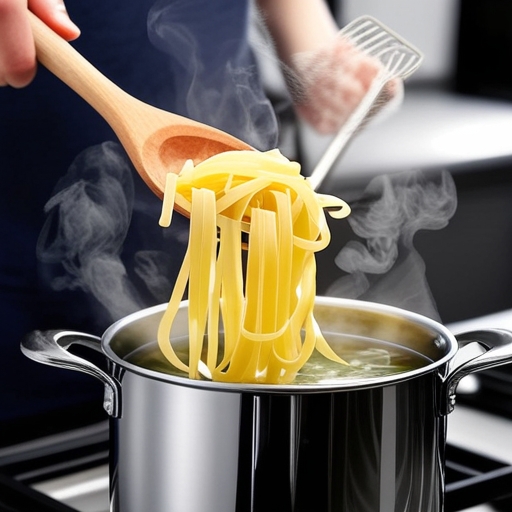
- The Golden Ratio for Water: To prevent sticking and allow the pasta to cook evenly, use plenty of water. A good guideline is 6 quarts of water per pound of pasta. This generous amount ensures the water temperature doesn’t drop too drastically when the pasta is added, allowing it to cook consistently.
- Salting the Water: This is perhaps the most critical step for flavor. Your pasta water should taste like the sea. For every pound of pasta and 6 quarts of water, add 2 tablespoons of coarse sea salt or kosher salt. This high pasta water salt ratio ensures the salt infuses into the pasta itself, seasoning it from the inside out. Remember, you can’t salt pasta after it’s cooked to the same effect.
- Achieving ‘Al Dente’: The term ‘al dente’ translates to ‘to the tooth,’ meaning the pasta should be firm but still offer a slight resistance when bitten, with no raw or floury taste. The best way to achieve this perfect al dente pasta time is to start testing your pasta 1-2 minutes before the package directions suggest. Different brands and pasta shapes will have slightly varying cooking times, so tasting is paramount.
- Reserving Pasta Water: This often-overlooked step is the secret ingredient for creating silky, emulsified sauces that beautifully coat your pasta. Before draining, scoop out about 1 to 1.5 cups of the starchy pasta water. The starches in the water help bind the sauce to the noodles, creating a cohesive and luscious dish.
- Fresh vs. Dried Pasta Cooking: It’s important to note the difference between fresh vs dried pasta cooking. Fresh pasta, often made with eggs, cooks significantly faster—typically within 2-4 minutes—compared to dried pasta, which can take 8-12 minutes or more depending on its thickness and shape. Always check for al dente regardless of type.
Common Cooking Mistakes to Avoid
Even seasoned cooks can fall prey to these common pasta pitfalls. Sidestepping them will significantly improve your final dish.
- Rinsing After Cooking: Unless you are making a cold pasta salad, never rinse your pasta after cooking. Rinsing washes away the beneficial starch on the surface of the noodles, which is essential for helping the sauce cling. It also cools the pasta, which isn’t ideal for a hot dish.
- Adding Oil to Water: A common misconception is that adding oil to the boiling water prevents sticking. In reality, it does little to prevent sticking between noodles and, more importantly, it coats the pasta, creating a barrier that prevents your delicious sauce from properly adhering. Good stirring and ample water are sufficient to prevent sticking.
- Using a Small Pot: Cramming pasta into a small pot is a recipe for disaster. It causes the water temperature to drop dramatically, leading to uneven cooking and clumpy, gummy pasta. Always use the largest pot you have to ensure rapid, consistent boiling.
- Overcooking: Overcooked pasta is mushy, loses its textural appeal, and often has a higher glycemic impact. Aiming for that ‘al dente’ bite is crucial for both taste and texture. Set a timer and taste frequently towards the end of the cooking process.
Storing and Reheating Cooked Pasta
Proper storage and reheating are vital for enjoying your leftovers and even preparing components in advance. This section will guide you on how to store cooked pasta to maintain its quality.
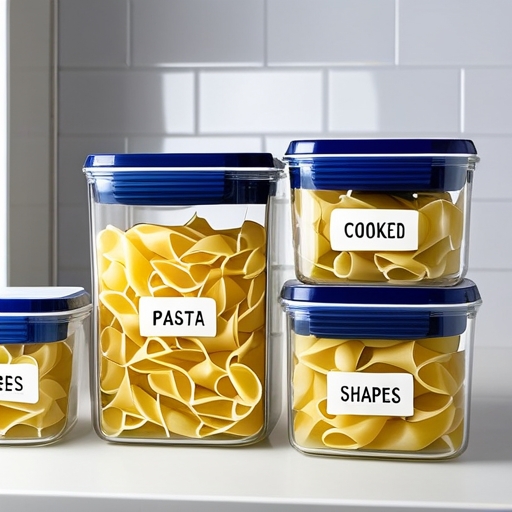
- Refrigeration: For short-term storage, allow your cooked pasta to cool completely. For best results, lightly toss it with a small amount of olive oil to prevent sticking, then transfer it to an airtight container. Refrigerated cooked pasta is best consumed within 3-5 days. If stored with sauce, it tends to absorb more liquid and soften further.
- Freezing Tips: You can freeze cooked pasta for longer preservation. For optimal results, freeze it slightly undercooked (still quite firm al dente). Toss with a little oil, spread in a single layer on a baking sheet to flash freeze, then transfer to a freezer-safe bag or container. This prevents a large, frozen block. Frozen pasta can last for up to 3 months. This method is fantastic for meal prepping or preparing for leftover pasta recipes.
- Reheating Techniques: The key to reheating pasta without drying is to introduce moisture and heat gently.
- Stovetop: The best method for sauced pasta. Add the pasta directly to a pan with a splash of water, broth, or additional sauce. Heat over medium-low, stirring gently, until warmed through. The added liquid helps rehydrate and create a smooth consistency.
- Microwave: Place cooked pasta in a microwave-safe dish. Add a splash of water or a dollop of sauce, then cover with a damp paper towel or microwave-safe lid. Heat in short bursts (30-60 seconds), stirring in between, until hot. The steam from the damp towel helps retain moisture.
- Oven: Ideal for baked pasta dishes. Cover with foil to prevent drying and reheat at 350°F (175°C) until warmed through, removing the foil for the last few minutes if a crispy top is desired.
Popular Sauce Pairings
The right sauce can elevate your pasta from simple to sublime. Here are some classic pairings:
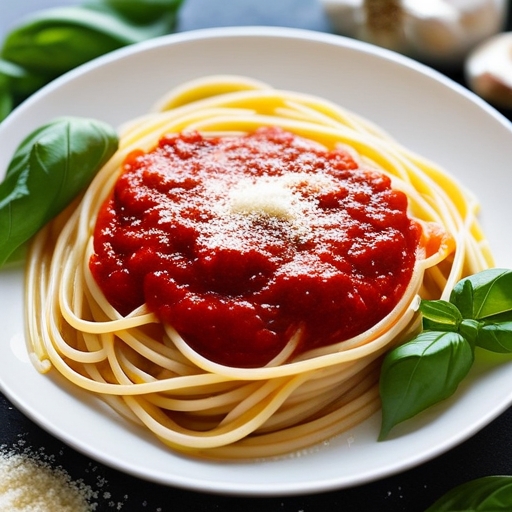
- Tomato-Based (Marinara, Arrabiata, Bolognese): These vibrant and often robust sauces are incredibly versatile. Marinara is a classic pairing for long strands like spaghetti, while a rich Bolognese, often featuring slow-cooked beef, is perfect with tagliatelle or pappardelle, allowing the thick strands to catch every bit of the hearty sauce.
- Cream-Based (Alfredo, Carbonara): Rich and indulgent, cream-based sauces cling beautifully to broad, flat noodles like fettuccine. Their decadent texture is enhanced by the generous surface area of these pasta types.
- Oil-Based (Pesto, Aglio e Olio): Lighter yet packed with flavor, oil-based sauces work wonderfully with textured shapes like rotini or fusilli, which can trap the aromatic herbs, garlic, and oil. They also complement delicate long pastas like spaghetti or linguine, providing a sophisticated, less heavy alternative.
Conclusion
From understanding the nuances of various shapes to mastering the ‘al dente’ technique and intelligently managing your leftovers, this Cooked Pasta Guide provides a foundation for truly excellent pasta every time. Remembering to properly salt your water, use ample cooking liquid, and avoid rinsing are fundamental steps towards achieving perfection. Don’t underestimate the power of reserving that starchy pasta water – it’s a game-changer for sauce consistency.
Embrace the journey of exploration in the world of pasta. Whether you’re twirling spaghetti with a classic marinara, savoring baked ziti, or discovering new global variations, the principles outlined here will ensure your culinary creations are always a hit. So, tie on your apron, boil some water, and get ready to enjoy perfectly cooked pasta, every single time.
Perfect Al Dente Cooked Pasta
Ingredients
- 1 lb dried pasta shape of choice (spaghetti, penne, etc.)
- 6 quarts water cold water works best for boiling
- 2 tbsp Kosher salt essential for seasoning the pasta from within
- 1 cup pasta water reserved from the pot before draining
Instructions
- Fill a large pot with 6 quarts of cold water and bring it to a rolling boil over high heat.
- Once boiling, add the Kosher salt. The water should taste noticeably salty, like the sea.
- Add the dried pasta to the water. Stir immediately to prevent the noodles from clumping together or sticking to the bottom.
- Cook uncovered, stirring occasionally, until the pasta is 'al dente' (firm to the bite). Start tasting the pasta 1 to 2 minutes before the package's recommended cooking time.
- Carefully carefully dip a heat-proof measuring cup into the pot to reserve about 1 cup of the starchy cooking water.
- Drain the pasta in a colander. Do not rinse with water unless you are making a cold pasta salad.
- Immediately toss the hot pasta with your chosen sauce, adding splashes of the reserved pasta water if needed to help the sauce emulsify and cling to the noodles.
For more daily recipes and tips, follow us on Facebook!
Click here to join our community!