“`html
Crispy, Sweet & Savory: Why You Need These Coconut Chicken Tenders in Your Life
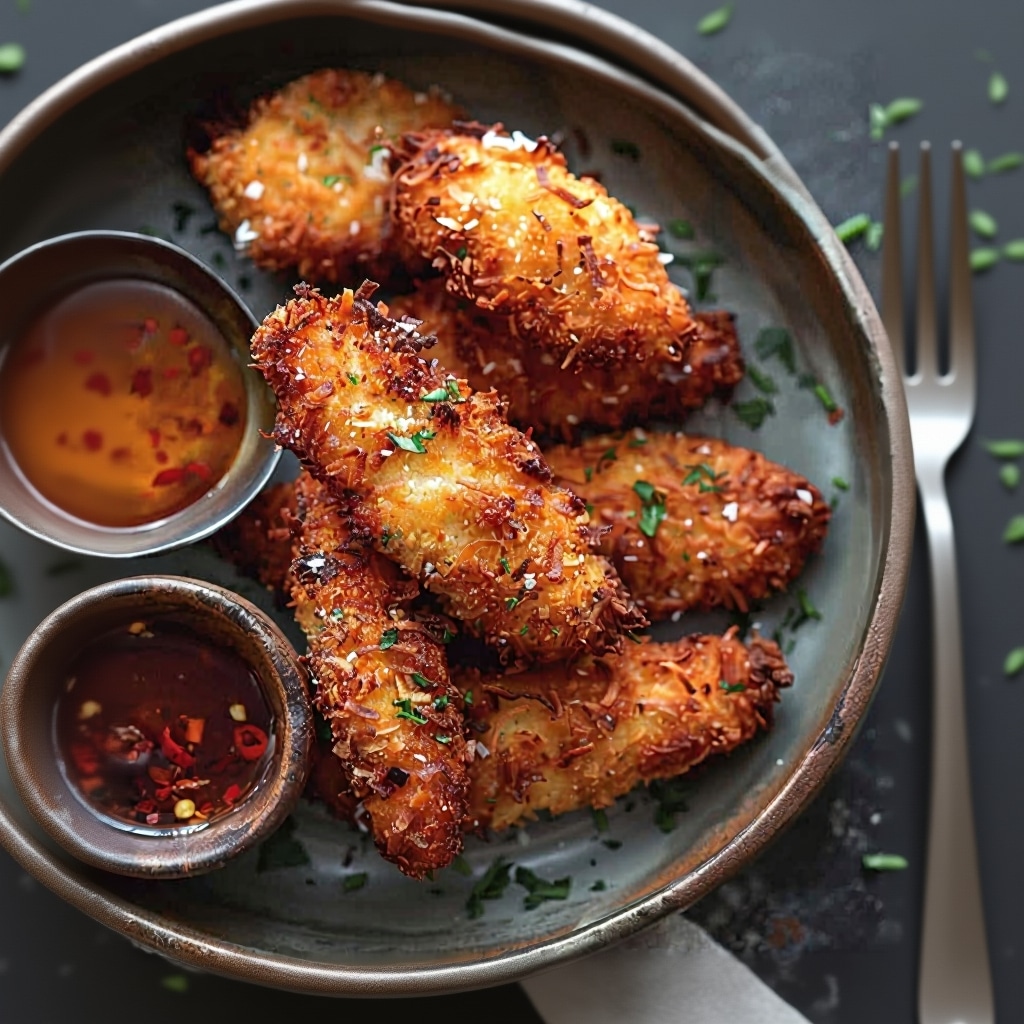
Imagine this: a golden-brown crunch that gives way to unbelievably juicy, tender chicken, all infused with a delightful tropical sweetness and savory depth. That, my friends, is the magic of truly exceptional Coconut Chicken Tenders. Forget bland, boring weeknight meals; this recipe is a game-changer, promising a burst of flavor and texture that will have everyone reaching for more. Perfect as a quick dinner, a fun lunch, or even an impressive appetizer, these crispy coconut chicken tenders are incredibly versatile and utterly irresistible. Whether you prefer them baked, fried, or air-fried, get ready to discover your new family favorite!
Why This Recipe Works (And Will Become a Staple!)
Our coconut chicken tenders aren’t just good; they’re destined to become a regular in your meal rotation. Here’s why this easy chicken tender recipe stands out:
- Unbeatable Texture: The dynamic duo of panko breadcrumbs and shredded coconut creates an intensely crispy, golden coating that shatters with every bite.
- Perfectly Balanced Flavor: We strike the ideal harmony between the natural sweetness of coconut and a blend of savory spices, resulting in a complex, addictive flavor profile.
- Incredibly Versatile: We’ll provide explicit instructions for how to bake coconut chicken tenders, pan-fry for ultimate crispiness, or air-fry for a healthier twist.
- Family & Kid-Approved: These dippable, delicious chicken tenders are a guaranteed hit, even with the pickiest eaters. Say goodbye to mealtime battles!
- Simple, Accessible Ingredients: You won’t need any specialty items. Most of what you need is likely already in your pantry.
The Cast of Ingredients: What You’ll Need
Crafting the perfect coconut crusted chicken starts with quality ingredients. Here’s what you’ll gather:
For the Chicken
- Chicken Tenderloins: These are the star! Their natural size and tenderness make them ideal for quick cooking and perfectly portioned bites. If you can’t find tenderloins, simply slice boneless, skinless chicken breasts into uniform 1-inch thick strips to create your own chicken tenders.
For the Crispy Coconut Coating
- Shredded Coconut: This is where the tropical magic happens. For a balanced sweet and savory profile, we recommend using unsweetened shredded coconut. It allows you to control the overall sweetness of the dish. If you prefer a sweeter, more dessert-like flavor, you can certainly use sweetened coconut flakes.
- Panko Breadcrumbs: Panko is non-negotiable for that extra crunch! Its larger, flakier texture makes it superior to regular breadcrumbs. For gluten-free coconut chicken tenders, opt for gluten-free panko.
- All-Purpose Flour: This initial dusting helps create a dry surface for the egg wash to adhere to, ensuring a thick, even coating. A 1-to-1 gluten-free flour blend works perfectly as a substitute.
- Seasonings: A harmonious blend of salt, black pepper, garlic powder, onion powder, and paprika elevates the savory notes and beautifully complements the coconut.
For the Binder
- Eggs & Water/Milk: Whisked together, these create the “glue” that binds our crispy coating to the chicken, ensuring every tender is perfectly coated.
Essential Kitchen Tools
Having the right equipment makes making these coconut breaded chicken a breeze:
- Three shallow bowls or pie plates (essential for your breading station)
- Baking sheet with a wire rack (for baking/air frying and draining)
- Large skillet (if pan-frying)
- Tongs (for easy handling of chicken)
- Meat thermometer (the secret to perfectly cooked, juicy chicken every time)
How to Make Coconut Chicken Tenders: A Step-by-Step Guide
Follow these simple steps for perfectly coated, mouthwatering chicken tenders with shredded coconut:
Step 1: Prepare the Chicken
Start by patting your chicken tenderloins thoroughly dry with paper towels. This is a critical step for achieving a truly crispy coating, as moisture can prevent the breading from sticking effectively. Trim any excess fat or sinew.
Step 2: Set Up Your Breading Station
Arrange your three shallow bowls in an assembly line. In the first bowl, combine the all-purpose flour, salt, black pepper, garlic powder, onion powder, and paprika. Whisk well to ensure the seasonings are evenly distributed. In the second bowl, whisk the eggs with a splash of water or milk until well combined. In the third bowl, combine the panko breadcrumbs and shredded coconut, mixing thoroughly.
Step 3: The Dredging Process for Perfect Coating
This is where the magic happens! Using a “dry hand, wet hand” technique prevents clumpy fingers:
- First, dredge a chicken tender in the flour mixture, shaking off any excess. Use your “dry hand” for this.
- Next, transfer the floured tender to the egg wash, ensuring it’s fully coated. Use your “wet hand” here.
- Finally, move the chicken to the panko coconut mixture. Use your “dry hand” again to firmly press the coconut breading onto all sides of the chicken. The firmer you press, the better the coating will stick and the crispier your panko coconut chicken will be! Place the breaded tender on a clean plate or baking sheet as you continue with the rest of the chicken.
Choose Your Cooking Method: Baked, Fried, or Air-Fried
Whether you’re aiming for a healthy coconut chicken option or ultimate indulgence, there’s a cooking method for you. Ensure the internal temperature of the chicken reaches 165°F (74°C) with a meat thermometer, regardless of the method.
How to Bake Coconut Chicken Tenders (The Healthier Way)
For a healthier, hands-off approach, oven-baked chicken strips are fantastic. Preheat your oven to 400°F (200°C). Line a baking sheet with parchment paper and place a wire rack on top. This is key for allowing air to circulate, ensuring crispiness on all sides without flipping constantly. Arrange the breaded tenders in a single layer on the rack, making sure they don’t touch. Lightly spray the tenders with cooking oil (avocado or coconut oil works great). Bake for 18-25 minutes, flipping halfway through, until golden brown and cooked through.
How to Pan-Fry for Ultimate Golden Crispiness
For truly golden and crispy results, pan-frying delivers. Heat about ½ inch of a neutral, high-smoke point oil (like canola, vegetable, or peanut oil) in a large skillet over medium-high heat. Test if the oil is ready by dropping a few panko crumbs in; they should sizzle immediately. Fry the pan-fried chicken tenders in batches, being careful not to overcrowd the pan, as this lowers the oil temperature and can lead to soggy chicken. Fry for 3-4 minutes per side, until golden brown and cooked through. Transfer the cooked tenders to a wire rack set over paper towels to drain excess oil, which helps maintain crispness.
How to Make Coconut Chicken Tenders in the Air Fryer
The air fryer is fantastic for achieving crispy results with less oil, making it another great option for healthy coconut chicken. Preheat your air fryer to 375°F (190°C). Arrange the breaded tenders in a single layer in the air fryer basket, ensuring they don’t touch. You’ll likely need to work in batches. Lightly spray the tenders with cooking oil. Air fry for 10-15 minutes, flipping halfway through, until golden and cooked through. These air fryer coconut chicken tenders are incredibly convenient!
Pro Tips for the Best Coconut Chicken Ever
Elevate your coconut chicken tenders from good to legendary with these expert tips:
- Don’t Skip the Drying Step: As mentioned, patting the chicken dry is paramount. Excess moisture is the enemy of crispiness!
- Press the Coating Firmly: When dredging in the panko coconut mixture, really press it onto the chicken. This is the secret to getting the breading to stick and ensures a thick, satisfying crust.
- Don’t Overcrowd: This applies to all cooking methods. Give your tenders space to breathe (and crisp up!) whether they’re in the pan, on the baking sheet, or in the air fryer.
- Use a Meat Thermometer: The foolproof way to ensure juicy, perfectly cooked chicken every time. It should reach an internal temperature of 165°F (74°C).
- Toast the Coconut (Optional Pro Move): For an even deeper, nuttier flavor, lightly toast the shredded coconut in a dry skillet over medium-low heat for a few minutes before adding it to your panko mixture. Watch it closely, as it can burn quickly!
The Perfect Dipping Sauces to Elevate Your Tenders
While delicious on their own, coconut chicken tenders truly shine when paired with a complementary dipping sauce. Here’s a fantastic homemade option and more ideas:
Homemade Sweet Chili Pineapple Sauce (Recipe)
This sauce is a tropical dream, perfectly complementing the flavors of the chicken.
- ½ cup sweet chili sauce
- ¼ cup crushed pineapple (undrained)
- 1 tablespoon fresh lime juice
- 1 tablespoon chopped fresh cilantro (optional)
Combine all ingredients in a small bowl and stir well. Allow to sit for 10 minutes for flavors to meld. This is also a fantastic best dipping sauce for coconut shrimp!
More Delicious Sauce Ideas
- Creamy Honey Mustard: A timeless classic that offers a sweet and tangy counterpoint.
- Apricot or Orange Marmalade: Simple, sweet, and tangy – just warm it slightly for extra pourability.
- Spicy Mayo: Mix sriracha with mayonnaise to your desired heat level for a creamy, zesty kick.
- Mango Chutney: Offers a complex sweet, spicy, and tangy profile that’s a perfect tropical pairing.
What to Serve with Coconut Chicken Tenders
Build a complete and satisfying meal around your delicious coconut crusted chicken. These are also perfect as appetizer chicken tenders for a gathering!
- Starchy Sides: Pair them with crispy sweet potato fries, fragrant cilantro lime rice, or simple roasted potatoes for a comforting meal.
- Vegetable Sides: A fresh mango slaw, a vibrant green salad with a light vinaigrette, or perfectly steamed green beans add freshness and balance.
- As an Appetizer: Arrange them beautifully on a platter with an assortment of dipping sauces for an irresistible party snack.
Storage, Freezing, and Reheating Instructions
Plan ahead or enjoy leftovers with these handy tips for your coconut chicken tenders.
- Storing Leftovers: Cooked coconut chicken tenders can be stored in an airtight container in the refrigerator for up to 3-4 days.
- Freezing Instructions:
- Cooked: Allow cooked tenders to cool completely, then arrange them in a single layer on a baking sheet and freeze until solid. Transfer to a freezer-safe bag or container for up to 2-3 months.
- Uncooked: Bread the chicken tenders, then arrange them on a parchment-lined baking sheet and freeze until solid. Transfer to a freezer-safe bag with parchment paper between layers to prevent sticking. Cook from frozen, adding about 5-10 minutes to the cooking time.
- The Best Way to Reheat: To restore that desirable crispness, reheat leftovers in the oven or air fryer at 350°F (175°C) for 10-15 minutes, or until heated through and crispy. Avoid the microwave, as it will make them soggy.
Frequently Asked Questions (FAQ)
Can I use chicken breasts instead of tenderloins?
Absolutely! If you only have chicken breasts, simply slice them into even 1-inch thick strips to create uniform chicken tenderloin recipes. This ensures they cook evenly and quickly, just like natural tenderloins.
Should I use sweetened or unsweetened shredded coconut?
For this specific crispy coconut chicken recipe, we recommend unsweetened shredded coconut. It provides a more balanced sweet-savory flavor profile and allows the savory seasonings to shine. Sweetened coconut flakes will give a noticeably sweeter taste, which some prefer, but can sometimes overpower the chicken.
How do I get the coconut breading to stick to the chicken?
Getting the breading to stick is key! The best way is to ensure you pat the chicken very dry, follow the three-step breading process (flour, egg, coconut/panko), and most importantly, firmly press the coconut mixture onto the chicken from all sides. Don’t be shy with the pressure!
Can I make these gluten-free?
Yes, making gluten-free coconut chicken is straightforward. Simply substitute the all-purpose flour with a 1-to-1 gluten-free flour blend and use gluten-free panko breadcrumbs. The taste and texture will be virtually identical!
Are coconut chicken tenders healthy?
The “healthiness” largely depends on your cooking method. Baked coconut chicken tenders and air fryer coconut chicken tenders are significantly healthier options than deep-fried, as they use minimal oil. By opting for leaner chicken tenderloin recipes and controlling portions, they can certainly be part of a balanced diet, especially when paired with vegetable sides.
“`
For more daily recipes and tips, follow us on Facebook!
Click here to join our community!