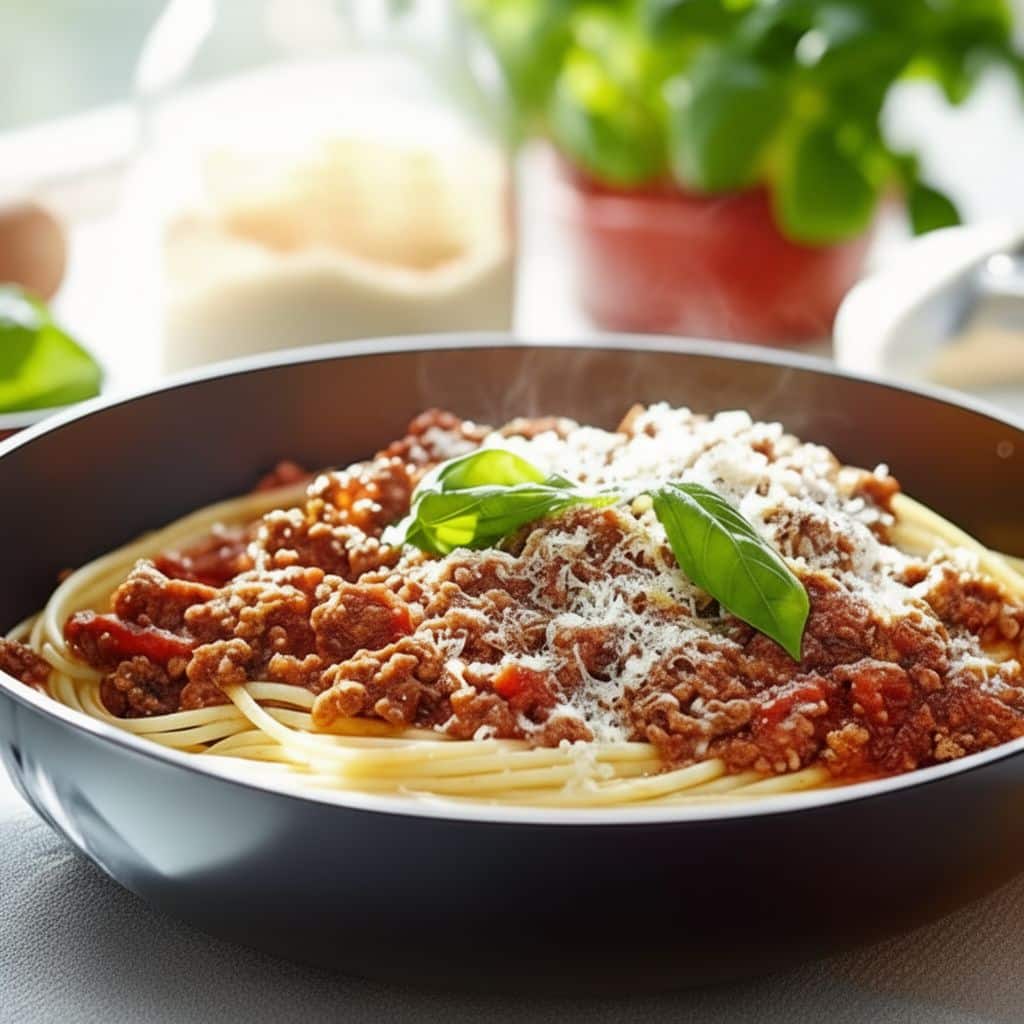
A comforting bowl of Classic Spaghetti Bolognese is more than just a meal; it’s an experience, a deeply savory hug from Italy that transforms simple, humble ingredients into an extraordinary family dinner. This slow-simmered meat sauce, rich in flavor and tradition, is the pinnacle of home cooking. While many may consider it a quick fix, a true, authentic Bolognese sauce demands patience, love, and a meticulous approach to technique. It’s a culinary journey that rewards every minute spent in the kitchen with unparalleled depth and a memorable taste that will have everyone asking for seconds.
Originating from the Emilia-Romagna region of Italy, particularly the city of Bologna, this dish is far more robust and nuanced than its casual reputation might suggest. Forget the thin, watery versions; we’re talking about a luxurious, rich ragu designed to cling to every strand of pasta. This guide will take you through every essential step to mastering this timeless Italian classic, ensuring your homemade pasta sauce becomes the stuff of legend in your own home.
The Secret to the Best Bolognese Sauce
Crafting the perfect Bolognese is an art form, built on layers of flavor that develop over time. There are no shortcuts to achieving that deep, umami-rich character that defines a truly remarkable Bolognese. It all begins with understanding the core components and treating each one with the respect it deserves.
The Holy Trinity: Soffritto
Every great symphony needs a strong overture, and in the world of Italian cooking, that’s the soffritto. This finely diced medley of aromatic vegetables – onions, carrots, and celery – isn’t just a background player; it’s the very soul of your sauce. Cooked down slowly and gently in good olive oil, these vegetables sweeten and caramelize, releasing their natural sugars and complex flavors. The onion provides a sweet, pungent base, the carrot contributes earthy sweetness and a beautiful hue, and the celery adds a subtle, peppery bite and crucial aromatic depth. Taking the time to properly soften your soffritto until it’s almost melting is a non-negotiable step; it sets the stage for every flavor that follows, building a naturally sweet and earthy foundation that is the hallmark of any authentic Bolognese sauce.
Choosing the Right Meat
For a truly exceptional Bolognese, the choice of meat is paramount. For maximum richness and an incredibly satisfying texture, fat is absolutely essential. While many traditional recipes carefully balance lean and fatty cuts, you can achieve phenomenal depth and a luxurious, hearty texture by using an 80/20 ground beef blend. This higher fat content ensures the meat remains juicy and flavorful through the long simmering process, infusing the entire sauce with its savory essence. For an even more intense flavor profile and textural complexity, consider pairing your ground beef with finely chopped beef bacon. This addition introduces a smoky, cured element that deepens the savory notes of your traditional beef ragu without overpowering it. The goal is a melt-in-your-mouth experience, where the meat almost dissolves into the sauce, becoming one with its rich embrace.
The Role of Milk and Wine
For those new to the nuances of Italian cooking, the inclusion of milk and wine in a meat sauce might seem unconventional. However, these two ingredients are culinary game-changers in Classic Spaghetti Bolognese. Adding a splash of whole milk early in the cooking process serves a dual purpose: it tenderizes the beef, making it incredibly succulent, and it helps to balance the acidity of the tomatoes that will be added later. The milk gently bathes the meat, creating a creamier texture and a richer mouthfeel. Following the milk with a generous pour of dry red wine – something like a Sangiovese or a Cabernet Sauvignon – adds a profound layer of robust complexity. As the wine simmers, its alcohol evaporates, leaving behind concentrated fruity and earthy notes that elevate the sauce from merely good to truly spectacular. This combination is essential for the depth and balance characteristic of a genuine slow-simmered meat sauce.
The Best Tomatoes and Essential Seasonings
No homemade pasta sauce would be complete without the right tomatoes. For the very best tomatoes for Bolognese, opt for high-quality canned Italian tomatoes, such as San Marzano. Their balanced sweetness and lower acidity are perfect for a long-simmered sauce. You’ll want to use crushed tomatoes or whole peeled tomatoes that you crush by hand, ensuring a pure, unadulterated tomato flavor that complements the richness of the meat and aromatics. Avoid overly watery or acidic varieties, which can throw off the sauce’s delicate balance. Beyond tomatoes, a few key seasonings make all the difference. Fresh bay leaves infuse a subtle herbal note, a pinch of freshly grated nutmeg adds an unexpected warmth and earthiness, and a touch of dried oregano (used sparingly) can tie all the flavors together. Season generously with salt and freshly ground black pepper throughout the cooking process, tasting and adjusting as you go to achieve perfection.
Step-by-Step: How to Make Classic Spaghetti Bolognese
Mastering Classic Spaghetti Bolognese is about respecting each stage of the cooking process. Each step builds upon the last, creating a symphony of flavors that only time and care can achieve. Think of it as a culinary marathon, not a sprint.
Prepping the Ingredients
The secret to a velvety, cohesive Bolognese lies in meticulous preparation, particularly when it comes to your vegetables. Take the time to finely dice your onions, carrots, and celery. We’re talking about pieces no larger than a grain of rice if possible. This isn’t just for aesthetics; smaller pieces melt seamlessly into the sauce as it simmers, creating a smooth, luxurious texture rather than a chunky stew. This attention to detail ensures that the soffritto practically disappears into the background, leaving behind only its incredible flavor contribution. Having all your ingredients prepped and ready – mise en place – before you even turn on the stove will make the cooking process smooth and enjoyable.
Searing and Deglazing
Browning your beef properly is a critical, non-negotiable step for flavor development. This isn’t just about cooking the meat; it’s about initiating the Maillard reaction, where amino acids and sugars react under heat to create hundreds of new flavor compounds, resulting in that irresistible savory, caramelized crust. Brown the beef in batches if necessary, ensuring not to overcrowd the pan, which would steam the meat instead of searing it. Once the beef is beautifully browned and removed from the pot, you’ll notice a delicious, caramelized residue (fond) stuck to the bottom. This is pure gold. Deglazing the pot with your dry red wine ensures you scrape up every bit of this concentrated flavor, incorporating it back into your sauce. This step is fundamental to building the profound depth that defines a truly great authentic Bolognese sauce.
Adding Liquids and The Low and Slow Simmer
Once your soffritto is golden, your beef seared, and the pan deglazed with wine, it’s time to bring all the elements together. First, pour in the milk, allowing it to simmer and absorb into the meat, tenderizing it beautifully. Then, add your wine, letting it reduce slightly to concentrate its flavors. Finally, introduce your high-quality crushed tomatoes, along with a splash of beef broth or water, and your bay leaves, nutmeg, and oregano. Stir everything together, bring it to a gentle simmer, then reduce the heat to the absolute lowest setting. This is where the magic truly happens.
A real Bolognese cannot be rushed. Simmering the sauce on the lowest heat for at least two hours – and ideally for three to four, or even longer – allows the flavors to marry and deepen in an extraordinary way. The meat becomes incredibly tender, almost melting into the sauce, and the tomatoes lose any harsh acidity, mellowing into a sweet, rich base. The entire kitchen will fill with a mouthwatering aroma, a testament to the slow transformation occurring in your pot. Keep the pot partially covered to prevent too much evaporation, stirring occasionally to prevent sticking. This patient, gentle cooking is what turns a simple collection of ingredients into a complex, nuanced slow-simmered meat sauce that is utterly unforgettable. It’s an investment of time that pays dividends in flavor, making it a truly rewarding endeavor for any home cook looking to create incredible Italian pasta recipes.
Serving Suggestions and Variations
Once your glorious Bolognese has simmered to perfection, the moment of truth arrives: serving it. While the sauce is undeniably the star, how you present it can elevate the entire dining experience, transforming it into a truly memorable family dinner idea.
The Perfect Pasta Pairing
While spaghetti is a beloved classic worldwide and certainly a fantastic choice for any spaghetti meat sauce, the traditional way to enjoy this rich sauce in Italy is often with wider ribbons of pasta. The broad, flat surface of tagliatelle or pappardelle provides an ideal canvas for the thick, luxurious ragu to cling to every single strand, ensuring every bite is loaded with flavor. These wider pasta shapes are designed to scoop up and cradle the hearty bits of meat and sauce, creating a more cohesive and satisfying mouthful. Cook your chosen pasta al dente – firm to the bite – as it will continue to cook slightly when tossed with the hot sauce. A traditional finishing touch involves tossing the pasta directly with a generous amount of sauce in the pot, allowing the pasta to absorb some of that incredible flavor before plating. Garnish with a generous dusting of freshly grated Parmesan cheese for that ultimate authentic touch.
Storing and Freezing
One of the many joys of making a large batch of Classic Spaghetti Bolognese is that, like many slow-cooked stews and sauces, it tastes even better the next day. The flavors continue to meld and deepen overnight, creating an even more harmonious and complex sauce. Allow any leftover sauce to cool completely before transferring it to airtight containers. It will keep beautifully in the refrigerator for 3-4 days, making it the ultimate meal-prep recipe for busy weeknights. For longer storage, Bolognese freezes beautifully for up to three months. Portion it into freezer-safe containers or bags, ensuring you leave a little headspace for expansion. Thaw overnight in the refrigerator and gently reheat on the stovetop, adding a splash of beef broth or water if needed to adjust consistency. Having a stash of this exquisite homemade pasta sauce in your freezer is like having a secret weapon for effortlessly delicious meals, always ready to turn a simple weeknight into a special occasion.
Conclusion
Embarking on the journey to create your own Classic Spaghetti Bolognese is more than just cooking; it’s an act of culinary love. It’s a chance to slow down, savor the process, and witness the incredible transformation of simple ingredients into a dish of profound depth and flavor. Gather your ingredients, dedicate a Sunday afternoon to this magnificent recipe, and let the intoxicating aroma fill your kitchen. The rich, tender beef, the sweet soffritto, the subtle notes of milk and wine – every element contributes to a masterpiece that will undoubtedly become a treasured family tradition.
This is more than just a recipe; it’s an invitation to experience the true essence of Italian comfort food. So, roll up your sleeves, embrace the slow simmer, and prepare to delight your senses with the ultimate authentic Bolognese sauce. Your taste buds, and your family, will thank you for it.
For more delicious family dinner ideas, behind-the-scenes glimpses into our kitchen, and to share your own culinary adventures, be sure to follow our community on Facebook!
Follow us on Facebook: https://www.facebook.com/profile.php?id=61568538666337
Classic Spaghetti Bolognese
Ingredients
- 1 lb Dried spaghetti Tagliatelle can also be used
- 2 tbsp Olive oil
- 1 large Yellow onion Finely diced
- 2 medium Carrots Finely diced
- 2 ribs Celery Finely diced
- 1.5 lb Ground beef 80/20 preferred
- 0.5 lb Beef bacon Finely chopped
- 3 cloves Garlic Minced
- 2 tbsp Tomato paste
- 0.5 cup Dry red wine
- 28 oz Crushed tomatoes Canned, preferably San Marzano
- 1 cup Beef broth
- 0.5 cup Whole milk
- 1 cup Parmesan cheese Freshly grated, for garnish
- 0.25 cup Fresh basil Torn, for garnish
Instructions
- Heat olive oil in a large Dutch oven or heavy-bottomed pot over medium heat.
- Add the finely diced onion, carrots, and celery. Sauté for 8 to 10 minutes until the vegetables are soft and translucent.
- Stir in the chopped beef bacon and minced garlic, cooking for another 2 minutes until fragrant and the fat begins to render.
- Increase the heat to medium-high and add the ground beef. Cook, breaking it apart with a wooden spoon, until browned and no pink remains, about 8 to 10 minutes.
- Stir in the tomato paste, cooking for 2 minutes to deepen its flavor and color.
- Pour in the dry red wine to deglaze the pot, scraping up any browned bits from the bottom. Allow the wine to reduce by half.
- Add the crushed tomatoes, beef broth, and whole milk. Stir well to combine and bring the sauce to a gentle simmer.
- Reduce the heat to the lowest setting, cover the pot partially with a lid, and let the sauce simmer gently for 2 hours, stirring occasionally.
- In the last 15 minutes of the sauce's cooking time, bring a large pot of salted water to a boil and cook the spaghetti according to the package instructions until al dente.
- Drain the spaghetti, reserving half a cup of pasta water. Toss the hot pasta directly into the Bolognese sauce, adding a splash of pasta water if needed to help the sauce cling to the noodles.
- Serve immediately, generously garnished with freshly grated Parmesan cheese and torn fresh basil leaves.
For more daily recipes and tips, follow us on Facebook!
Click here to join our community!