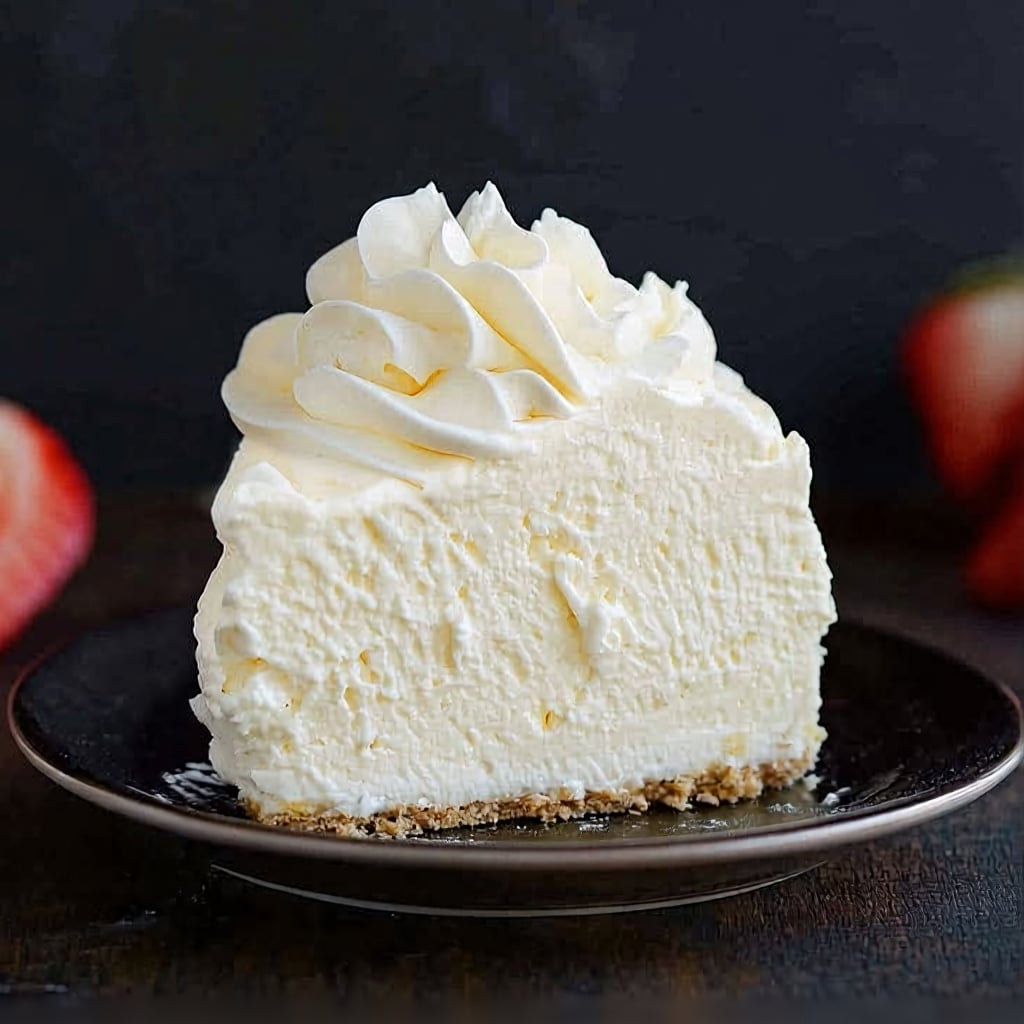
Tired of cheesecakes that fall flat, crack under pressure, or simply lack that melt-in-your-mouth creaminess? You’re in the right place. Get ready to transform your dessert game with The Ultimate Cheesecake with Whipped Cream. This isn’t just any homemade cheesecake recipe; it’s your secret weapon for creating the most decadent, unbelievably smooth, and perfectly balanced cheesecake you’ve ever tasted. We’re talking about a symphony of three perfect components: a crisp, buttery graham cracker crust, a rich, velvety cream cheese filling, and a cloud-like, subtly sweet homemade whipped cream topping that takes this classic baked cheesecake to a whole new level.
In this comprehensive guide, we’ll cover everything from the critical selection of ingredients to expert-level troubleshooting, ensuring a foolproof result every single time. Whether you’re a beginner or a seasoned baker, prepare to master the art of the perfect cheesecake from scratch, culminating in a spectacular cream cheese dessert recipe that will impress everyone.
Why This Recipe is Perfection on a Plate
This isn’t just a recipe; it’s a meticulously crafted formula for a perfect cheesecake every time. The final product boasts an unbelievably creamy, luxurious texture that simply melts in your mouth, devoid of any grittiness or dense, heavy chewiness. Unlike many common cheesecake recipes that can result in a dry, crumbly, or disappointingly cracked surface, our method guarantees a flawless, crack-free top and an incredibly moist interior.
We’ve extensively tested this baked cheesecake with whipped topping to overcome typical pitfalls like soggy crusts, lumpy fillings, or cheesecakes that weep moisture. The result is a robust, New York style cheesecake with whipped cream that holds its shape beautifully while delivering a rich and creamy cheesecake experience. It’s a dessert that not only tastes phenomenal but also looks stunning, ready to be the star of any gathering. Prepare for rave reviews – this creamy cheesecake recipe truly is perfection on a plate.
Deconstructing the Perfect Cheesecake: The 3 Core Components
The Buttery Graham Cracker Crust
The foundation of any great cheesecake is its crust, and for us, that means a classic graham cracker crust cheesecake. The ideal ratio of finely crushed graham crackers, granulated sugar, and melted unsalted butter creates a base that is both buttery and perfectly crisp. The secret lies in packing it very tightly into the pan using the bottom of a glass or a flat measuring cup. This compression, combined with a crucial pre-baking step, ensures a sturdy, flavorful base that won’t get soggy from the creamy filling, providing a delightful textural contrast with every bite.
The Rich & Velvety Cream Cheese Filling
The heart of our perfect cheesecake is its rich and creamy cream cheese filling. The key to achieving that signature smooth, lump-free, velvety texture lies in using full-fat, room temperature ingredients – especially the cream cheese. When cream cheese, sugar, eggs, and either full-fat sour cream or heavy cream are at the same temperature, they emulsify beautifully, creating an impossibly smooth batter. The eggs act as binders, creating a luscious custard-like structure, while the sour cream or heavy cream provides that essential tang and luxurious moisture, balancing the sweetness and richness.
The Light & Fluffy Homemade Whipped Cream
While store-bought options are convenient, homemade whipped cream for cheesecake is undeniably superior. Its fresh, delicate flavor and airy texture complement the richness of the cheesecake without overpowering it. Our recipe guides you on how to make whipped cream for cheesecake to the perfect stiff peaks, ensuring it’s light and fluffy. Furthermore, we’ll show you how to stabilize it so it holds its beautiful shape and fresh taste for days, making it the ideal finishing touch for your cheesecake with whipped cream.
The Anatomy of a Perfect Cheesecake: A Deep Dive into Ingredients
Precision in ingredients is paramount for this cream cheese dessert recipe. Here’s what you’ll need and why:
For the Graham Cracker Crust:
- Graham Crackers: The classic choice for their distinct honeyed flavor and crisp texture. For variations, digestive biscuits, shortbread cookies, or even Oreo cookies make excellent alternatives.
- Unsalted Butter: Melting it binds the crust ingredients. Using unsalted butter allows you to control the overall salt level in the recipe.
- Granulated Sugar: A touch of sugar in the crust adds sweetness and aids in the slight caramelization during pre-baking, enhancing flavor.
For the Cream Cheese Filling:
- Full-Fat Block Cream Cheese: This is CRITICAL. Always use brick-style, full-fat cream cheese, and ensure it’s at perfect room temperature. Low-fat or whipped cream cheese contains too much water and air, which will negatively impact the texture and stability of your rich and creamy cheesecake.
- Granulated Sugar: Provides sweetness and contributes to the structural integrity of the cheesecake as it bakes.
- Large Eggs: These are the primary binders, creating the beautiful custard-like structure. Just like the cream cheese, they must be at room temperature to prevent curdling and ensure a smooth batter.
- Full-Fat Sour Cream or Heavy Cream: Essential for adding moisture, a signature tangy flavor, and an unparalleled creaminess. Again, ensure it’s at room temperature for optimal mixing. This makes for a truly luscious dessert with heavy whipping cream (if using the latter).
- Pure Vanilla Extract: Don’t skimp here; pure vanilla provides a deep, aromatic flavor that imitation vanilla cannot replicate.
- A Pinch of Salt: A small but mighty ingredient that balances the sweetness and enhances all the other flavors in the filling.
For the Stabilized Whipped Cream Topping:
- Cold Heavy Whipping Cream: Look for cream with at least 36% milk fat. The colder it is, the more readily it will whip into firm, stable peaks.
- Powdered Sugar: Also known as confectioners’ sugar, it dissolves easily into the cream, preventing any grittiness.
- Vanilla Extract: Enhances the flavor of the whipped cream, complementing the cheesecake beautifully.
How to Make the Best Cheesecake with Whipped Cream (Step-by-Step)
Follow these detailed steps to create a flawless, best cheesecake recipe from scratch.
Step 1: Prepare Your Pan and Oven
Preheat your oven to 325°F (160°C). Prepare a 9-inch springform pan by lightly greasing the bottom and sides. Crucially, wrap the outside of the pan in several layers of heavy-duty aluminum foil. This creates a waterproof barrier, essential for the cheesecake water bath method.
Step 2: Crafting the Perfect Graham Cracker Crust
In a medium bowl, combine 1 ½ cups of finely crushed graham cracker crumbs with ¼ cup granulated sugar and 6 tablespoons of melted unsalted butter. Mix until the crumbs are evenly moistened. Press this mixture firmly and evenly into the bottom of your prepared springform pan. Use the bottom of a flat-bottomed glass to really compact it. Pre-bake the crust for 8-10 minutes until lightly golden. This helps prevent a soggy graham cracker crust cheesecake. Remove from the oven and let cool slightly while you prepare the filling.
Step 3: Mixing the Silky-Smooth Cheesecake Filling
In the bowl of a stand mixer fitted with the paddle attachment (or using a hand mixer), beat two 8-ounce blocks of full-fat, room temperature cream cheese on medium speed for 2-3 minutes until completely smooth and free of lumps. Add 1 cup of granulated sugar and continue beating until light and fluffy, about 2 more minutes, scraping down the sides of the bowl as needed. Reduce the speed to low. Add 3 large room temperature eggs, one at a time, mixing only until just combined after each addition. Do not overmix! Overmixing incorporates too much air, which can cause cracks. Finally, gently fold in ½ cup of room temperature full-fat sour cream (or heavy cream), 1 teaspoon of pure vanilla extract, and a pinch of salt until just incorporated. The goal is a rich and creamy cheesecake filling that’s smooth and airy, but not aerated.
Step 4: Baking with a Water Bath (The No-Crack Secret!)
Pour the silky-smooth cheesecake filling over the pre-baked crust in the foil-wrapped springform pan. Place the springform pan inside a larger roasting pan. Carefully pour hot water into the roasting pan, ensuring it comes about halfway up the sides of the springform pan. This cheesecake water bath method (bain-marie) is your no-crack secret! It creates a moist, steamy environment in the oven, ensuring the cheesecake bakes slowly and evenly, preventing the edges from cooking faster than the center and causing those dreaded cracks. Bake for 60-75 minutes, or until the edges are set and lightly golden, but the center still has a slight wobble when gently nudged. This ‘slight wobble’ is key to how to prevent cheesecake cracks.
Step 5: The Crucial Cooling Process
Once baked, turn off the oven but leave the cheesecake inside with the oven door propped open slightly for 1 hour. This slow, gradual cooling prevents temperature shock. Remove the cheesecake from the water bath and roasting pan, remove the foil, and let it cool completely on a wire rack at room temperature for another 1-2 hours. Finally, cover the cheesecake loosely with plastic wrap and refrigerate for at least 6 hours, but preferably overnight. This long chill is essential for the cheesecake to firm up, develop its full flavor, and become a perfect cheesecake every time.
Step 6: Whipping Up the Perfect Topping
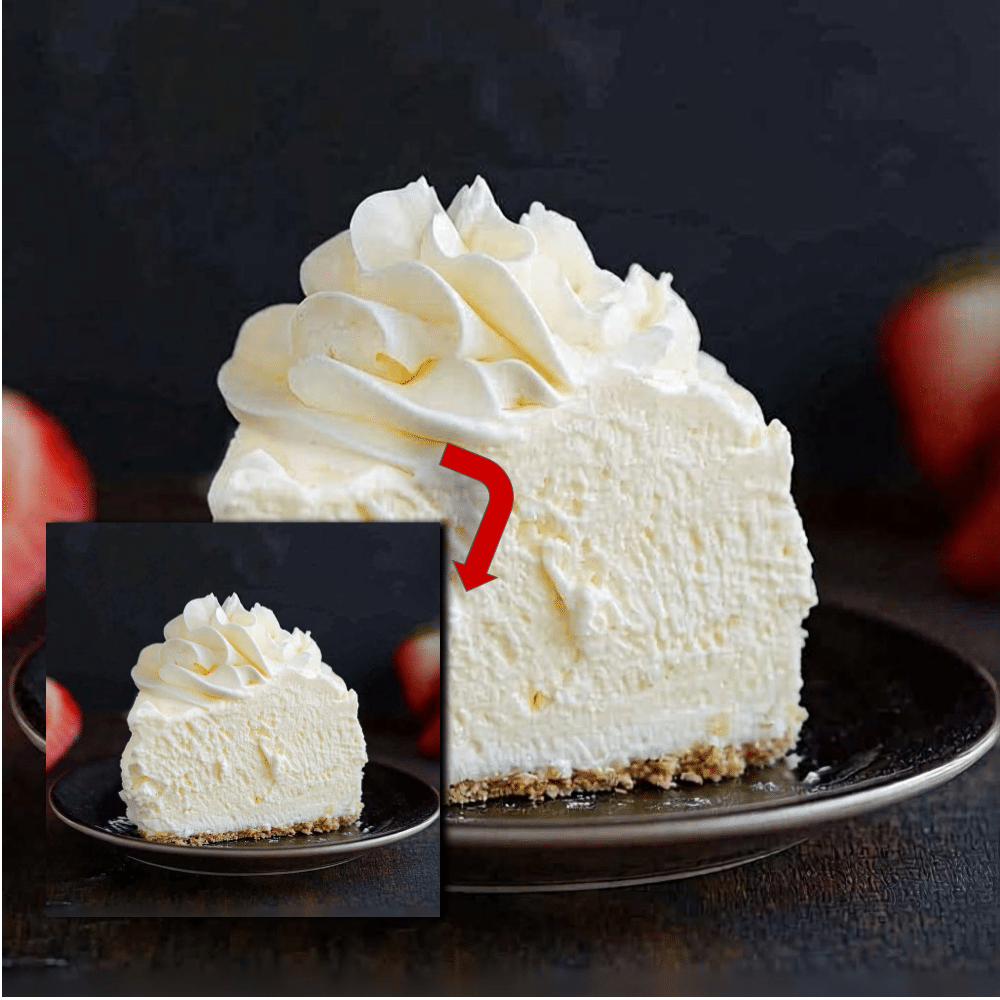
Once your cheesecake is thoroughly chilled, it’s time to learn how to make whipped cream for cheesecake. In a chilled metal bowl with chilled beaters, whip 1 ½ cups of cold heavy whipping cream, ¼ cup powdered sugar, and ½ teaspoon vanilla extract on medium-high speed until stiff peaks form. The cold temperature is crucial for the cream to whip properly, resulting in a light and fluffy stabilized whipped cream topping. You can pipe or spread this cloud-like topping generously over your cheesecake with whipped cream just before serving.
Pro Tips from a Pastry Chef for Flawless Cheesecake
- Room Temperature is Non-Negotiable: We can’t stress this enough for a truly creamy cheesecake recipe. Full-fat, room temperature cream cheese, eggs, and sour cream emulsify smoothly, preventing lumps and ensuring a uniform, velvety texture. Plan ahead and take them out of the fridge at least 1-2 hours before baking.
- Don’t Overmix the Batter: After adding the eggs, mix on low speed only until just combined. Overmixing incorporates too much air into the batter, which causes the cheesecake to puff up dramatically during baking and then collapse and crack as it cools. This is a primary tip on how to prevent cheesecake cracks.
- Scrape Down the Bowl: Regularly scrape down the sides and bottom of your mixing bowl. This ensures all ingredients are thoroughly incorporated, preventing unmixed pockets and guaranteeing a homogenous, lump-free filling for your rich and creamy cheesecake.
- How to Tell When It’s Done: Don’t rely solely on time. The perfect cheesecake will have set edges, but the very center (about 2-3 inches in diameter) should still have a slight, delicate wobble. It will firm up completely during the cooling and chilling process.
- Patience is a Virtue: The slow cooling and extended chilling period are vital for preventing cracks and achieving the ideal firm yet creamy texture. Resist the urge to rush it! This patience is what elevates your homemade cheesecake recipe to a perfect cheesecake every time.
Variations and Customizations
While our cheesecake with whipped cream is perfect as is, it’s also a fantastic canvas for your creativity:
- Crust Alternatives: Beyond the classic graham cracker crust cheesecake, consider an Oreo cookie crust for a chocolatey twist, a Biscoff cookie crust for a warm, spiced flavor, or even a gingersnap crust for a festive touch.
- Flavoring the Filling: Infuse your creamy cheesecake recipe with different flavors. Add the zest of 1-2 lemons for a bright, tangy finish, swirl in melted dark chocolate for a marble effect, or drizzle caramel sauce into the batter before baking for a salted caramel cheesecake.
- Beyond Whipped Cream: While our stabilized whipped cream topping is divine, consider other cheesecake decorating ideas. Serve slices with a fresh berry compote, a decadent chocolate ganache, or an extra drizzle of homemade salted caramel sauce.
Storage, Make-Ahead, and Freezing Instructions
This dessert is incredibly versatile for planning!
How to Store Leftover Cheesecake
To store cheesecake, cover it tightly with plastic wrap or place it in an airtight container. It will last beautifully in the refrigerator for 3-5 days. Ensure it’s well-covered to prevent it from absorbing refrigerator odors.
Making Cheesecake in Advance
Cheesecake is the ultimate make-ahead dessert! It needs to chill overnight to properly set and develop its full flavor and texture. You can bake it up to 2-3 days in advance, storing it in the refrigerator (without the whipped cream topping) until just before serving. Add the homemade whipped cream for cheesecake right before you present it.
Can You Freeze This Cheesecake?
Yes, you absolutely can freeze cheesecake! For best results, freeze the cheesecake (without the whipped cream topping) after it has fully chilled. You can freeze it whole by wrapping it tightly in several layers of plastic wrap, then a layer of aluminum foil. Alternatively, slice the cheesecake and wrap individual slices, making it easy to thaw single servings. It will keep well in the freezer for up to 1 month. Thaw in the refrigerator overnight before serving, then add your fresh stabilized whipped cream topping.
Troubleshooting Common Cheesecake Problems
- “Help! My cheesecake has a giant crack!” This is often caused by overmixing the batter (incorporating too much air), overbaking (drying out the cheesecake), or cooling too quickly (temperature shock). Our cheesecake water bath method, combined with gradual cooling in the oven and avoiding overmixing, are your best defenses against cracks.
- “Why is my filling lumpy?” The culprit is almost always cold cream cheese! Remember, room temperature cream cheese is non-negotiable for a silky-smooth rich and creamy cheesecake filling.
- “My crust is soggy!” This can happen if the crust wasn’t pre-baked sufficiently, allowing moisture from the filling to seep in. Another common reason is a leaking water bath, which directly wets the crust. Ensure your springform pan is wrapped very tightly with heavy-duty foil for the cheesecake water bath method.
- “My cheesecake is weeping or watery!” This can be a sign of overbaking. When cheesecake bakes too long, the egg proteins tighten excessively, squeezing out moisture and creating a watery layer. Stick to the “slight wobble” test for doneness to ensure a moist, creamy interior.
Frequently Asked Questions (FAQ)
Do I really need to use a water bath for cheesecake?
Yes, for the best results, a cheesecake water bath method is highly recommended, especially for a classic baked cheesecake. It provides a moist, even heat that prevents the cheesecake from overbaking around the edges, resulting in a uniformly creamy texture from edge to center and significantly reducing the risk of cracks. It’s a key step in how to prevent cheesecake cracks.
Can I use low-fat or whipped cream cheese?
No, it’s strongly advised against. Low-fat cream cheese contains more water and stabilizers, while whipped cream cheese contains more air. Both will negatively affect the texture, richness, and structure of your creamy cheesecake recipe, often leading to a denser, less flavorful, or even watery result. Stick to full-fat block cream cheese at room temperature.
Can I use store-bought whipped cream?
You can, for convenience, but homemade whipped cream is truly superior for this cheesecake with whipped cream. It’s easy to make, tastes fresher, and by following our instructions, you can create a stabilized whipped cream topping that holds its shape and lasts longer without deflating, making your dessert look and taste professional.
How long does cheesecake need to chill before serving?
For the best flavor and texture, cheesecake needs to chill for a minimum of 6 hours in the refrigerator. However, chilling it overnight is highly recommended. This allows the flavors to meld, the texture to firm up perfectly, and ensures a clean slice every time, making it a perfect cheesecake every time.
Why is my cheesecake weeping or watery?
A weeping or watery cheesecake is often a sign of overbaking. When the internal temperature of the cheesecake gets too high, the proteins in the eggs contract too much, forcing out moisture (the “weeping”). Ensuring your cheesecake has that slight wobble in the center when done and using the cheesecake water bath method helps prevent this.
The Sweet Conclusion
Congratulations! You now have all the expert knowledge and step-by-step guidance to create the ultimate cheesecake with whipped cream. From crafting the perfect graham cracker crust cheesecake to whipping up that cloud-like stabilized whipped cream topping, you’re equipped to make a bakery-quality dessert in your own kitchen. Remember the golden rules: room temperature ingredients, don’t overmix, and embrace the slow cooling process. With this homemade cheesecake recipe, you’ll be making a rich and creamy cheesecake that is a true showstopper every single time. Now, go forth and bake! Try this incredible cream cheese dessert recipe and let us know your thoughts in the comments below.
For more daily recipes and tips, follow us on Facebook!
Click here to join our community!