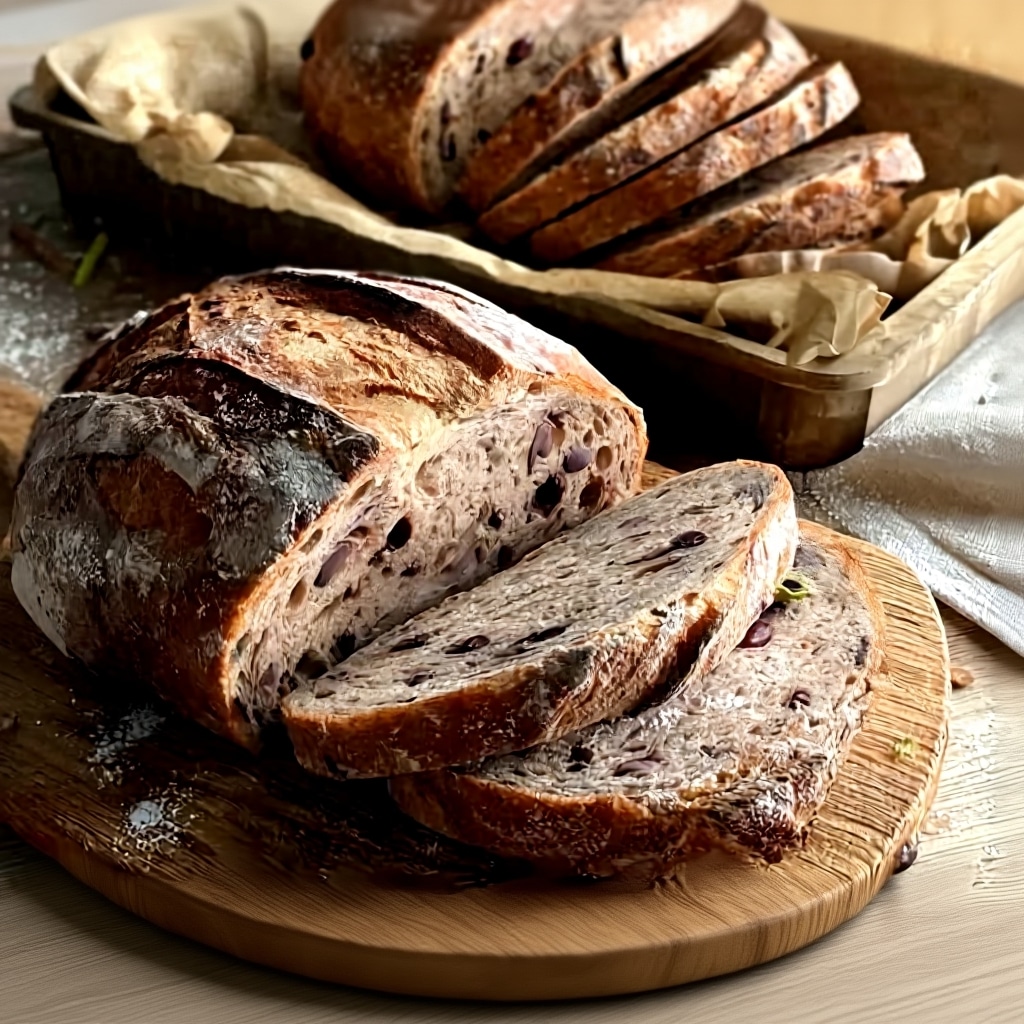
The Ultimate Artisan Blueberry Nut Bread: A Recipe for a Perfect Loaf
Imagine the warm, inviting aroma of a freshly baked loaf wafting through your kitchen, a symphony of sweet blueberries, crunchy toasted nuts, and a tender, complex crumb. This isn’t just any quick bread; it’s an artisan Blueberry Nut Bread, a rewarding baking project that culminates in a truly spectacular loaf. Far beyond simple recipes, this guide unveils the secrets to a bakery-quality bread, from cultivating a flavorful starter to achieving that perfect golden crust. Get ready to embark on a culinary journey, mastering a homemade bread recipe that will become a cherished tradition.
Why This Blueberry Nut Bread Recipe Stands Apart
While many *fruit and nut bread recipes* are simple quick breads, our version elevates the experience into a true artisan craft. This is a yeasted, fermented loaf, offering unparalleled depth and texture.
The Magic of Fermented Dough (Pâte Fermentée)
The secret weapon for this wonderfully *moist bread* is the fermented dough starter, or pâte fermentée. Similar to a poolish bread recipe or biga, this simple overnight step builds incredible depth of flavor, creating a more complex and nuanced taste. It significantly improves the bread’s texture, giving it a chewy, airy crumb, and naturally extends its shelf life – truly the mark of a bakery-quality loaf.
A Perfect Blend of Flours
We combine bread flour, with its high protein content for structure and chew, with whole wheat flour. The whole wheat flour contributes a lovely nutty flavor, adds nutritional benefits, and lends a rustic texture to this *healthy bread*.
Balancing Flavors and Textures
This recipe harmonizes sweet, juicy blueberries with a touch of tartness from cranberries, alongside the earthy crunch of mixed nuts. Whether you prefer *walnut bread* or *pecan bread*, this trifecta creates a complex and satisfying bite, making every slice a delight. It’s truly a bread with fermented dough that balances every element beautifully.
A Deep Dive into Your Ingredients
For the Fermented Dough & Main Dough
Precision in ingredients is key for this homemade bread recipe. For flours, bread flour provides crucial gluten development for structure; while you *can* use all-purpose, the texture will be less robust. We advise against 100% whole wheat for structural integrity. For yeast, we use dry active yeast, but fresh yeast or instant yeast are convertible (e.g., 1.5g fresh yeast ≈ 0.5g instant yeast). Water and milk contribute to hydration and a soft crumb. Sugar feeds the yeast and adds subtle sweetness, while salt is vital for flavor and regulating fermentation.
The Stars of the Show: Fruits & Nuts
For blueberries, fresh are ideal, but a *frozen blueberry bread recipe* can also succeed. To prevent the dough from turning purple and to help stop blueberries from sinking, do not thaw them; simply toss them lightly in a tablespoon of flour before incorporating. For nuts, walnuts, pecans, or almonds are the best nuts for blueberry bread. Toasting them beforehand dramatically enhances their flavor. Dried cranberries add a delightful chew and tartness; dried cherries or raisins are excellent alternatives for a *cranberry nut bread*.
Essential Kitchen Tools & Equipment
Equipping your kitchen properly ensures a smooth baking experience for your *fruit and nut loaf*. Here are the essentials:
- Digital Kitchen Scale: Highly recommended for precise ingredient measurements.
- Mixing Bowls: Several sizes for different stages.
- Dough Scraper or Bench Knife: Invaluable for handling and dividing dough.
- Baking Tray or Pizza Stone: For achieving a great crust.
- Parchment Paper: Prevents sticking and aids transfer.
- Sharp Knife or Bread Lame: For scoring the loaf.
- Stand Mixer with Dough Hook (Optional): A great time-saver; otherwise, prepare for some satisfying hand-kneading!
Step-by-Step Instructions: Crafting Your Blueberry Nut Bread
Ready to bake your own artisan bread with blueberries? This step-by-step bread recipe will guide you through every stage to a perfect Blueberry Nut Bread.
Day 1: Prepare the Fermented Dough (The Flavor Foundation)
- Mixing the Ingredients: Combine 100g bread flour, 2g salt, 60g water, and a pinch (0.1g) of instant yeast. Mix until shaggy.
- Kneading & First Rise: Lightly knead for 2 minutes, form a rough ball. Place in an oiled bowl, cover, rest at room temp for 1 hour.
- The Cold Fermentation: Refrigerate for 12-24 hours. This *overnight bread recipe* step builds deep flavor and relaxes gluten.
Day 2: Making the Main Dough & First Fermentation
- Combining the Main Dough: In a large bowl, combine 350g bread flour, 150g whole wheat flour, 30g sugar, 7g instant yeast, 250g lukewarm milk, 5g salt, and the fermented dough. Mix until shaggy.
- Kneading to Development: Knead by hand (10-15 min) or stand mixer (7-10 min) until smooth and elastic, passing the windowpane test (60-70% gluten development).
- Incorporating Add-ins: Gently fold in toasted nuts, dried cranberries, and flour-dusted blueberries. Distribute evenly without crushing berries.
- The Second Fermentation (Bulk Rise): Place dough in oiled bowl, cover, rise at room temp for 2-3 hours (50% increase). Then, refrigerate overnight. This no-knead blueberry bread approach enhances flavor and manageability.
Day 3: Shaping, Proofing, and Baking to Perfection
- Dividing and Pre-shaping: Gently turn chilled dough onto a floured surface. Divide if needed. Shape into a round, cover, rest 20 minutes.
- Final Shaping: Shape into an olive (bâtard) or traditional loaf. Roll tightly, sealing the seam for a good *fruit and nut loaf*.
- The Final Proof: Place shaped loaf seam-side down in a floured banneton or on parchment. Cover, proof at room temp for 1-2 hours until it passes the ‘poke test’ (slow spring-back).
- Preparing for the Oven: Preheat oven to 450°F (232°C) with a baking stone/tray. Transfer loaf to parchment, dust, and score the top to allow oven spring.
- Baking: Bake 15 min at 450°F (232°C), then reduce to 400°F (200°C) for 25-35 min. Loaf should be golden-brown with an internal temp of 190-200°F (88-93°C).
- Cooling: Crucially, let your easy blueberry nut bread cool completely on a wire rack (1-2 hours) before slicing. This ensures the crumb sets perfectly.
Pro-Tips from an Expert Baker
Achieve easy blueberry nut bread perfection with these expert tips:
- Weigh Ingredients: The #1 tip for consistent baking results.
- Don’t Rush Fermentation: Flavor develops over time with patience.
- Flour Your Add-ins: Toss berries and nuts in flour to stop blueberries from sinking.
- Check Your Yeast: Ensure it’s active by proofing in warm water.
- Oven Steam: Place a tray of hot water in the oven for a crispier crust.
- Dough Temperature: Ideal dough temp for fermentation is 75-78°F (24-26°C).
Customizations and Delicious Variations
Encourage creativity with your *fruit and nut bread*!
- Spice it Up: Add cinnamon or nutmeg.
- Citrus Zest: Lemon or orange zest for brightness.
- Different Fruits & Nuts: Try raspberry & almond, or cherry & pecan.
- Muffins: Adapt for *blueberry nut muffins* (adjust baking time/temp).
- Glaze: A simple lemon or vanilla *bread with glaze* is a delightful finish.
Serving, Storing, and Freezing Your Bread
How to Serve Blueberry Nut Bread
Serve your warm *blueberry nut loaf* with butter, cream cheese, or a drizzle of honey. It’s fantastic for breakfast, a snack, or even a light dessert.
Storing for Maximum Freshness
Store at room temperature in a bread box or paper bag for 2-3 days for optimal freshness. For longer, slice and freeze.
Freezing for Later
To *freeze this bread*, wrap individual slices or the whole loaf tightly in plastic wrap, then foil. Thaw at room temperature or warm gently.
Frequently Asked Questions (FAQ)
Can I use all-purpose flour instead of bread flour?
Yes, but bread flour creates better structure and chew. All-purpose will yield a softer crumb.
How do I stop the blueberries from sinking to the bottom of the loaf?
Toss fresh or *frozen blueberry bread recipe* blueberries in a tablespoon of flour before incorporating them into the dough.
Can I make this Blueberry Nut Bread recipe without a starter?
Technically yes, by increasing yeast, but you’ll lose the signature depth of flavor and artisan texture from the fermented dough.
My bread didn’t rise, what went wrong?
Likely inactive yeast, dough too cold, or insufficient kneading. Always check yeast activity first.
Is this recipe considered a quick bread or a yeast bread?
This is a yeast bread with fruit and nuts, specifically an artisan loaf using a fermented starter, not a quick bread.
What is the best way to slice homemade bread without squishing it?
Ensure the loaf is completely cool. Use a sharp, serrated bread knife with a gentle sawing motion. An electric knife also works well.
Conclusion
Baking this artisan blueberry nut bread from scratch is a truly rewarding experience, yielding a loaf far superior to any store-bought option. Embrace the process, savor the aromas, and delight in the complex flavors and tender crumb. Try this bread recipe today and share your delicious results!
[Recipe Card Here]
For more daily recipes and tips, follow us on Facebook!
Click here to join our community!