The centerpiece of any Thanksgiving feast, the grand turkey, can often feel like the most daunting challenge for even seasoned hosts. The pressure to deliver a bird that’s not only visually stunning but also incredibly juicy, with that coveted crispy skin, is immense. But what if we told you that achieving Thanksgiving perfection doesn’t have to be a source of stress? This ultimate guide to a show-stopping Thanksgiving Turkey Recipe is designed to demystify the process, ensuring your holiday meal is as delicious as it is memorable.
Our secret weapon? Aromatic garlic herb butter, expertly applied to guarantee moist meat and perfectly golden-brown, crispy skin every single time. We’ll walk you through the entire journey, from mastering how to thaw a turkey safely, through precise roasting techniques, and even a practical turkey carving guide, ensuring you’re confident and prepared to create an unforgettable holiday experience. Get ready to impress your guests and savor every succulent bite!
Critical Prep: The Thawing Guide
One of the most crucial steps to a successful Thanksgiving turkey is proper thawing. Rushing this process can lead to uneven cooking or, worse, food safety issues. Plan ahead!
Refrigerator Method (Recommended)
This is by far the safest and most recommended method, allowing the turkey to thaw slowly and evenly, preserving its texture and moisture. The key is ample time.
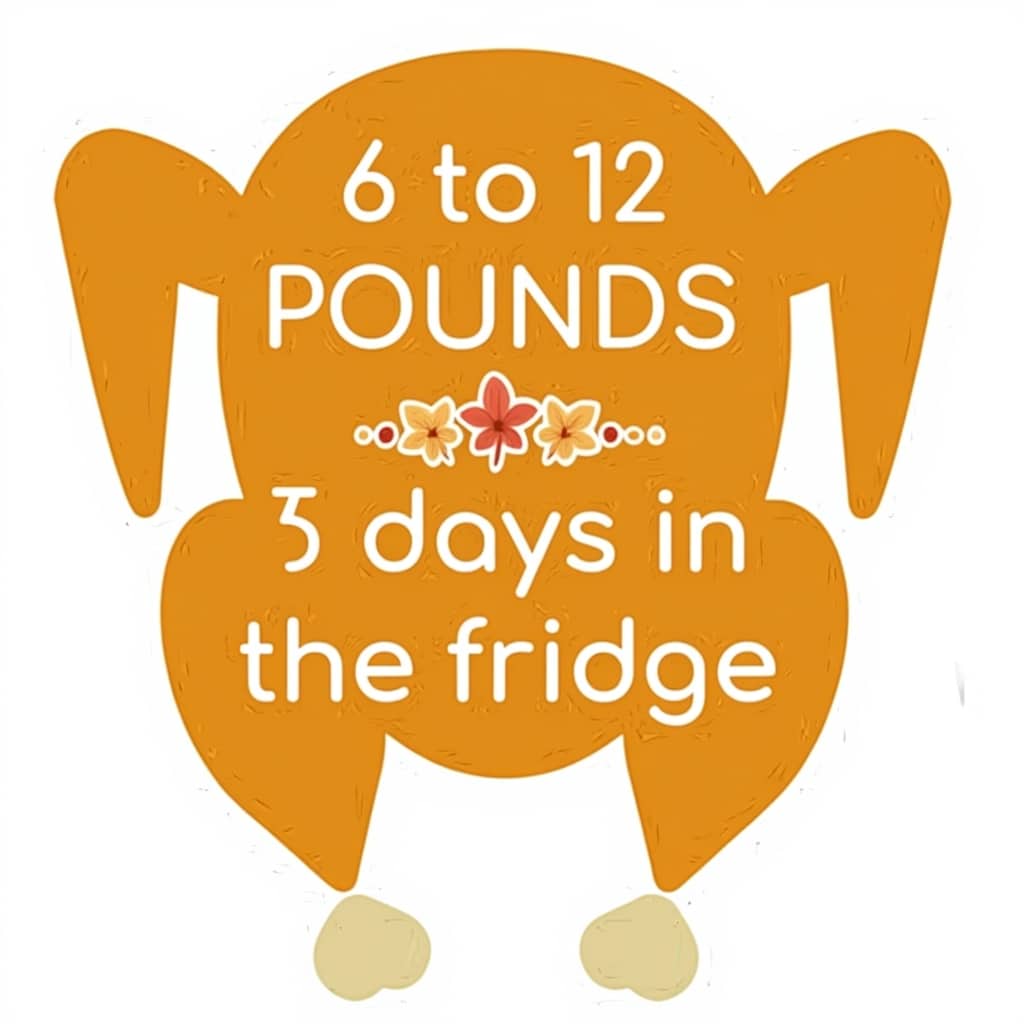
- The Math: Allow approximately 1 day of thawing for every 4 pounds of turkey. So, a 16-pound turkey will need about 4 days in the refrigerator.
- Placement: Place the turkey, still in its original packaging, on a rimmed baking sheet or in a large roasting pan. This catches any drips and prevents cross-contamination with other foods in your fridge.
- Temperature: Ensure your refrigerator maintains a consistent temperature of 40°F (4°C) or below.
- Safety Tips: Once thawed, a turkey can remain in the refrigerator for 1-2 days before cooking. Never refreeze a thawed turkey.
Cold Water Method (Emergency)
If you’re short on time, the cold water method can speed things up, but it requires more active management and constant attention to safety.
- The Math: Allow approximately 30 minutes of thawing for every 1 pound of turkey. A 16-pound turkey would take about 8 hours.
- Submersion: Keep the turkey in its original, unopened packaging. If the packaging is torn, place the turkey in a leak-proof plastic bag to prevent water from contacting the meat.
- Water Changing Schedule: Submerge the wrapped turkey in a sink or large container filled with cold tap water. Change the water every 30 minutes to ensure it remains cold and safe.
- Safety Rules: Cook the turkey immediately after it has thawed using this method. Do not refreeze or refrigerate for later use.
Expert Tip: Always wash your hands and sanitize any surfaces that have come into contact with raw turkey to prevent foodborne illness.
The Secret to Flavor: Garlic Herb Butter
This herb butter for turkey is the game-changer, infusing flavor deep into the meat while promoting that coveted crispy turkey skin. It’s simple yet incredibly effective.
Ingredients Breakdown:
- Unsalted Butter: Softened to room temperature for easy mixing and spreading.
- Fresh Herbs: A generous mix of finely chopped fresh sage, rosemary, and thyme is essential. While dried herbs can be used in a pinch, fresh herbs provide a far superior aroma and vibrancy.
- Garlic: Minced garlic cloves, lots of them! They’ll impart a wonderful depth of flavor.
- Citrus Zest: The importance of lemon zest cannot be overstated. It adds a bright, zesty counterpoint to the richness of the butter and herbs, elevating the overall flavor profile.
- Salt and Freshly Ground Black Pepper: Critical for seasoning the bird from the inside out.
Technique: How to Safely Loosen the Skin Without Tearing
- Pat Dry: Remove the turkey from its packaging and thoroughly pat it dry inside and out with paper towels. This helps the skin crisp up.
- Loosen the Skin: Gently work your fingers between the skin and the breast meat, starting from the cavity opening. Be patient and careful not to tear the skin. The goal is to create a pocket over the breasts and thighs where the herb butter can be applied.
- Apply the Butter: Take about two-thirds of your prepared herb butter mixture and carefully spread it directly onto the breast meat, under the loosened skin. Massage it gently to distribute it evenly. Rub the remaining butter all over the exterior of the turkey, including the legs and wings, ensuring good coverage.
Preparing the Bird
Beyond the butter, a few strategic steps will set your bird up for success.
The Cavity
While some traditions call for bread stuffing inside the bird, we recommend against it for even cooking and safety. Instead, we fill the cavity with aromatics to infuse moisture and flavor from within. A halved onion, a quartered apple, a few sprigs of fresh rosemary and thyme, and a lemon cut into wedges will create a fragrant steam bath for your turkey as it roasts, contributing to an easy Thanksgiving dinner menu that is full of flavor without being overly complicated.
Trussing
Trussing is simply tying the turkey’s legs together. This isn’t just for aesthetics; it helps the turkey cook more evenly by tucking the legs and wings close to the body, preventing them from drying out before the breast is done.
- Simple Methods:
- Kitchen Twine: Use butcher’s twine to tie the drumsticks together, then loop around the wings to secure them close to the body.
- Foil or String: If you don’t have twine, you can sometimes tuck the wing tips under the turkey’s back and use a small piece of foil to “tie” the legs.
- Why Truss? Tightly trussing helps the breast cook at a similar rate to the thighs and legs, contributing to a more uniform roast turkey cooking time.
The Roasting Pan
A good roasting pan setup is key for moisture and for those precious pan drippings that will become your homemade turkey gravy from drippings. Line the bottom of your roasting pan with a sturdy rack, then pour in about 2-3 cups of liquid—a mixture of chicken stock and apple cider works wonders. This creates a moist environment, preventing the drippings from burning and adding an extra layer of flavor to your gravy base.
Step-by-Step Roasting Instructions
Now for the main event! Follow these steps for perfect results and achieve delicious, crispy turkey skin tips.
Oven Temperature and Placement
- Preheating: Preheat your oven to 325°F (160°C). While some recipes suggest higher temperatures, a lower, slower roast typically results in a more tender and evenly cooked bird.
- Rack Positioning: Place the oven rack in the lower-middle position. This ensures the top of the turkey is centered in the oven, allowing for proper air circulation and even browning without hitting the top heating element.
The Roasting Process
- Initial Roast: Place the prepared turkey on the rack in the roasting pan. Roast for about 2-3 hours, depending on size, before you even think about basting.
- Basting Myths vs. Reality: Contrary to popular belief, frequent basting actually cools down the oven and the turkey, potentially extending the roast turkey cooking time and leading to drier meat. The herb butter applied under the skin does the heavy lifting for moisture and flavor. If you must baste, do so sparingly, perhaps once every hour or so during the latter half of cooking, using the pan drippings to encourage browning.
- When to Tent with Foil: If you notice the skin browning too quickly, especially over the breast, loosely tent the turkey with aluminum foil. This prevents burning while allowing the rest of the bird to cook through. Remove the foil for the last 30-45 minutes to re-crisp the skin if desired.
- Using a Meat Thermometer: This is the single most critical tool for judging doneness and ensuring food safety. Insert an instant-read meat thermometer into the thickest part of the thigh, making sure it doesn’t touch any bone. The target turkey internal temperature should reach 165°F (74°C). For the breast, aim for around 160°F (71°C). The temperature will rise by a few degrees as the turkey rests. Always rely on the thermometer, not just the turkey roasting chart, for accuracy.
- Approximate Roasting Times (Turkey Roasting Chart Guidance):
- 8 to 12 lbs: 2.75 to 3 hours
- 12 to 14 lbs: 3 to 3.75 hours
- 14 to 18 lbs: 3.75 to 4.25 hours
- 18 to 20 lbs: 4.25 to 4.5 hours
- 20 to 24 lbs: 4.5 to 5 hours
*These are estimates. Always use a thermometer to confirm doneness.
Carving and Serving
You’ve done the hard work, but don’t rush the final step!
The Importance of the 30-Minute Rest
Once the turkey reaches its target internal temperature, remove it from the oven and transfer it to a large cutting board or platter. Tent it loosely with foil and let it rest for at least 30 minutes, or up to an hour for larger birds. This resting period is crucial; it allows the juices to redistribute throughout the meat, ensuring every slice is incredibly moist and tender. Skipping this step will result in dry, less flavorful turkey.
Basic Carving Techniques to Maximize Yield
A well-rested turkey is much easier to carve. Here’s a quick turkey carving guide:
- Remove the Legs and Thighs: Cut through the skin between the thigh and the body. Bend the leg back until the joint pops, then slice through the joint to remove the leg and thigh completely. Separate the drumstick from the thigh.
- Carve the Breast: Make a horizontal cut above the wing joint, going deep into the breast. Then, starting at the breastbone, make vertical slices downward to meet the horizontal cut. The slices should come away cleanly.
- Remove the Wings: Cut at the joint where the wing attaches to the breast.
Plating Ideas for a Stunning Presentation
Arrange your carved turkey on a large, warm platter. Garnish with fresh herbs like rosemary and sage, and a few lemon wedges or cranberries for a festive touch. Serve alongside your homemade turkey gravy from drippings and your favorite Thanksgiving sides for a truly magnificent easy Thanksgiving dinner menu.
Frequently Asked Questions (FAQ)
Can I make this turkey ahead of time?
While the turkey is best served fresh from its rest, you can roast it a day in advance. Let it cool completely, then carve and store slices in an airtight container with a little reserved gravy or stock to keep them moist. Reheat gently in the oven with a splash of broth. However, for the crispiest skin and juiciest meat, roasting on Thanksgiving Day is highly recommended.
How do I make gravy from the pan drippings?
Making a rich, homemade turkey gravy from drippings is simple! After removing the turkey, pour the pan drippings into a fat separator or skim off the fat. In the roasting pan, create a roux by whisking 1/4 cup of the skimmed fat with 1/4 cup of all-purpose flour over medium heat until golden. Slowly whisk in 3-4 cups of the defatted pan drippings (and additional chicken or turkey stock if needed) until smooth and thickened. Season with salt and pepper to taste.
What do I do if the turkey is cooking too fast?
If your turkey is cooking faster than anticipated, don’t panic. The simplest solution is to loosely tent it with aluminum foil. This will slow down the cooking process and prevent over-browning. You can also temporarily reduce the oven temperature by 25°F (15°C) to manage the roast turkey cooking time, ensuring it cooks evenly without drying out.
Congratulations, you’re now armed with all the knowledge to prepare the most delicious, show-stopping Thanksgiving turkey your family and friends have ever tasted. Embrace the process, trust your thermometer, and most importantly, enjoy the celebration!
For more holiday recipes and behind-the-scenes kitchen fun, be sure to follow us on Facebook: https://www.facebook.com/profile.php?id=61568538666337
Mom's Best Thanksgiving Turkey
Ingredients
- 12-20 lbs Whole Turkey Thawed completely, giblets removed
- 1 cup Unsalted Butter Softened
- 2 tbsp Fresh Rosemary Chopped
- 2 tbsp Fresh Thyme Chopped
- 2 tbsp Fresh Sage Chopped
- 1 head Garlic Cloves minced for butter, remainder halved for cavity
- 2 whole Oranges 1 zested/quartered, 1 sliced
- 2 whole Lemons 1 zested/quartered, 1 sliced
- 1 large Onion Quartered
- 2 cups Chicken Stock Low sodium
- 1/2 cup Apple Cider Optional
Instructions
- Remove turkey from fridge 1 hour before roasting. Remove giblets/neck. Pat dry with paper towels.
- In a small bowl, mix softened butter, minced garlic, chopped herbs, orange zest, lemon zest, salt, and pepper.
- Season the turkey cavity generously with salt and pepper. Stuff with onion quarters, lemon quarters, orange quarters, and remaining herb sprigs.
- Gently loosen the skin on the turkey breast using your fingers. Rub 2/3 of the herb butter under the skin. Rub the remaining butter over the entire outside of the bird.
- Tuck the wings under the body and tie the legs together with kitchen twine.
- Place turkey on a rack in a roasting pan. Pour chicken stock and apple cider into the bottom of the pan.
- Roast at 325°F for approximately 13-15 minutes per pound. Tent with foil if skin browns too quickly.
- Remove from oven when a meat thermometer reaches 160°F in the breast and 165°F in the thigh.
- Tent loosely with foil and let rest for at least 30-45 minutes before carving.
For more daily recipes and tips, follow us on Facebook!
Click here to join our community!