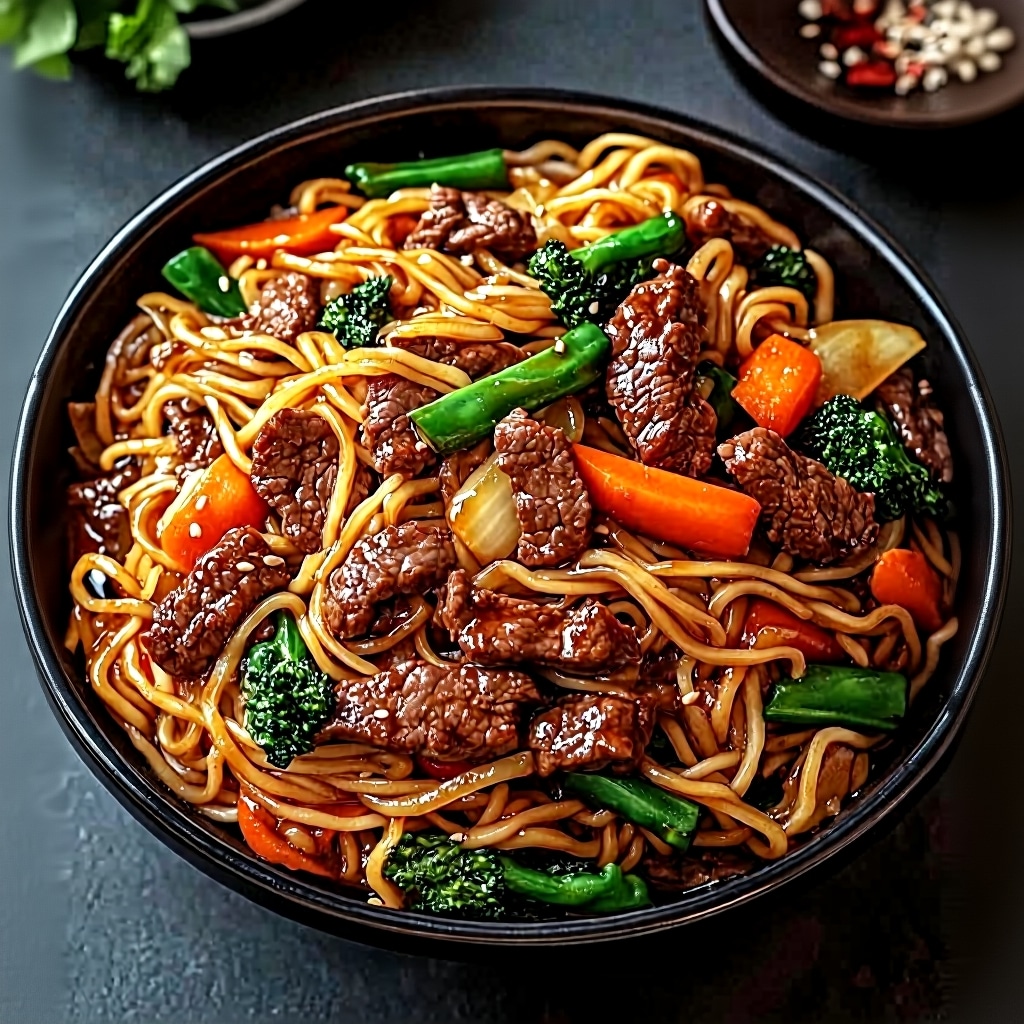
There’s nothing quite like the comforting embrace of a steaming plate of noodles, especially when it’s bursting with savory flavors and tender ingredients. While takeout offers a quick fix, imagining recreating that magic in your own kitchen can seem daunting. But what if we told you that making a truly *better-than-takeout* batch of Beef Lo Mein with Vegetables is not only achievable but also incredibly rewarding? Get ready to unlock the secrets to a dish that’s rich in flavor, perfectly textured, and surprisingly simple to whip up at home.
This isn’t just any noodle dish; it’s a symphony of thinly sliced, perfectly marinated beef, crisp-tender vegetables, and bouncy egg noodles, all coated in a glossy, umami-packed sauce. Forget greasy, heavy versions – our approach focuses on fresh ingredients and techniques that bring out the best in every bite. Prepare to impress your family and friends (or just yourself!) with a homemade stir-fry that will have everyone asking for seconds.
Why This Recipe Works
Our recipe for an easy beef lo mein recipe isn’t just about combining ingredients; it’s about understanding the science behind a truly great stir-fry. This dish hits all the right notes for several reasons, making it a reliable winner for any weeknight or special occasion.
First, it offers a fantastic balance of protein and fiber. With lean beef providing essential nutrients and a vibrant medley of vegetables, you’re getting a wholesome meal that satisfies without feeling heavy. It’s a complete meal in one bowl, making cleanup a breeze and nutrition a priority.
The secret to that signature stir-fry texture lies in the importance of high heat. Cooking quickly over intense heat ensures that your vegetables remain crisp-tender and your beef develops a beautiful sear without overcooking. This rapid cooking method locks in flavors and prevents ingredients from becoming watery or mushy, which is crucial for achieving that authentic takeout style lo mein experience.
Finally, we focus on perfect sauce coating vs. drowning. A common pitfall in homemade noodle dishes is drenching them in too much sauce, resulting in a soggy, overwhelming mess. Our carefully balanced lo mein sauce ingredients are designed to cling to every noodle and piece of beef and vegetable, creating a glossy, flavorful sheen that enhances, rather than overwhelms, the dish’s natural tastes. It’s all about achieving that ideal harmony where every component shines.
Ingredients for the Perfect Lo Mein
Crafting exceptional lo mein begins with selecting quality ingredients. Each component plays a vital role in building the dish’s overall flavor and texture profile.
Choosing the Best Beef Cuts
For tender, flavorful slices in your stir-fry, the choice of beef is paramount. We recommend either flank steak or top sirloin. Both are relatively lean yet possess enough marbling to remain tender when cooked quickly over high heat. Flank steak offers a slightly richer, beefier flavor, while top sirloin is known for its consistent tenderness.
The true secret to achieving melt-in-your-mouth tenderness, often referred to as the best beef for stir fry, lies not just in the cut, but in how you prepare it: cutting against the grain. Identify the muscle fibers running through the beef, then slice perpendicular to them. This shortens the fibers, making the beef far more tender and easier to chew. Aim for thin slices, about 1/4-inch thick, to ensure even cooking and maximum tenderness.
The Noodle Selection
The foundation of any great lo mein is, of course, the noodles. For that authentic chew and texture, we highly recommend using fresh egg noodles. These are typically found in the refrigerated section of Asian grocery stores and offer a superior springiness and ability to absorb sauce.
If fresh egg noodles aren’t readily available, dried egg noodles or even dried wheat noodles designed for stir-fries make excellent alternatives. As a clever kitchen hack, if you’re in a pinch, spaghetti can be used as a substitute! Just boil it until al dente, rinse thoroughly to remove excess starch, and toss with a tiny bit of sesame oil to prevent sticking before adding to your stir-fry. Regardless of your choice, ensure you’re opting for quality beef stir fry noodles that will stand up to the vigorous tossing of a wok.
Vegetable Medley
Our homemade vegetable lo mein benefits from a vibrant and varied selection of vegetables that add both color, texture, and nutrition. We’re focusing on crisp-tender favorites that hold up well to stir-frying.
When prepping broccoli, carrots, and green beans for even cooking, consistency is key. Cut broccoli florets into bite-sized pieces. Slice carrots thinly on the bias or julienne them. Snap green beans into 1-2 inch pieces. For harder vegetables like carrots and broccoli, a quick blanch in boiling water for 1-2 minutes before stir-frying can ensure they are tender-crisp without overcooking the other ingredients. Don’t forget the aromatic foundation: thinly sliced onion and aromatics like minced garlic and grated fresh ginger provide depth and fragrance that are essential to the dish’s flavor profile.
The Savory Stir-Fry Sauce
The sauce is arguably the heart and soul of your Beef Lo Mein with Vegetables, bringing all the disparate ingredients together into a harmonious, flavorful whole. Our blend creates that irresistible umami punch.
It starts with soy sauce ratios. We use a combination of light (regular) soy sauce for saltiness and umami, and a touch of dark soy sauce for a deeper color and slightly richer, sweeter flavor without adding too much sodium. Balance is everything here!
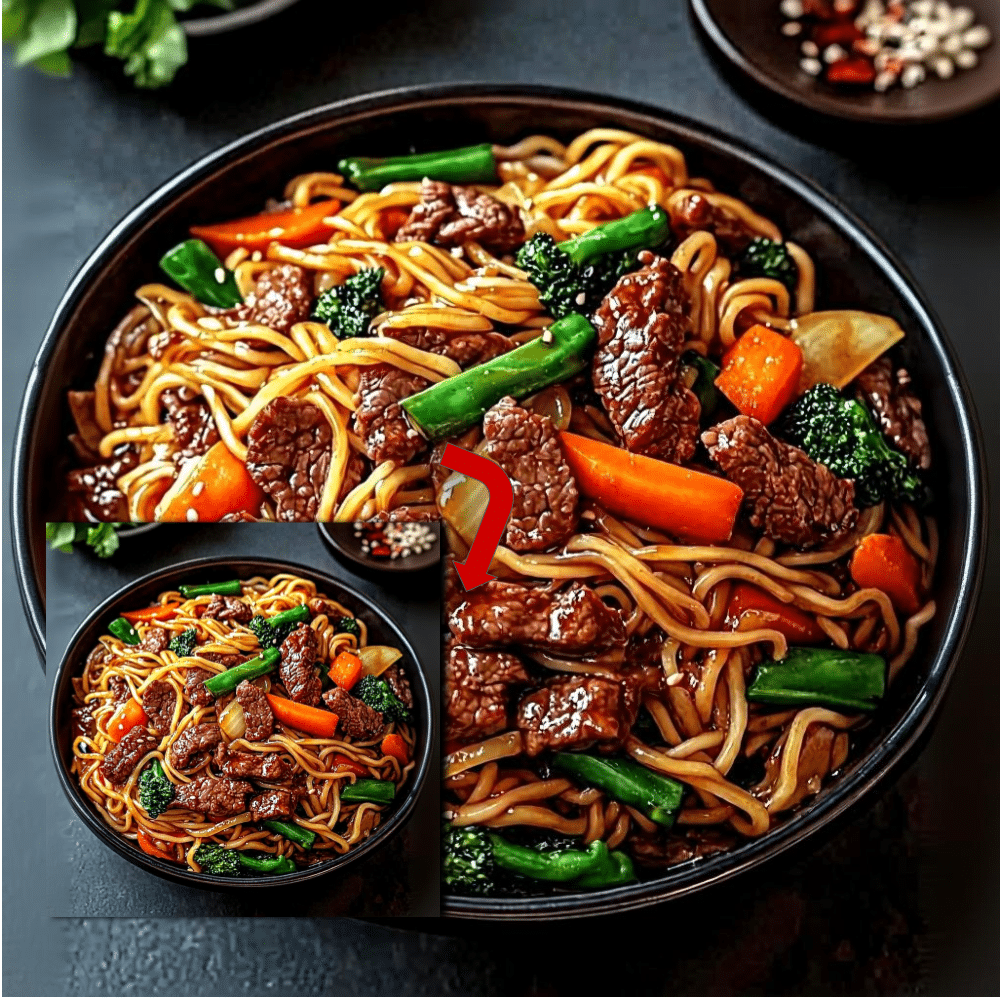
The irreplaceable role of oyster sauce and sesame oil cannot be overstated. Oyster sauce contributes a complex, savory-sweet depth that is characteristic of authentic Chinese cuisine. If you have dietary restrictions, a vegetarian mushroom-based oyster sauce alternative works beautifully. Toasted sesame oil, added at the very end, lends a distinctive nutty aroma that elevates the entire dish. A touch of rice vinegar also adds a subtle brightness that cuts through the richness.
Finally, we incorporate thickeners for glossiness. A cornstarch slurry (cornstarch mixed with a bit of cold water) is whisked into the sauce mixture. When introduced to the hot wok, it thickens the sauce just enough to create that desirable glossy sheen that coats every noodle and ingredient without being overly goopy. This ensures the perfect “cling” that defines great lo mein.
Step-by-Step Cooking Instructions
Follow these steps carefully to achieve a truly magnificent 30-minute noodle dinner that tastes like it came straight from your favorite restaurant.
- Marinating the beef (Velveting technique): Thinly slice your beef against the grain. In a bowl, combine the beef with 1 tablespoon soy sauce, 1 teaspoon cornstarch, and 1 teaspoon oil (like vegetable or peanut). Mix well, ensuring each slice is coated. This velveting process is a classic Chinese technique that tenderizes the beef and protects it from overcooking, resulting in incredibly tender pieces. Let marinate for at least 15 minutes while you prep other ingredients. For optimal tenderness, you can let it sit for up to 30 minutes.
- Preparing the noodles: Cook your chosen lo mein noodles according to package directions until al dente. Drain well and rinse with cold water to stop the cooking process and remove excess starch. Toss lightly with 1 teaspoon of sesame oil to prevent sticking. Set aside.
- Searing the meat: Heat 1-2 tablespoons of high-smoke-point oil (like peanut, vegetable, or grapeseed oil) in a large wok or skillet over high heat until shimmering and almost smoking. Add the marinated beef in a single layer, ensuring not to overcrowd the pan. Cook for 1-2 minutes per side until beautifully browned and seared. Remove the beef from the wok and set aside on a clean plate. Don’t worry if it’s not fully cooked through; it will finish cooking with the vegetables.
- Stir-frying the vegetables: Add another tablespoon of oil to the hot wok if needed. Add the sliced onions, cooking for 1-2 minutes until slightly softened. Then add minced garlic and grated ginger, stirring constantly for about 30 seconds until fragrant. Add the prepped broccoli, carrots, and green beans. Stir-fry for 3-5 minutes, or until the vegetables are crisp-tender. If they seem too dry, add a tablespoon of water or broth to create steam.
- Tossing it all together: Return the seared beef to the wok with the vegetables. Add the cooked noodles. Give your prepared lo mein sauce a quick whisk to recombine any settled cornstarch, then pour it evenly over the noodles, beef, and vegetables. Using tongs or two spatulas, toss everything vigorously for 1-2 minutes until the sauce has thickened, become glossy, and evenly coats all the ingredients. Serve immediately, garnished with chopped green onions if desired.
Pro-Tips for Success
Even with a straightforward recipe, a few expert tips can elevate your Beef Lo Mein with Vegetables from good to absolutely phenomenal.
- Mise en place (Preparation is key): This French culinary term simply means “everything in its place.” Before you even turn on the stove, have all your ingredients chopped, measured, and ready to go. Stir-frying is a rapid process, and you won’t have time to chop a carrot when the wok is screaming hot. This ensures a smooth, stress-free cooking experience and prevents anything from burning.
- Avoiding soggy noodles: The key here is not to overcook your noodles initially. They should be just al dente, as they will continue to cook slightly when tossed with the hot sauce and other ingredients. Rinsing them in cold water after draining is also vital to remove excess starch and stop the cooking process, ensuring they remain distinct and bouncy.
- Adjusting sodium levels: Taste as you go! While our sauce ratio is balanced, personal preferences vary. If you’re sensitive to sodium, start with a little less soy sauce and adjust at the end. Conversely, if you desire a bolder flavor, a dash more can be added. Remember, you can always add more, but you can’t take it away!
Variations and Substitutions
One of the beauties of a stir-fry is its versatility. Feel free to customize your homemade vegetable lo mein to suit your taste or what you have on hand.
- Gluten-free options (Tamari): For those avoiding gluten, simply substitute regular soy sauce with tamari, which is a naturally gluten-free alternative that offers a similar savory flavor. Ensure your oyster sauce is also gluten-free if needed.
- Adding heat (Sriracha or Chili Oil): If you crave a kick, drizzle a bit of sriracha or chili oil into the sauce mixture, or offer it on the side for individual customization. A pinch of red pepper flakes stir-fried with the aromatics also works wonderfully.
- Alternative vegetables (Snap peas, Bok choy): Don’t limit yourself to our suggested medley. Snap peas, sliced bell peppers, mushrooms, baby corn, water chestnuts, or even thinly sliced bok choy (add stems first, then leaves) can all be fantastic additions. Just remember to cut them to similar sizes for even cooking.
Storage and Reheating
While Beef Lo Mein with Vegetables is always best fresh from the wok, it makes for fantastic leftovers too!
- Fridge life: Store any leftover lo mein in an airtight container in the refrigerator for up to 3-4 days.
- Best way to reheat noodles: To bring your lo mein back to life, avoid the microwave if possible, as it can make the noodles rubbery. Instead, heat a skillet or wok over medium-high heat with a tiny bit of oil. Add the lo mein and stir-fry for 3-5 minutes, tossing frequently, until heated through. A splash of water or broth can help rehydrate the noodles and sauce, ensuring they remain moist and flavorful.
Frequently Asked Questions (FAQ)
Here are answers to some common queries about making the perfect lo mein at home:
- What is the difference between beef lo mein and beef chow mein?
This is a common question! The primary difference between beef chow mein vs lo mein lies in the way the noodles are prepared. Chow mein (“fried noodles”) typically involves cooking noodles until crisp, then stir-frying them with ingredients. Lo mein (“tossed noodles”) uses soft, boiled noodles that are then tossed with the sauce and other stir-fried ingredients at the very end. Our recipe falls firmly into the lo mein category with its soft, bouncy noodles.
- Can I prepare the sauce ahead of time?
Absolutely! Preparing the sauce ahead of time is a fantastic way to practice your mise en place and save time during cooking. Simply whisk all the sauce ingredients together in a bowl, cover, and refrigerate for up to 2-3 days. Give it a good whisk again right before adding it to the wok.
- How do I prevent my beef from being tough?
The key to tender beef lies in three main techniques: choosing the right cut (flank or top sirloin), slicing it thinly *against the grain*, and employing the velveting technique. Velveting coats the beef in cornstarch, which creates a protective barrier, locking in moisture and ensuring a silky, tender texture when cooked.
- What kind of wok should I use?
A carbon steel wok is traditional and excellent for stir-frying due to its ability to retain and distribute high heat evenly. However, a large, heavy-bottomed skillet or a cast-iron pan will also work well. The most important thing is to use a pan that can get very hot and is large enough to handle all your ingredients without overcrowding.
There you have it – your comprehensive guide to creating a dazzling plate of Beef Lo Mein with Vegetables that will rival any restaurant’s offering. The satisfaction of cooking this dish at home, tailored perfectly to your taste, is immense. So gather your ingredients, fire up that wok, and prepare for a truly delicious culinary adventure!
For more delicious recipes and cooking tips, be sure to follow our Facebook page: https://www.facebook.com/profile.php?id=61568538666337
Easy Beef Lo Mein with Vegetables
Ingredients
- Flank steak, thinly sliced against the grain Top sirloin is a good alternative. Slice partially frozen for easier cutting.
- 8 oz Lo mein egg noodles Fresh or dried. Linguine can be used in a pinch.
- 2 cups Broccoli florets Cut into bite-sized pieces.
- 1 cup Carrots Julienned or thinly sliced on a bias.
- 1 cup Green beans Trimmed and halved.
- 1 small Yellow onion Sliced into strips.
- 2 cloves Garlic Minced.
- 1 tbsp Fresh ginger Grated.
- 1/4 cup Soy sauce Low sodium preferred.
- 1 tbsp Dark soy sauce Adds rich color and depth.
- 2 tbsp Oyster sauce Essential for umami.
- 1 tbsp Sesame oil Toasted.
- 1 tbsp Sugar Brown sugar or white sugar.
- 1 tsp Sesame seeds For garnish.
Instructions
- In a small bowl, whisk together the soy sauce, dark soy sauce, oyster sauce, sesame oil, and sugar. Set aside.
- Cook the lo mein noodles according to package instructions until al dente. Drain, rinse with cold water to stop cooking, and toss with a teaspoon of oil to prevent sticking.
- While noodles cook, slice the beef thinly against the grain. Season with a pinch of salt and pepper.
- Heat 1 tablespoon of oil in a wok or large skillet over high heat. Add the beef in a single layer and sear until browned, about 2-3 minutes. Remove beef from the pan and set aside.
- Add another tablespoon of oil to the same pan. Add the onions, carrots, broccoli, and green beans. Stir-fry for 4-5 minutes until vegetables are tender-crisp.
- Add the minced garlic and ginger, cooking for 30 seconds until fragrant.
- Return the cooked beef and noodles to the pan. Pour the prepared sauce over everything.
- Toss everything together using tongs for 2-3 minutes until the noodles are heated through and evenly coated in the sauce.
- Garnish with sesame seeds and serve immediately.
For more daily recipes and tips, follow us on Facebook!
Click here to join our community!