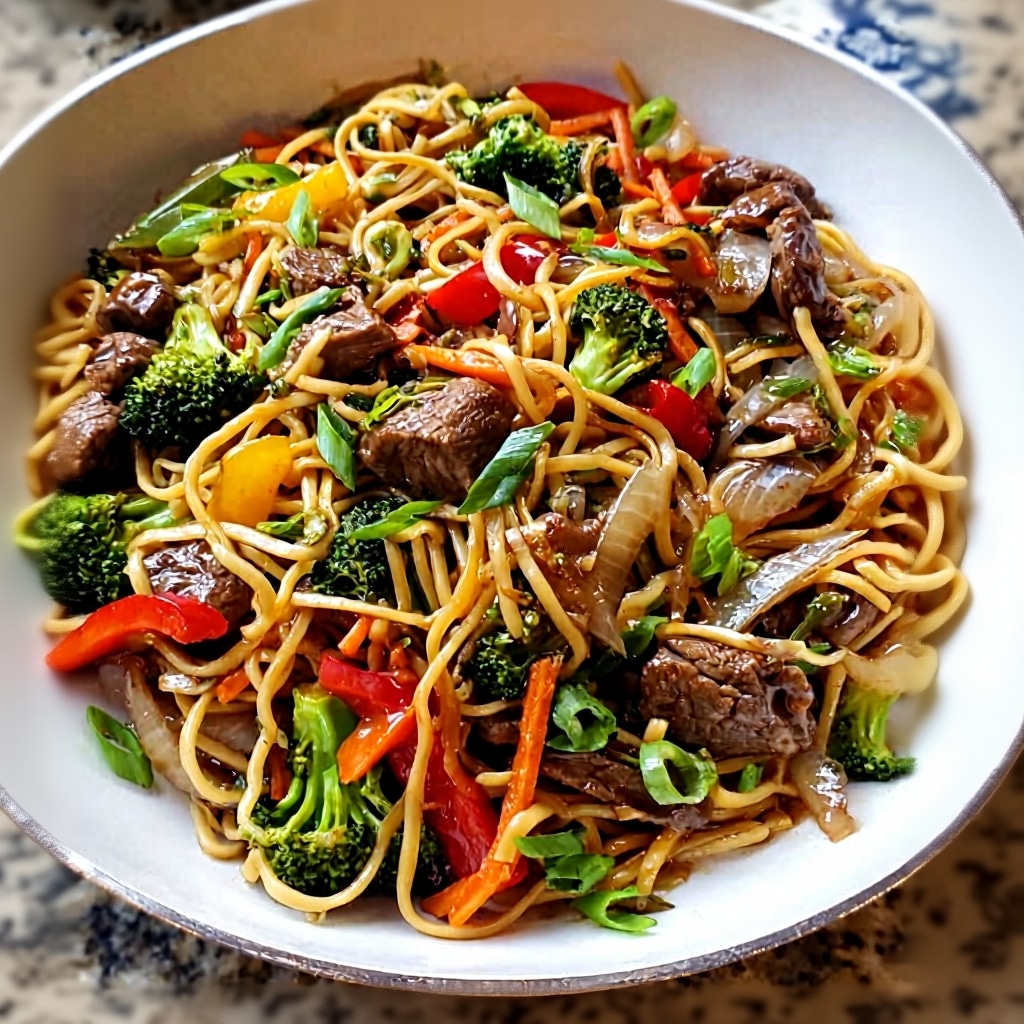
😋 Craving Takeout? Make This Better-Than-Takeout Beef Lo Mein with Vegetables!
There’s something undeniably comforting and satisfying about a steaming bowl of noodles, especially when it’s packed with savory goodness. That universal craving often leads us straight to our favorite Chinese restaurant. But what if you could whip up a restaurant-quality meal at home that’s even faster, fresher, and bursting with more flavor than delivery? Get ready to say goodbye to greasy takeout boxes and hello to your new favorite homemade delight!
In this post, we’re diving deep into crafting the perfect Beef Lo Mein with Vegetables. You’ll learn the secrets to an incredibly tender beef stir-fry, a perfectly balanced, savory sauce, and how to cook those irresistible noodles and crisp vegetables to perfection. This isn’t just a recipe; it’s an experience that will elevate your weeknight dinners and impress your taste buds!
What Exactly is Lo Mein?
At its heart, “Lo Mein” directly translates from Cantonese to “stirred noodles.” It’s a classic Chinese dish known for its soft, often egg-based noodles that are tossed with a rich sauce, your choice of protein, and a vibrant medley of vegetables. Unlike some noodle dishes where ingredients are fried extensively with the noodles, lo mein focuses on cooking each component separately and then combining them at the end, allowing the noodles to absorb all those wonderful flavors without becoming overly crispy or oily.
The Key Difference: Lo Mein vs. Chow Mein
This is a common point of confusion! The main distinction lies in the noodles and their preparation. Lo Mein features soft, chewy noodles that are cooked and then tossed with the sauce and other ingredients, remaining tender. Chow Mein, on the other hand, often involves stir-frying or pan-frying the noodles until they achieve a crispier texture, sometimes even forming a crispy base or cake, with ingredients served on top or alongside.
Why This is the Only Beef Lo Mein Recipe You’ll Ever Need
We know there are many recipes out there, but this one stands out. Here’s why you’ll keep coming back to this homemade beef lo mein recipe:
- Unbelievably Flavorful: Our carefully crafted beef lo mein sauce recipe creates a perfectly balanced, savory, and umami-rich experience that truly tastes better than takeout lo mein.
- Quick and Easy: Forget long waits! This easy beef lo mein is often ready in about 30 minutes, making it a perfect solution for a busy weeknight dinner.
- Fully Customizable: The beauty of a stir-fry is its flexibility. Easily swap vegetables or proteins based on what you have on hand or what your family loves.
- Tender, Juicy Beef: Our secret tip – velveting – guarantees an incredibly tender beef stir-fry every single time. No more chewy beef!
- Healthier Than Takeout: By making it yourself, you control the amount of sodium, oil, and the quality of your fresh vegetables, ensuring a truly healthy beef lo mein.
The Essential Ingredients for Perfect Beef Lo Mein
Crafting exceptional Beef Lo Mein with Vegetables starts with understanding each component.
For the Tender Beef
- Best Cuts of Beef: For a truly tender beef stir-fry recipe, we recommend using flank steak lo mein, sirloin steak, or skirt steak. These cuts are flavorful and become wonderfully tender when sliced thinly against the grain.
- The Marinade (Velveting): This is our secret weapon! A quick marinade of cornstarch, soy sauce, and a touch of oil creates a protective coating on the beef, keeping it incredibly juicy and tender during the high-heat cooking process. It’s the key to restaurant-quality texture.
For the Perfect Noodles
- Choosing Your Lo Mein Noodles: Look for fresh or dried lo mein noodles, often found in the refrigerated section or Asian aisle of your grocery store. Their slightly chewy, eggy texture is ideal for soaking up the sauce.
- Great Noodle Substitutes: Can’t find lo mein noodles? No problem! Spaghetti, fettuccine, or even ramen noodles (discarding the seasoning packet) make excellent and accessible alternatives. This addresses the “lo mein noodles vs spaghetti” query directly.
For the Crisp, Colorful Vegetables
- Our Favorite Vegetable Combo: For a classic lo mein with fresh vegetables, we love using broccoli florets, thinly sliced carrots, colorful bell peppers, crisp snap peas, and earthy mushrooms. This combination adds both flavor and texture.
- Other Delicious Veggie Options: Feel free to customize! Bok choy, napa cabbage, sliced onions, baby corn, water chestnuts, and bean sprouts are all fantastic additions. Think about a delicious beef and broccoli lo mein!
For the Irresistible Lo Mein Sauce
The sauce is the soul of any good stir-fry! Here’s what you’ll need for our simple stir fry sauce:
- The Savory Base: Low-sodium soy sauce is a must for controlling saltiness. A touch of dark soy sauce adds a beautiful, rich color without overwhelming flavor.
- The Umami Powerhouses: Oyster sauce provides a deep, complex umami flavor that’s characteristic of Chinese cuisine. For a vegetarian option, use a mushroom-based stir-fry sauce.
- The Aromatic Finish: Toasted sesame oil lends a nutty, fragrant aroma that ties all the flavors together.
- A Hint of Sweetness & Body: Brown sugar or honey balances the savory notes. A tablespoon of cornstarch mixed into the sauce helps it thicken beautifully, coating every noodle.
- The Aromatics: Freshly minced garlic and ginger are non-negotiable for that authentic, pungent base.
Essential Kitchen Tools
Having the right tools makes the cooking process smoother and more enjoyable for your Chinese beef noodle stir-fry:
- Wok or a large, high-sided skillet: Ideal for high-heat stir-frying.
- Large pot: For cooking your lo mein noodles.
- Sharp knife and cutting board: For efficient prep.
- Multiple small bowls: Essential for mise en place.
- Whisk: For combining sauce ingredients.
- Tongs or chopsticks: For tossing and serving.
How to Make Beef Lo Mein with Vegetables: A Step-by-Step Guide
Ready to create a delicious, 30-minute beef lo mein? Read through all the steps first – stir-frying moves fast!
Step 1: Prepare Your ‘Mise en Place’
This is arguably the most crucial step for a successful stir-fry! Slice your beef thinly against the grain. Chop all your chosen vegetables, mince the garlic and ginger, and measure out all your sauce ingredients. Having everything ready to go before you even turn on the heat ensures a smooth, stress-free cooking experience. This is the foundation for your quick beef lo mein.
Step 2: Make the Lo Mein Sauce
In a small bowl, whisk together the soy sauce, dark soy sauce, oyster sauce, brown sugar (or honey), toasted sesame oil, and cornstarch. Make sure the sugar and cornstarch are fully dissolved. Set aside. This simple stir fry sauce is packed with flavor!
Step 3: Marinate and Sear the Beef
Toss your thinly sliced beef with the velveting marinade (cornstarch, a dash of soy sauce, and oil). Heat a wok or large skillet over high heat until it’s smoking lightly. Add a tablespoon of oil, then sear the beef in a single layer until just browned, about 1-2 minutes per side. Cook in batches if necessary to avoid overcrowding, which can steam the beef instead of searing it. Remove the beef from the wok and set it aside.
Step 4: Cook the Lo Mein Noodles
While the beef is searing, cook your lo mein noodles according to package directions until they are al dente. Drain them well and toss them with a tiny drizzle of sesame oil to prevent them from sticking together. This prepares them perfectly for absorbing the delicious sauce.
Step 5: Stir-Fry the Vegetables
Add another tablespoon of oil to your hot wok. Add the minced garlic and ginger and stir-fry for 30 seconds until fragrant. Add the harder vegetables first, such as carrots and broccoli florets. Stir-fry for 2-3 minutes. Then add softer vegetables like bell peppers and mushrooms, cooking for another 2-3 minutes until everything is tender-crisp. You want them cooked but still with a nice bite.
Step 6: Combine and Serve
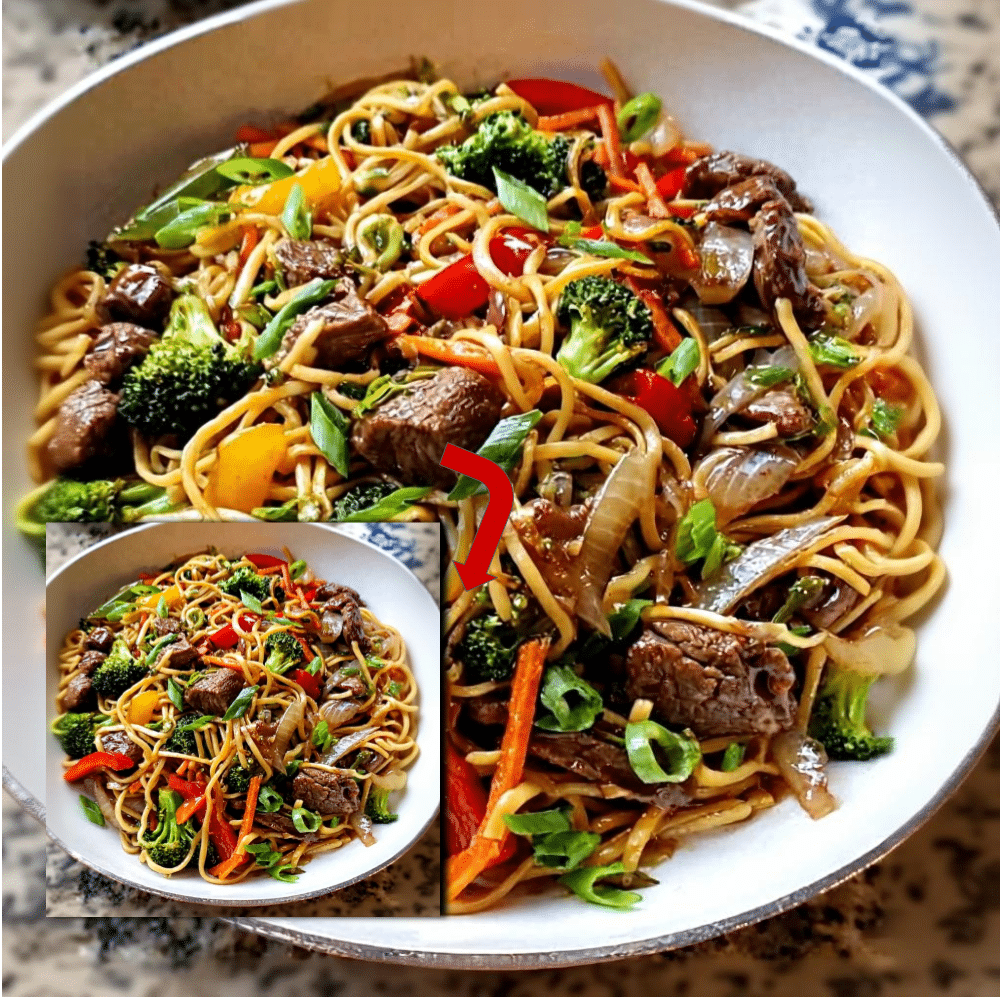
Return the cooked beef to the wok with the vegetables. Add the drained lo mein noodles and pour in your prepared sauce. Using tongs or chopsticks, toss everything together vigorously over the heat for 1-2 minutes. The sauce will thicken and beautifully coat every strand of noodle, beef, and vegetable. Garnish with chopped green onions and a sprinkle of sesame seeds. Your authentic beef lo mein recipe is ready!
Pro Tips for Restaurant-Quality Results
Elevate your homemade beef lo mein recipe with these expert tricks:
- Slice Beef Against the Grain: This is crucial for tenderness. Look at the muscle fibers and slice perpendicular to them. This shortens the fibers, making the beef easier to chew.
- Don’t Skip the Velveting Step: Seriously, this simple technique is the secret to incredibly tender, non-chewy beef in your tender beef stir-fry recipe. It makes all the difference!
- Get Your Wok Screaming Hot: High heat is essential for a proper stir-fry. It creates that desirable ‘wok hei’ (breath of the wok) flavor and ensures your vegetables sear, not steam.
- Don’t Overcrowd the Pan: Cook beef and even some vegetables in batches if necessary. Overcrowding lowers the pan’s temperature, leading to steaming instead of searing.
- Prep Everything First (Mise en Place): We can’t stress this enough! Stir-frying is fast, so having all your ingredients chopped, measured, and within arm’s reach prevents burning and ensures a smooth process.
- Don’t Overcook the Noodles: Cook them al dente, as they will finish cooking and absorb sauce when tossed in the wok. Overcooked noodles can become mushy.
Fun Variations and Customizations
This Beef Lo Mein with Vegetables is incredibly versatile. Make it your own!
- Switch Up the Protein: Try chicken lo mein, shrimp lo mein, pork, or even pan-fried tofu for a delicious vegetarian option.
- Make it Spicy: Add a dash of sriracha, chili garlic sauce, or a pinch of red pepper flakes to your sauce for an extra kick.
- Make it Gluten-Free: Easily adapt by using tamari instead of regular soy sauce, ensuring your oyster sauce is GF-certified, and opting for gluten-free noodles.
- Add Some Crunch: Top your finished dish with chopped peanuts, cashews, or crispy fried shallots for added texture.
Storing and Reheating Leftovers
Got leftovers? Lucky you!
How to Store
Store your leftover Beef Lo Mein with Vegetables in an airtight container in the refrigerator for up to 3-4 days. It makes for a fantastic next-day lunch!
How to Reheat
For the best results when reheating lo mein, gently warm it in a skillet over medium heat. Add a splash of water or broth (about 1-2 tablespoons) to loosen the noodles and revive the sauce, preventing it from drying out. Microwaving works too, but the noodles might become a bit softer.
Frequently Asked Questions (FAQ)
What is the best cut of beef for lo mein?
For Beef Lo Mein with Vegetables, flank steak is widely considered the best cut due to its rich flavor and ability to become incredibly tender when sliced thinly against the grain and velveted. Sirloin steak or skirt steak are also excellent, accessible alternatives.
Can I use spaghetti instead of lo mein noodles?
Absolutely! If you can’t find traditional lo mein noodles, spaghetti is a fantastic and widely available substitute. While the texture is slightly different (lo mein noodles are often eggier and chewier), spaghetti works wonderfully. Just cook it al dente according to package directions.
How do you make beef tender for stir-fry?
The secret to tender beef in stir-fries is a technique called ‘velveting’. This involves marinating thinly sliced beef in a mixture typically containing cornstarch, soy sauce, and a little oil. The cornstarch creates a protective coating that locks in moisture, ensuring the beef remains incredibly moist and tender during the high-heat cooking process. It’s essential for any tender beef stir-fry recipe.
Is beef lo mein healthy?
Homemade beef lo mein can be very healthy! When you prepare it yourself, you have full control over the ingredients. You can use less oil, opt for low-sodium soy sauce, and significantly increase the amount of fresh vegetables, making it a nutritious and balanced meal. This recipe ensures a healthy beef lo mein option.
How do I keep my lo mein from being dry?
To prevent your lo mein from being dry, ensure you make enough sauce to generously coat all the noodles, beef, and vegetables. Also, when reheating leftovers, adding a tablespoon or two of water or broth to the pan while warming it up will help rehydrate the noodles and sauce, keeping everything moist and delicious.
Your New Favorite Weeknight Dinner Awaits!
There you have it – the ultimate guide to making a sensational Beef Lo Mein with Vegetables that truly rivals your favorite takeout spot. With our expert tips on tender beef, the perfect sauce, and crisp vegetables, you’re just 30 minutes away from a flavorful, satisfying meal. Give this homemade beef lo mein recipe a try tonight and discover your new go-to weeknight dinner. Don’t forget to tell us how it turned out in the comments below!
For more daily recipes and tips, follow us on Facebook!
Click here to join our community!