Better Than Takeout Beef Lo Mein
Craving that irresistible taste of your favorite Chinese takeout but want to enjoy it fresh, flavorful, and made right in your own kitchen? Look no further! This ultimate guide to creating a truly spectacular Beef Lo Mein will have you ditching the delivery menu forever. Forget soggy noodles or mystery meat; we’re talking about succulent, tender beef, perfectly cooked Chinese egg noodles, and a rich, savory sauce that clings to every strand. Get ready for an `easy Chinese noodles` recipe that delivers on all fronts – taste, texture, and pure culinary satisfaction.
Why You’ll Love This Beef Lo Mein Recipe
Quick 25-Minute Meal from Start to Finish: Life is busy, but delicious food shouldn’t be a compromise. This recipe is designed for efficiency, ensuring you can whip up a restaurant-quality meal without spending hours in the kitchen. From prepping your ingredients to plating the finished dish, you’ll be amazed at how quickly this comes together, making it perfect for weeknight dinners.
Better and Fresher Than Your Local Takeout: While we all love the convenience of takeout, nothing beats the vibrant flavors and fresh textures of a homemade meal. Our Beef Lo Mein offers a superior experience, allowing you to control the quality of your ingredients and enjoy a dish that’s bursting with flavor and perfectly cooked to your preference. It’s the quintessential `takeout style lo mein`, elevated.
Completely Customizable with Your Favorite Vegetables: Whether you’re a fan of crisp bell peppers, crunchy carrots, tender broccoli, or earthy mushrooms, this recipe is incredibly versatile. It’s a fantastic way to use up whatever fresh produce you have on hand, ensuring every bowl is tailored exactly to your liking. Feel free to experiment and make this recipe truly your own!
Key Ingredients for Authentic Lo Mein
The Best Beef for Stir-Fries
The star of our show, the beef, needs to be tender and flavorful to truly shine in an `authentic beef lo mein`. For stir-fries, we highly recommend using flank steak. This cut is lean and boasts a robust beefy flavor that stands up beautifully to the rich sauce. The secret to its tenderness, however, lies in how you prepare it. Always slice the flank steak against the grain. The grain refers to the visible muscle fibers; slicing perpendicularly shortens these fibers, preventing the meat from becoming chewy during the high-heat cooking process. This crucial step ensures every bite of your `flank steak stir fry` is melt-in-your-mouth tender, absorbing all the wonderful flavors of the stir-fry.
Choosing the Right Noodles
The foundation of any great lo mein is, of course, the noodles. For a truly authentic experience, you’ll want to seek out Chinese egg noodles. These are distinct from other noodle types due to their wheat and egg composition, which gives them a springy texture and a lovely golden hue. You have two main options:
Fresh Lo Mein Noodles: These are typically found in the refrigerated section of Asian grocery stores. They are pre-cooked or par-boiled, meaning they require only a quick dip in boiling water to loosen and heat through. Their fresh quality offers the best chew and authentic texture.
Dried Lo Mein Noodles: If fresh noodles aren’t available, dried versions can be found in the pasta or international aisle of most supermarkets. They require full cooking, similar to spaghetti, but still provide a good base for your `chinese egg noodles recipe`.
Avoid using ramen noodles or instant noodles; their texture and flavor profile are not suitable for lo mein.
The Secret to a Perfect Stir-Fry Sauce
A truly unforgettable Beef Lo Mein relies heavily on its sauce – it’s what brings all the flavors together in harmonious balance. Our `stir-fry lo mein sauce` is a blend of savory, sweet, and umami notes that coats every ingredient beautifully:
Oyster Sauce: This is a cornerstone ingredient in many Chinese stir-fries, offering a distinct umami depth and a touch of sweetness. Look for a good quality brand for the best flavor.
Soy Sauce: We use both light and dark soy sauce. Light soy sauce provides salinity and savory notes, while dark soy sauce contributes a richer, slightly sweeter flavor and a beautiful deep brown color to the noodles.
Shaoxing Wine: A staple in Chinese cooking, this rice wine adds a layer of complex flavor that enhances the overall dish. If you can’t find it, dry sherry is an acceptable substitute.
Sesame Oil: Added at the end, a drizzle of toasted sesame oil provides an aromatic finish.
Sugar: A touch of sugar helps to balance the savory elements and bring out the sweetness of the other ingredients.
Cornstarch: This acts as a thickening agent, giving the sauce a glossy, luxurious texture that clings perfectly to the noodles and beef.
How to Velvet Beef for Tender Meat
The secret weapon for unbelievably tender beef in Chinese stir-fries is a technique called velveting beef. This traditional method protects the meat from the high heat of the wok, ensuring it remains succulent and soft, never tough or dry. It’s an essential step for an `authentic beef lo mein`.
Here’s how to do it:
Slice the Beef: Start with thinly sliced flank steak, cut against the grain as described earlier.
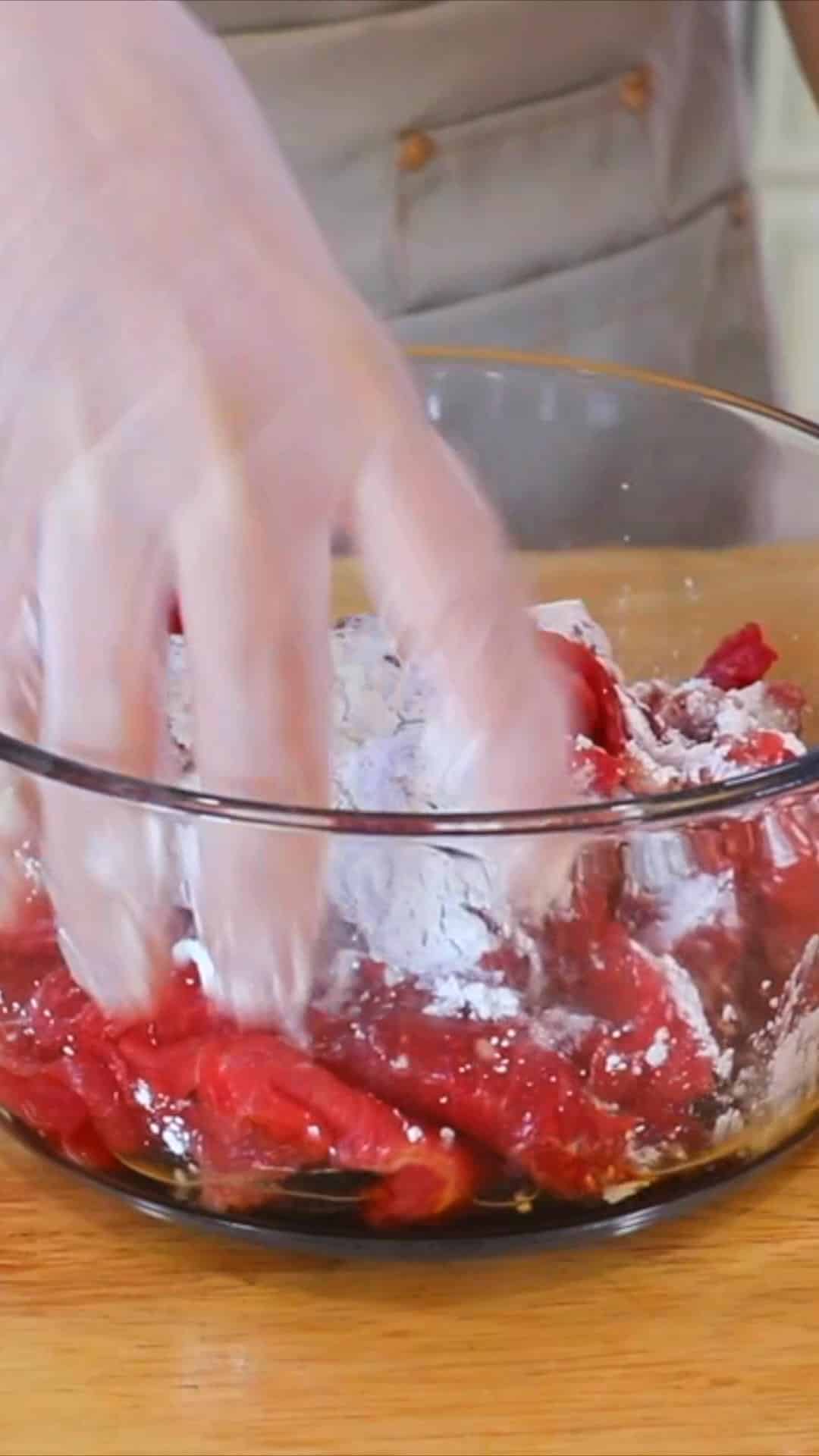
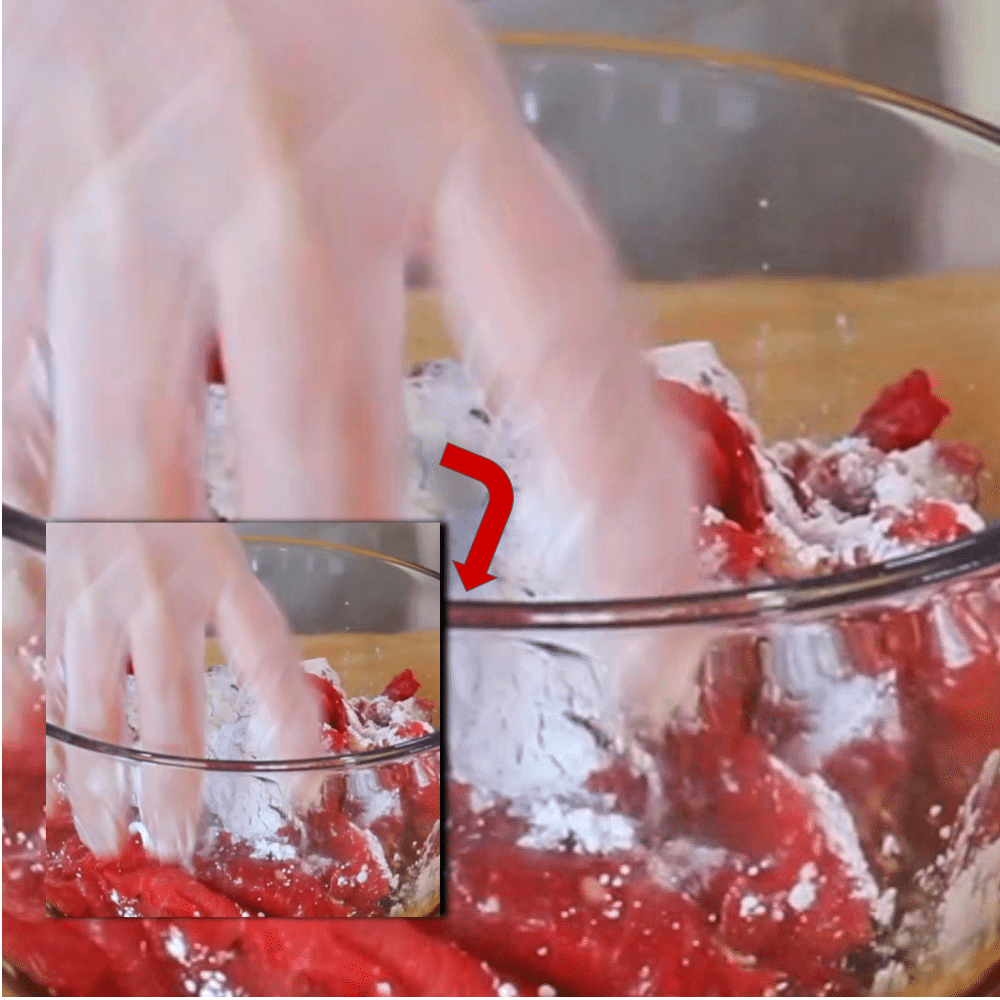
Marinate: In a bowl, combine the sliced beef with a small amount of egg white (the protein helps form a protective layer), cornstarch (which creates a coating that locks in moisture), and a touch of soy sauce and Shaoxing wine for flavor. Some recipes also include a tiny bit of baking soda, which helps tenderize the meat fibers even further.
Add Oil: Finish by mixing in a tablespoon of oil (like vegetable or grapeseed oil). This creates a final barrier against the intense heat, helping to prevent sticking and further ensuring tenderness.
Rest: Let the beef marinate for at least 15-20 minutes, or up to an hour in the refrigerator. This gives the velveting agents time to work their magic.
When you stir-fry the beef after velveting, you’ll notice how quickly it cooks and how incredibly tender it remains. It’s a game-changer for homemade Chinese dishes!
Step-by-Step Instructions
Preparing Your Ingredients (Mise en Place)
In Chinese cooking, mise en place (everything in its place) is paramount, especially for stir-fries where cooking happens incredibly fast. Before you even think about turning on the heat, ensure all your ingredients are prepped and ready to go:
Thinly slice and velvet your beef as described above.
Chop all your vegetables – think julienned carrots, sliced onions, thinly sliced bell peppers, snow peas, and perhaps some baby bok choy for a vibrant `beef and onion lo mein`.
Mince garlic and ginger.
Whisk together all the components of your `stir-fry lo mein sauce` in a small bowl.

Have your noodles ready to cook or already cooked if using fresh ones.
Having everything within arm’s reach prevents overcooking and ensures a smooth cooking process.
Cooking the Noodles to the Perfect Chew
The noodles are the heart of your lo mein, so cooking them correctly is crucial:
Boil Water: Bring a large pot of salted water to a rolling boil.
Cook Noodles: Add your lo mein noodles and cook according to package directions, typically 3-5 minutes for fresh noodles or 6-8 minutes for dried. You want them al dente, with a slight chew.
Rinse and Drain: Immediately drain the noodles and rinse them thoroughly under cold water. This stops the cooking process and removes excess starch, preventing them from sticking together. Gently toss them with a tiny drizzle of sesame oil to keep them separated.
Stir-Frying for Maximum Flavor
Now for the exciting part – the stir-fry! This is where all your prepped ingredients come together in a symphony of flavors and textures.
Cook the Beef: Heat a wok or large skillet over high heat. Add a tablespoon of oil. Once shimmering, add the velveted beef in a single layer (cook in batches if necessary to avoid crowding) and stir-fry for 1-2 minutes until beautifully browned and cooked through. Remove the beef from the wok and set aside.
Sauté Aromatics: Add a little more oil if needed, then toss in your minced garlic and ginger. Stir-fry for about 30 seconds until fragrant, being careful not to burn them.
Add Vegetables: Introduce your harder vegetables first (like carrots, bell peppers, onions). Stir-fry for 2-3 minutes until they begin to tender-crisp. Add softer vegetables (like snow peas or bok choy) in the last minute.
Combine and Sauce: Return the cooked beef to the wok. Add your cooked and drained lo mein noodles. Pour the prepared `stir-fry lo mein sauce` over everything. Toss vigorously for 1-2 minutes, ensuring the sauce evenly coats all the ingredients and the noodles are heated through. If the sauce seems too thick, you can add a splash of reserved noodle water.
Serve Immediately: Transfer your glorious Beef Lo Mein to bowls and serve hot. A sprinkle of fresh green onions or sesame seeds makes for a beautiful garnish.
Expert Tips for Wok Hei (Breath of the Wok)
Achieving that coveted “wok hei” – the smoky, complex aroma and flavor imparted by a properly seasoned wok and high-heat cooking – is the hallmark of truly great Chinese stir-fry. While it takes practice, these tips will get you closer to that authentic taste for your Beef Lo Mein:
Getting Your Wok Smoking Hot
The most fundamental rule of stir-frying is heat. Your wok needs to be absolutely scorching hot before you add any ingredients. This means placing it over your stove’s highest heat setting until you see wisps of smoke emanating from the surface. Then, add your cooking oil, allowing it to heat until it shimmers and just begins to smoke before adding your ingredients. This intense heat sears the ingredients quickly, locking in juices and preventing them from stewing.
Expert Tip: “A properly heated wok is your best friend in stir-frying. It’s the key to achieving that beautiful caramelization and a genuine ‘wok hei’ flavor that sets homemade dishes apart from the rest.”
Why You Shouldn’t Crowd the Pan
While it might be tempting to cook all your ingredients at once, especially when making a generous portion of Beef Lo Mein, crowding the wok is a common mistake that prevents proper stir-frying. When too many ingredients are added, the temperature of the wok drops dramatically, causing the food to steam rather than sear. This results in limp vegetables, unbrowned beef, and a lack of that desirable ‘wok hei’. Always cook in batches if necessary, especially the beef. Allow space for ingredients to make direct contact with the hot surface of the wok, ensuring they cook quickly and evenly, developing robust flavors and appealing textures.
Variations and Substitutions
This Beef Lo Mein recipe is wonderfully adaptable to your preferences and what you have on hand. Feel free to get creative!
Swapping Vegetables: Enhance your dish with a wider array of vegetables. Try adding sliced bok choy, crisp snap peas, thinly sliced bamboo shoots, water chestnuts for crunch, or even broccoli florets. Red or yellow bell peppers add a pop of color and sweetness, while sliced mushrooms contribute an earthy umami. Remember to add harder vegetables first and softer ones later to ensure they cook evenly.
Different Protein Choices: While our recipe champions the tender beef, you can easily substitute it with other proteins. Sliced chicken breast or thigh, shrimp (add towards the end of cooking as they cook very quickly), or even firm tofu (pressed and pan-fried until golden) would all be delicious alternatives. Ensure any protein is cut into bite-sized pieces for quick cooking.
Storage and Reheating Tips
One of the best things about homemade Beef Lo Mein is that it often tastes even better the next day as the flavors meld and deepen. Here’s how to store and reheat your leftovers:
Storage: Allow the lo mein to cool completely before transferring it to an airtight container. Store it in the refrigerator for up to 3-4 days. Prompt cooling prevents bacterial growth and helps maintain freshness.
Reheating: For best results, reheat lo mein on the stovetop. Add a tablespoon or two of water or broth to a pan or wok over medium heat. Add the leftover lo mein and toss gently, breaking up any clumps. Stir-fry for 3-5 minutes, or until heated through, ensuring the noodles and beef retain their moisture and texture. Avoid reheating in the microwave if possible, as it can often make the noodles mushy and the beef tough.
Frequently Asked Questions
Can I use spaghetti instead of lo mein noodles?
While spaghetti can be used as a last resort, it’s not ideal for authentic Beef Lo Mein. Spaghetti is typically made from durum wheat and has a denser, firmer texture compared to the springy, eggy Chinese lo mein noodles. It also tends to absorb sauce differently. If you must use spaghetti, cook it slightly past al dente to achieve a softer texture closer to lo mein, and remember to rinse it well.
Why is my beef tough?
Tough beef in stir-fries is a common issue, but easily avoidable! The main reasons are typically not slicing the beef against the grain, or not utilizing the traditional velveting beef technique. Slicing against the grain shortens muscle fibers, preventing chewiness. Velveting creates a protective coating around the beef, shielding it from high heat and locking in moisture, resulting in incredibly tender meat. Additionally, overcrowding the pan can cause the beef to steam instead of sear, leading to a tougher texture.
What is the difference between Chow Mein and Lo Mein?
Both Chow Mein and Lo Mein feature Chinese egg noodles, but the key difference lies in their preparation methods. Lo Mein, which translates to “tossed noodles,” involves boiling the noodles until fully cooked, then adding them to a wok with stir-fried vegetables and meat, tossing them gently with sauce. The noodles are the star, absorbing the sauce and remaining soft. Chow Mein, meaning “fried noodles,” involves par-boiling the noodles and then stir-frying them until they are slightly crispy or browned, often alongside the other ingredients, giving them a drier texture and sometimes a crispier exterior.
Want more incredible recipes and behind-the-scenes deliciousness? Follow us on Facebook! https://www.facebook.com/profile.php?id=61568538666337
Better Than Takeout: 25-Min Beef and Onion Lo Mein
Ingredients
- 3/4 lb beef flank sliced against the grain
- 1 pinch salt
- 1 pinch white pepper
- 1 tbsp soy sauce for marinade
- 1 tbsp dark soy sauce for marinade
- 1 tbsp Shaoxing wine
- 1 egg white
- 1 tbsp cornstarch
- 1 tbsp oil for marinade
- 3 tbsp oil for stir-frying beef
- 1 tbsp soy sauce for sauce
- 2 tbsp dark soy sauce for sauce
- 2 tbsp oyster sauce for sauce
- 3/4 cup chicken stock
- 16 oz lo mein noodles
- 1 medium yellow onion sliced
- 1 large shallot sliced
- 3 stalks scallions sliced
- 1 tbsp oil for stir-frying vegetables
- 1/2 cup bean sprouts
Instructions
- In a bowl, combine the sliced beef flank with a pinch of salt, white pepper, 1 tablespoon soy sauce, 1 tablespoon dark soy sauce, Shaoxing wine, egg white, cornstarch, and 1 tablespoon of oil. Mix well to coat the beef evenly and let it marinate for 15 minutes.
- Cook the lo mein noodles according to package instructions. Drain well, rinse under cold water to stop the cooking process, and set aside.
- In a small mixing bowl, whisk together 1 tablespoon of soy sauce, 2 tablespoons of dark soy sauce, 2 tablespoons of oyster sauce, and 3/4 cup of chicken stock to create the stir-fry sauce.
- Heat a wok or large skillet over high heat. Add 3 tablespoons of oil and sear the marinated beef until browned and mostly cooked through, about 2-3 minutes. Remove the beef from the wok and set aside.
- Add the remaining 1 tablespoon of oil to the wok. Toss in the sliced yellow onion and shallot, stir-frying for 1-2 minutes until they become fragrant and slightly softened.
- Return the cooked beef to the wok. Add the cooked lo mein noodles and pour the stir-fry sauce over the top.
- Toss everything continuously over high heat for 2 minutes until the noodles absorb the sauce and are evenly colored.
- Add the scallions and bean sprouts, tossing for an additional 1 minute until the vegetables are just tender. Serve immediately hot from the wok.
For more daily recipes and tips, follow us on Facebook!
Click here to join our community!