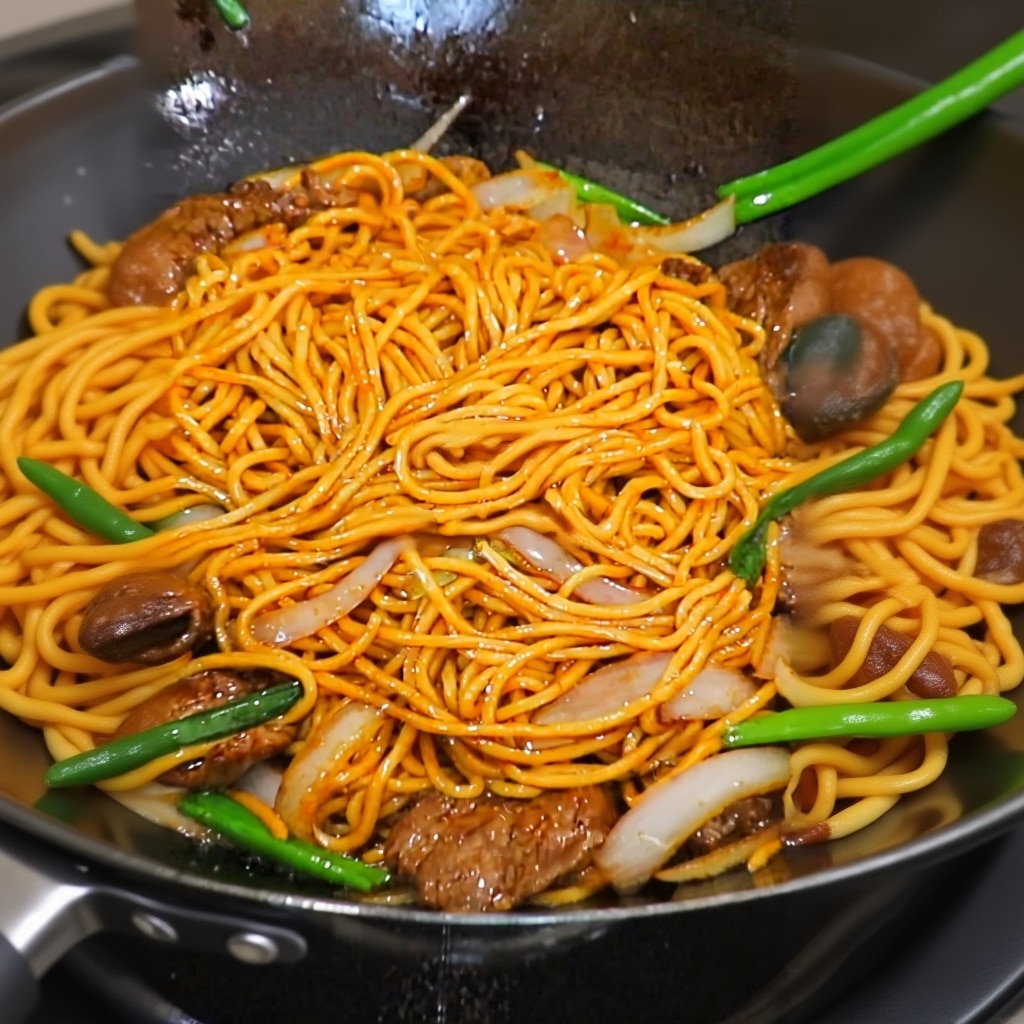
Craving that comforting, savory bowl of noodles that just hits the spot? Forget the takeout menu! Imagine perfectly chewy noodles, incredibly tender beef, and crisp-tender vegetables, all coated in a rich, umami-packed sauce. That, my friends, is the dream, and it’s entirely achievable in your own kitchen. This isn’t just another beef lo mein recipe; it’s your definitive guide to making restaurant-quality homemade beef lo mein that’s faster, fresher, and frankly, better than anything you’ll get from a box. We’re talking about mastering a few simple Chinese restaurant techniques, like velveting beef for melt-in-your-mouth tenderness and crafting a perfectly balanced beef lo mein sauce. Get ready to impress your taste buds and your dinner guests with this truly authentic and easy beef lo mein recipe, ready in about 30 minutes!
What Exactly is Lo Mein?
Let’s demystify this Chinese culinary classic. “Lo mein” (捞面, láo miàn) literally translates to “scooped noodles” or “stirred noodles,” which perfectly describes the cooking method. In its essence, lo mein involves boiling fresh or dried Chinese egg noodles separately until they are al dente. Once cooked, these soft, supple noodles are then scooped directly into a hot wok or skillet, where they are gently tossed with a flavorful sauce, your chosen protein (like our delicious beef), and a medley of crisp vegetables. The result is a wonderfully saucy and satisfying noodle dish, characterized by its chewy texture and the way every strand is lovingly coated in that signature savory sauce. It’s the ultimate comfort food, a classic Chinese beef noodle recipe that’s beloved worldwide.
The Key Difference: Lo Mein vs. Chow Mein
This is a common point of confusion, and for good reason, as both are incredible Chinese noodle dishes! However, understanding the distinction between lo mein vs chow mein is simple and centers primarily on how the noodles are prepared and finished. While both dishes typically use similar types of noodles and ingredients, their textures are vastly different:
- Lo Mein: The noodles are boiled until soft and tender, then tossed with sauce and ingredients. The focus is on the chewy texture of the noodles and the sauce coating them. Lo mein is inherently a saucier dish.
- Chow Mein: The noodles are typically boiled, then fried in a wok until they achieve a crispy texture. Sometimes, only part of the noodles are crispy, while others remain soft. Chow mein can be either “crispy” (Hong Kong style) or “steamed” (more common in American Chinese cuisine, where noodles are softer but still have a fried character).
Think of it this way: Lo mein is about the soft, pliable noodle, while chow mein emphasizes a fried, often crispy, noodle texture. Our beef lo mein stir fry embraces the saucy, tossed noodle tradition.
Why This is the BEST Beef Lo Mein Recipe
You might have tried many versions of beef lo mein, but this recipe stands out. Here’s why it deserves a permanent spot in your rotation:
- Unbelievably Tender Beef: We unlock the secret of the pros by using a simple Chinese restaurant technique called “velveting beef,” resulting in flank steak so tender it practically melts in your mouth.
- Perfectly Savory Sauce: Our balanced, rich, and umami-packed beef lo mein sauce coats every single noodle without being overly salty or greasy. It’s the very definition of takeout style noodles.
- Faster & Fresher Than Takeout: This quick beef lo mein is genuinely a 30 minute beef lo mein, making it ideal for busy weeknights. Plus, you control the quality of ingredients, making it a potentially healthy beef lo mein option.
- Completely Customizable: Easily add your favorite vegetables for a vibrant beef and broccoli lo mein, or swap proteins to suit your taste.
A Deep Dive into Your Ingredients
Mastering homemade beef lo mein starts with understanding the components. Each ingredient plays a vital role in creating that authentic, mouth-watering flavor.
The Star of the Show: The Beef
For a truly exceptional beef lo mein, the cut of meat makes a big difference. We highly recommend using flank steak lo mein. Why? Flank steak is lean, full of flavor, and when sliced correctly and velveted, becomes incredibly tender. It holds up beautifully to the high heat of stir-frying.
- Best Cuts: Flank steak is our top choice. Alternatives include sirloin steak, skirt steak, or flat iron steak. These cuts are relatively lean and develop great flavor when seared quickly.
- The Secret to Tenderness: No matter the cut, the most crucial step is to slice the beef very thinly (about ¼-inch thick) against the grain. The “grain” refers to the visible muscle fibers. Slicing against them shortens these fibers, making the beef much more tender and easier to chew. If you’re unsure, look for the lines running down the meat and cut perpendicular to them.
The Magic Marinade (Velveting)
This is where the restaurant magic happens! The velveting technique ensures your beef is silken and tender. Here’s a breakdown of the marinade ingredients:
- Shaoxing Wine: A traditional Chinese cooking wine that adds depth and authentic flavor. If you can’t find it, a dry sherry can serve as a decent Shaoxing wine substitute, though the flavor will be slightly different.
- Egg White: Coats the beef, protecting it from direct heat and contributing to its silky texture.
- Cornstarch: A key player in velveting, it creates a protective crust that locks in moisture and tenderizes the beef further.
- Salt & Pepper: Simple seasonings to enhance the beef’s natural flavor.
The Perfect Lo Mein Noodles
The noodles are, of course, central to lo mein! For the most authentic experience, look for fresh or dried Chinese egg noodles. These are typically medium-thick, round or flat, and have a good chew.
- Where to Find Them: Check the refrigerated section of your local Asian market for fresh noodles, or the international aisle of larger supermarkets for dried versions.
- Good Substitutes: Don’t have Chinese egg noodles? No problem! Readily available alternatives like spaghetti, linguine, or even ramen noodles (discard the seasoning packet) work surprisingly well. Just ensure you cook them to al dente.
The Signature Lo Mein Sauce
This perfectly balanced sauce is what truly elevates our restaurant style beef lo mein. It’s a harmonious blend of sweet, savory, and umami:
- Light Soy Sauce: Provides the primary saltiness and savory base.
- Dark Soy Sauce: Not just for color, dark soy sauce adds a beautiful rich, mahogany hue and a subtle, molasses-like sweetness and deeper umami complexity.
- Oyster Sauce: A must for any authentic stir-fry, it brings incredible umami, a touch of sweetness, and helps create a glossy texture. This is key for beef lo mein with oyster sauce.
- Water: Thins the sauce to the right consistency, allowing it to coat the noodles perfectly without being too thick or syrupy.
- Optional Additions: A dash of sesame oil for nutty aroma, a pinch of sugar to balance, or a touch of white pepper for subtle warmth.
How to Make Beef Lo Mein: A Step-by-Step Guide
Creating this incredible beef lo mein is simpler than you think. Follow these steps for a dish that will rival your favorite takeout!
Step 1: Slice and Velvet the Beef
Start with your beef. Take your chosen cut, like flank steak, and slice it thinly (about ¼-inch) against the grain. This is crucial for tenderness. In a medium bowl, combine the sliced beef with your marinade ingredients: Shaoxing wine (or substitute), egg white, cornstarch, salt, and pepper. Use your hands to thoroughly toss the beef, ensuring every piece is coated. Let it marinate for at least 15-30 minutes at room temperature, or up to an hour in the refrigerator. This brief marinade is the secret to getting that silky, tender texture, making this the best beef for stir fry.
Step 2: Prepare Your Noodles and Sauce
While the beef marinates, cook your noodles. Boil your Chinese egg noodles (or chosen substitute like spaghetti) according to package directions until they are al dente – slightly firm, as they will finish cooking in the wok. Drain them and immediately rinse with cold water to stop the cooking process and prevent them from sticking. Toss them with a tiny drizzle of sesame oil for good measure. In a separate small bowl, whisk together all the ingredients for your signature beef lo mein sauce: light soy sauce, dark soy sauce, oyster sauce, water, and any optional additions like sesame oil or sugar. Having this ready is essential for a smooth stir-fry.
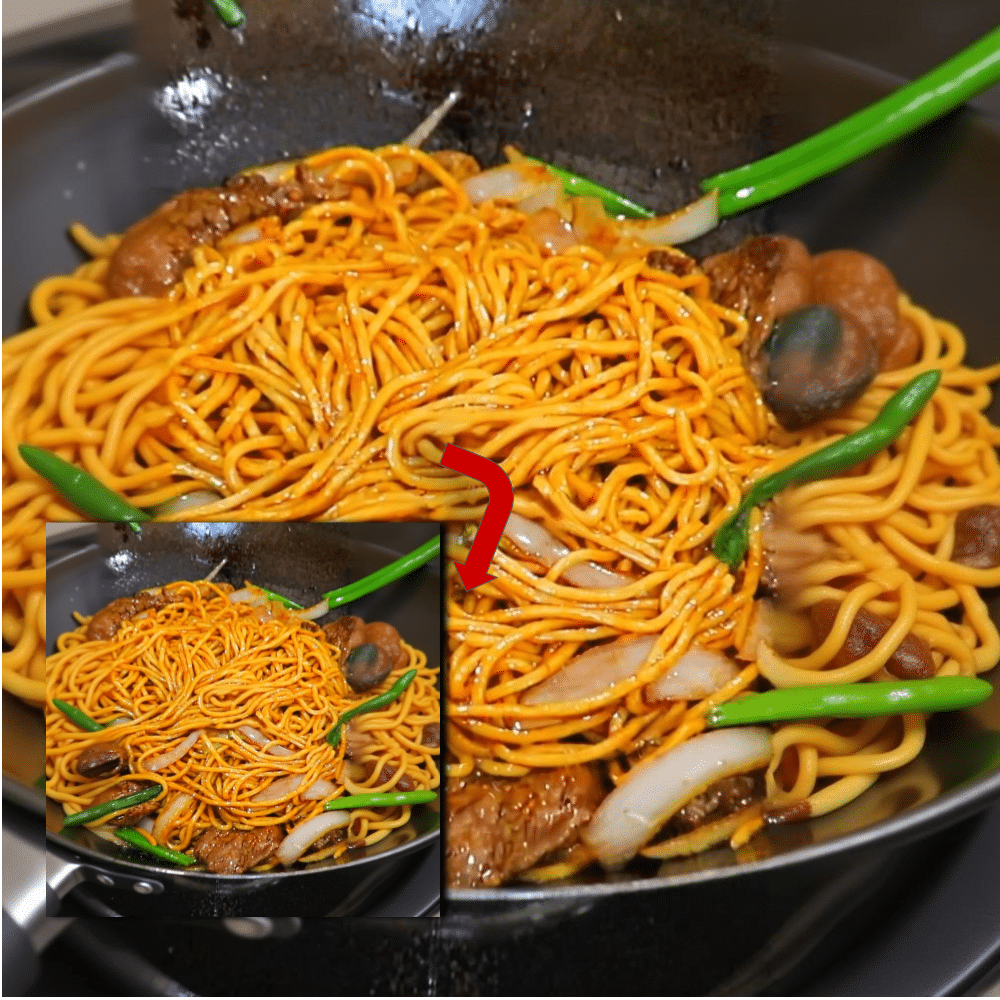
Step 3: The Searing and Stir-Frying Process
This is where the action is! Heat your wok or a large, heavy-bottomed skillet over high heat until it’s screaming hot. Add a tablespoon of high-smoke-point oil (like canola or grapeseed). The key to a great stir-fry is high heat, which achieves that coveted “wok hei” or smoky aroma.
- Sear the Beef: Add the marinated beef to the hot pan in a single layer. Do not overcrowd; if necessary, cook the beef in two batches. Sear for 1-2 minutes per side until just browned but not fully cooked through. Remove the beef from the pan and set aside.
- Sauté Aromatics & Veggies: Add another splash of oil if needed. Toss in your aromatics, like minced garlic and ginger, along with sliced onions and any other desired vegetables (broccoli, carrots, bell peppers, snow peas). Stir-fry for 3-5 minutes until the vegetables are crisp-tender.
Step 4: Combine and Toss
Once your vegetables are crisp-tender, it’s time to bring everything together. Return the seared beef to the pan with the vegetables. Add the cooked and rinsed noodles and sprinkle in your sliced scallions. Pour the pre-whisked beef lo mein sauce evenly over the noodles and ingredients. Using tongs or two spatulas, toss everything vigorously. Make sure every single strand of noodle and every piece of beef and vegetable is coated in that glossy, savory sauce. Continue to toss for 1-2 minutes, allowing the noodles to absorb the flavors and heat through. Serve immediately for the freshest, most delicious homemade beef lo mein experience!
Pro-Tips for Restaurant-Quality Results
Achieving that perfect restaurant style beef lo mein is all about technique. Here are a few expert tips to elevate your game:
- Mise en Place is Your Best Friend: This French culinary term means “everything in its place.” Have all your ingredients chopped, measured, and ready to go before you even turn on the heat. Stir-frying is incredibly fast, and you won’t have time to slice an onion once the wok is hot.
- Don’t Overcrowd the Pan: This is a common mistake. When you add too much food to a wok or skillet, the temperature drops, and ingredients steam instead of sear. This prevents browning and leads to soggy results. Cook your beef and even some vegetables in batches if necessary.
- High Heat is Non-Negotiable: A very hot wok or skillet is essential for a proper stir-fry. It creates that delicious caramelized crust on the beef and gives the vegetables a vibrant, crisp-tender texture, developing the complex flavors of wok hei.
- Don’t Overcook the Noodles: When boiling your noodles, aim for al dente. They will continue to cook slightly when tossed in the hot wok with the sauce, ensuring they remain perfectly chewy and don’t turn mushy.
Variations and Customizations
One of the joys of making homemade beef lo mein is its incredible versatility. Feel free to play with ingredients to suit your taste or what you have on hand!
- Protein Swaps: Instead of beef, try thinly sliced chicken breast or thighs, shrimp, pork tenderloin, or even fried tofu for a vegetarian option.
- Vegetable Overload: This recipe is perfect for adding more greens! Great additions include bok choy, shredded carrots, snow peas, sliced bell peppers (red, yellow, or green), broccoli florets, sliced mushrooms, or even thinly sliced cabbage. Just ensure they are chopped to similar sizes for even cooking. For a truly vibrant dish, try a beef and broccoli lo mein.
- Make it Gluten-Free: Easily adapt this recipe by using tamari instead of regular soy sauce and ensuring your noodles are certified gluten-free.
- Add Some Heat: For those who like a kick, stir in a teaspoon or two of sriracha, chili garlic sauce, or a pinch of red pepper flakes to your sauce.
Storing and Reheating Instructions
Leftover beef lo mein can be just as delicious as the fresh batch, especially with proper storage and reheating!
Store any leftover lo mein in an airtight container in the refrigerator for up to 3-4 days. To reheat, you can use a microwave, but for best results, we recommend reheating it in a skillet over medium heat. Add a splash of water or broth (about 1-2 tablespoons) to help loosen the noodles and prevent them from drying out or becoming sticky. Stir-fry for a few minutes until heated through. This method helps maintain the noodles’ texture and keeps the beef tender.
Frequently Asked Questions (FAQ)
What is the difference between lo mein and chow mein?
The primary difference lies in the noodle preparation. Lo mein noodles are boiled until soft and then tossed with sauce and ingredients. Chow mein noodles are boiled and then stir-fried, often to a crispy texture, though some versions are softer.
What is lo mein sauce made of?
A classic lo mein sauce typically consists of light soy sauce for saltiness, dark soy sauce for color and depth, oyster sauce for umami, and often includes additions like sesame oil, a touch of sugar, and sometimes ginger and garlic for aromatic flavor.
What kind of beef is best for lo mein?
Flank steak is widely considered the best beef for lo mein due to its flavor and ability to become tender when sliced thinly against the grain and velveted. Sirloin steak, skirt steak, or flat iron steak are also excellent alternatives.
How do you make beef tender for stir-fry?
The key to making beef tender for stir-fry is a technique called “velveting beef.” This involves marinating thin slices of beef with cornstarch, an egg white, and often Shaoxing wine. This mixture creates a protective coating that locks in moisture and prevents the beef from toughening during high-heat cooking.
Can I use spaghetti instead of lo mein noodles?
Yes, absolutely! Spaghetti is a fantastic and readily available substitute for traditional Chinese egg noodles in lo mein. Just cook it al dente according to package directions, rinse with cold water, and toss with a little oil to prevent sticking before adding it to your stir-fry.
Full Printable Recipe Card
[Insert Recipe Card Here – This would typically be generated by a recipe plugin on a blog platform]
For more daily recipes and tips, follow us on Facebook!
Click here to join our community!