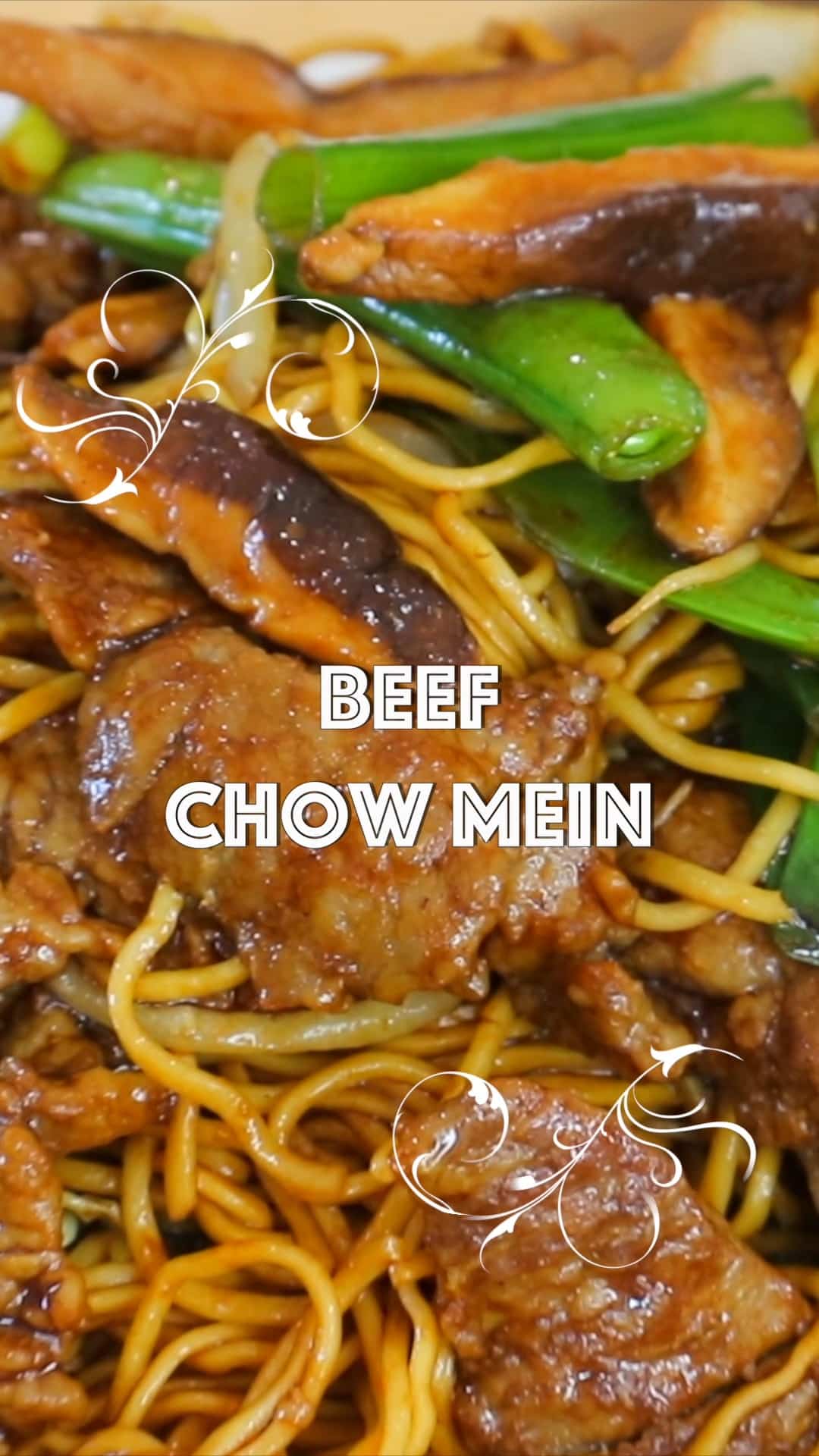
Craving the irresistible aroma and satisfying chew of restaurant-quality noodles? Look no further! This ultimate guide to homemade Beef Chow Mein will transport your taste buds straight to your favorite Chinese eatery. Forget waiting for takeout; with our detailed instructions, expert tips, and a pinch of culinary magic, you’ll master this classic dish in your own kitchen.
Why You’ll Love This Beef Chow Mein Recipe
There’s something truly magical about a well-executed plate of chow mein. This recipe captures all the elements you adore in a takeout style chow mein, but with the freshness and control only home cooking can offer. You’ll love the tender, savory beef, the crisp-tender vegetables, and those perfectly stir-fried noodles with just the right amount of chew and a hint of smoky flavor. It’s incredibly satisfying, surprisingly quick to make once your ingredients are prepped, and completely customizable to your family’s preferences. Plus, mastering this dish gives you bragging rights!
Key Ingredients for Authentic Chow Mein
The secret to truly fantastic Beef Chow Mein lies in selecting the right ingredients. Each component plays a vital role in building those signature flavors and textures.
The Best Cut of Beef (Flank vs. Sirloin)
For a truly exceptional flank steak stir-fry, we highly recommend flank steak. It’s lean, flavorful, and incredibly tender when sliced correctly against the grain and prepared with our velveting technique. Sirloin steak is another excellent choice, offering a good balance of tenderness and flavor. Whichever you choose, remember to slice the beef very thinly against the grain for maximum tenderness and absorption of the delicious marinade.
Chow Mein Noodles vs. Lo Mein Noodles
Understanding the noodle difference is crucial for authentic Cantonese style noodles. For true chow mein, you want a thin, often pre-cooked, egg noodle. These are sometimes labeled “Hong Kong style pan-fried noodles” or simply “chow mein noodles.” Unlike lo mein, which features thicker, softer noodles that are tossed with sauce, chow mein noodles are stir-fried until they achieve a slightly crispy exterior and chewy interior. Look for fresh or dried thin egg noodles in the refrigerated or Asian aisle of your grocery store.
The Essential Chow Mein Sauce Components
The heart of any great chow mein is its sauce. Our chow mein sauce recipe balances savory, sweet, and umami notes perfectly. Here’s what you’ll need:
- Light Soy Sauce: Provides the fundamental savory, salty base.
- Dark Soy Sauce: Adds a beautiful deep caramel color and a subtle richness, contributing to those gorgeous dark soy sauce noodles.
- Oyster Sauce: A non-negotiable for authentic flavor, delivering a complex umami depth.
- Shaoxing Rice Wine: Adds a distinct aromatic note and helps tenderize the beef. If you can’t find it, dry sherry is a decent substitute.
- Sesame Oil: For a nutty, aromatic finish. Add at the very end.
- Sugar: Balances the saltiness and rounds out the flavors.
- Cornstarch: Thickens the sauce slightly, allowing it to cling beautifully to the noodles and beef.
- Water or Broth: Thins the sauce to the right consistency.
“A well-balanced chow mein sauce is the soul of the dish. It’s not just about flavor; it’s about coating every strand of noodle and every piece of beef evenly, creating a harmonious bite.”
How to Velvet Beef for Stir-Fries
Velveting is a classic Chinese technique that ensures your beef stays incredibly tender and juicy in high-heat stir-fries. It creates a protective coating around the meat, preventing it from drying out.
To velvet your beef:
- Slice your beef thinly against the grain.
- In a bowl, combine the sliced beef with a pinch of baking soda (about 1/4 teaspoon per pound of beef – don’t overdo it!). Let it sit for 15-20 minutes.
- Rinse the beef thoroughly under cold running water to remove the baking soda, then pat it very dry with paper towels. This step is critical to prevent a metallic taste.
- Marinate the rinsed, dried beef with a mixture of light soy sauce, Shaoxing wine, and cornstarch. A tiny bit of oil can also be added. The cornstarch forms the “velvet” coating.
- Allow the beef to marinate for at least 20-30 minutes, or up to an hour in the refrigerator.
This simple process makes all the difference in achieving truly tender beef in your Beef Chow Mein.
Step-by-Step Instructions
Preparation is key for any successful stir-fry. Make sure all your ingredients are prepped and ready before you even turn on the heat. This is often called “mise en place” – everything in its place.
- Prepare the Noodles: If using dried noodles, cook them according to package directions until al dente. Rinse them under cold water to stop cooking and prevent sticking, then drain very well. Toss lightly with a teaspoon of sesame oil to keep them from clumping. If using fresh pre-cooked noodles, just separate them.
- Velvet the Beef: Follow the steps above to thinly slice and marinate your beef. Set aside.
- Mix the Chow Mein Sauce: In a small bowl, whisk together the light soy sauce, dark soy sauce, oyster sauce, Shaoxing wine, sugar, and cornstarch slurry (cornstarch mixed with a tablespoon or two of water). Set aside.
- Prepare Vegetables: Slice your onions, bell peppers, carrots, and cabbage into thin strips. Mince your garlic and ginger.
- Cook the Beef: Heat a large wok or heavy-bottomed skillet over high heat until it’s smoking slightly. Add a tablespoon of high-smoke-point oil (like canola or peanut oil). Add the marinated beef in a single layer, ensuring not to overcrowd the pan. Stir-fry for 1-2 minutes until browned and mostly cooked through. Remove the beef from the wok and set aside, leaving any residual oil in the wok.
- Stir-fry Vegetables: Add another tablespoon of oil to the hot wok if needed. Add the onions, carrots, and bell peppers. Stir-fry for 2-3 minutes until slightly tender-crisp. Add the minced garlic and ginger, stir-frying for another 30 seconds until fragrant. Add the cabbage and stir-fry for 1-2 minutes until just wilted.
- Combine and Add Noodles: Return the cooked beef to the wok with the vegetables. Add the prepared noodles. Pour the premixed chow mein sauce evenly over the noodles and ingredients.
- Toss and Finish: Using tongs or two spatulas, toss everything together vigorously for 2-3 minutes, ensuring the sauce coats all the noodles and ingredients evenly. Continue to stir-fry noodles until they are heated through and some strands begin to show a slight char – this is where the magic happens! Taste and adjust seasoning if necessary.
- Serve Immediately: Transfer the hot Beef Chow Mein to a serving platter and garnish with green onions.
Expert Tips for the Perfect Wok Hei
Achieving that elusive “wok hei” – the smoky, complex “breath of the wok” – is what elevates homemade chow mein to true takeout quality. Here’s how to get it:
- High Heat is Non-Negotiable: A super hot wok is paramount. Get it smoking before you add oil.
- Don’t Overcrowd the Wok: Cook in batches if necessary. Overcrowding lowers the temperature and steams ingredients instead of stir-frying them, preventing that beautiful caramelization and smoky flavor.
- Use the Right Oil: Oils with a high smoke point like peanut, canola, or grapeseed oil are ideal.
- Keep Things Moving: A true stir-fry is dynamic. Keep tossing and stirring constantly to ensure even cooking and prevent sticking or burning.
- Pre-Prep Everything: Have all your ingredients chopped, sauced, and ready by the stove. The cooking process for stir-fries is extremely fast.
- Use a Carbon Steel Wok: While not mandatory, a carbon steel wok heats quickly and retains heat well, contributing significantly to wok hei. Ensure it’s properly seasoned.
- Embrace the Char: Don’t be afraid to let some noodles get a little crispy and slightly charred at the edges. That’s part of the authentic experience.
Variations and Substitutions
This Beef Chow Mein recipe is incredibly versatile. Feel free to get creative with your additions!
Vegetarian and Alternative Proteins
While beef is fantastic here, you can easily adapt this recipe. Try extra-firm tofu, pressed and cubed, then lightly pan-fried until golden. Shrimp or chicken are also excellent choices, cooked similarly to the beef. For a purely vegetarian version, load up on extra vegetables and consider adding rehydrated shiitake mushrooms for an umami boost.
Vegetable Variations (Bok Choy, Broccoli, Cabbage)
The beauty of stir-fries is their flexibility with vegetables. Along with the classic cabbage, carrots, and bell peppers, consider adding:
- Bok Choy: Adds a lovely freshness and crisp texture. Add stems first, then leaves.
- Broccoli Florets: Blanch them quickly before adding to the wok for faster cooking.
- Snow Peas or Snap Peas: For a sweet crunch, add them near the end.
- Mushrooms: Sliced cremini or shiitake add earthy notes.
- Bean Sprouts: For a very fresh crunch, add them right at the end and toss quickly.
Always aim for a variety of colors and textures in your authentic Chinese noodles dish!
Storage and Reheating
Leftover Beef Chow Mein can be stored in an airtight container in the refrigerator for up to 3-4 days. While it’s best enjoyed fresh, it reheats quite well.
To reheat:
- Microwave: Place a portion in a microwave-safe dish, cover loosely, and heat until warm, stirring halfway through. You might want to add a tiny splash of water or broth to prevent dryness.
- Stovetop: Heat a skillet or wok over medium-high heat with a tiny bit of oil. Add the chow mein and stir-fry, tossing frequently, until heated through. This method helps restore some of the wok hei texture.
Frequently Asked Questions (FAQs)
Q: What type of noodles are best for Beef Chow Mein?
A: For authentic Beef Chow Mein, thin egg noodles are ideal. Look for fresh “Hong Kong style pan-fried noodles” or thin dried egg noodles in Asian grocery stores. They are designed to be stir-fried until slightly crispy on the outside and chewy within.
Q: How do I prevent my noodles from sticking together?
A: After cooking your noodles al dente, rinse them thoroughly under cold water to remove excess starch. Drain them very well, then toss them lightly with a teaspoon of sesame oil or a neutral cooking oil. Ensure your wok is very hot and oiled before adding the noodles to prevent sticking.
Q: Can I make the chow mein sauce ahead of time?
A: Yes, absolutely! You can whisk together all the sauce ingredients and store them in an airtight container in the refrigerator for up to 3-4 days. This is a great time-saver for busy weeknights.
Q: What is the secret to good authentic Chinese noodles at home?
A: The key elements for truly good authentic Chinese noodles are high heat, fresh ingredients, proper velveting of the beef, a well-balanced sauce, and the “wok hei” technique. Don’t overcrowd your wok, cook in batches, and keep ingredients moving.
Q: Why is my beef not tender in my stir-fry?
A: The most common reasons for tough beef are not slicing against the grain, skipping the velveting process, or overcooking. Always slice thinly against the grain, velvet your beef, and cook it quickly over high heat until just done.
You’re now equipped to create a spectacular Beef Chow Mein that rivals your favorite takeout! Get ready for incredible flavors and textures. Happy cooking!
For more delicious recipes, tips, and culinary inspiration, be sure to follow us on Facebook: Join Our Food Community on Facebook!
Authentic Beef Chow Mein
Ingredients
- 3/4 lb beef flank thinly sliced against the grain
- 1 pinch salt
- 1 pinch white pepper
- 2 tbsp Shaoxing wine
- 1 egg white
- 2 tbsp cornstarch
- 1 tbsp oil for marinade
- 1 tbsp soy sauce
- 2 tbsp dark soy sauce
- 2 tbsp oyster sauce
- 4 tbsp water
- 1 pinch white pepper for sauce
- 12 oz chow mein noodles 1 package
- 4 tbsp oil separated, for cooking
- 1 cup snap peas
- 5 shiitake mushrooms sliced
- 1 medium onion sliced
- 2 stalks scallions sliced
- 1 cup mung bean sprouts
Instructions
- In a medium bowl, combine the thinly sliced beef flank, salt, white pepper, Shaoxing wine, egg white, and cornstarch. Mix thoroughly until the beef is evenly coated. Stir in 1 tablespoon of oil to help separate the beef slices. Cover and marinate for 30 minutes.
- In a small bowl, whisk together the soy sauce, dark soy sauce, oyster sauce, water, and a pinch of white pepper to create the stir-fry sauce. Set aside.
- Cook the chow mein noodles according to the package directions. Drain well, rinse under cold water to stop the cooking process, and set aside.
- Heat a large wok or skillet over high heat and add 1 tablespoon of cooking oil. Add the marinated beef in a single layer and sear for 1-2 minutes per side until browned and mostly cooked through. Remove the beef from the wok and set aside.
- In the same wok, add another 1 tablespoon of oil. Add the sliced onion, shiitake mushrooms, and snap peas. Stir-fry for 2-3 minutes until the vegetables are slightly tender but still crisp.
- Add the remaining 2 tablespoons of oil to the wok, followed by the cooked noodles. Toss well to combine with the vegetables. Pour the prepared sauce over the noodles and stir-fry vigorously for 2 minutes to ensure even coating.
- Return the cooked beef to the wok along with the sliced scallions and mung bean sprouts. Toss everything together for another 1-2 minutes until heated through. Serve immediately.
For more daily recipes and tips, follow us on Facebook!
Click here to join our community!