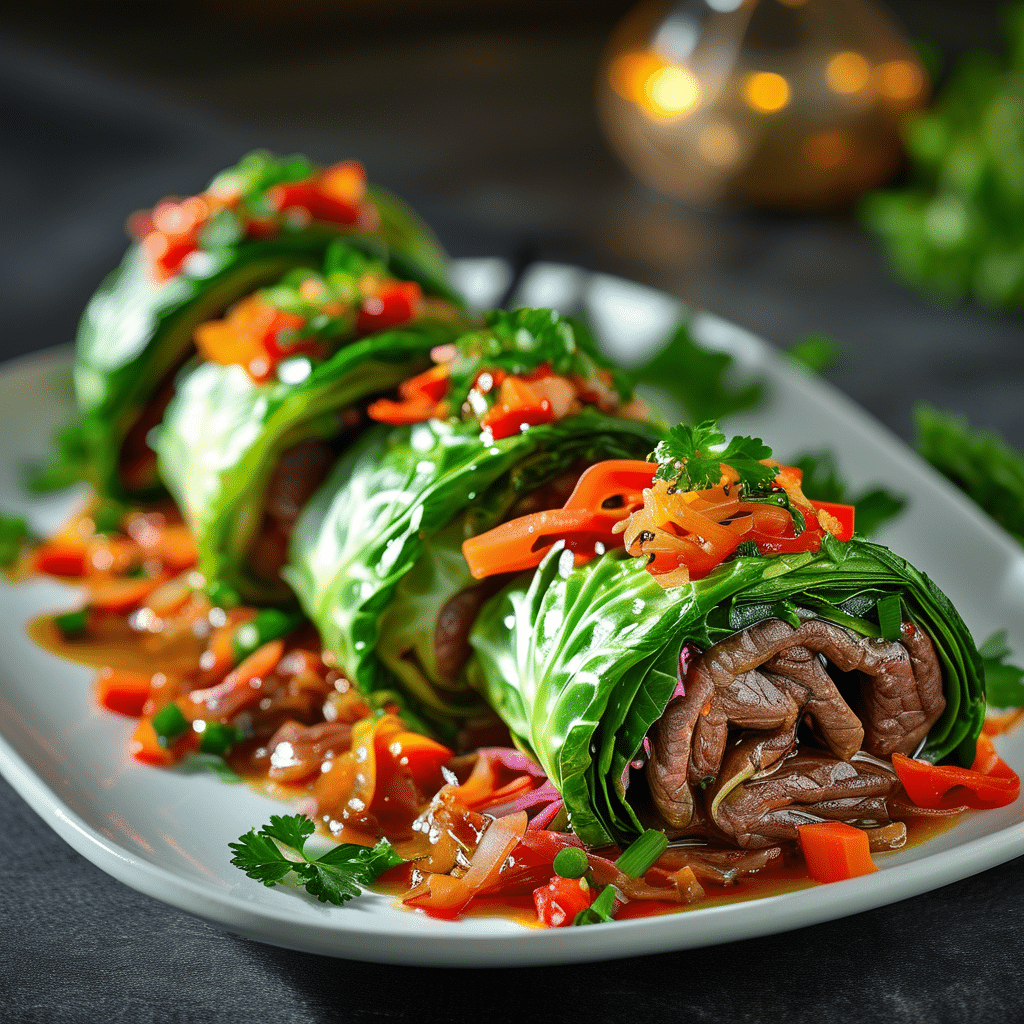
Welcome, food adventurers and comfort food connoisseurs! There are few dishes that can evoke such a sense of warmth, history, and wholesome goodness quite like a well-crafted beef and cabbage dish. But today, we’re zeroing in on a true weeknight champion that’s bursting with flavor, easy to prepare, and incredibly versatile: the Beef and Cabbage Stir Fry. This delightful combination of savory beef and crisp-tender cabbage isn’t just a meal; it’s a culinary hug that satisfies both your taste buds and your craving for a hearty, healthy dinner.
Whether you’re looking for a quick, healthy one-pan beef dinner, a low carb beef and cabbage recipe, or simply a delicious way to enjoy two humble yet powerful ingredients, you’ve come to the right place. Get ready to explore the rich history, incredible nutritional benefits, and masterful techniques behind transforming simple beef and cabbage into an unforgettable culinary experience.
The Fascinating History of Beef and Cabbage
Origins in Irish and Eastern European Cuisine
The marriage of beef and cabbage is far from a modern invention. Its roots stretch back centuries, deeply embedded in the culinary traditions of various cultures, most notably Irish and Eastern European cuisines. In these regions, cabbage was a readily available, inexpensive, and nutritious staple, particularly during colder months. Beef, often preserved or slow-cooked, provided essential protein and richness.
Dishes like old fashioned beef and cabbage stew were born out of necessity and ingenuity, transforming humble ingredients into deeply flavorful and satisfying meals. These were the quintessential peasant dishes, designed to be nourishing, economical, and cooked slowly over a fire, feeding families with robust flavors and comforting textures. The braised cabbage and beef, whether simmered in a pot or prepared in a cast iron skillet, became synonymous with warmth and sustenance during long, harsh winters.
Evolution into Modern Comfort Food
As culinary traditions evolved and ingredients became more accessible, the beef and cabbage duo transcended its utilitarian origins. It traveled across continents with immigrants, adapting to new spices, cooking methods, and palates. From the hearty, slow-cooked stews of Eastern Europe, it found new expressions, influencing dishes across the globe.
Today, the classic pairing has been reinterpreted in countless ways, becoming a beloved modern comfort food. We see it in quick skillet stir-fries, flavorful casseroles, and even deconstructed versions of traditional favorites like unstuffed cabbage rolls. This evolution speaks to the enduring appeal of its core flavors and the versatility of its components, proving that some food combinations are simply timeless.
Nutritional Benefits of This Power Combo
Beyond its delicious taste and comforting appeal, a Beef and Cabbage Stir Fry is a nutritional powerhouse, making it an excellent choice for a healthy, balanced diet. It’s a fantastic option for those seeking low carb beef and cabbage recipes or a fulfilling meal that supports an active lifestyle.
Protein-Packed Beef Profiles
Beef is renowned for being an excellent source of high-quality protein, which is essential for muscle repair, growth, and overall bodily function. It provides all nine essential amino acids, making it a complete protein. Additionally, beef is rich in vital micronutrients such as:
- Iron: Crucial for oxygen transport in the blood.
- Zinc: Supports immune function and wound healing.
- B Vitamins (B12, Niacin, B6): Important for energy metabolism and nervous system health.
When you choose leaner cuts for your stir-fry, you maximize these benefits while keeping fat content in check, making it a smart choice for a healthy one-pan beef dinner.
Vitamin-Rich Cabbage Perks
Cabbage, often overlooked, is a nutritional superstar in its own right. This humble cruciferous vegetable is packed with vitamins, minerals, and antioxidants, offering a host of health benefits:
- Vitamin C: A powerful antioxidant that boosts immunity.
- Vitamin K: Essential for blood clotting and bone health.
- Fiber: Promotes digestive health and can help regulate blood sugar levels.
- Antioxidants: Such as sulforaphane, which may help reduce inflammation and protect against cellular damage.
Its crisp texture and mild, slightly peppery flavor make it a perfect complement to the richness of beef.
Low-Carb and Keto Advantages
For those following specific dietary plans, a Beef and Cabbage Stir Fry is a dream come true. Cabbage is inherently low in carbohydrates, and when paired with lean beef, it forms the basis of an ideal keto beef and cabbage stir fry or paleo beef and cabbage dish. By opting for low-sugar sauces and plenty of non-starchy vegetables, you can create a meal that is:
- Satisfying: High in protein and healthy fats to keep you full longer.
- Metabolism-Friendly: Supports stable blood sugar levels.
- Nutrient-Dense: Provides essential vitamins and minerals without excess carbs.
This makes it one of the most versatile and beneficial low carb beef and cabbage recipes available.
Delicious Variations to Try
The beauty of beef and cabbage lies in its incredible adaptability. While our focus today is on the vibrant stir-fry, it’s worth noting the many other delightful ways this power duo can be enjoyed.
Quick Skillet Stir-Fries
The Beef and Cabbage Stir Fry is a perfect example of a quick, flavor-packed skillet meal. Using thinly sliced beef and shredded cabbage, you can have a nutritious dinner on the table in under 30 minutes. Variations might include a savory ground beef and cabbage skillet, where the beef crumbles add a different texture and absorb flavors beautifully. These recipes are ideal for a busy weeknight, offering a healthy one pan beef dinner solution without sacrificing taste.
Hearty Slow-Cooked Stews
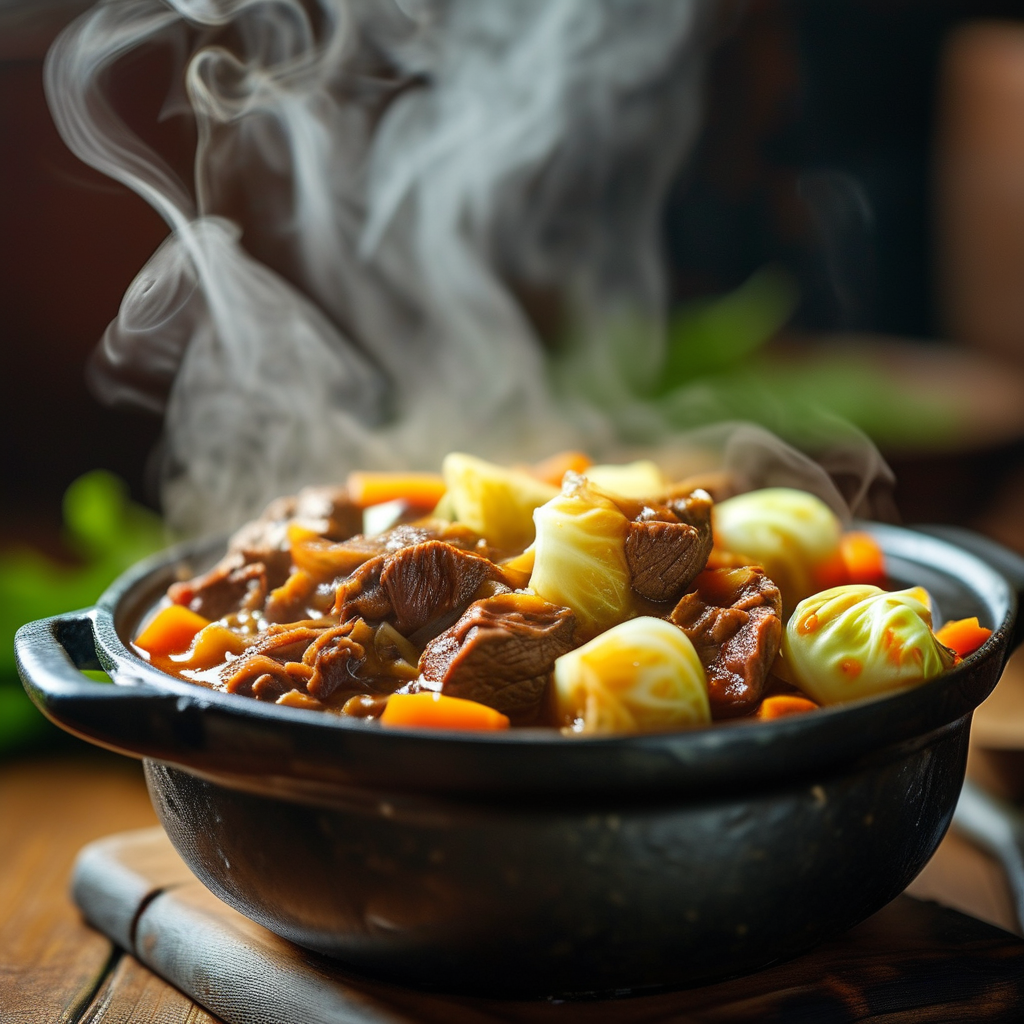
For those days when you crave deep, comforting flavors, a slow-cooked approach is the answer. Think of an old fashioned beef and cabbage stew, where chuck beef slowly braises to melt-in-your-mouth tenderness with chunks of sweet cabbage. This method allows the flavors to meld beautifully over time, creating a rich, aromatic broth. Even modern appliances have embraced this classic, with many enjoying the convenience of an instant pot beef and cabbage stew that delivers slow-cooked taste in a fraction of the time. The essence of braised cabbage and beef remains a testament to patience and simple ingredients.
Savory Stuffed Cabbage Rolls
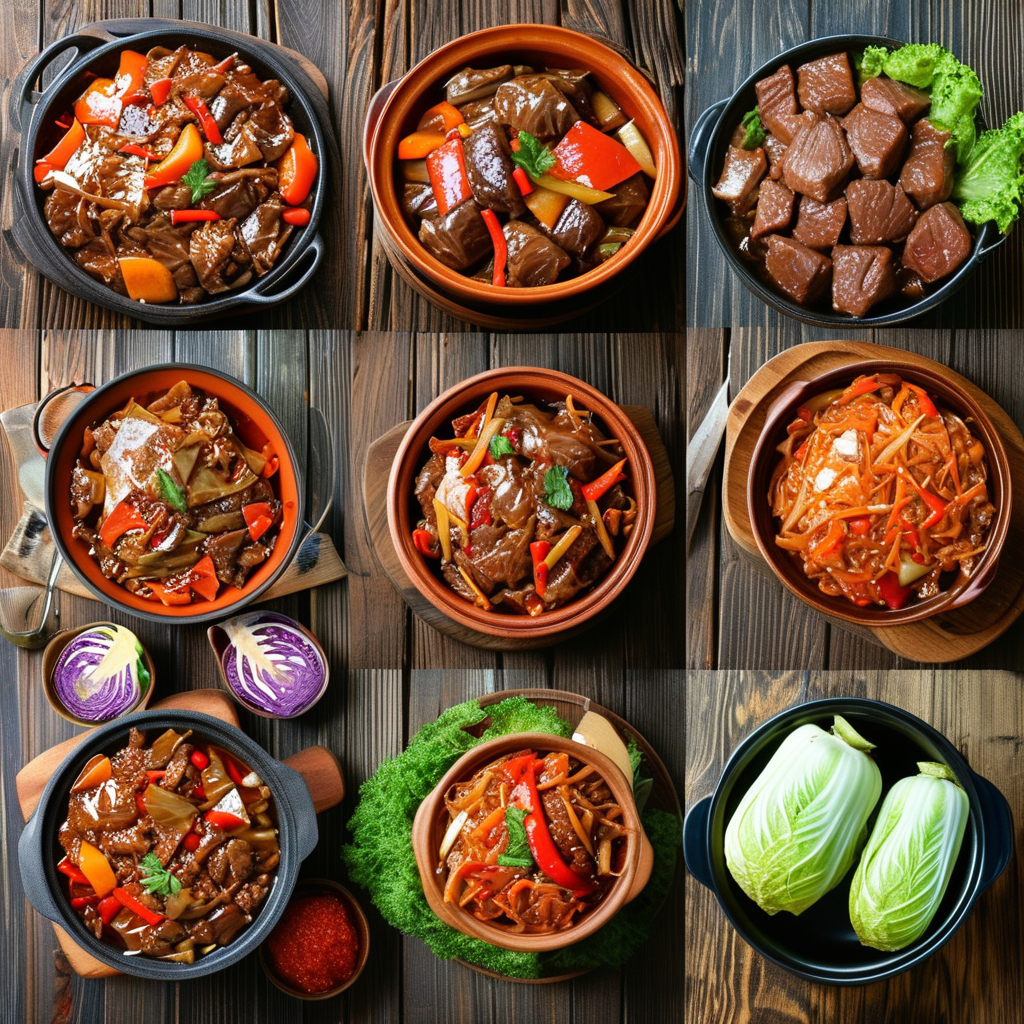
A true classic of Eastern European cuisine, stuffed cabbage rolls (often featuring beef) are a labor of love, but oh-so-rewarding. Cabbage leaves are gently steamed, then filled with a savory mixture of ground beef, rice, and seasonings, rolled, and slow-cooked in a tomato-based sauce. For a quicker, weeknight-friendly take, many opt for unstuffed cabbage rolls, where all the ingredients are layered or cooked together in a casserole or skillet, offering the same beloved flavors with less fuss.
Baked Casseroles and One-Pot Meals
Casseroles offer another wonderful avenue for beef and cabbage. Layered with potatoes, cheese, or other vegetables, baked beef and cabbage casseroles create a wholesome, family-style meal. The southern fried cabbage with beef is another fantastic skillet or one-pot option, where beef is browned and then cooked down with bacon fat (or beef tallow for extra flavor) and shredded cabbage until tender and infused with rich, smoky notes. These dishes are perfect for feeding a crowd or for meal prepping throughout the week.
Choosing the Right Ingredients
The success of any beef and cabbage dish, especially a vibrant stir-fry, hinges on selecting quality ingredients. Freshness and appropriate cuts are key.
Best Cuts of Beef for Stir-Frying vs. Stewing
- For Stir-Frying: You want tender, quick-cooking cuts that can be sliced thinly. Ideal choices include flank steak, sirloin steak, skirt steak, or tenderloin. These cuts respond well to high heat and quick cooking, ensuring a tender bite. For a ground beef and cabbage skillet, lean ground beef is perfect, ensuring flavor without excessive grease.
- For Stewing/Braising: For an old fashioned beef and cabbage stew or braised cabbage and beef, go for cuts that benefit from slow, moist heat to break down connective tissues and become incredibly tender. Chuck roast, short ribs, or beef shanks are excellent choices.
Selecting Fresh Cabbage Varieties (Green, Savoy, Napa)
The type of cabbage you choose can subtly alter the texture and flavor profile of your dish:
- Green Cabbage: The most common and versatile. It’s crisp, slightly peppery, and holds its shape well when cooked. Perfect for a classic Beef and Cabbage Stir Fry.
- Savoy Cabbage: Features crinkly, looser leaves and a milder, sweeter flavor. It’s more tender than green cabbage, making it a good choice if you prefer a softer texture in your stir-fry or stew.
- Napa Cabbage: With its elongated shape and tender, frilly leaves, Napa cabbage has a very mild, slightly sweet flavor. It cooks down quickly and is often used in Asian-inspired stir-fries, making it an excellent option for a more delicate Beef and Cabbage Stir Fry.
Essential Spices and Aromatics
To bring your beef and cabbage dish to life, don’t forget the flavor builders:
- Aromatics: Garlic, ginger, and onion are non-negotiables for adding depth and fragrance.
- Spices: Depending on the cuisine, black pepper, red pepper flakes for heat, paprika for color and warmth, or five-spice powder for an Asian twist can elevate your dish.
- Sauces: Soy sauce (or tamari for paleo/gluten-free), oyster sauce, sesame oil, and a touch of rice vinegar are key for a delicious stir-fry sauce.
Masterful Cooking Techniques
Achieving the perfect texture and flavor in your beef and cabbage dish depends heavily on the cooking technique employed. Each method brings out different qualities in the ingredients.
Searing for Flavor Retention
Searing is a critical first step for many beef and cabbage recipes, particularly stir-fries and stews. High heat quickly browns the surface of the beef, creating a delicious crust through the Maillard reaction. This process locks in juices and develops deep, savory flavors that form the foundation of your dish. When making a Beef and Cabbage Stir Fry, sear your beef in batches to avoid overcrowding the pan, which can steam the meat instead of browning it.
“Searing isn’t just about color; it’s about building layers of rich, complex flavor that permeate the entire dish.”
Braising for Tenderness
Braising is the go-to technique for turning tougher cuts of beef into incredibly tender, fall-apart perfection. After an initial sear, the beef is simmered slowly in a liquid (like broth or stock) with aromatics and vegetables, often for several hours. This gentle, moist heat breaks down connective tissues, resulting in a succulent texture. This is the hallmark of an old fashioned beef and cabbage stew or braised cabbage and beef, where the cabbage also softens beautifully, absorbing all the rich liquid.
Stir-Frying for Texture
Stir-frying is the ideal technique for a quick, vibrant Beef and Cabbage Stir Fry. It involves cooking ingredients rapidly over high heat in a wok or large skillet, with constant movement. This method preserves the crisp-tender texture of the cabbage and ensures the beef cooks quickly without becoming tough. The key is to have all your ingredients prepped (mise en place) before you start, as the cooking process is very fast. A good stir-fry yields perfectly cooked meat and vegetables that retain their vibrant color and a delightful crunch.
Classic Beef and Cabbage Stir Fry Recipe
Here’s how to create a mouthwatering Beef and Cabbage Stir Fry that’s perfect for any night of the week.
Ingredients:
- 1 lb lean beef (flank, sirloin, or ground beef), thinly sliced against the grain or crumbled
- 1 tbsp soy sauce (or tamari)
- 1 tsp sesame oil
- 1/2 tsp cornstarch (optional, for tenderizing beef)
- 1 tbsp olive oil or avocado oil
- 1 medium head green cabbage, cored and shredded (about 6-8 cups)
- 1 large carrot, julienned or shredded
- 1/2 onion, thinly sliced
- 3 cloves garlic, minced
- 1 tbsp fresh ginger, grated
- For the Sauce:
- 1/4 cup beef broth
- 2 tbsp soy sauce (or tamari)
- 1 tbsp oyster sauce (optional, for extra umami)
- 1 tbsp rice vinegar
- 1 tsp sugar or sweetener (optional, to balance flavors)
- 1/2 tsp red pepper flakes (optional, for heat)
- 1 tsp cornstarch (mixed with 1 tbsp cold water, for thickening)
- Green onions, chopped, for garnish
- Sesame seeds, for garnish
Step-by-Step Preparation:
- Marinate the Beef: In a bowl, combine the thinly sliced beef with 1 tbsp soy sauce, 1 tsp sesame oil, and 1/2 tsp cornstarch (if using). Mix well and let marinate for at least 15 minutes while you prepare other ingredients. If using ground beef, skip this step.
- Prepare the Sauce: In a small bowl, whisk together beef broth, 2 tbsp soy sauce, oyster sauce (if using), rice vinegar, sugar/sweetener (if using), and red pepper flakes (if using). Set aside.
- Cook the Beef: Heat 1 tbsp olive oil in a large wok or skillet over medium-high heat. Add the marinated beef (or ground beef) in a single layer without overcrowding. Cook for 2-3 minutes until browned and cooked through, stirring occasionally. Remove the beef from the skillet and set aside.
- Sauté Aromatics and Vegetables: Add a little more oil to the skillet if needed. Add sliced onion and cook for 2-3 minutes until softened. Add minced garlic and grated ginger, cooking for another minute until fragrant.
- Add Cabbage and Carrots: Add the shredded cabbage and julienned carrots to the skillet. Stir-fry for 5-7 minutes, until the cabbage starts to wilt but still retains a slight crispness.
- Combine and Sauce: Return the cooked beef to the skillet with the vegetables. Give the prepared sauce a quick whisk, then pour it over the beef and vegetables. Bring to a gentle simmer.
- Thicken the Sauce: Stir in the cornstarch slurry (1 tsp cornstarch mixed with 1 tbsp cold water) and cook, stirring constantly, for 1-2 minutes until the sauce thickens and coats the ingredients.
- Serve: Garnish with chopped green onions and sesame seeds. Serve immediately.
Pro Tips for Tender Meat:
- Slice Against the Grain: For stir-fry, always slice beef thinly against the grain. This shortens the muscle fibers, resulting in more tender meat.
- Don’t Overcrowd the Pan: Cook beef in batches if necessary. Overcrowding lowers the pan temperature, steaming the meat instead of searing it, leading to a tougher texture.
- Cornstarch Marinade: A small amount of cornstarch in the marinade (often called “velveting”) creates a protective coating on the beef, helping it retain moisture and resulting in incredibly tender stir-fried meat.
- Cook Quickly: Stir-fry beef for only a few minutes until just cooked through. Overcooking will make it tough.
Perfect Pairing Suggestions
Traditional Side Dishes (Potatoes, Rice, Bread)
A Beef and Cabbage Stir Fry is a meal in itself, but it pairs wonderfully with a variety of side dishes. For a traditional, hearty accompaniment, consider:
- Steamed Rice: White or brown rice is a classic choice, perfect for soaking up the flavorful sauce.
- Cauliflower Rice: For a low-carb or keto beef and cabbage stir fry, cauliflower rice is an excellent, light alternative.
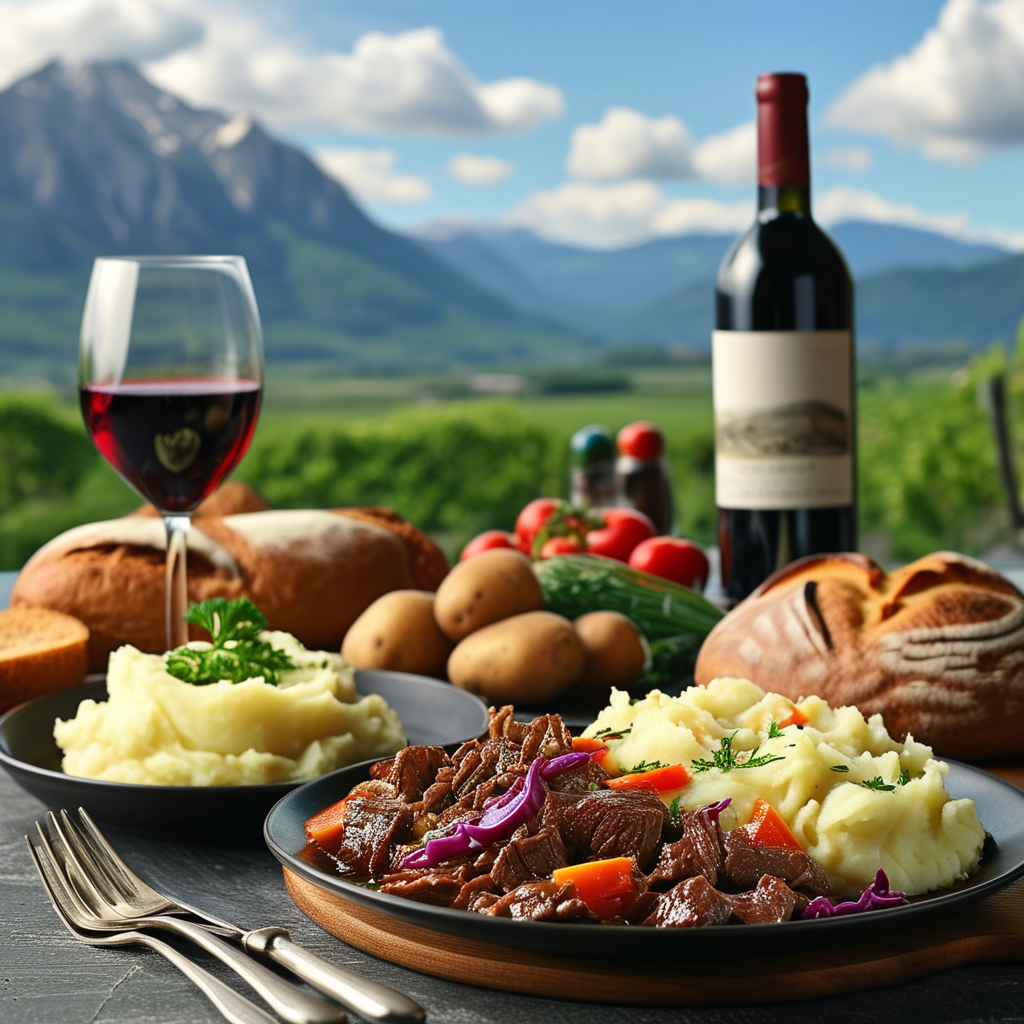
- Potatoes: Mashed or roasted potatoes can add a comforting starch component, reminiscent of old fashioned beef and cabbage stew pairings.
- Crusty Bread: A good loaf of bread is ideal for scooping up every last bit of the savory sauce, especially with a braised cabbage and beef dish.
Wine and Beverage Pairings
The savory, umami-rich flavors of beef and cabbage stir-fry call for beverages that can complement without overpowering:
- Wine: A light-bodied red such as a Pinot Noir or a dry Riesling can cut through the richness. For something bolder, a Merlot or Cabernet Franc works well with beef.
- Beer: A crisp lager, a brown ale, or even a robust stout (especially with a stew) can be a delightful pairing.
- Non-Alcoholic: Green tea, sparkling water with a hint of lemon, or even a ginger ale can be refreshing choices.
Storage and Reheating Tips for Meal Prep
This Beef and Cabbage Stir Fry makes for excellent meal prep, offering a healthy one-pan beef dinner solution for busy days.
- Storage: Allow the stir-fry to cool completely. Transfer it to airtight containers and refrigerate for up to 3-4 days.
- Reheating: Gently reheat in a skillet over medium heat, stirring occasionally, until warmed through. You can add a splash of beef broth or water if it seems dry. Alternatively, microwave on medium power, stirring halfway, until hot.
- Freezing: While the beef freezes well, cabbage can become quite soft and watery after freezing and thawing. For best results, it’s generally not recommended to freeze a stir-fry that heavily features cabbage if you desire a crisp texture. However, for an instant pot beef and cabbage stew, freezing is perfectly fine as the softened texture is desired.
Frequently Asked Questions
What are the best beef cuts for this dish?
For a quick Beef and Cabbage Stir Fry, flank steak, sirloin steak, or skirt steak are excellent choices due to their tenderness when sliced thinly and cooked quickly. For a ground beef and cabbage skillet, lean ground beef is ideal. If you’re making a stew or braised dish, opt for tougher cuts like chuck roast or short ribs that benefit from slow cooking.
Can I use red cabbage instead of green?
Yes, you can certainly use red cabbage! It will impart a slightly different flavor (often a bit more peppery) and a beautiful vibrant color to your Beef and Cabbage Stir Fry. Be aware that the color may bleed slightly into the other ingredients. Functionally, it works just as well as green cabbage in stir-fries and other beef and cabbage recipes.
Is this recipe suitable for freezing?
The beef component of the stir-fry freezes well. However, cabbage tends to lose its crisp texture and can become watery and mushy upon thawing, making it less ideal for a stir-fry that relies on a fresh, crisp-tender texture. For this reason, it’s generally best enjoyed fresh or refrigerated for up to 3-4 days. For dishes like instant pot beef and cabbage stew where a softer texture is expected, freezing is perfectly suitable.
How do I prevent the cabbage from getting soggy?
To prevent your cabbage from getting soggy in a Beef and Cabbage Stir Fry:
- High Heat: Ensure your wok or skillet is very hot before adding the cabbage.
- Don’t Overcrowd: Cook the cabbage in batches if necessary, allowing it to cook quickly rather than steam.
- Quick Cooking: Stir-fry the cabbage for only 5-7 minutes, until it’s just wilted but still retains a crisp-tender bite. You want it cooked through, not soft.
- Drain Excess Moisture: If cabbage releases a lot of water, drain it quickly before adding the sauce.
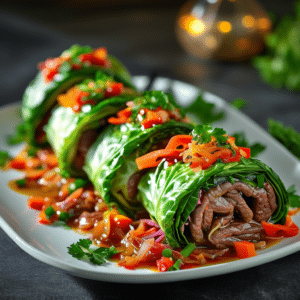
Classic Beef and Cabbage Stir Fry
Ingredients
- 1 lb flank steak or top sirloin thinly sliced against the grain
- 1 medium head green cabbage cored and roughly chopped or shredded
- 2 tbsp vegetable oil divided for cooking
- 1 medium yellow onion sliced into strips
- 2 cloves garlic minced
- 1 tbsp fresh ginger grated
- 1/4 cup soy sauce or tamari for gluten-free
- 1 tbsp sesame oil for finishing
- 1 tbsp toasted sesame seeds optional garnish
Instructions
- In a small bowl, whisk together the soy sauce, minced garlic, and grated ginger. Set aside.
- Heat 1 tablespoon of vegetable oil in a large skillet or wok over high heat. Add the sliced beef in a single layer and sear for 2-3 minutes until browned. Remove the beef from the pan and set aside.
- Add the remaining 1 tablespoon of oil to the same skillet. Add the sliced onion and cook for 2 minutes until slightly softened.
- Add the chopped cabbage to the skillet. Stir-fry for 4-5 minutes until the cabbage is tender-crisp but not soggy.
- Return the cooked beef to the skillet and pour the sauce mixture over the ingredients. Toss everything together for 1-2 minutes to coat evenly and heat through.
- Remove from heat and drizzle with sesame oil. Garnish with toasted sesame seeds before serving.
For more daily recipes and tips, follow us on Facebook!
Click here to join our community!