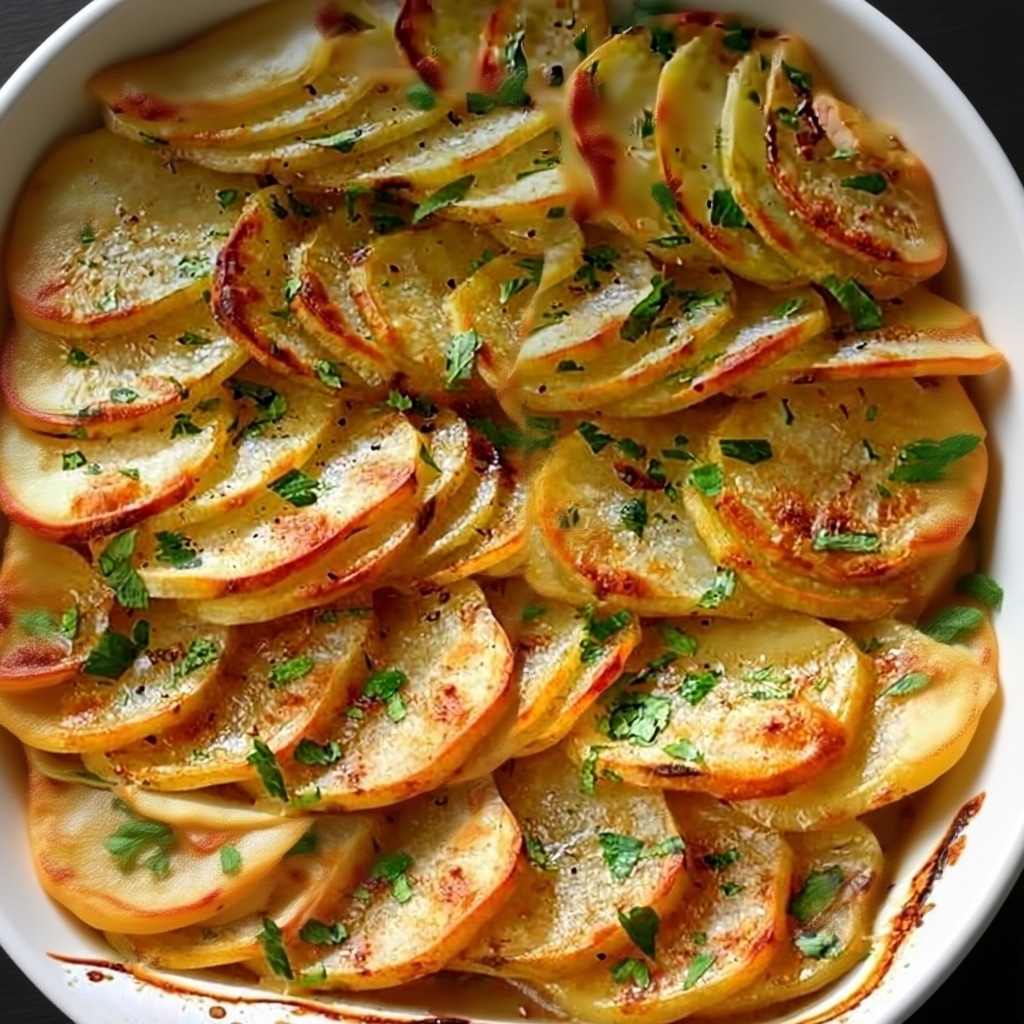
Imagine a dish that brings comfort and elegance to any table. Picture golden-brown, bubbly edges, a crust of perfectly melted cheese, and tender, thinly sliced potatoes swimming in a rich, aromatic cream sauce, subtly infused with fresh herbs. This isn’t just a dream; it’s the reality of a perfectly executed Baked Potato Gratin with Herbs. Forget your usual mashed potatoes; this elevated side dish is poised to become your new holiday staple.
Whether you’re planning a festive Thanksgiving or Christmas feast, hosting a special dinner party, or simply craving a sophisticated yet utterly comforting meal for a cozy Sunday, this recipe delivers. It’s an impressive creation that looks complex but is surprisingly simple to master. This comprehensive guide will arm you with a foolproof recipe, expert tips, and variations for the absolute best-ever Baked Potato Gratin with Herbs.
What Exactly is a Potato Gratin?
The French Tradition of ‘Au Gratin’
The term ‘au gratin’ originates from French cuisine and literally means “by grating” or “with a crust.” It refers to any dish baked with a topping—typically breadcrumbs, cheese, or both—that forms a crisp, browned crust. This technique adds a delightful textural contrast, turning simple ingredients into something truly special. For potatoes, this means a tender interior beneath a gloriously crunchy and savory top.
Potato Gratin vs. Scalloped Potatoes: Clearing the Confusion
While often used interchangeably, potato gratin and scalloped potatoes have distinct differences. Traditionally, scalloped potatoes are simpler, baked in a rich milk or cream sauce without cheese or a browned top. They rely on the potato starch to thicken the liquid. A potato gratin, on the other hand, almost always includes cheese, often a combination of Gruyère and Parmesan, resulting in that iconic golden, bubbly crust. Our recipe for Baked Potato Gratin with Herbs merges the best of both worlds, infusing creamy layers with vibrant fresh herbs and a irresistible cheesy topping.
Why This Herbed Version is a Game-Changer
The addition of fresh herbs transforms a classic rich potato dish into a complex and aromatic masterpiece. Herbs like rosemary and thyme infuse the creamy sauce with an earthy, fragrant depth that complements the potatoes perfectly, making this an unforgettable garlic herb potato gratin. It’s a sophisticated twist on a beloved comfort food, making it an ideal choice for elegant potato side dishes.
Why You’ll Love This Recipe
- Elegant & Impressive: This layered potato and cheese casserole is a show-stopping side that looks incredibly sophisticated, fooling everyone into thinking you spent hours in the kitchen.
- Incredibly Flavorful: Each bite delivers tender potato, rich cream infused with garlic, and a delightful symphony of fresh herbs, all crowned with a savory, cheesy crust.
- Perfect for Entertaining: One of the best features of this holiday potato side dish is that it can be prepped or even fully made ahead of time, significantly reducing stress on the day of your event. This makes it a fantastic make-ahead potato gratin.
- Customizable: Easily adapt this creamy potato gratin recipe with different cheeses, a variety of herbs, or even additional vegetables to suit your taste.
The Anatomy of a Perfect Gratin: Ingredient Breakdown
The Star Player: Choosing the Right Potatoes
The type of potato you choose is crucial for a perfect gratin. Potatoes fall into two main categories: starchy and waxy.
- Starchy Potatoes (e.g., Russets): High in starch, they become wonderfully fluffy when cooked and absorb liquid readily. This can lead to a very creamy, almost collapsing texture. A russet potato gratin recipe will be very tender.
- Waxy Potatoes (e.g., Red Bliss, Fingerlings): Lower in starch, they hold their shape well after cooking, resulting in a firmer texture.
Our Recommendation: For the ideal balance of creamy tenderness and structural integrity, Yukon Gold potatoes are our top choice. They have a medium starch content, a buttery flavor, and maintain their form beautifully while still becoming incredibly tender, making for an excellent yukon gold potato gratin.
The Creamy Foundation: Dairy Choices
The liquid base is what transforms simple potatoes into a luscious gratin. We recommend a blend of heavy cream and whole milk. Heavy cream provides unparalleled richness and body, while whole milk lightens it slightly without compromising flavor, helping to create a sauce that’s both indulgent and perfectly textured. For those looking for potato gratin without heavy cream, you can use a combination of whole milk and vegetable broth, though the texture will be less rich.
The Flavor Powerhouses: Herbs & Aromatics
- Garlic: Essential for any savory potato dish, fresh garlic cloves infused into the cream provide a pungent, warming base. This forms the backbone of our garlic herb potato gratin.
- Fresh Herbs: The stars of this dish! Hardy herbs like thyme and rosemary are best infused into the cream for deep flavor. You can also add softer herbs like fresh parsley or chives right before serving for a burst of freshness. This creates an amazing rosemary and thyme potato gratin.
- Fresh vs. Dried Herbs: While fresh herbs are always preferred for their vibrant flavor, dried herbs can be substituted at roughly one-third the amount (e.g., 1 tsp dried for 1 tbsp fresh). However, for this particular Baked Potato Gratin with Herbs, fresh truly makes a difference.
The Cheesy Topping: Best Cheeses for Gratin
A glorious cheesy crust is a hallmark of a great gratin.
- Gruyère: The quintessential choice for potato gratin. Its nutty, slightly salty flavor and superb melting properties create a beautiful, even crust. Hence, the appeal of a potato gratin with gruyere and thyme.
- Parmesan: Adds a sharp, salty tang and contributes to that desirable crispy, golden-brown top. Many enjoy a delicious potato gratin parmesan.
- Other options: For variety, consider cheeses like Fontina, Comté, or even a sharp white cheddar for a more robust cheesy herb potato bake.
Step-by-Step Guide: Crafting Your Baked Potato Gratin with Herbs
Step 1: Preparation is Key (Mise en Place)
Begin by preheating your oven to 375°F (190°C). Lightly butter a 9×13 inch ceramic or glass baking dish (the best baking dish to use for potato gratin) and rub a cut garlic clove around the bottom and sides for an extra layer of flavor. The key to the perfect gratin is uniformly thin potato slices. A mandoline slicer is ideal for achieving paper-thin, even slices quickly and safely, which is crucial for how to slice potatoes for gratin. If using a sharp knife, take your time to ensure consistency. Do not rinse the sliced potatoes; the starch helps thicken the sauce.
Step 2: Infusing the Cream
In a medium saucepan, combine heavy cream, whole milk, minced garlic, and your hardy fresh herbs like rosemary and thyme. Gently heat the mixture over medium-low heat, stirring occasionally, until it’s warm and steamy but never boiling. This gentle warming allows the flavors to meld and infuse into the dairy without risking curdling. Season with salt and freshly ground black pepper.
Step 3: The Art of Layering
This is where the magic happens for your layered potato and cheese casserole. Arrange a single layer of thinly sliced potatoes in the prepared baking dish, slightly overlapping them. Season generously with salt and pepper. Sprinkle a portion of your grated Gruyère and Parmesan over the potatoes. Repeat this process, creating even layers of potatoes, seasoning, and cheese, until all the potatoes are used. Pour the warm, infused cream mixture evenly over the layered potatoes, ensuring it seeps down through the layers. Top with the remaining cheese.
Step 4: Baking to Golden Perfection
Cover the baking dish tightly with aluminum foil and bake for 45-50 minutes. This initial covered bake allows the potatoes to cook through and become tender in the creamy sauce. After this time, remove the foil and continue baking for another 25-35 minutes, or until the top is beautifully golden-brown and bubbly. To check for doneness, insert a thin knife into the center; the potatoes should be incredibly tender with no resistance. This ensures your au gratin potatoes with fresh herbs are perfectly cooked.
Step 5: The Crucial Resting Period
Once baked, remove the gratin from the oven and let it rest for 10-15 minutes before serving. This resting period is vital, allowing the creamy sauce to set and the layers to firm up, making it much easier to slice and serve cleanly. Skipping this step can result in a more fluid, messy presentation.
Pro-Tips from a Culinary Expert
- Embrace the Mandoline: For consistent, paper-thin potato slices, a mandoline is a game-changer. This consistency ensures even cooking and a beautiful presentation. It’s the secret to how to make potato gratin from scratch look professional.
- Don’t Rinse Your Potatoes: Unlike some potato preparations, leave the surface starch on your sliced potatoes. This starch acts as a natural thickening agent for the creamy sauce, preventing a watery gratin.
- Grate Your Own Cheese: Pre-shredded cheeses often contain anti-caking agents (like cellulose) that can prevent smooth melting and sometimes lead to a grainy texture. Freshly grated cheese melts beautifully and tastes better.
- Season Generously: Potatoes absorb a lot of salt. Be bold with your seasoning at each layer, not just the top. Taste your infused cream before layering.
- Don’t Overfill the Dish: Leave at least half an inch of space at the top of your baking dish to prevent the creamy sauce from bubbling over during baking.
Variations and Customizations
For the Meat Lover
Elevate your Baked Potato Gratin with Herbs by adding crispy bacon or pancetta. Cook it until crisp, crumble, and sprinkle between potato layers for a smoky, savory depth.
Add More Veggies
Thinly sliced sweet potatoes can be layered in with regular potatoes for a touch of sweetness and color. Sautéed onions or fennel also make wonderful additions, complementing the herbs and cheese.
Spice It Up
A small pinch of freshly grated nutmeg in the cream mixture adds a classic, warm note. For a subtle kick, a dash of cayenne pepper or smoked paprika can introduce a gentle heat and extra flavor dimension.
Make it Lighter
For a lighter version, replace some of the heavy cream with whole milk or even a good quality vegetable broth. While the texture will be less rich, it can still be a delicious and satisfying simple baked potato casserole. Be mindful that lower-fat milks are more prone to curdling, so ensure very gentle heating.
Serving, Storing, and Reheating
What to Serve with Baked Potato Gratin
This rich and flavorful dish pairs wonderfully with a variety of main courses. It’s an excellent companion to roast chicken, seared steak, baked ham, pork loin, or even a simple pan-seared fish. Always serve it alongside a fresh, crisp green salad with a vinaigrette to cut through the richness and balance the meal. It truly is one of the most versatile comfort food recipes.
Make-Ahead Instructions
To prepare this easy potato gratin with herbs ahead of time, assemble the entire dish as instructed, but do not bake it. Cover tightly with plastic wrap and refrigerate for up to 24 hours. Let it come to room temperature for about 30 minutes before baking, then proceed with the baking instructions.
Storing Leftovers
Store any leftover Baked Potato Gratin with Herbs in an airtight container in the refrigerator for up to 3-4 days.
The Best Way to Reheat
For best results, reheat individual portions in the oven. Place leftovers in an oven-safe dish, cover with foil, and bake at 325°F (160°C) for 20-30 minutes, or until heated through. Uncover for the last 5-10 minutes if you want to crisp up the topping again. Avoid the microwave if possible, as it can make the potatoes rubbery and the sauce less creamy.
Frequently Asked Questions (FAQ)
Q1: Why is my potato gratin watery or curdled?
A watery gratin can be caused by using too much low-fat dairy, not enough cheese, or not letting the gratin rest after baking. Curdling often happens if the cream mixture is boiled too vigorously, or if you use pre-shredded cheese with anti-caking agents that interfere with smooth melting. To avoid this, use full-fat dairy, heat gently, and grate your own cheese.
Q2: Do I have to peel the potatoes for gratin?
For Yukon Gold potatoes, their thin skins can be left on for a more rustic look and added nutrients, if desired. For starchy potatoes like Russets, it’s generally recommended to peel them as their skins are tougher and can detract from the creamy texture of the gratin.
Q3: Can I freeze potato gratin?
While dairy-heavy dishes can sometimes develop a slightly grainy texture after freezing and thawing, you can freeze potato gratin. It’s best to bake it completely first, let it cool, then wrap it tightly in foil and plastic wrap. Freeze for up to 3 months. Thaw overnight in the refrigerator and reheat gently in the oven.
Q4: How do I know when the gratin is fully cooked?
Your gratin is fully cooked when the edges are bubbling vigorously, the top is beautifully golden-brown and crisp, and a thin knife or skewer inserted into the center of the dish slides through the potatoes with absolutely no resistance. The potatoes should be uniformly tender throughout.
Q5: What is the best baking dish to use for potato gratin?
Ceramic or glass baking dishes (such as a 9×13 inch casserole dish) are ideal for potato gratin. They provide even heat distribution, ensuring the potatoes cook uniformly, and also offer an attractive presentation straight from oven to table.
Conclusion: The Perfect Potato Dish Awaits
You now have all the tools to create a truly exceptional Baked Potato Gratin with Herbs. This dish is more than just a side; it’s a statement—elegant, deeply flavorful, and incredibly satisfying. Whether for a festive gathering or a cozy family meal, this recipe promises to impress. Go ahead, gather your ingredients, and transform humble potatoes into a culinary masterpiece. We encourage you to try this amazing thanksgiving potato gratin and share your experience with us!
For more daily recipes and tips, follow us on Facebook!
Click here to join our community!