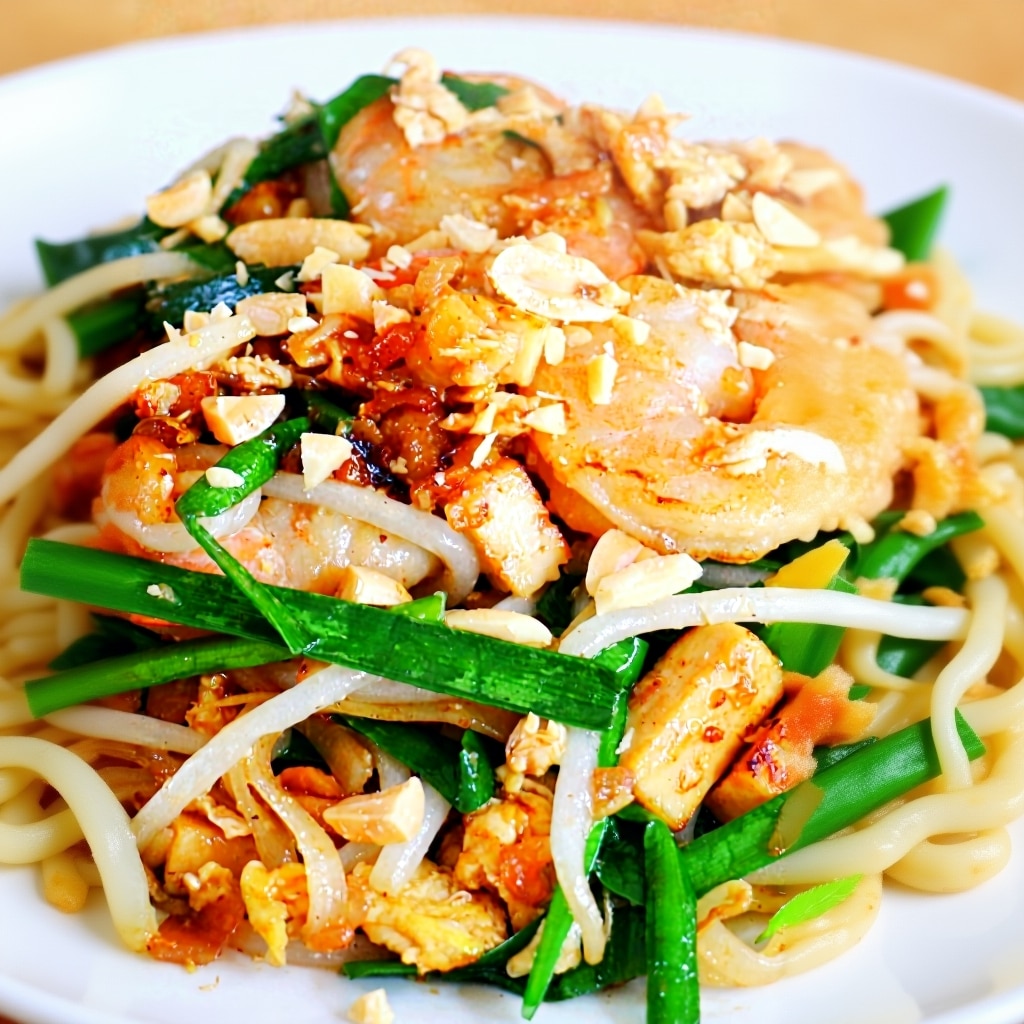
Have you ever taken that first bite of Pad Thai in a bustling Bangkok street market? The chaotic symphony of sizzling woks, fragrant spices, and lively chatter fading into the background as an explosion of sweet, sour, salty, and savory flavors dances on your tongue? It’s an unforgettable experience that often leaves home cooks and takeout enthusiasts yearning for that same authentic magic. If your attempts at homemade Pad Thai have fallen short, tasting more like a sugary noodle dish than the complex, balanced masterpiece you crave, you’re not alone. The secret to a truly authentic Pad Thai recipe isn’t just a list of ingredients; it’s a deep understanding of flavor balance and the critical role each component plays. Get ready to unlock the true taste of Thailand, right in your own kitchen.
What Exactly is Pad Thai?
The National Dish of Thailand
Pad Thai, or Phad Thai as it’s sometimes transliterated, is more than just a stir-fried noodle dish; it’s a culinary symbol of Thailand. Its origins trace back to the 1930s and 40s during a period of nationalistic fervor under Prime Minister Plaek Phibunsongkhram. As part of a campaign to promote Thai identity and reduce rice consumption (due to a post-WWII shortage), the government encouraged citizens to eat rice noodles. Thus, Pad Thai was born, ingeniously blending various culinary influences into a uniquely Thai creation. It became a staple, an accessible and delicious meal that embodied the spirit of the nation.
Deconstructing the Flavors: Sweet, Sour, Salty, and Savory
At its heart, authentic Pad Thai embodies the quintessential Thai philosophy of balancing contrasting flavors. It’s a harmonious interplay that tantalizes every part of your palate. Forget the overly sweet versions; a truly great thai street food recipe like Pad Thai should hit all the notes: the bright tang of tamarind (sour), the deep umami and salinity of fish sauce (salty), the caramel warmth of palm sugar (sweet), and the rich complexity of aromatics and other special ingredients (savory). This intricate dance of flavors is what defines the dish and elevates it far beyond a simple noodle stir-fry. Understanding this balance is the first step to mastering your own best Pad Thai recipe.
The Heart of Pad Thai: The Perfect Sauce
If Pad Thai has a soul, it resides in its sauce. This isn’t just a matter of adding a few condiments; it’s about crafting a perfectly balanced elixir that will coat every strand of noodle with incredible depth. A well-made pad thai sauce recipe is the single most critical component in achieving that coveted authentic flavor.
Why These 3 Ingredients are Non-Negotiable
- Tamarind Paste: This is the undisputed star of the sour profile. Made from the fruit of the tamarind tree, it offers a unique, fruity tang that is distinct from lime or vinegar. You’ll typically find it as a concentrate (thick, dark paste) or as a block of pulp. If using pulp, you’ll need to soak it in warm water and press out the solids to create a smooth liquid. Without tamarind, your homemade Pad Thai will lack its characteristic zing.
- Palm Sugar: Forget white granulated sugar. Palm sugar for cooking provides a nuanced, caramel-like sweetness that’s less cloying and far more complex. It’s traditionally sold in solid blocks or discs. Gently shave or chop it before melting it into your sauce. This subtle sweetness is crucial for balancing the sour and salty elements.
- Fish Sauce: The backbone of savory flavor and saltiness in Thai cuisine, fish sauce is essential. Made from fermented anchovies, it provides a deep umami punch. Choose a good quality brand for the best results; look for brands with higher protein content and fewer artificial additives. It’s what gives Pad Thai its distinct savory character.
The Secret Sauce Recipe & How to Balance It
While exact measurements can vary based on the specific brand of tamarind or fish sauce, the key is understanding the ratios and tasting as you go. A typical pad thai sauce ingredients list will involve a careful blend of tamarind paste, palm sugar, and fish sauce, often with a touch of water to loosen. The ‘secret’ isn’t just the ingredients, but how you balance them.
“When making Pad Thai sauce, think of it as a symphony. Tamarind is your bright, sharp violins, palm sugar the mellow, grounding cellos, and fish sauce the deep, resonant bass. They must all play together in harmony, with none overpowering the others.”
Taste your sauce before adding it to the wok. Does it make your mouth water with a perfect blend of sweet, sour, and salty? It should be vibrant and intense, as it will mellow slightly once it coats the noodles.
Gathering Your Authentic Pad Thai Ingredients
Beyond the sauce, the quality and preparation of every other ingredient are paramount. This phad thai recipe relies on specific components to achieve its signature texture and flavor.
The Foundation: Noodles & Protein
- Rice Noodles for Pad Thai: You’ll want medium-width flat rice stick noodles, typically labeled “rice vermicelli” or “Pad Thai noodles.” The most critical step here is rehydration, not boiling. Soak them in warm (not hot!) water for 20-30 minutes, or until pliable but still firm. They should be flexible enough to bend without breaking but still have a slight bite. They will finish cooking in the wok, so avoid mushiness at all costs.
- Protein: Our recipe features classic shrimp and extra-firm tofu. For the shrimp, choose fresh, medium-sized shrimp, peeled and deveined. For the tofu, press it thoroughly to remove excess water. This ensures it fries up nicely and absorbs the sauce without crumbling.
The Authentic ‘Secret’ Ingredients
- Dried Shrimp Uses: Don’t skip these! Small dried shrimp might seem unusual, but they provide an incredible depth of umami and a subtle briny flavor that’s a hallmark of authentic Pad Thai. Find them in Asian markets. A quick rinse and rough chop are all they need.
- Sweet Preserved Daikon Radish: This ingredient is a game-changer. Also found in Asian grocery stores, it’s a salty-sweet, crunchy pickled radish that adds a unique texture and flavor dimension often missing from Westernized versions. Chop it finely for optimal distribution.
Aromatics, Vegetables, and Garnishes
- Aromatics: Finely minced shallots and garlic form the foundational flavor base, imparting an aromatic sweetness and pungency when stir-fried.
- Vegetables: Fresh bean sprouts add crucial crunch. Some are stir-fried briefly, while others are served fresh as a garnish. Garlic chives (distinguished from regular chives by their flatter, wider leaves and garlicky flavor) lend a mild oniony bite and bright green color. If unavailable, regular chives or green onions can be a substitute, but the flavor profile will differ.
- Garnishes: These are not optional! Roasted chopped peanuts provide nutty crunch, fresh lime wedges offer a vital burst of acidity to brighten the dish, and chili flakes allow for customizable heat.
Step-by-Step Guide: How to Cook Authentic Pad Thai
Cooking with a wok (or a large, heavy-bottomed skillet) at high heat is key. This is where the magic happens quickly, so preparation is paramount.
Step 1: Mise en Place (Getting Everything Ready)
This cannot be stressed enough for Pad Thai. Everything happens at lightning speed once you start cooking. Have all your pad thai ingredients prepped and within arm’s reach (mise en place):
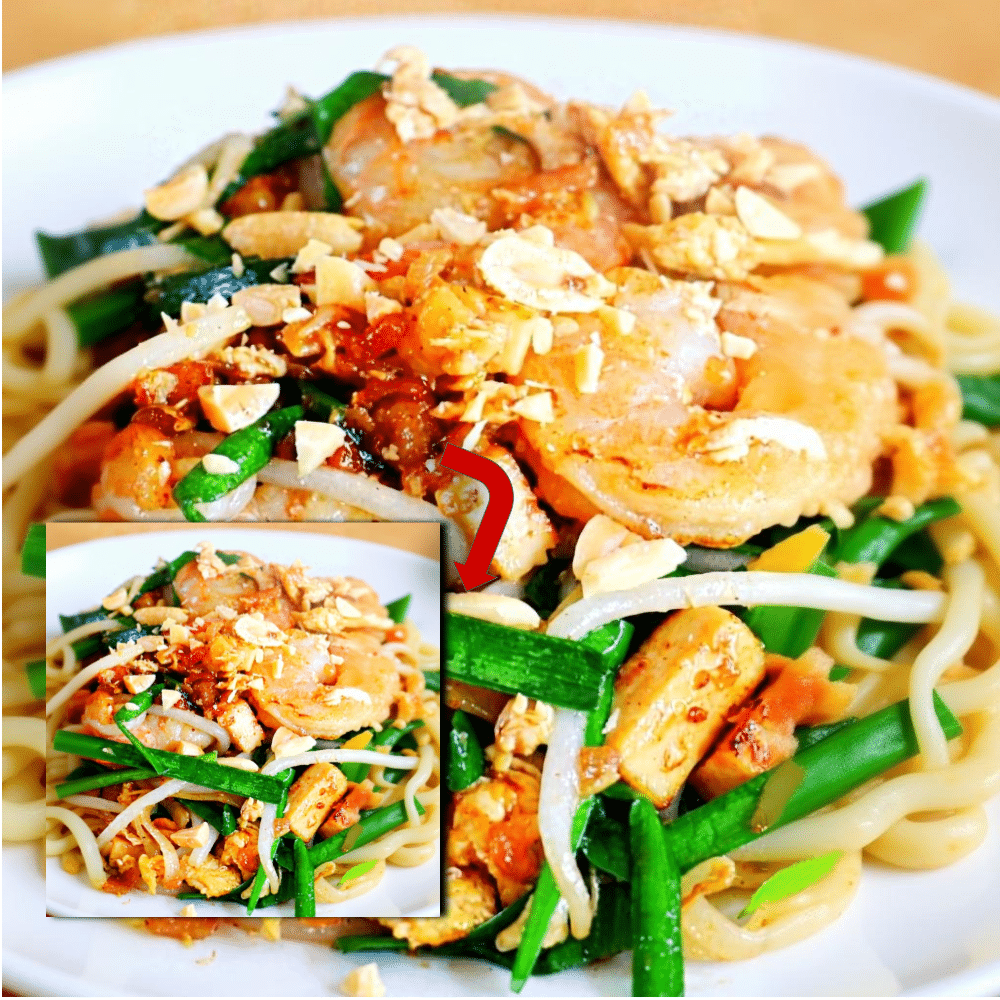
- Soak rice noodles until pliable, then drain thoroughly.
- Prepare your Pad Thai sauce.
- Chop shallots, garlic, dried shrimp, preserved radish, tofu, and garlic chives.
- Peel and devein shrimp.
- Have bean sprouts, peanuts, lime, and chili flakes ready for garnish.
Step 2: Cooking the Protein and Aromatics
Heat your wok or skillet over high heat until it just begins to smoke. Add a tablespoon or two of neutral oil.
- Add the pressed tofu and stir-fry until golden brown and slightly crispy. Remove and set aside.
- Add a little more oil if needed, then add the shallots, garlic, dried shrimp, and sweet preserved daikon radish. Stir-fry quickly until fragrant, about 30-60 seconds. This builds your foundational flavor.
Step 3: Stir-Frying the Noodles & Sauce
- Push the aromatics to one side of the wok. Add the shrimp to the empty space and cook for about 1 minute until they just start to turn pink.
- Add the rehydrated noodles to the wok. Pour the prepared Pad Thai sauce over the noodles.
- Using two spatulas or tongs, gently but quickly toss the noodles, lifting and folding to coat every strand evenly with the sauce. Be careful not to break the noodles. Continue stir-frying for 2-3 minutes until the noodles are tender but still chewy.
Step 4: The Egg and Finishing Touches
- Push the noodles to one side of the wok, creating an empty space. Add a touch more oil if necessary, then crack the egg(s) directly into the empty space. Scramble the egg(s) quickly until just set.
- Immediately incorporate the scrambled egg(s) into the noodles, tossing everything together.
- Add most of the bean sprouts (reserving some for garnish) and the chopped garlic chives. Toss quickly for another 15-30 seconds, just until the vegetables are slightly wilted but still crisp.
- Remove from heat immediately.
Pro Tips for Restaurant-Quality Results
- Use a Wok: While a large skillet can work, a traditional wok is ideal for thai fried noodles. Its high, sloped sides allow for constant tossing and even cooking, ensuring that “wok hei” (breath of the wok) smoky flavor.
- Don’t Crowd the Pan: This is crucial. If you’re making a larger batch, cook in two or more smaller batches. Overcrowding lowers the pan temperature, steaming the noodles instead of frying them, leading to a limp, unappealing texture. Our recipe is typically for 2 servings, perfect for a home wok.
- High Heat is Your Friend: Authentic stir-frying demands high heat. This ensures quick cooking, caramelization, and prevents ingredients from becoming watery.
- Taste and Adjust: Always taste your final dish. A squeeze of fresh lime juice can brighten the flavors, a dash more fish sauce can add saltiness, and a sprinkle of chili flakes can add heat.
Common Pad Thai Pitfalls and How to Avoid Them
- Problem: Mushy Noodles. Solution: This is often caused by over-soaking or boiling the noodles. Remember, soak them in warm water until they are just pliable and flexible, not soft. They will finish cooking in the hot wok.
- Problem: The Sauce is Too Sweet/Sour/Salty. Solution: Make the pad thai sauce recipe in a separate bowl and taste it before adding it to the wok. It’s much easier to adjust the balance (add more tamarind for sour, palm sugar for sweet, or fish sauce for salty) when it’s separate from the noodles.
- Problem: The Dish is Bland or Lacks Depth. Solution: You might have skipped some of the key “secret” ingredients like dried shrimp or preserved radish, which provide essential umami and texture. Also, using a low-quality fish sauce can result in a flat flavor profile.
Recipe Variations and Substitutions
While we champion the authentic Pad Thai recipe, it’s a versatile dish!
- For a Vegetarian/Vegan Pad Thai: Omit the shrimp and dried shrimp. For the fish sauce, use a high-quality vegan fish sauce or a combination of light soy sauce and a touch of white miso paste for umami. Increase the amount of pressed tofu and consider adding mushrooms for extra texture.
- Chicken or Pork Pad Thai: Simply substitute the shrimp with thinly sliced chicken breast or pork loin. Stir-fry the chicken or pork first until just cooked through, then remove and set aside before adding it back in at the end with the noodles.
- Tamarind Substitute: If you absolutely cannot find tamarind paste, a last-resort substitute could be a mix of rice vinegar and a little brown sugar, or lime juice with brown sugar. However, be aware that the flavor will be significantly different, as tamarind’s unique fruity sourness is hard to replicate. This will be a “Pad Thai-style” dish, but not truly authentic.
Frequently Asked Questions (FAQ)
What is the secret ingredient in Pad Thai?
There isn’t just one! The authentic, complex flavor of traditional Pad Thai comes from a symphony of ingredients, primarily a perfectly balanced sauce made with tamarind paste, palm sugar, and fish sauce, complemented by the unique umami of dried shrimp and the salty-sweet crunch of preserved daikon radish.
What makes Pad Thai taste authentic?
The authentic taste of Pad Thai comes from its impeccable balance of sweet, sour, salty, and savory flavors. The specific ingredients like tamarind for sourness, palm sugar for complex sweetness, and high-quality fish sauce for umami and saltiness are crucial, along with the correct noodle texture and the “wok hei” from high-heat stir-frying.
Is Pad Thai supposed to be sweet or savory?
Authentic Pad Thai is a masterful balance of both sweet and savory, with significant sour and salty notes. It should never be overwhelmingly sweet. The sweet from the palm sugar is balanced by the sour from tamarind and lime, and the savory umami from fish sauce and dried shrimp, creating a harmonious and complex flavor profile.
Can I make Pad Thai without tamarind paste?
While you can create a noodle dish without it, it won’t be an authentic Pad Thai recipe. Tamarind paste provides a unique, fruity, and tangy sourness that is difficult to replicate with other ingredients like lime or vinegar. It’s truly a non-negotiable for the traditional flavor.
Why are my Pad Thai noodles sticking together or mushy?
Mushy or sticky noodles are typically caused by overcooking them during the rehydration stage. For rice noodles for Pad Thai, soak them in warm (not boiling) water until they are pliable and flexible but still firm. They should not be soft. The noodles will finish cooking quickly in the hot wok, so a slight firmness beforehand is ideal to prevent them from becoming mushy.
Conclusion
Embarking on the journey to master an authentic Pad Thai recipe at home is incredibly rewarding. It’s a culinary adventure that brings the vibrant flavors of Thailand straight to your table. Remember the cornerstones: a perfectly balanced sauce built on tamarind, palm sugar, and fish sauce; properly rehydrated noodles; and the essential “secret” ingredients like dried shrimp and preserved radish. With a little practice, high heat, and careful attention to detail, you’ll be creating a traditional Pad Thai that rivals your favorite Thai restaurant. So grab your wok, gather your ingredients, and prepare to delight your taste buds with this iconic, deeply flavorful dish!
For more daily recipes and tips, follow us on Facebook!
Click here to join our community!