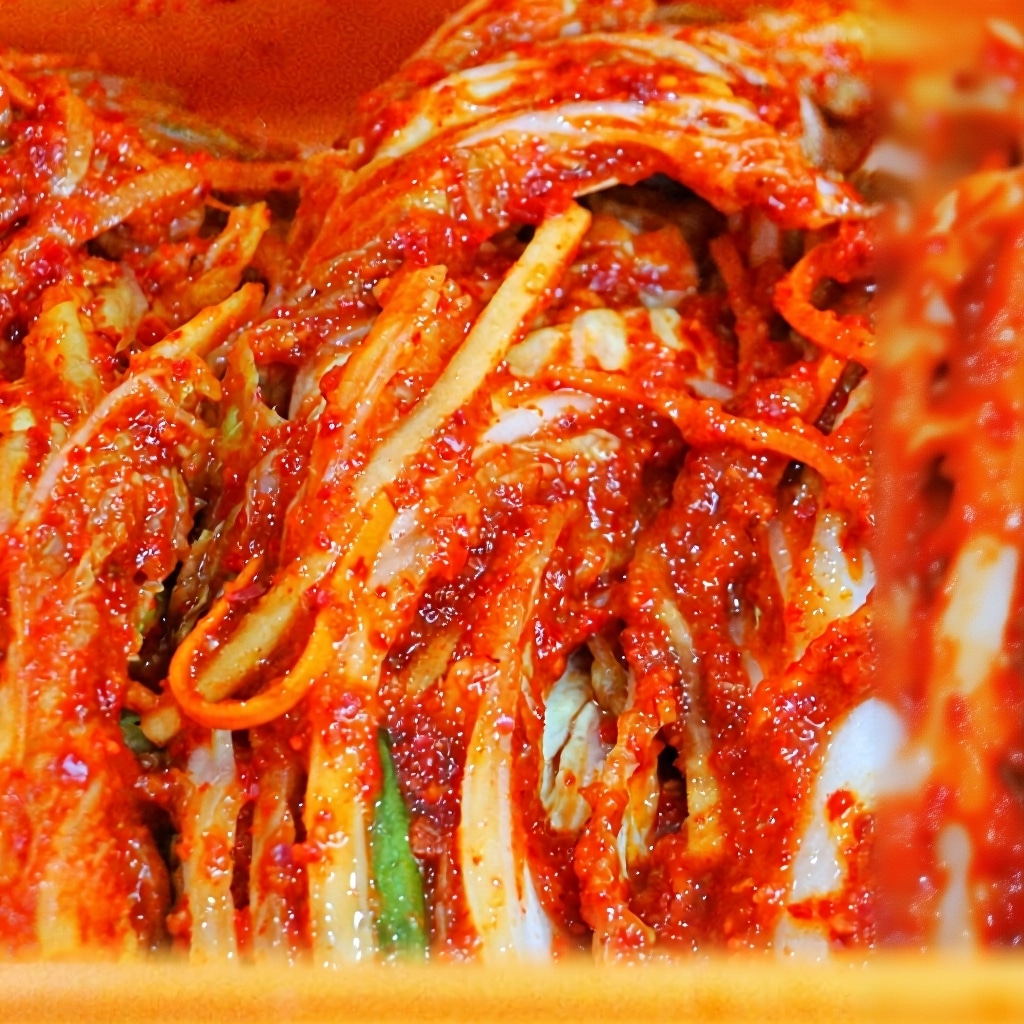
Welcome, fellow food adventurers and lovers of vibrant flavors! Have you ever dreamt of making that perfect, fiery, tangy, and utterly addictive Korean fermented cabbage right in your own kitchen? The kind that makes your taste buds sing and instantly transports you to the bustling markets of Seoul? Well, today, that dream becomes a delicious reality.
Kimchi, the beating heart of Korean cuisine, is more than just a side dish; it’s a culinary philosophy. And while many versions exist, finding a truly authentic kimchi recipe can feel like uncovering a hidden treasure. That’s precisely what we’re about to do! This detailed, step-by-step guide will walk you through making traditional napa cabbage kimchi (known as Baechu-Kimchi or Poggi Kimchi) that rivals the best you’d find in Korea. Forget bland imitations; this is the real deal, packed with umami and probiotic goodness, and it’s surprisingly foolproof, even for beginners.
What Exactly is Kimchi?
The Soul of Korean Cuisine
Kimchi is an indispensable Korean side dish (banchan) that graces virtually every meal, from breakfast to dinner. But its role extends far beyond accompaniment. It’s a staple, a comfort food, and a source of national pride. Its cultural significance is so profound that there’s even a traditional kimchi-making season called Gimjang, where families and communities gather to make vast quantities to last through the winter, a practice recognized by UNESCO as intangible cultural heritage.
A Brief History of Fermented Goodness
The origins of kimchi trace back centuries as a crucial method for preserving vegetables during harsh winters, long before refrigeration. Early versions were simpler, often just salted vegetables. The vibrant red hue and signature heat came with the introduction of red chili peppers (gochugaru) to Korea in the 16th and 17th centuries, forever transforming its identity into the spicy kimchi we know and love today.
More Than Just Spicy Cabbage: Health Benefits
Beyond its incredible flavor, this Korean fermented cabbage is a nutritional powerhouse. Kimchi is a renowned probiotic food, teeming with beneficial bacteria like Lactobacillus that support a healthy gut microbiome, aid digestion, and boost immunity. It’s also rich in vitamins A, C, and K, as well as antioxidants, making it a delicious way to nourish your body.
Why This Recipe is Truly Authentic
What makes an authentic kimchi recipe stand out? It’s all about the traditional techniques and specific ingredients that deliver unparalleled depth of flavor. This recipe adheres to those time-honored methods. We emphasize using a sweet rice flour porridge (pul) which acts as a binder for the spicy kimchi paste and provides an essential food source for the beneficial bacteria during fermentation. Crucially, we incorporate specific fermented ingredients like saeu-jeot (salted shrimp) and quality fish sauce, which are not just for salt, but for their profound umami depth and complexity – a hallmark of genuine Korean cooking. This contrasts sharply with quicker, non-traditional versions that often omit these key elements, sacrificing true flavor for speed.
Essential Ingredients for Your Kimchi Journey
The Star of the Show: Napa Cabbage
For the best napa cabbage kimchi, choose fresh, firm heads of cabbage that feel heavy for their size and have crisp, green outer leaves. Avoid any with wilted or discolored spots. This forms the foundation of our authentic kimchi recipe.
The Salt: Korean Coarse Sea Salt
This is crucial for proper brining. Korean coarse sea salt (cheonilyeom) has a lower sodium content and contains essential minerals, drawing out moisture without over-salting or breaking down the cabbage structure like iodized table salt can. Do not substitute with fine table salt.
The Flavor Engine: The Kimchi Paste
- Gochugaru (Korean Red Pepper Flakes): The signature ingredient for a spicy kimchi recipe. Opt for coarse gochugaru for color and texture, while fine can be added for extra heat.
- The Aromatics: Fresh garlic and ginger are non-negotiable for their pungent, warming flavors that define traditional kimchi.
- The Umami Powerhouses: Good quality fish sauce and saeu-jeot (Korean salted shrimp) are vital. These fermented ingredients provide an incredible depth of umami that cannot be replicated. If unavailable, extra fish sauce can be used, but the flavor will differ slightly.
- The Secret Sweetness: A Korean pear and half an onion are blended into the paste, adding natural sweetness and moisture that balance the heat and feed the good bacteria.
- The Porridge: Sweet rice flour (glutinous rice flour) is cooked into a paste (pul). This creates a thick base for the kimchi paste, ensuring it adheres beautifully to the cabbage leaves and provides carbohydrates for the fermentation process.
The Crunchy Vegetables
Korean radish (Mu, or daikon radish as a substitute), carrots, and scallions add delightful crunch, color, and additional layers of flavor to your homemade kimchi.
Equipment: What You Need to Make Kimchi at Home
Making delicious baechu kimchi recipe doesn’t require a professional kitchen, but a few essential items will make the process much smoother:
- Must-Haves: An extra-large bowl (for salting the cabbage), a large colander, and plenty of food-grade gloves (to protect your hands from the chili and prevent irritation).
- For Fermentation: Glass jars (like Mason jars), a traditional onggi (earthenware crock), or a food-grade plastic container with an airlock are ideal. A good fermentation jar ensures proper anaerobic conditions.
- Nice-to-Haves: A blender or food processor will significantly speed up the creation of your kimchi paste ingredients.
Step-by-Step Guide: How to Make Authentic Kimchi
Part 1: Preparing the Cabbage (The Perfect Brine)
This is the most critical step for an authentic kimchi recipe. Start by cutting each head of napa cabbage lengthwise into quarters, leaving the core intact just enough to hold the leaves together. This is known as poggi kimchi (whole cabbage kimchi) and allows for a deeper flavor infusion.
- Thoroughly rinse each cabbage quarter under cold water.
- Liberally sprinkle Korean coarse sea salt between each leaf of the cabbage quarters, focusing on the thicker white parts. Don’t be shy; you need to draw out moisture.
- Place the salted cabbage in your extra-large bowl. Add about 2-3 cups of water to the bottom.
- Let the cabbage brine at room temperature for 6-8 hours, flipping the cabbage every 2-3 hours to ensure even salting. The cabbage is perfectly wilted when a thick part of a leaf bends easily without breaking.
- Once wilted, rinse each cabbage quarter thoroughly under cold running water at least three times to remove excess salt. Squeeze gently to remove water, then place in a colander to drain completely for at least 1-2 hours. Squeeze again before proceeding.
Part 2: Making the Sweet Rice Porridge (Pul)
This step is essential for a true traditional kimchi recipe. In a small saucepan, whisk 2 tablespoons of sweet rice flour with 1 cup of water until smooth. Cook over medium heat, stirring constantly, until it thickens into a translucent paste, about 5 minutes. Remove from heat and let it cool completely. It must be cool before mixing with other ingredients.
Part 3: Creating the Flavor-Packed Kimchi Paste
This vibrant kimchi paste is where all the magic happens! In a blender or food processor, combine the peeled garlic cloves, a knob of fresh ginger, the peeled and cored Korean pear, and half an onion. Blend until you have a smooth puree.
In your large mixing bowl, combine this fruit and aromatic puree with the cooled sweet rice porridge, 1 cup of gochugaru, ¼ cup of fish sauce, 2 tablespoons of saeu-jeot (if using), and 2 tablespoons of plum syrup (or a pinch of sugar). Mix everything thoroughly until a thick, uniform paste forms. Now, fold in your matchstick-cut Korean radish, carrots, and sliced scallions. This is the heart of your homemade kimchi!
Part 4: Combining and Packing Your Kimchi
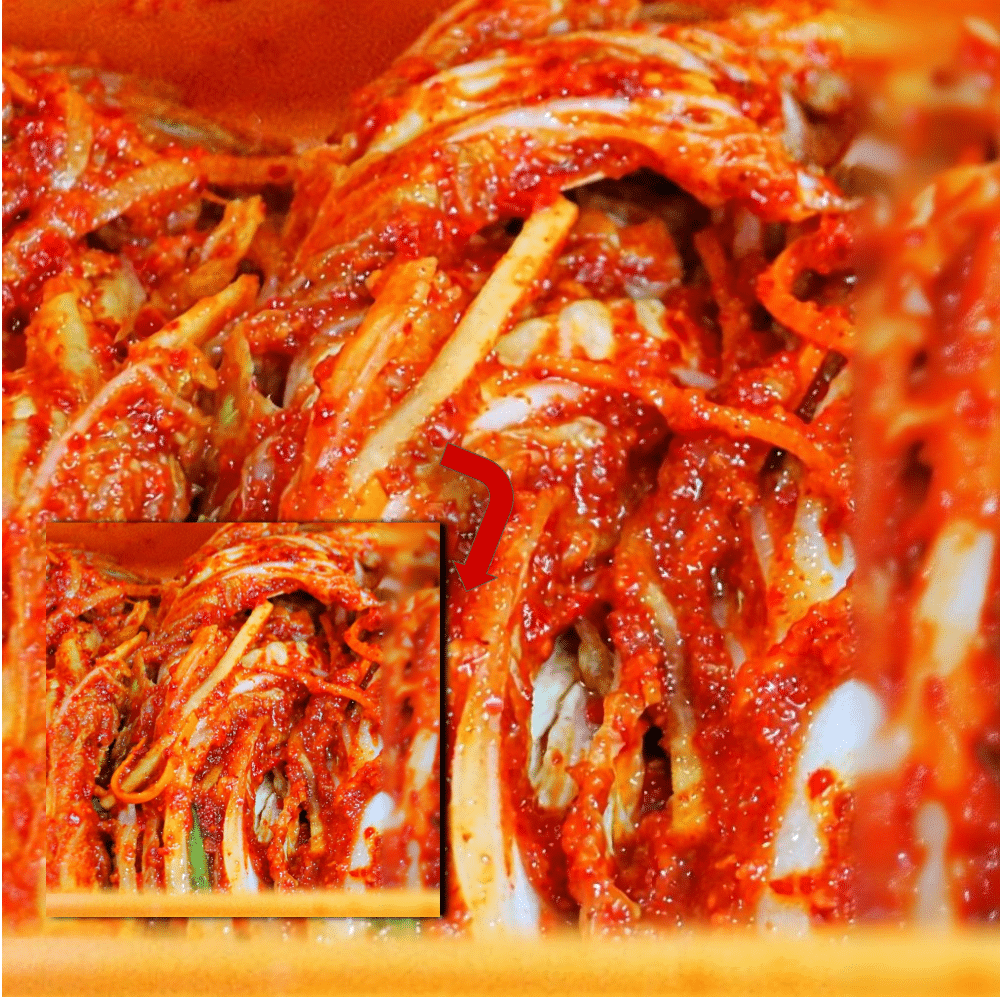
Now for the fun part! Put on your gloves. Take one drained cabbage quarter. Starting from the outermost leaves, spread a generous amount of the kimchi paste between each leaf, working your way inward. Ensure every part of the cabbage is coated, especially the white parts. Fold the stuffed cabbage quarter in half, tucking in any loose leaves.
Pack the prepared cabbage quarters tightly into your chosen fermentation jar or container, pressing down firmly to remove any air pockets. Leave about 2 inches of headspace at the top, as the kimchi will produce gases during fermentation. This careful kimchi making steps ensures an even fermentation process for your spicy kimchi recipe.
The Magic of Fermentation: Bringing Your Kimchi to Life
Room Temperature Fermentation (1-5 Days)
This is where the ‘fermented’ in Korean fermented cabbage truly comes to life! Place your packed kimchi in a cool, dark spot at room temperature (ideally 68-72°F / 20-22°C) for 1 to 5 days. The exact time depends on the ambient temperature and your preference for tanginess. During this period, beneficial Lactobacillus bacteria will begin converting sugars into lactic acid, creating those iconic bubbles and tangy flavor.
Check your kimchi daily by pressing down gently on the surface; you should see small bubbles forming and a slightly tangy smell emerging. Taste a small piece after 2-3 days. When it reaches your desired level of sourness, it’s ready for the fridge. This kimchi fermentation process is crucial for flavor and probiotic benefits.
Moving to the Fridge: Slowing it Down
Once your homemade kimchi has fermented to your liking, transfer it to the refrigerator. The cold temperature will significantly slow down the fermentation process, but it won’t stop it entirely. Your kimchi will continue to mature and develop deeper, more complex flavors over weeks and even months. Ensure the kimchi remains submerged in its brine to prevent spoilage.
How to Store, Serve, and Use Your Homemade Kimchi
Storing for Maximum Longevity
Proper refrigeration is key for extending the life of your authentic kimchi recipe. Keep it in airtight containers in the coldest part of your fridge. Ensure the kimchi is always submerged under its liquid brine to prevent oxidation and mold. Kimchi can last for several months, its flavor evolving from fresh and lightly tangy to deeply sour and pungent – each stage perfect for different culinary uses.
Classic Ways to Enjoy Kimchi
Your freshly made kimchi is delicious as a simple side dish (banchan) with steamed rice. But its versatility shines in cooking! Use sour, well-fermented kimchi for classic Korean dishes like Kimchi Jjigae (kimchi stew), Kimchi Fried Rice, or savory Kimchijeon (kimchi pancakes). It also elevates sandwiches, ramen, and even tacos! The possibilities for Korean cooking are endless.
Frequently Asked Questions (FAQ)
How long does homemade kimchi last?
Homemade kimchi can last for several months, typically 3-6 months, when stored properly in an airtight container in the refrigerator. Its flavor will continue to deepen and become more sour and pungent over time, which is actually ideal for many cooked dishes like kimchi jjigae.
Why isn’t my kimchi bubbling or sour?
If your kimchi isn’t bubbling or souring, the most common reasons are that the room temperature is too cold, inhibiting the growth of beneficial bacteria, or it hasn’t had enough time to ferment. Ensure your fermentation area is around 68-72°F (20-22°C) and give it another day or two. Also, ensure there was enough sugar/starch (from the pear and rice porridge) to feed the bacteria.
Can I make this authentic kimchi recipe vegan?
Yes, you can absolutely make a delicious vegan kimchi recipe! Simply omit the fish sauce and saeu-jeot (salted shrimp). You can substitute these with an equivalent amount of soy sauce, a spoonful of miso paste, or additional Korean pear for sweetness and umami depth. Some recipes also use mushroom broth.
What is the secret ingredient in the best kimchi?
There isn’t one single “secret ingredient,” but rather the harmonious balance of high-quality ingredients and proper technique. However, many experts agree that fresh, good quality gochugaru, combined with the umami from saeu-jeot and fish sauce, plus the natural sweetness from Korean pear, are what truly define an authentic and complex kimchi flavor.
Is it cheaper to make your own kimchi?
Initially, purchasing all the necessary kimchi ingredients, especially good quality gochugaru and saeu-jeot, might seem like an investment. However, in the long run, making your own kimchi is significantly cheaper per pound than buying store-bought versions. Plus, you control the quality and freshness of the ingredients and get the immense satisfaction of a truly homemade product.
Conclusion
Embarking on the journey to create your own authentic kimchi recipe is a truly rewarding experience. From the careful brining of the napa cabbage to the vibrant, complex kimchi paste, every step contributes to a masterpiece of Korean cooking. You’re not just making a dish; you’re connecting with centuries of culinary tradition and bringing incredible flavors and health benefits to your table. We encourage you to try this traditional kimchi recipe and discover the profound satisfaction of making homemade kimchi. Share your results in the comments below – we’d love to hear from you!
For more daily recipes and tips, follow us on Facebook!
Click here to join our community!