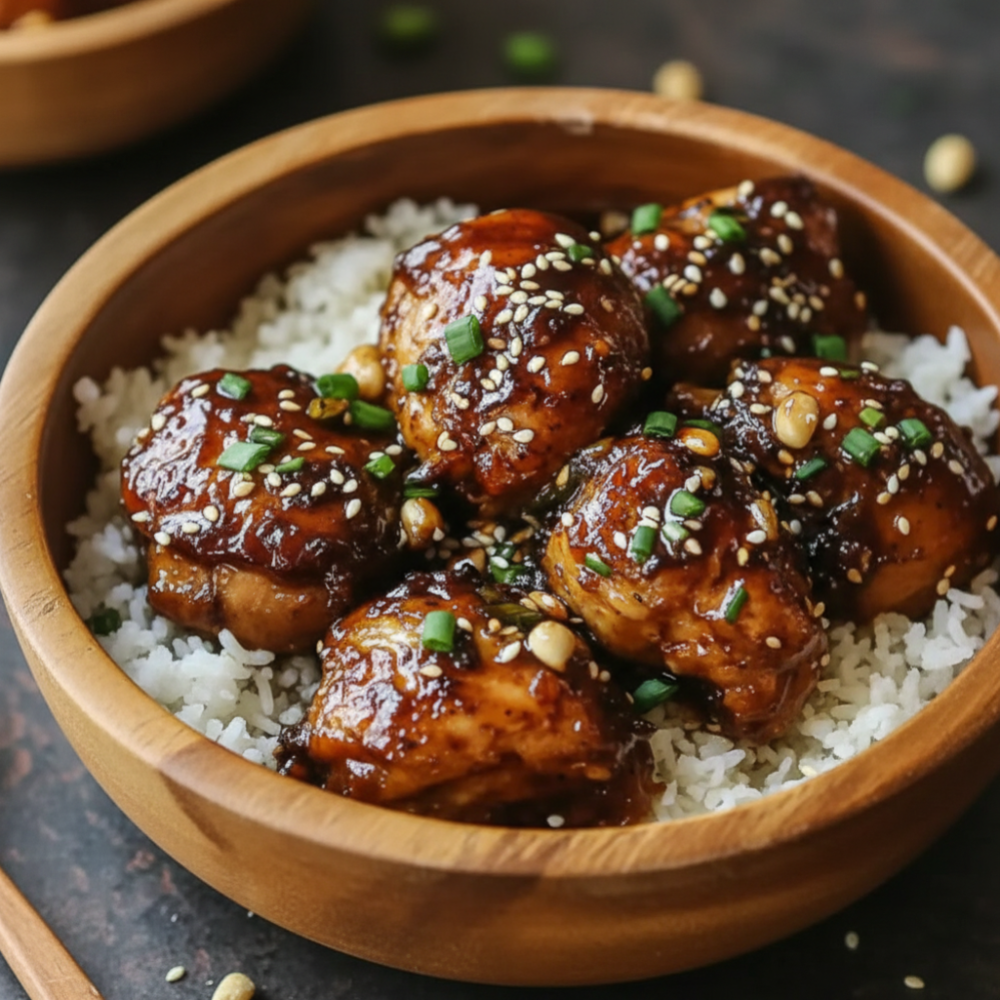
Welcome, food lovers! Today, we’re diving deep into the heart of Filipino cuisine to master a dish that’s more than just food; it’s a hug in a bowl, a taste of home, and a culinary icon. We’re talking about Authentic Filipino Chicken Adobo.
For many, the mere mention of adobo conjures up images of tender meat, bathed in a rich, savory, and tangy sauce, served steaming hot over fluffy white rice. It’s a dish that embodies the Filipino spirit—complex, layered, and utterly irresistible. Forget everything you thought you knew about a simple stew; adobo is an art form, a dance of flavors that has captivated palates for generations.
What Makes Adobo the National Dish of the Philippines?
Adobo isn’t just popular; it’s practically enshrined in Filipino culture. It’s a staple at family gatherings, a quick weeknight meal, and often the first dish a returning expatriate craves. Its unique preparation method, relying heavily on the preservation qualities of vinegar and salt (or soy sauce), made it a practical dish long before it became a beloved one. This ingenious cooking technique has roots stretching back centuries, adapted and perfected over time to become the national dish we celebrate today.
The beauty of adobo lies in its versatility and its reflection of Filipino resourcefulness. It’s one of those classic Filipino recipes that perfectly balances salty, sour, and sometimes a hint of sweetness or spice, creating a flavor profile that is distinctively Filipino. Every family seems to have their own treasured version, a testament to its enduring appeal as the ultimate Filipino comfort food.
Essential Ingredients for the Perfect Adobo
While the magic of adobo lies in its technique, the quality of your ingredients is paramount. Think of them as the building blocks for that unforgettable, traditional adobo sauce.
Choosing the Right Chicken Cut (Bone-In vs. Boneless)
For the most flavorful and succulent results, I highly recommend using bone-in, skin-on chicken thighs. The bone imparts a deeper flavor to the sauce, while the skin crisps up beautifully before becoming wonderfully tender during the braising process. If you prefer boneless, chicken thighs are still the superior choice over breasts, as their higher fat content keeps them moist and prevents them from drying out during the long simmer. This is key for truly braised chicken thighs that fall off the bone (or fork!).
The Golden Ratio: Soy Sauce and Vinegar
This is the heart of any soy sauce and vinegar chicken dish. The interplay between these two liquids creates adobo’s signature tangy and savory profile.
- Soy Sauce: Opt for a good quality Filipino soy sauce. It tends to be a bit saltier and richer. If using a lighter Japanese soy sauce, you might need to adjust the amount slightly.
- Vinegar: Traditional adobo often uses cane vinegar, which has a distinct, milder tang compared to distilled white vinegar. Filipino varieties like Datu Puti or Silver Swan are excellent choices. You can also use apple cider vinegar or even rice vinegar for a slightly different nuance, but cane vinegar is my go-to for authenticity.
The ratio is crucial. Generally, it’s a 1:1 ratio of soy sauce to vinegar, but this can be adjusted to your preference. Some like it tangier, others prefer it more savory.
Aromatics: Garlic, Bay Leaves, and Black Peppercorns
These humble ingredients infuse the dish with incredible depth and fragrance.
- Garlic: Don’t be shy! Adobo loves garlic. Use whole, smashed cloves for a milder infusion or minced garlic for a stronger punch.
- Bay Leaves: Essential for that classic, aromatic woodsy note.
- Black Peppercorns: Whole black peppercorns are traditional and contribute a subtle, earthy heat that complements the other flavors beautifully.
How to Make Authentic Filipino Chicken Adobo (Step-by-Step)
Patience and a bit of love are your secret ingredients here. Follow these steps for a truly memorable chicken adobo recipe.
Step 1: Marinating for Maximum Flavor
- In a large bowl, combine your chicken pieces with soy sauce, vinegar, crushed garlic cloves, and whole black peppercorns. Ensure the chicken is well-coated.
- Allow the chicken to marinate for at least 30 minutes at room temperature, or for 2-4 hours (or even overnight) in the refrigerator. The longer it marinates, the deeper the flavor of your chicken adobo marinade will penetrate.
Step 2: Searing the Chicken
- Remove the chicken from the marinade, reserving the marinade. Pat the chicken pieces dry with paper towels. This is crucial for achieving a good sear.
- Heat a large pot or Dutch oven over medium-high heat. Add a tablespoon of cooking oil.
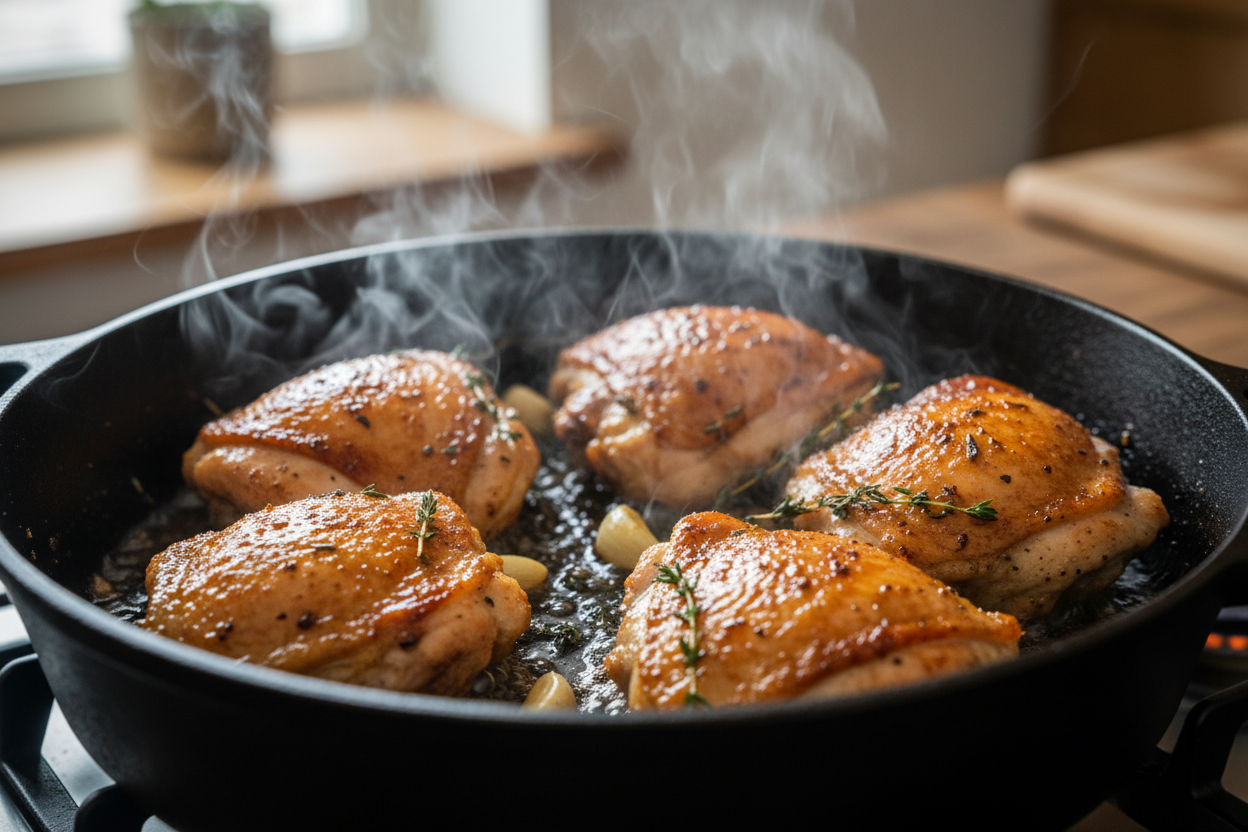
- Once hot, sear the chicken pieces skin-side down first until golden brown and crispy. Flip and sear the other sides briefly. You’re not cooking the chicken through yet, just building flavor and texture. Remove the seared chicken and set aside.
Step 3: Braising to Tender Perfection
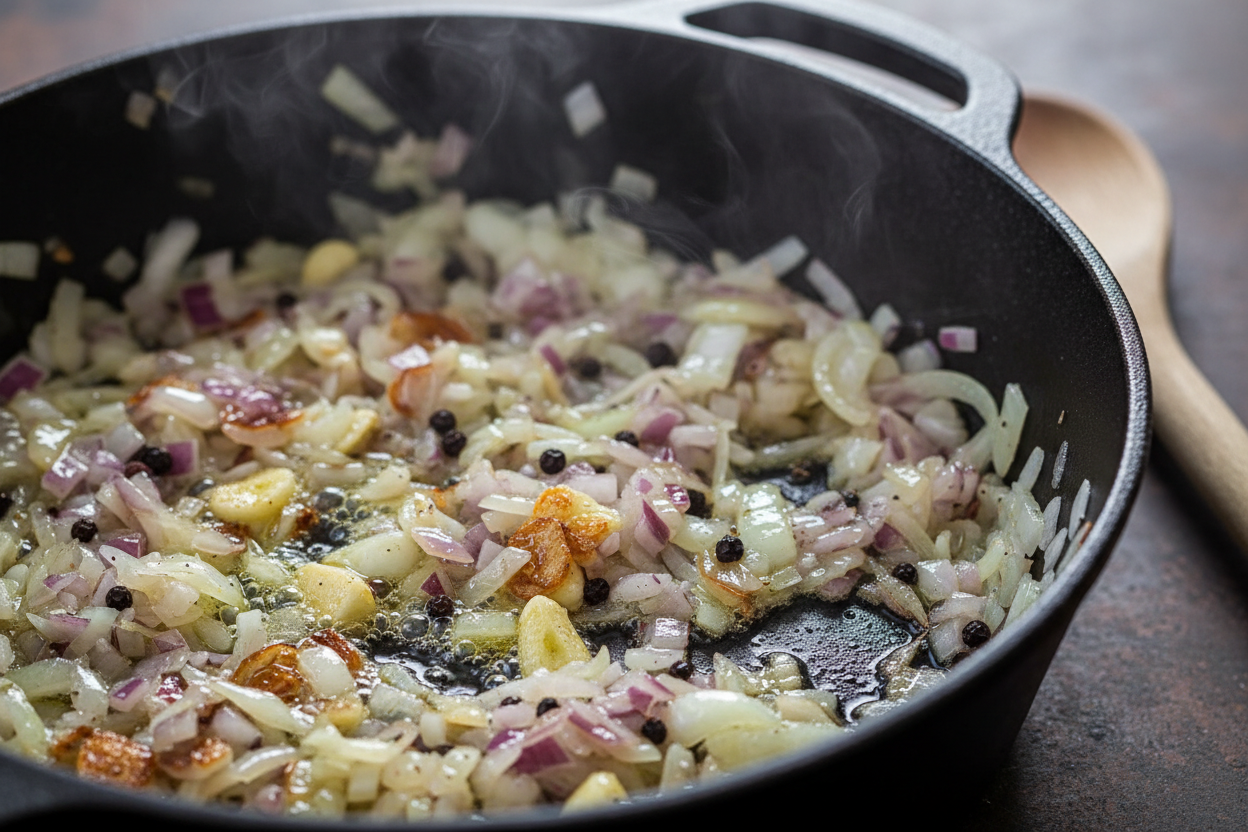
- In the same pot, if there’s residual oil, sauté any additional minced garlic until fragrant (if you want a stronger garlic flavor).
- Pour in the reserved marinade. Bring it to a simmer, scraping up any browned bits from the bottom of the pot. These bits are pure flavor!
- Return the seared chicken to the pot, nestling the pieces into the liquid. Add the bay leaves.
- Bring the mixture to a gentle boil, then reduce the heat to low, cover, and simmer for 30-40 minutes, or until the chicken is fork-tender.
- After 30 minutes, remove the lid. If the sauce is too thin, increase the heat to medium and reduce the sauce to your desired consistency. Taste and adjust seasoning as needed. You might want a touch more soy sauce for savoriness or a pinch of sugar to balance the acidity, though traditionally adobo is not sweet.
Pro Tips for the Best Flavor and Texture
- Don’t Rush the Sear: A good sear adds a layer of depth that cannot be replicated. Take your time to get that beautiful golden crust.
- Reduce the Sauce: After braising, reducing the sauce without the lid will concentrate the flavors and give it a richer, thicker consistency. This is where the traditional adobo sauce truly shines.
- Resting is Best: Like many stews, adobo often tastes even better the next day. The flavors meld and deepen overnight.
- Add a Touch of Heat: For those who love a bit of a kick, adding a few siling labuyo (bird’s eye chilies) during the braising process can elevate the dish.
- Vinegar Wisdom: Never stir the adobo immediately after adding the vinegar. Let it come to a simmer first to allow the harsh acidity to cook off before mixing. This prevents a raw, “vinegary” taste.
Delicious Adobo Variations and Regional Add-Ins
While the classic chicken adobo recipe is divine, its adaptability is one of its greatest strengths. Filipino cuisine boasts countless adobo variations, each with its own regional flair:
- Adobo sa Gata: Incorporating coconut milk for a creamy, richer sauce. This version is particularly popular in the Bicol region. Try it with beef for a hearty twist.
- Adobong Puti: “White Adobo” omits soy sauce entirely, relying solely on vinegar, salt, and aromatics for a lighter, tangier profile.
- Adobong Flakes: A genius way to enjoy leftover adobo! Shredded chicken (or beef) adobo is pan-fried until crispy, perfect for a breakfast pairing with fried eggs and garlic rice.
- Other Proteins: While we’re focusing on chicken, adobo can be made with nearly any protein. If you want to explore other meats, consider beef adobo for a rich, robust dish that braises wonderfully.
Serving and Storage Suggestions
The Importance of Steamed White Rice
Adobo and steamed white rice are a match made in culinary heaven. The fluffy rice perfectly soaks up the rich, savory, and tangy traditional adobo sauce, balancing its intense flavors. It’s not just a side; it’s an essential component of the adobo experience. Don’t forget a side of fresh tomatoes or a simple cucumber salad to cut through the richness!
How to Store and Reheat Leftovers
One of the best things about adobo is that it’s often even better the next day! The flavors have more time to meld and deepen.
- Storage: Allow the adobo to cool completely, then transfer it to an airtight container. It can be stored in the refrigerator for up to 3-4 days.
- Reheating: Gently reheat on the stovetop over medium-low heat until warmed through. Add a splash of water or chicken broth if the sauce has become too thick.
Frequently Asked Questions (FAQs)
Q: Can I use different types of vinegar?
A: Absolutely! While cane vinegar is traditional for its mild tang, you can experiment with apple cider vinegar, white vinegar (use slightly less as it’s stronger), or even rice vinegar. Each will lend a slightly different character to your soy sauce and vinegar chicken.
Q: My adobo turned out too salty/tangy. How can I fix it?
A: If it’s too salty, you can add a little water or chicken broth and simmer to dilute. If it’s too tangy, a pinch of sugar can help balance the acidity, or you can add a bit more water and reduce again. Always adjust gradually and taste as you go.
Q: Can I make adobo in a slow cooker or instant pot?
A: Yes! For a slow cooker, sear the chicken first, then combine all ingredients and cook on low for 4-6 hours. For an Instant Pot, sear the chicken using the sauté function, add remaining ingredients, and pressure cook for 10-15 minutes, followed by a natural release.
Q: What gives adobo its distinct brown color?
A: The dark, rich color of adobo primarily comes from the soy sauce, especially when it caramelizes slightly during the searing and reduction process. The braised chicken thighs also contribute to the overall color.
Mastering authentic Filipino Chicken Adobo is a culinary journey worth taking. It’s a dish that connects you to a rich culture and provides unparalleled comfort with every bite. I hope this guide helps you create a truly spectacular version in your own kitchen!
For more delicious Filipino comfort food recipes and cooking tips, be sure to follow us on Facebook at https://www.facebook.com/profile.php?id=61568538666337. We love sharing our passion for food with you!
Authentic Filipino Chicken Adobo
Ingredients
- 2 lbs Bone-in skin-on chicken thighs
- 1/2 cup Soy sauce
- 1/3 cup White vinegar
- 1/2 cup Water
- 6 cloves Garlic Minced
- 1 medium Yellow onion Chopped
- 2 tbsp Brown sugar
- 1 tsp Whole black peppercorns
- 4 whole Bay leaves
- 1 tbsp Vegetable oil
Instructions
- Combine the chicken thighs, soy sauce, minced garlic, and whole black peppercorns in a large mixing bowl.
- Cover and marinate in the refrigerator for at least 30 minutes.
- Heat the vegetable oil in a large heavy-bottomed pot or Dutch oven over medium-high heat.
- Remove the chicken from the marinade, reserving the remaining liquid.
- Sear the chicken skin-side down in the pot until browned, about 3 to 5 minutes per side, then remove and set aside.
- Add the chopped onion to the pot and saute until translucent.
- Return the chicken to the pot and pour in the reserved marinade, water, white vinegar, brown sugar, and bay leaves.
- Bring the liquid to a rolling boil.
- Reduce the heat to low, cover the pot, and simmer for 30 minutes.
- Remove the lid and continue to simmer for an additional 10 to 15 minutes, allowing the sauce to reduce and thicken slightly.
- Remove from heat and serve hot with steamed white rice.
For more daily recipes and tips, follow us on Facebook!
Click here to join our community!