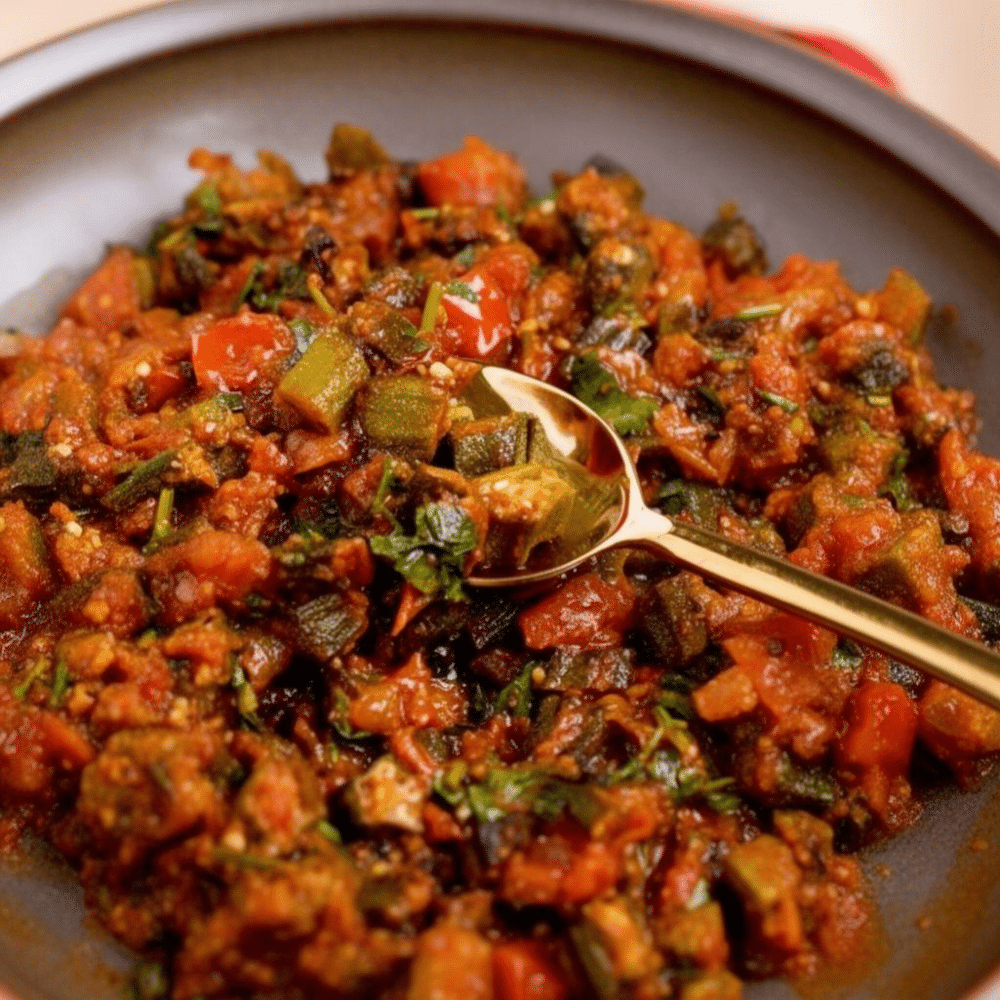
Welcome to the heart of Pakistani home cooking, where vibrant flavors and aromatic spices transform simple ingredients into extraordinary dishes. Today, we’re diving into a beloved classic: Bhindi Masala. This isn’t just any okra dish; it’s a celebration of texture, spice, and the incredible versatility of this often-misunderstood vegetable. Get ready to master the art of making a perfectly non-slimy, utterly delicious okra preparation that will transport your taste buds straight to the bustling streets and warm kitchens of Pakistan.
What is Bhindi Masala?
At its core, Bhindi Masala is a flavorful stir-fry or curry made with okra (bhindi) and a rich blend of spices. The term “masala” refers to the spice mixture, which typically includes onions, tomatoes, ginger, garlic, and an array of ground spices. It’s a staple in South Asian cuisine, cherished for its comforting appeal and ability to pair with almost any meal.
The History and Origin
Okra, or ladyfingers as it’s often called, has a long history in the subcontinent, believed to have originated in Ethiopia before making its way to India and then Pakistan. It quickly became a kitchen favorite due to its unique texture and ability to absorb flavors. Over centuries, various regional preparations evolved, with the masala versions becoming particularly popular for their depth and richness. It’s a dish that evokes nostalgia for many, a testament to generations of home cooks perfecting their rendition.
Regional Variations (Indian vs. Pakistani Style)
While the fundamental concept of an okra curry with tomatoes remains consistent across the region, there are subtle differences between Indian and Pakistani styles. Pakistani bhindi ki sabzi often leans towards a more robust, spicier profile, with a greater emphasis on slow-cooked, deeply caramelized onions and a bolder tomato base. Many Pakistani recipes also prioritize frying the okra separately and thoroughly to achieve that distinctive crisp-tender, non-slimy texture before it joins the rich tomato masala. In contrast, some Indian bhindi fry variations might incorporate more yogurt or different souring agents like amchur (dry mango powder), and while also focused on no-slime, their spice blends or cooking order can vary.
Why You’ll Love This Authentic Bhindi Masala Recipe
This recipe for Pakistani bhindi ki sabzi isn’t just authentic; it’s incredibly satisfying and surprisingly straightforward. You’ll love it because it:
- Delivers Unforgettable Flavor: A perfect balance of savory, tangy, and spicy notes that dance on your palate.
- Mastering the No-Slime Secret: We’ll show you exactly how to cook non-slimy okra, ensuring every bite is a textural delight.
- Is Naturally Vegan: A fantastic vegan okra recipe that’s rich in flavor and packed with nutrients.
- Is Versatile: Perfect as a main course with bread or rice, or as a side dish to a larger spread.
- Brings Comfort: A hearty and warming dish that feels like a hug in a bowl.
Key Ingredients for Pakistani-Style Okra
Crafting the perfect masala bhindi restaurant style dish starts with quality ingredients. Here’s what you’ll need:
Choosing the Best Okra
The success of your okra dish heavily relies on the quality of your bhindi. Look for:
- Freshness: Bright green, firm pods that snap easily when bent.
- Size: Smaller, tender pods are generally better as they have fewer seeds and are less fibrous.
- Avoid: Any okra that is soft, bruised, or discolored.
The Role of Tomatoes and Onions
These two ingredients form the backbone of our spicy tomato okra stew. Onions are caramelized to sweetness and depth, providing a rich, savory foundation. Tomatoes, whether fresh or canned, bring essential tanginess and moisture, creating the luscious gravy that coats the okra. Together, they create a robust base for our okra curry with tomatoes.
Essential Spices for the Masala Base
The magic of masala lies in its aromatic spice blend. For this recipe, you’ll need:
- Cumin Seeds & Powder: Earthy and warm.
- Coriander Powder: Citrusy and floral.
- Turmeric Powder: For color and its distinctive mild earthiness.
- Red Chili Powder (or Cayenne): To adjust the heat to your preference.
- Garam Masala: A finishing blend that adds a beautiful depth of flavor.
- Ginger and Garlic: Freshly minced, they are non-negotiable for that authentic aroma.
Step-by-Step Instructions
Let’s get cooking! Follow these steps carefully to achieve a truly memorable Pakistani bhindi ki sabzi.
Prepping the Okra
- Wash and Dry: Thoroughly wash the fresh okra under cold water. This step is critical for preventing sliminess. Lay them out on a clean kitchen towel or paper towels and let them air dry completely, or gently pat them dry. They must be bone dry before cutting.
- Trim: Snip off the stem end (the cap) and the pointy tail end of each okra pod. Be careful not to cut into the main body of the okra, as this can release mucilage.
- Slice: Cut the okra into 1/2 to 1-inch pieces. For smaller pods, you can cut them into two or three pieces.
Frying the Okra (The Secret to No Slime)
This is arguably the most important step for a non-slimy result.
- Heat Oil: In a large, wide non-stick pan or wok, heat 2-3 tablespoons of oil over medium-high heat.
- Fry in Batches: Add the prepared okra in a single layer, ensuring not to overcrowd the pan. If your pan isn’t large enough, fry in two batches.
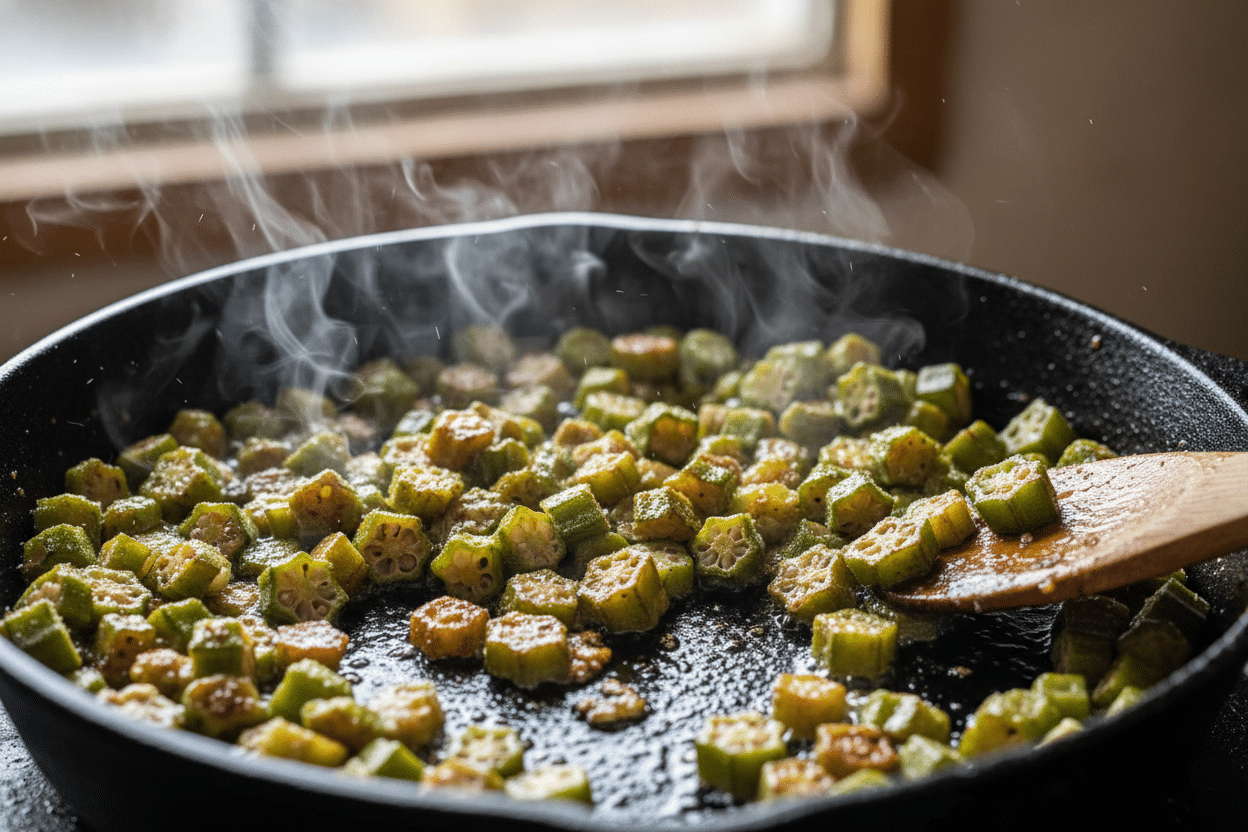
- Stir Fry: Stir-fry the okra gently but consistently for 10-15 minutes, or until the okra is tender-crisp, lightly browned, and all stickiness has disappeared. The okra should feel dry and slightly shriveled. This dry frying process cooks out the mucilage and creates a wonderful texture.
- Remove: Once fried, remove the okra from the pan and set aside. Do not wipe the pan; the remaining oil will be used for the masala.
Building the Tomato Masala
Now for the aromatic base of our dish.
- Sauté Onions: In the same pan (add a little more oil if needed), add 1 large finely sliced or chopped onion. Sauté over medium heat, stirring frequently, until they are deeply golden brown and caramelized (about 8-10 minutes). This step adds immense depth of flavor.
- Add Aromatics: Stir in 1 tablespoon minced ginger and 1 tablespoon minced garlic. Sauté for another minute until fragrant.
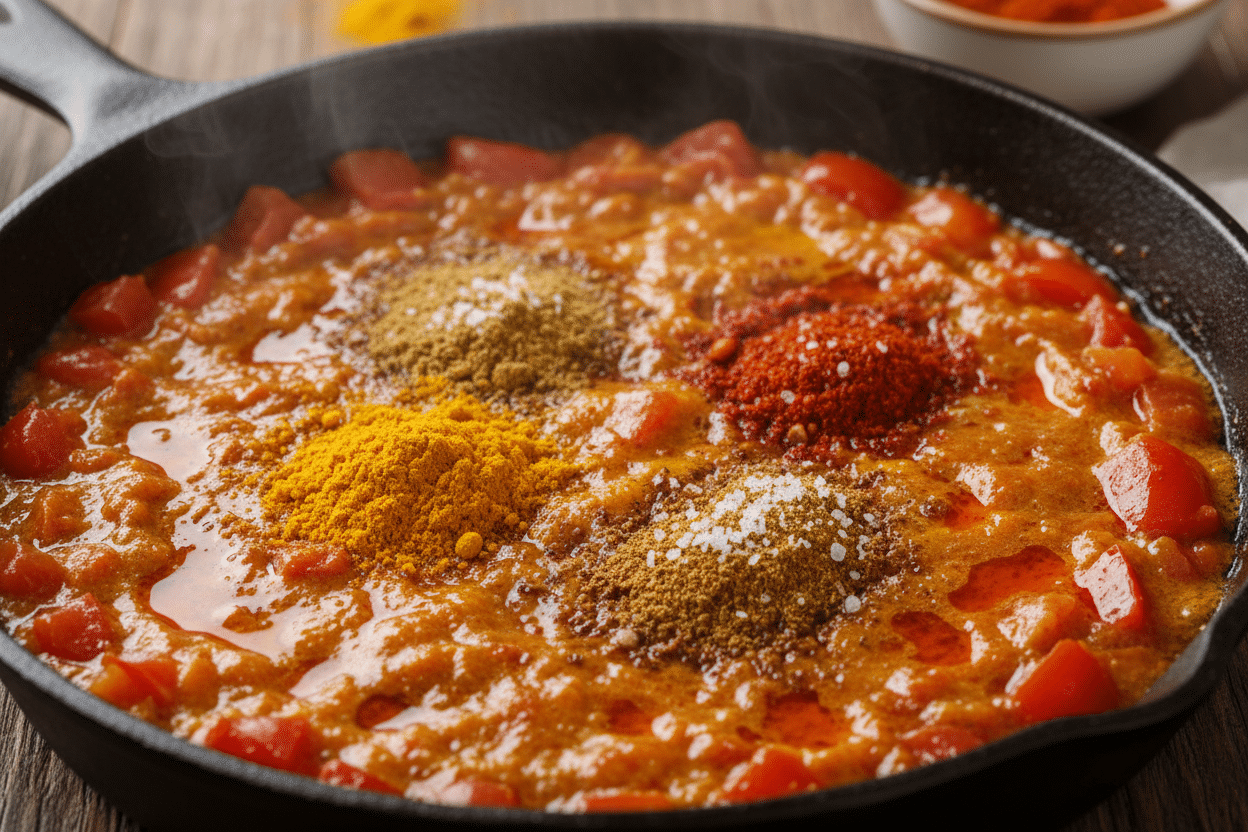
- Spice Time: Lower the heat to medium-low. Add 1 teaspoon cumin powder, 1.5 teaspoons coriander powder, 1/2 teaspoon turmeric powder, and 1 teaspoon red chili powder (adjust to taste). Sauté for 30 seconds, stirring constantly, until the spices are fragrant. Add a tablespoon of water if the spices start to stick.
- Tomato Base: Add 2 medium tomatoes, finely chopped (or 1 cup crushed canned tomatoes). Cook, stirring occasionally, pressing down on the tomatoes, until they break down and the oil separates from the masala (about 8-10 minutes). The masala should be thick and rich.
Simmering to Perfection
- Combine: Gently add the fried okra back into the pan with the tomato masala. Mix carefully to coat the okra without mashing it.
- Final Touches: Add 1/2 teaspoon garam masala and 1/2 teaspoon salt (or to taste).
- Gentle Simmer: Cover the pan and let it simmer on low heat for 5-7 minutes. This allows the okra to absorb the flavors of the masala. Avoid overcooking, which can make the okra soft and potentially slimy again.
- Garnish: Garnish with fresh chopped cilantro and a squeeze of fresh lemon juice, if desired.
Expert Tips: How to Avoid Slimy Okra
Achieving perfectly cooked, non-slimy okra is the holy grail of bhindi cooking. Here are the secrets:
The Importance of Drying
“The single most crucial step in preventing slimy okra is ensuring it is completely, absolutely dry before you even think about cutting it. Any residual moisture will activate the mucilage, leading to that dreaded slimy texture.”
After washing, pat each pod thoroughly with paper towels, or better yet, spread them on a clean cloth and let them air dry for an hour or two. A little patience here pays huge dividends.
Heat Control Techniques
When frying the okra:
- High Heat Start: Begin with medium-high heat to quickly sear the outside and help dry out the moisture.
- Don’t Overcrowd: Fry okra in batches if necessary. Overcrowding lowers the pan temperature, steaming the okra instead of frying it, which promotes sliminess.
- Minimal Stirring Initially: Let the okra sit untouched for a few minutes to develop a crust before you start stirring frequently.
- Avoid Overcooking: Once the okra is tender-crisp and no longer slimy, it’s done. Prolonged cooking in a watery sauce can reintroduce sliminess.
Recipe Variations and Add-Ins
While this recipe delivers a classic taste, feel free to experiment to make it your own masala bhindi restaurant style creation:
- Tanginess Boost: A tablespoon of dried mango powder (amchur) or a splash of fresh lemon juice at the end can brighten the flavors.
- Extra Heat: Add slit green chilies along with the onions, or increase the red chili powder.
- Creaminess: For a richer dish, a tablespoon of heavy cream or plain yogurt (stirred in at the very end to prevent curdling) can be added, though this would make it non-vegan.
- Aloo Bhindi: Add pre-fried potato cubes along with the okra for a heartier dish.
Serving Suggestions (Roti, Naan, Rice)
This spicy tomato okra stew is incredibly versatile. It shines brightest when served hot with:
- Fresh Roti or Chapati: The ultimate pairing for scooping up every bit of the flavorful gravy.
- Naan: Soft, chewy naan bread is a fantastic accompaniment.
- Steamed Basmati Rice: For a comforting and complete meal, especially for soaking up the delicious sauce.
- Side Dish: It also makes an excellent side to other curries or grilled meats.
Storage, Freezing, and Reheating Instructions
Leftovers of this okra curry with tomatoes are often even more delicious as the flavors meld further.
- Storage: Store cooled leftovers in an airtight container in the refrigerator for up to 3-4 days.
- Freezing: This dish freezes reasonably well. Transfer cooled bhindi ki sabzi to freezer-safe containers and freeze for up to 2-3 months. Note that okra can become a bit softer after freezing and thawing, but the flavor will remain excellent.
- Reheating: Thaw frozen okra in the refrigerator overnight. Reheat gently in a pan over medium-low heat, stirring occasionally, until warmed through. You might add a splash of water or oil if it appears dry. Avoid high heat during reheating to maintain texture.
Frequently Asked Questions (FAQs)
Here are answers to some common questions about cooking this delightful dish:
Q: Can I use frozen okra for this recipe?
A: While fresh okra is highly recommended for the best texture, you can use frozen. Thaw it completely, pat it very dry, and then proceed with the frying step. Be aware that frozen okra tends to be softer and may not achieve the same crisp-tender texture as fresh.
Q: How spicy is this recipe?
A: The spiciness is entirely adjustable. The recipe calls for 1 teaspoon of red chili powder, which delivers a moderate kick. You can reduce it for a milder version or increase it for extra heat. Adding fresh green chilies also boosts the spice level.
Q: What if my okra still turns out slimy?
A: Don’t despair! The most common reasons are insufficient drying of the okra before cutting, overcrowding the pan during frying, or overcooking in the masala. Re-read the “Expert Tips” section and ensure your okra is bone dry and fried thoroughly in batches before adding it to the tomato base.
Q: Can I add other vegetables?
A: Absolutely! While purists might stick to just okra, diced potatoes (fried separately), bell peppers, or even eggplant can be added along with the okra to create a mixed vegetable curry.
Mastering this authentic Bhindi Masala recipe will undoubtedly earn you rave reviews. It’s a dish that beautifully marries tradition with incredible flavor, proving that simple, humble vegetables can create culinary magic. Give it a try, and you’ll find yourself reaching for this vegan okra recipe again and again.
For more delicious recipes, cooking tips, and behind-the-scenes glimpses into our culinary adventures, make sure to follow us on Facebook! You can find us at https://www.facebook.com/profile.php?id=61568538666337. We’d love to connect with you!
Authentic Pakistani Bhindi Masala
Ingredients
- 1 lb Fresh okra Washed, completely dried, and cut into 1-inch pieces
- 3 tbsp Neutral cooking oil Divided use
- 1 large Yellow onion Finely chopped
- 2 medium Tomatoes Diced
- 1 tbsp Ginger-garlic paste
- 1 tsp Cumin seeds
- 1/2 tsp Turmeric powder
- 1 tsp Coriander powder
- 1/2 tsp Red chili powder Adjust to heat preference
- 1/2 tsp Garam masala
- 1 tsp Kosher salt
- 2 tbsp Fresh cilantro Finely chopped
Instructions
- Wash the okra thoroughly and pat it completely dry with a paper towel. Slice off the tops and tails, and cut into 1-inch pieces.
- Heat 2 tablespoons of oil in a large skillet over medium-high heat. Add the chopped okra and sauté for 8-10 minutes until lightly browned and the sliminess has disappeared. Remove the okra from the pan and set aside.
- In the same skillet, add the remaining 1 tablespoon of oil. Add the cumin seeds and let them sizzle for 30 seconds.
- Add the finely chopped onion and sauté until golden brown, about 5-7 minutes. Stir in the ginger-garlic paste and cook for 1 minute until fragrant.
- Add the diced tomatoes, turmeric, coriander powder, red chili powder, and salt. Cook, stirring occasionally, until the tomatoes break down completely and the oil starts to separate from the masala, about 8 minutes.
- Return the sautéed okra to the skillet. Gently toss to coat the okra evenly in the tomato masala. Cover the skillet and simmer on low heat for 5 minutes until the okra is tender but not mushy.
- Remove from heat, sprinkle with garam masala and fresh chopped cilantro. Serve hot with roti, naan, or steamed basmati rice.
For more daily recipes and tips, follow us on Facebook!
Click here to join our community!