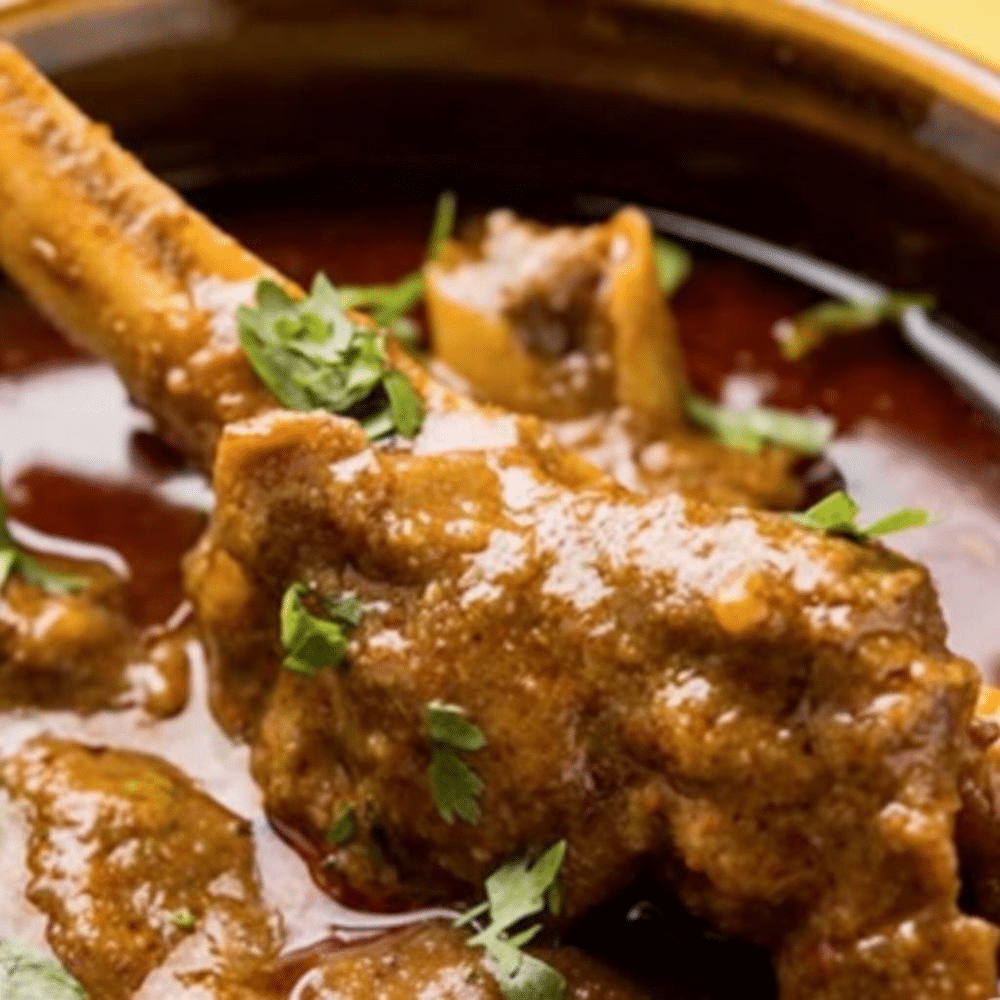
Some dishes don’t just fill you up; they nourish your soul and tell a story with every aromatic spoonful. For many in South Asia, that dish is Paya Curry. More than a meal, it’s a culinary tradition, a labor of love that transforms humble ingredients into a symphony of rich flavors and tender textures. If you’ve ever dreamt of mastering this iconic stew, you’ve come to the right place. Let’s embark on a flavorful journey into the heart of authentic, slow-cooked beef trotters.
What is Paya Curry? The Heart of South Asian Comfort Food
At its core, Paya Curry is a deeply savory, gelatinous stew made from slow-cooked trotters, typically from beef. The word “Paya” itself refers to the trotters or hooves. Celebrated for its incredibly rich, collagen-infused gravy—often described as a nourishing bone broth curry—and the melt-in-your-mouth tenderness of the meat, it’s a staple in many South Asian households, particularly in Pakistan and North India. Revered as a hearty and restorative meal, it’s frequently enjoyed as a traditional South Asian breakfast on weekends or special occasions, though its robust flavor is equally perfect for a comforting dinner.
The Star Ingredients: Beef Trotters and Bone-In Shank
The foundation of an exceptional Paya Curry lies in selecting the right cuts of meat. You’ll need:
- Beef Trotters (Paya): Look for well-cleaned, cut trotters from your butcher. The marrow and collagen within these bones give the curry its signature silky texture and depth of flavor. Aim for about 2-3 pounds.
- Bone-In Beef Shank: While not always included, adding beef shank elevates the dish significantly.
Why Add Bone-In Beef Shank?
Adding bone-in beef shank is a game-changer for several reasons:
- Extra Meatiness: Provides substantial, tender pieces of beef that complement the gelatinous trotters beautifully.
- Richer Bone Broth: The bones contribute even more collagen and marrow, intensifying the bone broth curry and making the paya shorba incredibly wholesome.
- Improved Texture: The combination of tender trotters and fall-apart shank creates a more satisfying and varied eating experience.
Essential Spices for a Bold Onion-Tomato Masala
The soul of any South Asian curry is its spice blend, and Paya Curry is no exception. We’ll be building a rich onion-tomato masala that forms the backbone of our gravy. Here’s what you’ll need:
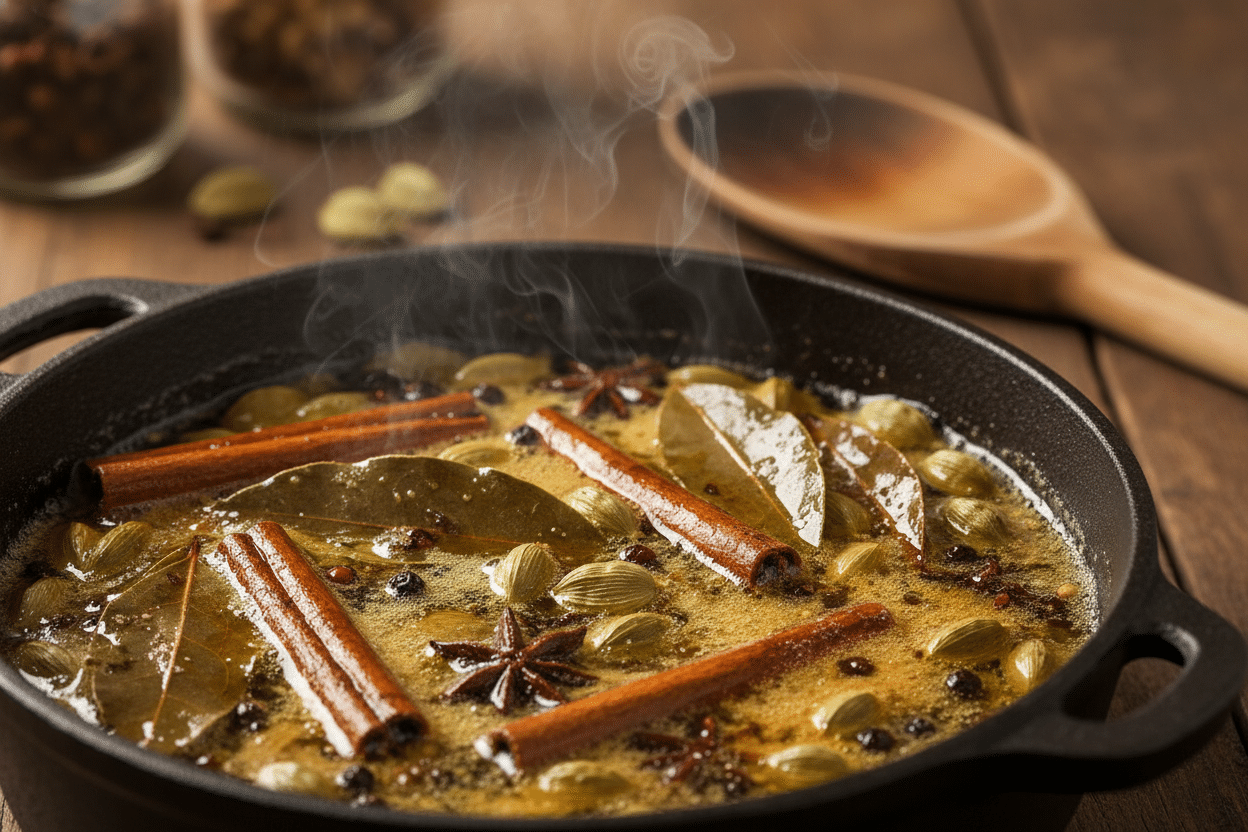
- Whole Spices: Bay leaves, cinnamon sticks, green and black cardamom pods, cloves, and black peppercorns. These infuse the oil with deep, aromatic notes.
- Ground Spices: Turmeric powder, red chili powder (for heat and color), coriander powder, cumin powder, and garam masala. These create the complex flavor profile.
- Aromatics: Fresh ginger and garlic, ideally freshly crushed into a paste.
- Fresh Ingredients: Onions (finely sliced or pureed), ripe tomatoes (pureed or finely chopped), and fresh green chilies.
The careful layering of these spices, cooked down into a luscious masala, is key to achieving that authentic, unforgettable flavor of a Pakistani paya recipe.
How to Properly Clean and Prep Beef Trotters
Cleaning and preparing the trotters is a crucial step that ensures a clean taste for your cow trotters curry. Don’t skip this!
- Initial Rinse: Rinse the beef trotters thoroughly under cold running water. Remove any visible hair or impurities.
- Blanching (Recommended): For an even cleaner taste, blanch the trotters. Place them in a large pot, cover with water, and bring to a boil. Simmer for 5-10 minutes, then drain and rinse again. This helps remove residual odors and scum.
- Scraping and Trimming: Use a sharp knife to scrape off any remaining dark spots or tough outer skin. Trim any excess fat if desired.
- Soaking (Optional): Some prefer to soak the cleaned trotters in a mixture of water and a little vinegar or lemon juice for about 30 minutes to further purify them. Rinse well before cooking.
Proper preparation lays the groundwork for a truly delightful slow-cooked beef shank and trotters dish.
Cooking Methods: Slow Cooking vs. Pressure Cooking
Paya Curry thrives on cooking time, allowing collagen to break down and flavors to meld. Both methods have their merits.
The Traditional Slow-Cooked Method
This is the purist’s choice, yielding the most profound depth of flavor and tender consistency. It requires patience, but the results are unparalleled. The trotters and shank are simmered gently over many hours, allowing the bones to release all their goodness, creating an incredibly rich, thick, and gelatinous paya shorba. This method is perfect for a lazy weekend.
“Slow cooking Paya isn’t just about tenderness; it’s about coaxing out every last drop of flavor and nutrition from the bones, transforming it into a truly healing bone broth curry.” – Chef Fatima Khan
The Instant Pot / Pressure Cooker Shortcut
The Instant Pot or a traditional pressure cooker offers a fantastic shortcut without sacrificing much quality. You can achieve fall-off-the-bone tenderness and a rich broth in a fraction of the time. This method is ideal for weeknights or when you crave delicious beef paya in instant pot without the all-day commitment. While the depth of flavor might be slightly less intense than an all-day simmer, it’s still incredibly satisfying.
Step-by-Step Instructions for Perfect Beef Paya
Let’s get cooking! This method combines elements of both slow cooking and pressure cooking for the best results in a reasonable timeframe.
- Sauté Aromatics and Whole Spices: In a large heavy-bottomed pot or your Instant Pot on ‘Sauté’ mode, heat cooking oil. Add whole spices (bay leaves, cinnamon, cardamom, cloves, peppercorns) and let them sizzle for 30 seconds. Add the finely sliced or pureed onions and cook until deeply golden brown, stirring frequently. This step is crucial for the rich onion-tomato masala base.
- Add Ginger-Garlic Paste: Stir in the ginger-garlic paste and cook for another 2-3 minutes until the raw smell disappears.
- Introduce Ground Spices and Tomatoes: Add turmeric, red chili, coriander, and cumin powders. Sauté for a minute, then add the pureed tomatoes and a splash of water to prevent burning. Cook the masala thoroughly, stirring occasionally, until the oil separates from the mixture. This indicates the masala is well-cooked.
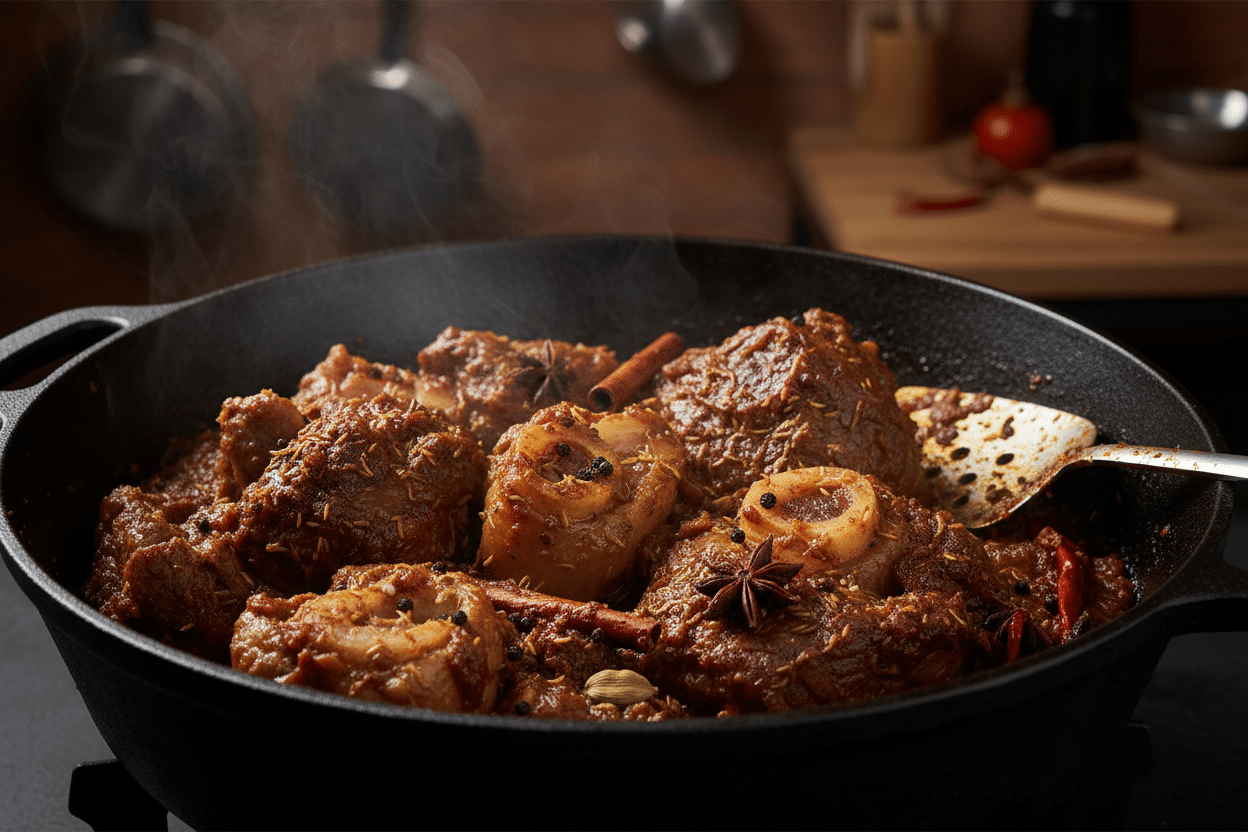
- Sear the Meat: Add the cleaned beef trotters and beef shank to the pot. Stir well, ensuring the meat is coated with the rich masala. Sear for 5-7 minutes, browning the meat slightly.
- Add Water and Pressure Cook (or Slow Cook): Pour in enough hot water to completely cover the meat, usually around 8-10 cups. Add a generous amount of salt.
- For Pressure Cooker: Close the lid and set to high pressure for 60-75 minutes, depending on trotters’ size and tenderness. Let the pressure release naturally.
- For Slow Cooker/Stovetop: Bring to a boil, then reduce heat to the lowest setting, cover, and simmer for 4-6 hours, or until the meat is falling off the bone and the gravy is thick and gelatinous. Stir occasionally and add more hot water if needed.
- Final Simmer and Seasoning: Once the meat is tender, open the pressure cooker (after natural release) or check the slow-cooked pot. The gravy should be thick, rich, and look like a true bone broth curry. Adjust salt and add garam masala powder. Stir in chopped fresh green chilies and fresh coriander leaves.
- Serve Hot: Let the Paya Curry rest for a few minutes before serving. The flavors will deepen further.
Expert Tips for the Best Thick Spiced Gravy
- Browning Onions is Key: Don’t rush this step. It contributes immensely to the color and depth of flavor in your rich onion-tomato masala.
- Cook the Masala Thoroughly: Ensure your ginger-garlic and spice-tomato mixture cooks until the oil separates. This “bhunna” process is vital for flavor development.
- Patience with Pressure Release: For pressure-cooked Paya, allowing natural pressure release ensures the meat remains tender and doesn’t toughen.
- Skim Excess Fat: If your Paya Curry has too much oil floating on top, carefully skim off some before serving.
- Resting Time: Like many stews, Paya Curry often tastes even better the next day as flavors meld and deepen.
- Adjusting Consistency: If the gravy is too thin, simmer it uncovered longer. If too thick, add a little hot water.
Serving Suggestions: Naan, Roti, and Rice
The beauty of a hearty cow trotters curry lies in its versatility. It’s traditionally served piping hot with classic accompaniments:
- Freshly Baked Naan: The soft, chewy texture is perfect for soaking up the rich paya shorba.
- Tandoori Roti or Chapati: Lighter flatbreads offer a wholesome contrast to the heavy gravy.
- Steamed Basmati Rice: A simple bed of fluffy rice allows the complex flavors of the slow-cooked beef shank and trotters to truly shine.
- Garnishes: A sprinkle of fresh ginger juliennes, chopped green chilies, fresh coriander leaves, and a squeeze of lemon juice adds a burst of fresh flavor and brightness.
Storing, Freezing, and Reheating Leftovers
Paya Curry often tastes even better the next day. Handling leftovers correctly ensures you can enjoy it for days.
- Refrigeration: Store leftover Paya Curry in an airtight container in the refrigerator for up to 3-4 days. The gravy will solidify due to high collagen content, which is normal.
- Freezing: Paya Curry freezes exceptionally well. Transfer cooled curry into freezer-safe containers or bags. It can be frozen for up to 2-3 months. Thaw overnight in the refrigerator before reheating.
- Reheating: Gently reheat on the stovetop over low to medium heat, stirring occasionally. You may need to add a splash of water or broth to loosen the consistency if it’s too thick after chilling or freezing. Ensure it’s heated through before serving.
Frequently Asked Questions (FAQs) About Paya Curry
Q: Can I make Paya Curry without adding beef shank?
A: Yes, absolutely! While beef shank adds extra meatiness and enriches the bone broth curry, authentic Paya Curry can certainly be made solely with beef trotters. The focus remains on the gelatinous texture and deep flavor derived from the trotters themselves.
Q: How do I get the gravy to be thick and gelatinous?
A: The secret to a thick, gelatinous gravy lies in the long cooking time. Slow cooking allows the collagen from the beef trotters and shank bones to break down and dissolve into the liquid. If using a pressure cooker, ensure you allow for enough cooking time at high pressure (usually 60-75 minutes) and natural pressure release to get the desired texture. Patience is key!
Q: Is Paya Curry spicy? Can I adjust the heat?
A: Traditional Paya Curry can range from moderately to quite spicy, depending on the amount of red chili powder and green chilies used in the rich onion-tomato masala. You can easily adjust the heat to your preference by reducing or increasing the quantity of chili powder. For a milder version, use Kashmiri red chili powder for color without too much heat, and be judicious with fresh green chilies.
Mastering Paya Curry is a rewarding culinary achievement that brings deep satisfaction. We hope this guide helps you create a truly spectacular dish that will be cherished by your family and friends. Happy cooking!
For more delicious recipes, cooking tips, and behind-the-scenes glimpses, follow our culinary adventures on Facebook: https://www.facebook.com/profile.php?id=61568538666337
Authentic Beef Paya Curry (Slow-Cooked Cow Trotters & Shank)
Ingredients
- 2 lbs beef trotters (paya) Cleaned and washed
- 1 lb bone-in beef shank Cut into large pieces
- 2 large onions Finely sliced
- 2 large tomatoes Pureed or finely chopped
- 1/2 cup cooking oil or ghee
- 2 tbsp ginger paste
- 2 tbsp garlic paste
- 2 whole bay leaves
- 4 pods green cardamom
- 2 pods black cardamom
- 1 piece cinnamon stick
- 6 whole cloves
- 10 whole black peppercorns
- 1 tsp cumin seeds
- 1 tbsp Kashmiri red chili powder
- 1 tsp turmeric powder
- 1 tbsp coriander powder
- 1 tsp garam masala
- 1 tbsp salt
- 6 cups water For slow cooking
- 1/4 cup fresh cilantro Chopped, for garnish
- 2 tbsp julienned ginger For garnish
Instructions
- Wash the beef trotters and bone-in beef shank thoroughly under cold water. If desired, boil the trotters for 5 minutes in a separate pot and discard the water to remove any impurities.
- Heat the cooking oil or ghee in a large heavy-bottomed pot or Dutch oven over medium heat. Add the bay leaves, green cardamom, black cardamom, cinnamon stick, cloves, black peppercorns, and cumin seeds. Toast for 1 minute until fragrant.
- Add the finely sliced onions and sauté until deeply golden brown. Stir in the ginger and garlic paste, cooking for 2 minutes until the raw aroma dissipates.
- Reduce the heat to low and add the Kashmiri red chili powder, turmeric powder, coriander powder, and salt. Stir in a splash of water to prevent the spices from burning. Cook until the oil begins to separate from the masala.
- Add the pureed tomatoes and cook for 5 to 7 minutes, stirring frequently, until the moisture evaporates and a thick onion-tomato masala forms.
- Add the beef trotters and bone-in beef shank to the pot. Sauté the meat in the masala for 10 to 15 minutes, coating it thoroughly and allowing it to lightly brown.
- Pour in the water and bring the mixture to a rolling boil. Reduce the heat to the lowest setting, cover the pot tightly, and let it simmer for 4 to 6 hours. Cook until the trotters and shank meat are incredibly tender and the broth becomes rich and gelatinous.
- Stir in the garam masala and simmer uncovered for an additional 10 minutes to thicken the spiced gravy.
- Garnish with fresh cilantro and julienned ginger before serving hot.
For more daily recipes and tips, follow us on Facebook!
Click here to join our community!