The Ultimate Sawmill Gravy Recipe (With a Beef Twist)
Introduction
There are few things in life as soul-satisfying as a warm plate of fluffy biscuits smothered in creamy, peppery gravy. It’s the kind of breakfast that whispers of home, comfort, and traditions passed down through generations. Today, we’re diving deep into the heart of Southern comfort with a timeless classic: Sawmill Gravy.
But what exactly is Sawmill Gravy? At its core, it’s a rich, meat-based white country gravy, often served alongside biscuits. Traditionally made from drippings left behind after cooking meat, thickened with a roux, and enriched with milk, it’s a staple that has fueled hungry bellies for centuries. Our version today embraces that heritage but introduces a robust, savory twist: we’re using hearty ground beef. This simple change amplifies the rich umami flavors, creating a profoundly satisfying and slightly different flavor profile that we think you’ll absolutely adore. Prepare to elevate your breakfast game!
The History of Sawmill Gravy
The story of Sawmill Gravy is deeply rooted in the working-class kitchens of the American South and Appalachian regions. Picture the arduous lives of loggers, miners, and sawmill workers who needed substantial, calorie-dense meals to sustain them through long, physically demanding days. Breakfast wasn’t just a meal; it was critical fuel, and sawmill gravy often took center stage.
The name itself, “Sawmill Gravy,” is steeped in lore. One popular theory suggests it was named for its origin in the logging camps, where cooks would whip up hearty meals using readily available ingredients. Another theory links the name to its texture, sometimes said to resemble “sawdust” if cornmeal was used as a thickener, though most modern recipes rely on flour for thickening. Regardless of its exact etymology, this breakfast gravy became synonymous with the hard-working communities it nourished, a simple yet powerful symbol of Southern resilience and resourcefulness.
Culturally, sawmill gravy is more than just a recipe; it’s a culinary artifact, a testament to the ingenuity of using every last bit of flavor. It remains a beloved staple on Southern breakfast tables, offering a taste of history with every comforting spoonful.
Sawmill Gravy vs. Country Gravy vs. Sausage Gravy
While often used interchangeably, there are subtle yet important distinctions between Sawmill Gravy, country gravy, and the broader category of “sausage gravy.” Understanding these differences helps appreciate the unique character of each.
- Sawmill Gravy: This is our star. Historically, it’s characterized by being made directly in the pan where meat has been cooked, utilizing the rendered fat and any crispy bits of meat left behind. Our beef version stays true to this, incorporating flavorful ground beef right into the gravy itself, making it hearty and textured. It’s a rustic, foundational gravy experience.
- Country Gravy: Often, country gravy refers to a simpler white sauce. While it can also be made with meat drippings, it typically doesn’t contain chunks of meat within the gravy itself. It’s a foundational béchamel-style sauce made with a roux of fat and flour, then thinned with milk, resulting in a smooth, creamy sauce without any solid additions.
- Sausage Gravy: This term has become a modern, broader umbrella that encompasses gravies made with ground, seasoned meat. Our beef sawmill gravy, with its rich ground beef base and carefully selected spices to evoke a traditional breakfast seasoning, falls wonderfully into the category of a deeply flavorful beef sausage gravy, a rustic ancestor to many contemporary versions. The key difference for our sawmill approach is the emphasis on building the gravy directly from the pan drippings and keeping the ground beef integrated throughout.
Ingredients for the Perfect Beef Sawmill Gravy
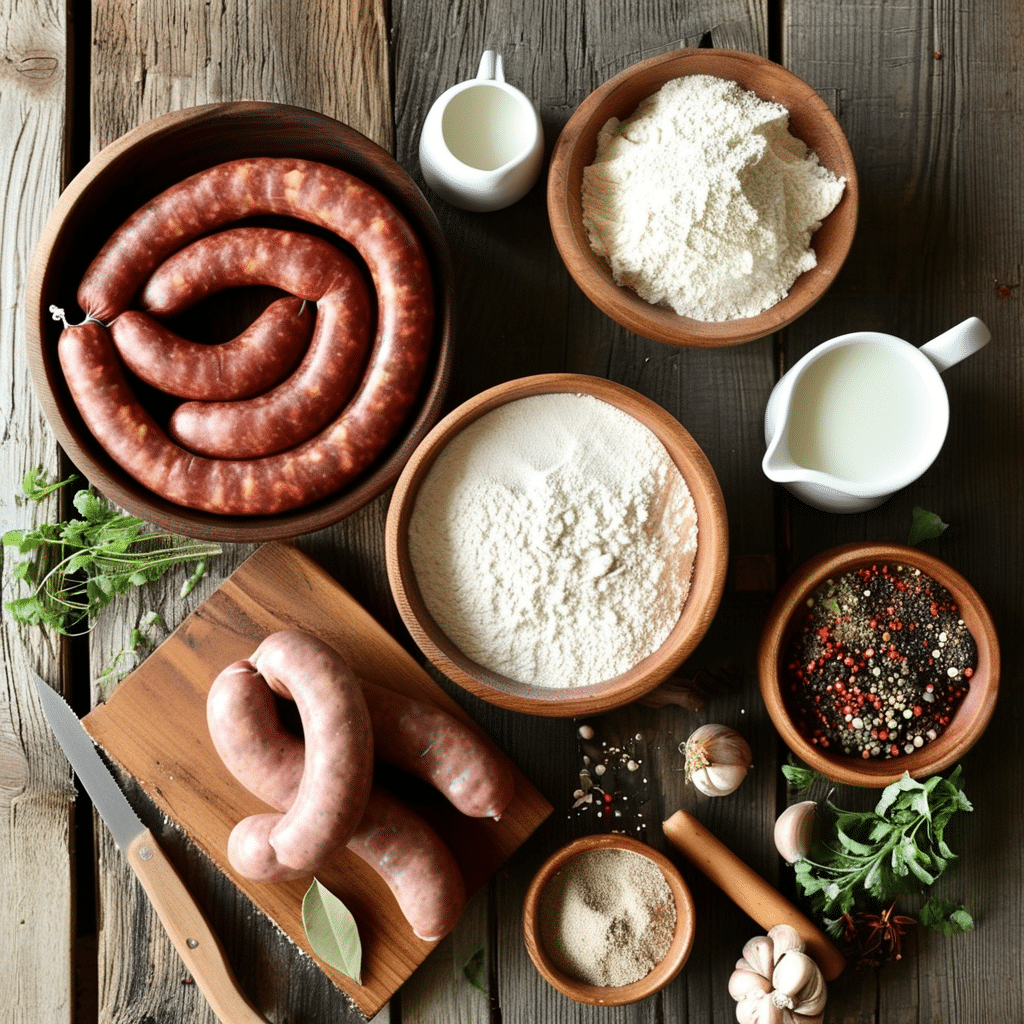
Crafting exceptional Sawmill Gravy starts with choosing the right ingredients. Each component plays a vital role in achieving that coveted creamy, savory, and richly satisfying outcome.
- The Meat: Ground Beef: For this recipe, the quality and fat content of your ground beef matter. We recommend an 80/20 lean-to-fat ratio. The fat renders down, providing crucial drippings that form the foundation of our roux, carrying immense flavor.
- The Spices: Replicating “Sausage” Flavor: Since we’re using ground beef, we’ll expertly season it to evoke the warm, savory notes often found in a traditional breakfast blend. You’ll need:
- Dried Sage: Earthy and slightly peppery, it’s a classic pairing with beef and a cornerstone of breakfast flavor.
- Dried Thyme: Adds a subtle, aromatic, and slightly minty note that complements the sage beautifully.
- Red Pepper Flakes: Just a pinch provides a gentle warmth without making it overtly spicy, enhancing the overall depth.
- The Roux: Flour and Fat: This is the thickening agent and flavor builder for any good country gravy recipe. You’ll use the rendered beef fat from cooking, supplemented if necessary, and all-purpose flour. The ratio is critical for a smooth, lump-free result.
- The Liquid: Whole Milk: For unparalleled creaminess and richness, whole milk is superior. Its higher fat content contributes to a luscious texture that water or thinner milks simply can’t replicate. Ensure it’s at room temperature for the smoothest integration.
- The Kick: Coarse Black Pepper: A generous amount of freshly cracked black pepper is non-negotiable for authentic Sawmill Gravy. It adds pungency, a delightful bite, and visual appeal, cutting through the richness with its distinctive warmth.
Step-by-Step Cooking Instructions
Follow these steps closely to create a truly unforgettable homemade milk gravy that will have everyone asking for seconds.
- Step 1: Browning the Beef and Building the Flavor Base
In a heavy-bottomed pan or a cast iron skillet, cook the ground beef over medium-high heat. Break it up with a spoon as it browns. Once fully cooked and no pink remains, drain off all but 2-3 tablespoons of the rendered beef fat. Do not discard the flavorful cooked beef! Keep it in the pan. Now, sprinkle in your sage, thyme, and red pepper flakes over the beef, stirring to combine for about 1 minute until fragrant. This infuses the beef with those crucial “sausage” notes.
- Step 2: Creating the Roux
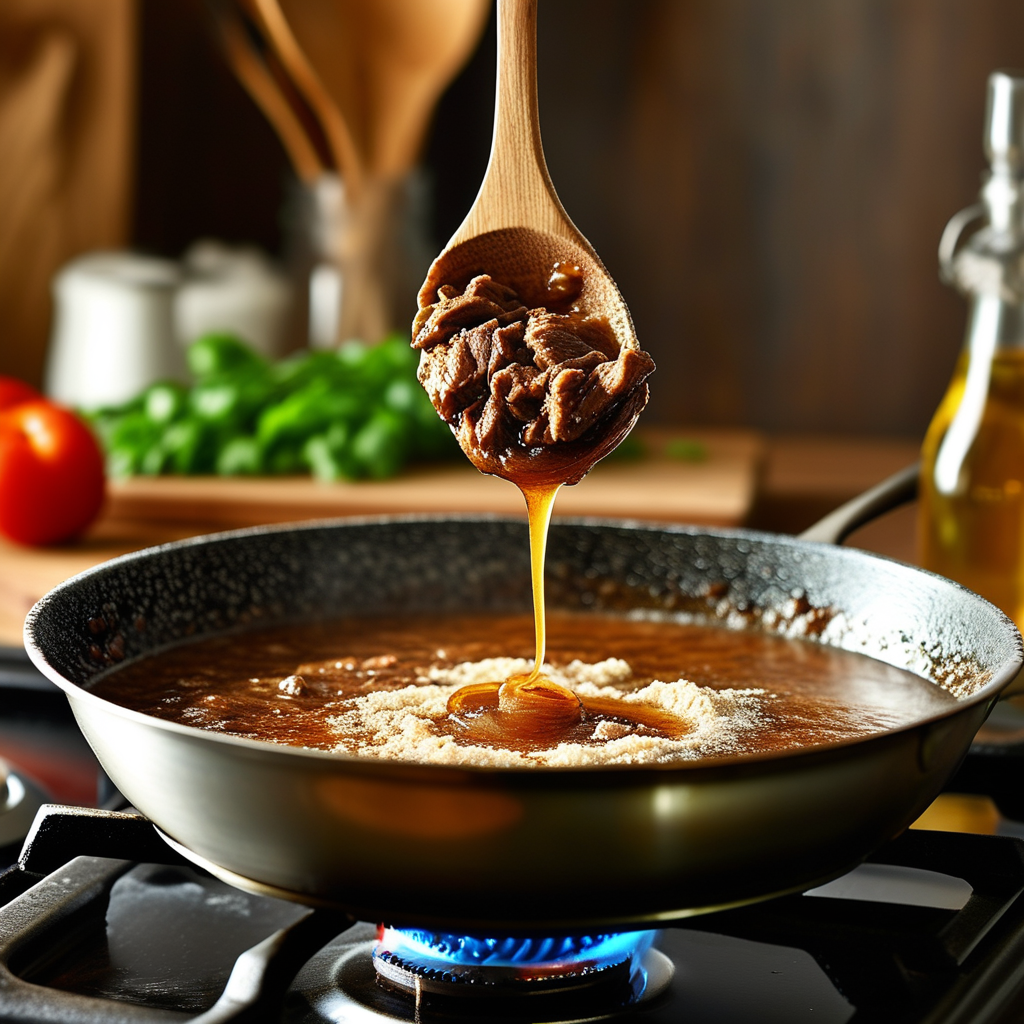
Reduce the heat to medium-low. Sprinkle the all-purpose flour evenly over the seasoned ground beef and fat in the pan. Stir constantly with a whisk or wooden spoon for 2-3 minutes. This step is crucial for cooking out the raw flour taste and creating the roux that will thicken your sauce. The mixture will look like a thick paste.

- Step 3: Whisking in the Milk
Gradually pour in the room-temperature whole milk, whisking continuously. Start with a small amount, whisking until smooth, then slowly add the rest. This continuous whisking is your best defense against lumps, ensuring a smooth, uniform breakfast gravy.
- Step 4: Simmering to the Perfect Consistency
Increase the heat to medium and bring the mixture to a gentle simmer, still whisking occasionally. As it heats, the gravy will begin to thicken. Continue to simmer and whisk for 5-7 minutes, or until the gravy reaches your desired consistency – it should be thick enough to coat the back of a spoon. Remember, it will thicken slightly more as it cools. Remove from heat and stir in a generous amount of coarse black pepper. Taste and adjust seasonings if necessary.

Tips for Success (No Lumps allowed!)
Achieving a silky-smooth, lump-free Sawmill Gravy is easier than you think with these expert tips.
- Temperature Matters: Always use warm or room-temperature milk. Adding cold milk to a hot roux can shock it, causing the flour to seize up and clump.
- Whisking Technique: Constant, vigorous whisking, especially when adding the milk, is your best friend. Start by adding a small amount of milk to make a very thick paste, smoothing out any lumps at this stage, then gradually add the rest.
- Fat Ratio: Ensure you have enough rendered beef fat (or supplement with a little butter or oil) to fully saturate the flour when making the roux. A dry roux is a lumpy roux!
- Fixing Mistakes: If your gravy gets too thick, don’t panic! Simply whisk in a splash more warm milk until it reaches your desired consistency. If you have a few small lumps, a quick pass through a fine-mesh sieve can rescue it, though it’s less ideal for a beef-filled sawmill gravy. Prevention is key!
Variations and Serving Suggestions
While our beef Sawmill Gravy is perfect as is, there are always ways to customize this classic southern white gravy to your taste.
- Serving: The ultimate pairing for this rich, homemade milk gravy is, without a doubt, a pile of warm, flaky buttermilk biscuits. But don’t stop there! It’s equally delicious over toast, fried potatoes, grits, or even as a hearty addition to mashed potatoes for a comforting dinner. This is truly the best breakfast gravy.
- Spicy Version: For those who like an extra kick, increase the red pepper flakes or add a pinch of cayenne pepper with the other spices.
- Herb Infusions: A sprinkle of fresh chopped parsley or chives stirred in at the end adds a touch of color and fresh herbaceousness, brightened by the cream gravy.
Storage and Reheating
While best enjoyed fresh, you can store your delicious Sawmill Gravy for later enjoyment.

- Fridge: Store leftover gravy in an airtight container in the refrigerator for 3-4 days.
- Freezer: Dairy-based gravies can sometimes separate when frozen and thawed, but it is possible. Freeze in an airtight, freezer-safe container for up to 2-3 months. To prevent separation, ensure it’s cooled completely before freezing, and thaw slowly in the refrigerator.
- Reheating: Gently reheat gravy on the stovetop over low heat, stirring frequently. You’ll almost certainly need to add a splash or two of milk (or even a little water) to bring back its original creamy texture and consistency, as it will thicken considerably when cold.
Frequently Asked Questions (FAQ)
Here are some common questions about making and enjoying homemade Sawmill Gravy:
- Why is my gravy gray?
Your gravy might appear gray if the beef wasn’t fully browned before making the roux, or if you didn’t allow the flour to cook out sufficiently in the fat. Ensure a good, golden brown sear on your beef and proper cooking of the roux for a rich, appealing color.
- Can I use almond milk?
While you can use almond milk, it will significantly alter the flavor and texture. Whole milk provides the essential fat and creaminess for a traditional, rich country gravy recipe. Almond milk will likely result in a thinner, less robust gravy.
- What if I don’t have enough beef drippings?
If your ground beef doesn’t render enough fat (you need about 2-3 tablespoons), simply add butter or neutral oil to the pan until you reach the desired amount before adding your flour to create the roux. The key is having enough fat to fully moisten and cook the flour.
Conclusion
This ultimate beef Sawmill Gravy is more than just a recipe; it’s a hearty embrace, a taste of history, and a testament to truly comforting food. With its rich ground beef base, savory spices, and velvety texture, this classic country gravy recipe is destined to become a staple in your home.
Don’t wait to try this incredibly satisfying breakfast gravy. Whip up a batch this weekend, smother some warm biscuits, and savor every delicious bite. Your taste buds (and your family) will thank you!
For more delicious recipes and cooking inspiration, be sure to follow us on Facebook at https://www.facebook.com!

Old-Fashioned Beef Sawmill Gravy
Ingredients
- 1 lb Ground beef (80/20 preferred) Higher fat content helps create the gravy base.
- 1/4 cup Unsalted butter Use only if the beef yields less than 4 tbsp of rendered fat.
- 1/3 cup All-purpose flour The thickening agent.
- 3 cups Whole milk Warmed or at room temperature to prevent seizing.
- 1/2 tsp Dried sage essential for the sausage-style flavor.
- 1/4 tsp Dried thyme Adds herbal depth.
- 1/4 tsp Red pepper flakes Optional, for heat.
- 2 tsp Coarsely ground black pepper Freshly cracked is best.
- 1 tsp Salt Adjust to taste.
Instructions
- In a large cast-iron skillet over medium-high heat, add the ground beef.
- Break the beef into small crumbles with a wooden spoon. Sprinkle the dried sage, dried thyme, red pepper flakes, and 1 teaspoon of salt over the meat while it cooks.
- Cook until the beef is fully browned and no pink remains, approximately 6-8 minutes.
- Do not drain the skillet immediately. Check the amount of liquid fat. You need about 4 tablespoons of fat. If the beef is lean and the pan is dry, add the unsalted butter and let it melt.
- Lower the heat to medium. Sprinkle the all-purpose flour evenly over the meat and fat mixture.
- Stir constantly for 2 to 3 minutes. This cooks the flour to remove the raw taste and creates a light golden roux coating the meat.
- Gradually pour in the milk, about 1/2 cup at a time, whisking or stirring constantly to incorporate the liquid without forming lumps.
- Bring the mixture to a gentle simmer. Continue to cook, stirring frequently, for 5 to 7 minutes until the gravy thickens and coats the back of a spoon.
- Stir in the coarse black pepper. Taste and add more salt if needed.
- Serve hot immediately over split biscuits or toast.
For more daily recipes and tips, follow us on Facebook!
Click here to join our community!