
Welcome, fellow food lovers! Today, we’re diving into the heart of Indian cuisine with a dish that’s as comforting as it is vibrant: Aloo Gobi. This classic, combining tender potatoes and crisp cauliflower with aromatic spices, is a testament to the simple yet profound flavors of Indian cooking. Whether you’re a seasoned chef or just beginning your culinary journey, mastering this dish will bring a delightful taste of North India right into your kitchen.
What is Aloo Gobi?
At its core, aloo gobi is a vegetarian staple from the Indian subcontinent, cherished for its humble ingredients and rich, earthy flavors. The name itself is beautifully descriptive: “aloo” means potato, and “gobi” means cauliflower in Hindi. This simple pairing, when combined with a judicious blend of spices, transforms into something truly extraordinary. It’s more than just an Indian cauliflower potato curry; it’s a dish that embodies warmth and tradition, often found gracing family tables and celebratory feasts alike.
The Origins of this Beloved Comfort Food
This dish boasts a long and storied history, deeply rooted in the agricultural traditions of North India. Potatoes and cauliflower are widely grown across the region, making them accessible and affordable staples for generations. It emerged from kitchens where fresh produce, clever spice blending, and time-honored cooking techniques converged to create satisfying and nutritious meals. As a traditional Indian comfort food, it has traveled across the globe, becoming a beloved dish in Indian restaurants and homes worldwide, a true testament to its enduring appeal and delicious simplicity.
Dry Sabzi vs. Curry Style: Understanding the Textures
When you encounter this dish, you might notice two main styles: a dry preparation, often called sabzi, and a saucier, more gravy-like curry. This recipe focuses on the dry aloo gobi sabzi, where the vegetables are cooked until tender-crisp and coated in a flavorful masala, without a significant amount of liquid. This style allows the individual textures and flavors of the potatoes and cauliflower to shine, providing a delightful contrast in every bite. The curry style, while equally delicious, tends to envelop the vegetables in a thicker, often tomato-based sauce. For an authentic experience that highlights the spices and textures, the dry sabzi is often preferred and is what we’ll be perfecting today.
Why You’ll Love This Dish
There are countless reasons to fall in love with this flavorful creation. First and foremost, it’s incredibly delicious! The combination of starchy potatoes and slightly sweet cauliflower, infused with ginger, garlic, and a symphony of whole and ground spices, creates a flavor profile that is both complex and deeply satisfying. It’s a fantastic option for those seeking hearty
Essential Ingredients for Perfect Aloo Gobi
The beauty of this dish lies in its simplicity, making every ingredient crucial. Quality produce and fresh, fragrant spices are key to achieving that authentic, restaurant-style aloo gobi flavor.
Choosing the Right Potatoes and Cauliflower
For the potatoes, opt for a starchy variety like Russets or Yukon Golds. Their ability to become tender and slightly floury ensures they absorb the spices beautifully. Cut them into 1-inch cubes for even cooking. For the cauliflower, select a firm, white head with tightly packed florets. Break it down into bite-sized florets, ensuring they are roughly the same size as your potato pieces. This uniformity is vital for ensuring both vegetables cook through at the same rate, preventing some pieces from becoming mushy while others remain raw.
The Role of Aromatics and Spices (Cumin Seeds, Garlic, Red Chili)
The soul of any Indian dish lies in its aromatics and spices, and aloo gobi is no exception. We’ll build our flavor base with a generous amount of fresh ginger and garlic, finely minced. For heat, red chili powder is customary, but you can adjust the quantity to your preference, or use fresh green chilies for a brighter kick. Whole cumin seeds are essential for tempering, providing an initial burst of earthy aroma when they hit the hot oil. Ground spices like turmeric, coriander powder, and garam masala complete the blend, creating the distinctive aloo gobi masala that gives the dish its rich, layered taste. Don’t forget a pinch of asafoetida (hing) for a traditional touch and improved digestion.
Step-by-Step Cooking Instructions
Let’s get cooking! Follow these steps closely for a truly remarkable dish.
Prepping Your Vegetables for Even Cooking
- First, thoroughly wash and dry your potatoes and cauliflower. Cut the potatoes into roughly 1-inch cubes and the cauliflower into bite-sized florets. It’s crucial that they are similar in size to ensure even cooking.
- Mince your fresh ginger and garlic. Prepare all your ground spices (turmeric, coriander, red chili powder, garam masala) and have your whole cumin seeds and asafoetida ready.
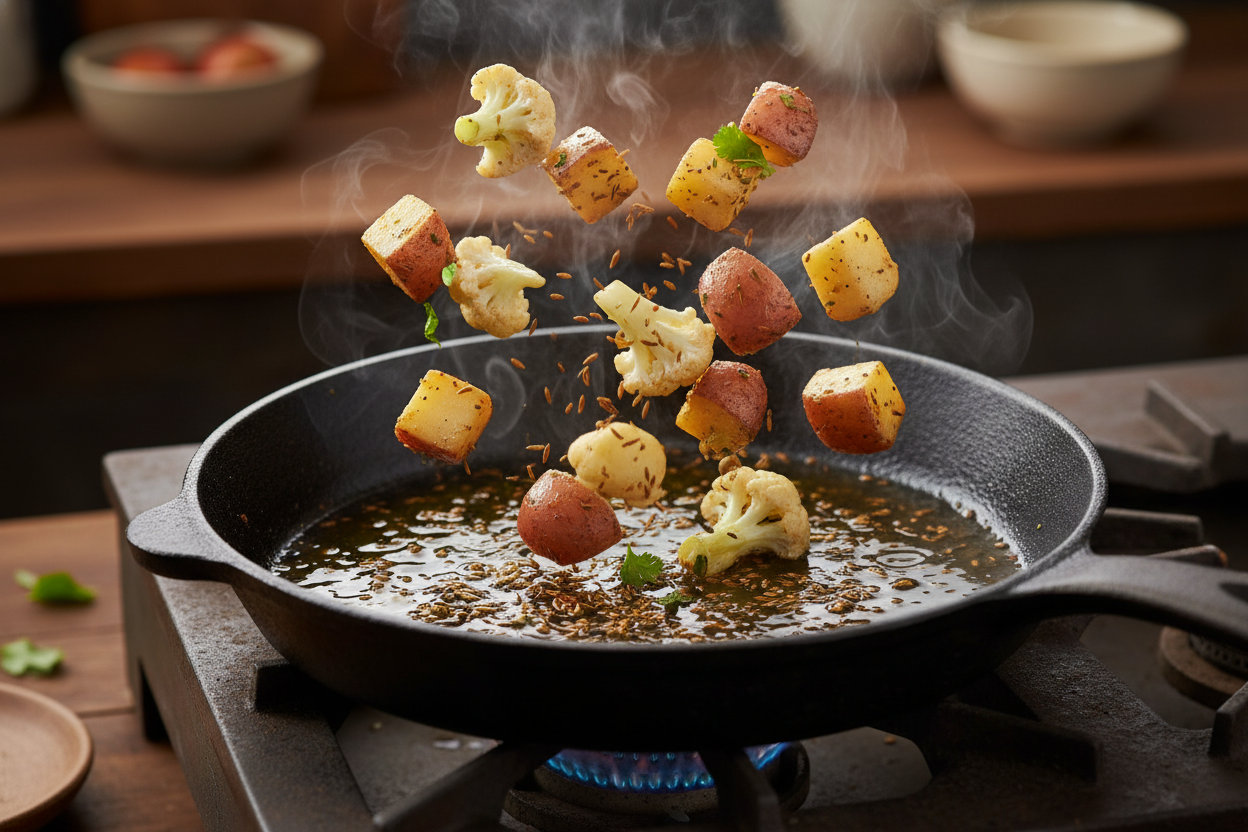
Sizzling the Spices to Build the Flavor Base
- Heat 2-3 tablespoons of your preferred cooking oil (vegetable or canola work well) in a large, heavy-bottomed pan or wok over medium-high heat.
- Once the oil is hot, add the whole cumin seeds. Let them sizzle and crackle for about 15-20 seconds until fragrant and slightly browned. Be careful not to burn them.
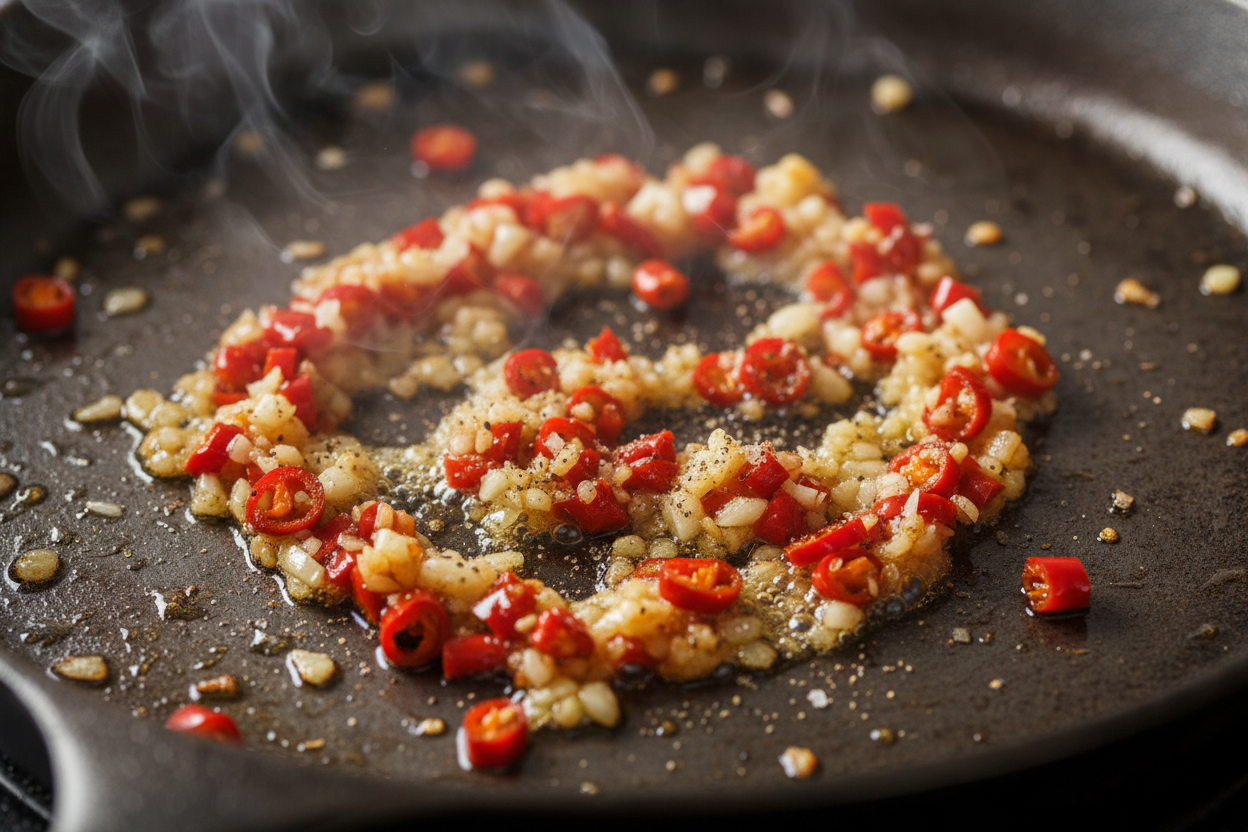
- Immediately add the asafoetida, minced ginger, and minced garlic. Sauté for 1-2 minutes until the raw smell disappears and the aromatics are lightly golden.
Simmering to Tender Perfection
- Add the cubed potatoes to the pan. Sauté for 5-7 minutes, stirring occasionally, until the potatoes start to develop a light golden crust. This helps them hold their shape and become extra flavorful.
- Stir in the cauliflower florets along with all the ground spices: turmeric powder, coriander powder, and red chili powder. Mix well, ensuring the vegetables are evenly coated with the spice blend.
- Add about ¼ cup of water, cover the pan, and reduce the heat to low. Let the vegetables cook, stirring occasionally, for 15-20 minutes, or until both the potatoes and cauliflower are tender but still hold their shape. The steam created by the water will help them cook evenly without becoming mushy. Check for tenderness by piercing with a fork.
- Once tender, remove the lid, increase the heat to medium, and cook for another 5-7 minutes, stirring gently, to allow any remaining moisture to evaporate and for the spices to toast further onto the vegetables. This step is key for that perfect dry aloo gobi sabzi texture.
- Finally, sprinkle in the garam masala and a handful of fresh chopped cilantro. Stir gently to combine. Season with salt to taste. Serve hot.
Expert Tips for the Best Results
Achieving that perfect restaurant-style aloo gobi requires a few insider tricks. Here are my top tips:
How to Prevent Mushy, Waterlogged Cauliflower
“The secret to perfectly cooked cauliflower is gentle handling and controlled moisture. Don’t overcrowd your pan, and add just enough water to create steam without drowning the florets. A final quick sauté after cooking helps evaporate excess moisture, giving you that lovely dry sabzi texture.”
To avoid mushy cauliflower, ensure your florets are not too small. Cook them with the lid on to steam them gently, and lift the lid towards the end to allow any residual moisture to evaporate. Over-stirring can also break down the florets, so be gentle, especially once they start to soften. Some chefs even par-boil or lightly roast the cauliflower separately before adding it to the masala to ensure it stays firm, but with our method, the low-heat steam cook works wonderfully.
The Secret to Golden, Flawlessly Cooked Potatoes
The initial sauté of the potatoes is crucial. This step creates a slight crust on the outside, which helps them maintain their shape throughout the cooking process and prevents them from disintegrating. Don’t rush this step. Allowing them to get a little color before adding other ingredients builds a foundational flavor and texture. Using a heavy-bottomed pan also helps distribute heat evenly, ensuring consistent browning.
Exciting Variations to Try
While the classic recipe is wonderful, there are many ways to adapt this versatile dish to your taste or what you have on hand.
Adding Sweet Peas (Aloo Gobi Matar)
For a burst of color and sweetness, try adding a cup of fresh or frozen green peas to your aloo gobi. If using frozen peas, add them during the last 5-7 minutes of simmering so they cook through without becoming overdone. This variation is often known as aloo gobi matar and is a popular twist on the traditional recipe.
The Oven-Roasted Sheet Pan Method
For a hands-off approach and a slightly different texture, consider an oven-roasted version. Toss the potatoes and cauliflower with oil and all the spices on a large sheet pan. Roast at 400°F (200°C) for 30-40 minutes, flipping halfway, until the vegetables are tender and beautifully caramelized. You can then quickly temper the cumin, ginger, and garlic in a pan and toss it with the roasted vegetables. This method delivers a fantastic smoky flavor and crisp edges.
What to Serve with Aloo Gobi
This dish is incredibly versatile and pairs beautifully with a range of accompaniments, making it a star in any Indian meal spread.
Pairing with Fluffy White Rice and Warm Naan Bread
For a truly satisfying meal, serve your freshly made aloo gobi with a side of steamed fluffy white rice. The rice soaks up all the wonderful flavors of the sabzi. Alternatively, warm, soft naan bread or roti is perfect for scooping up every last bit of the spiced vegetables. The bread provides a delightful contrast in texture and serves as an excellent vehicle for enjoying the rich flavors.
Enhancing the Meal with Chutneys and Cooling Raita
To elevate your dining experience, complement the warmth of the aloo gobi with some cooling elements. A dollop of creamy, homemade raita (yogurt with cucumber and mint) provides a refreshing counterpoint to the spices. Mango chutney or a spicy mint chutney can also add layers of sweet, tangy, or fiery flavors, creating a dynamic and balanced meal that truly celebrates the vibrant spectrum of Indian cuisine.
Storage, Freezing, and Reheating Guidelines
This dish makes for fantastic leftovers, often tasting even better the next day as the flavors meld and deepen. Store any leftover aloo gobi in an airtight container in the refrigerator for up to 3-4 days.
For longer storage, it freezes quite well. Allow the dish to cool completely, then transfer it to a freezer-safe container or bag. It can be frozen for up to 2-3 months. When ready to eat, thaw overnight in the refrigerator.
To reheat, you can gently warm it in a microwave, stirring occasionally, or on the stovetop in a pan over medium-low heat, adding a splash of water if it seems too dry. Be careful not to overcook, especially the cauliflower, to maintain its texture.
Frequently Asked Questions (FAQs)
- Can I make this dish spicier? Absolutely! Increase the amount of red chili powder or add finely chopped green chilies along with the ginger and garlic.
- What if I don’t have fresh ginger and garlic? While fresh is always best, you can use pre-made ginger-garlic paste. Use about 1 tablespoon for the recipe.
- Is this recipe gluten-free? Yes, aloo gobi is naturally gluten-free, provided you don’t use any gluten-containing asafoetida (some brands may contain wheat starch, though most are now gluten-free).
- Can I add other vegetables? Definitely! This is a very forgiving dish. Green beans, carrots, or bell peppers can be added, adjusting cooking times as needed.
There you have it – your guide to making a truly authentic and flavorful aloo gobi. This dish is a celebration of simple ingredients transformed by the magic of Indian spices into a meal that is both hearty and heartwarming. Enjoy the process of creating this classic, and savor every delicious bite!
For more delicious recipes and cooking tips, follow our Facebook page: https://www.facebook.com/profile.php?id=61568538666337

Authentic Aloo Gobi with Rice and Naan
Ingredients
- 1 head Cauliflower Cut into bite-sized florets
- 2 medium Potatoes Peeled and cubed (Yukon Gold or Russet)
- 2 tbsp Vegetable oil
- 1 tsp Cumin seeds
- 3 cloves Garlic Minced
- 1 whole Red chili pepper Finely chopped
- 1 cup Curry sauce Store-bought or homemade tomato-onion base
- 1/4 cup Fresh cilantro Chopped, for garnish
- 2 cups White rice Cooked, for serving
- 4 pieces Naan bread Warmed, for serving
Instructions
- Heat the vegetable oil in a large skillet or heavy-bottomed pot over medium heat. Add the cumin seeds and let them toast until they begin to sizzle and release their aroma, about 30 seconds.
- Stir in the minced garlic and finely chopped red chili pepper. Sauté for 1 minute until fragrant, being careful not to let the garlic brown.
- Add the cubed potatoes and cauliflower florets to the skillet. Toss well to coat the vegetables in the infused oil. Cook for 5 to 7 minutes, stirring occasionally, until the edges begin to lightly brown.
- Pour in the curry sauce and stir to combine, ensuring the vegetables are evenly coated. Bring the mixture to a gentle simmer.
- Cover the skillet with a tight-fitting lid and reduce the heat to medium-low. Cook for 15 minutes, or until both the potatoes and cauliflower are fork-tender.
- Remove from heat and garnish generously with chopped fresh cilantro. Serve immediately alongside cooked white rice and warm naan bread.
For more daily recipes and tips, follow us on Facebook!
Click here to join our community!