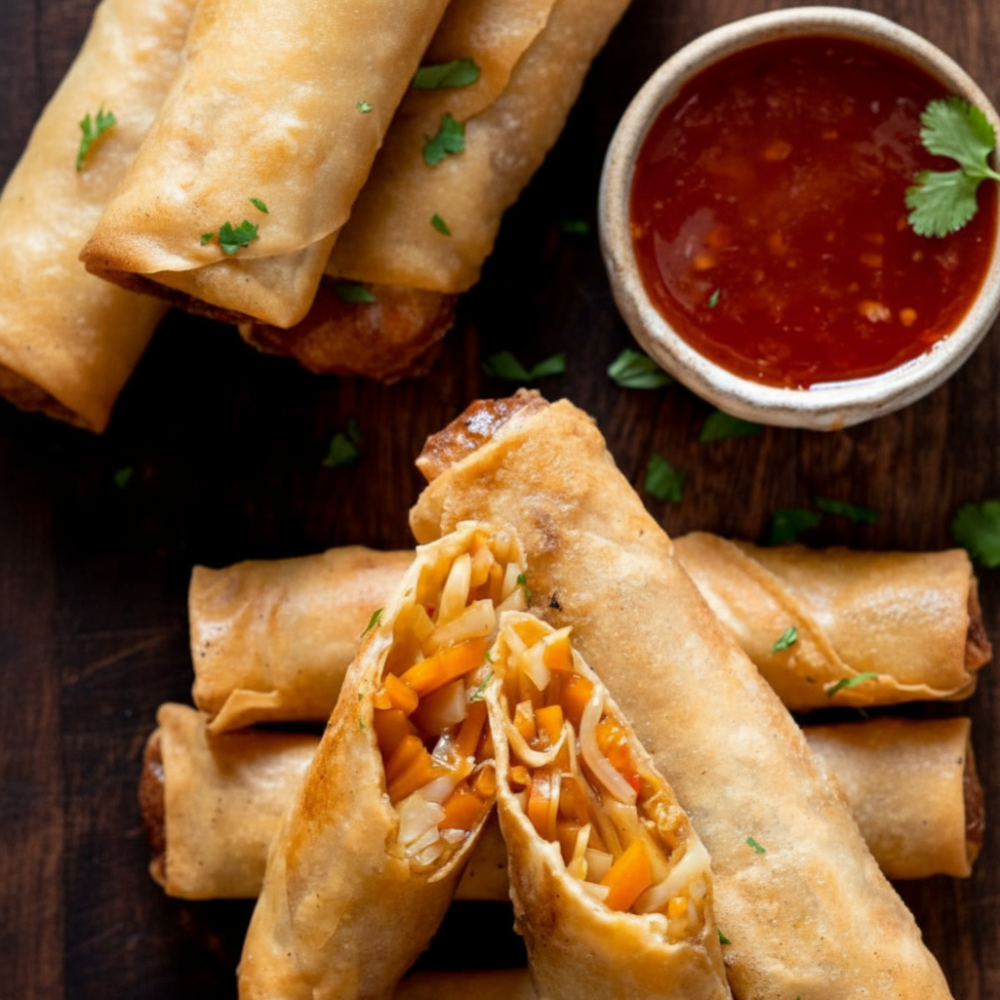
Why You’ll Love These Crispy Fried Vegetable Spring Rolls (with Savory Beef)
There’s something uniquely satisfying about a perfectly crunchy Fried Vegetable Spring Roll. That golden, crisp exterior giving way to a warm, savory interior packed with vibrant vegetables and seasoned beef – it’s an experience that’s hard to beat! Forget those sad, greasy versions you sometimes encounter. Today, we’re diving into how to make absolutely irresistible homemade spring rolls that will have everyone reaching for more. These aren’t just any appetizers; they’re a labor of love that delivers immense flavor and a delightful texture, making them a fantastic addition to any meal or gathering of Asian appetizers.
Our recipe focuses on creating a flavorful spring roll filling that balances the fresh crunch of vegetables with the rich, umami notes of perfectly cooked beef. We’ll guide you through every step, from selecting the right ingredients to mastering the rolling technique and achieving that ultimate deep-fried crispness. Get ready to impress your family and friends with these delectable parcels of joy!
Essential Ingredients for the Perfect Crunch
Creating truly exceptional deep-fried spring rolls starts with selecting the best ingredients. Each component plays a vital role in achieving that perfect balance of flavor and texture.
The Star Vegetables: Cabbage, Carrots, Peppers, and Bean Sprouts
The core of our spring roll filling relies on a medley of fresh, crisp vegetables. We’re looking for color, crunch, and a subtle sweetness that complements the beef. Here’s what you’ll need:
- Green Cabbage: Finely shredded, it provides a foundational crunch and mild flavor.
- Carrots: Julienne or finely grated for sweetness and a vibrant orange hue.
- Bell Peppers: Red or yellow bell peppers, thinly sliced, add a touch of sweetness and a pop of color.
- Bean Sprouts: These are essential for that characteristic fresh crunch and slight earthy flavor. Add them towards the end of cooking the filling to retain their crispness.
- Green Onions: Sliced for a mild oniony bite and freshness.
- Garlic & Ginger: Freshly minced, these aromatics are the soul of the filling, providing warmth and depth.
Using fresh, high-quality vegetables will make a significant difference in the final taste and texture of your spring rolls.
Incorporating Savory Beef
For a hearty and satisfying twist, we’re adding savory beef to our vegetable blend. This transforms the appetizer into a more substantial treat, making these truly magnificent beef and vegetable rolls.
- Ground Beef: Lean ground beef (80/20 or 85/15) works best. It browns beautifully and mixes well with the vegetables.
- Seasonings: Soy sauce, sesame oil, a touch of oyster sauce (optional, for extra umami), and a pinch of black pepper will elevate the beef’s flavor profile.
The beef adds a rich, meaty depth that perfectly balances the crispness of the vegetables and the delicate crunch of the wrapper.
Selecting the Right Spring Roll Wrappers
The wrapper is crucial for achieving that characteristic crunch. Don’t underestimate its importance!
- Traditional Spring Roll Wrappers: Look for thin, round or square pastry wrappers, often found in the freezer section of Asian grocery stores. They are distinct from rice paper wrappers used for fresh spring rolls. These specific spring roll wrappers are designed to become incredibly crispy when fried.
- Size: Standard wrappers are typically 6-8 inches square. Choose a size that feels manageable for rolling.
- Handling: Keep them covered with a damp cloth as you work to prevent them from drying out and cracking.
A good quality wrapper will puff up and become beautifully golden and crisp, almost like a delicate pastry. If you’re aiming for that delightful texture reminiscent of crispy lumpia, the right wrapper is key.
How to Make the Best Fried Vegetable Spring Rolls
Now that we have our star ingredients, let’s dive into the exciting part: cooking and assembling these delicious morsels!
1. Prepping the Savory Beef & Veggie Filling
The heart of our spring roll is the flavorful filling. Getting this right is crucial for a delicious outcome.
-
Cook the Beef: In a large skillet or wok, brown the ground beef over medium-high heat. Break it up with a spoon as it cooks. Drain any excess fat.
-
Sauté Aromatics: Add minced garlic and ginger to the beef. Sauté for about 1 minute until fragrant. This infuses the beef with wonderful aromatic notes.
-
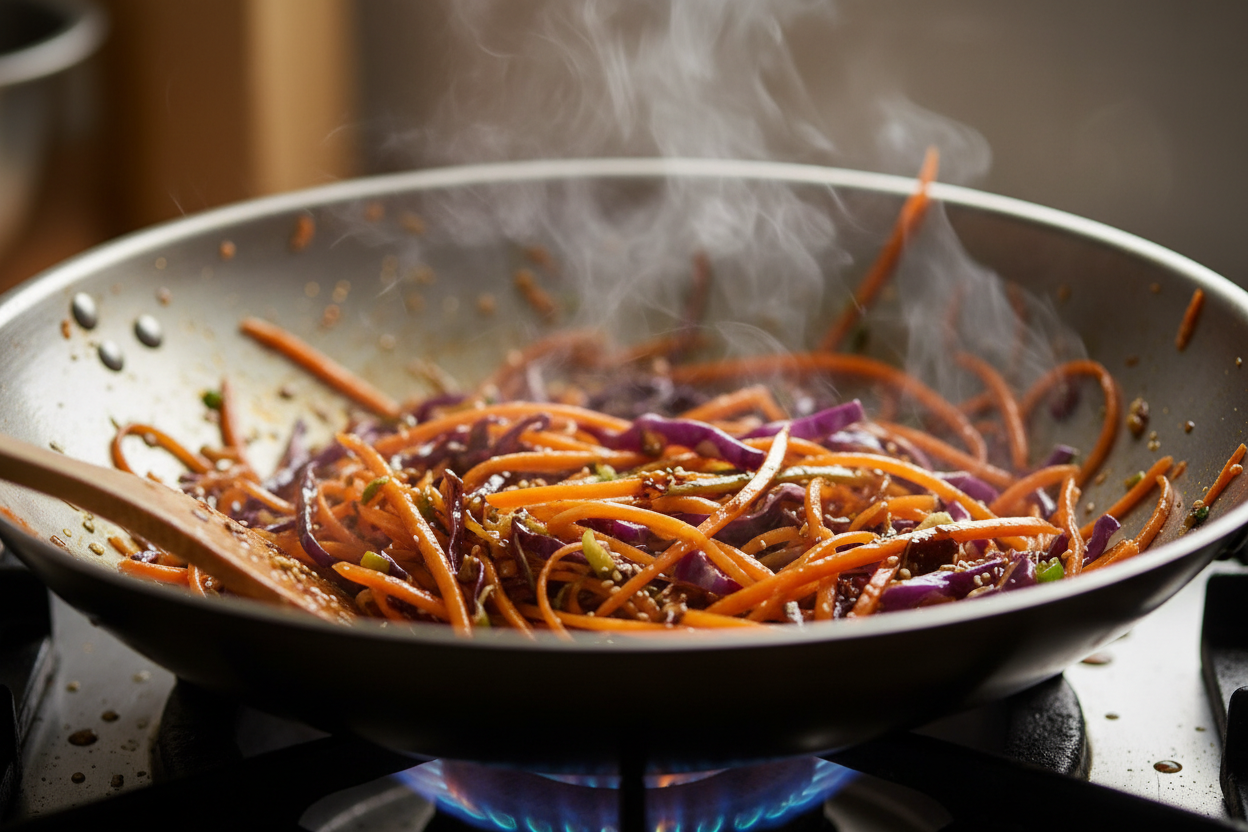
Add Harder Vegetables: Stir in the shredded cabbage, julienned carrots, and sliced bell peppers. Cook for 5-7 minutes, stirring occasionally, until the vegetables start to soften but still retain some bite. We don’t want them mushy.
-
Season the Filling: Pour in the soy sauce, sesame oil, and oyster sauce (if using). Season with black pepper. Mix well to ensure everything is evenly coated.
-
Incorporate Bean Sprouts and Green Onions: Add the bean sprouts and sliced green onions, cooking for just 1-2 minutes until they are slightly wilted but still crisp. Overcooking them will make the filling watery.
-
Cool the Filling: Transfer the prepared spring roll filling to a colander set over a bowl. Allow it to cool completely and drain any excess liquid. This step is vital to prevent soggy spring rolls later. You can gently press on the filling to help release more moisture.
2. The Art of Rolling Spring Rolls Perfectly
Rolling might seem tricky at first, but with a little practice, you’ll be a pro. The goal is a tight, secure roll that won’t burst during frying.
-
Prepare Your Workspace: Lay out your thawed spring roll wrappers on a clean, dry surface. Keep the unused wrappers covered with a damp cloth to prevent them from drying out. Have a small bowl of water or an egg wash (beaten egg) ready for sealing.
-
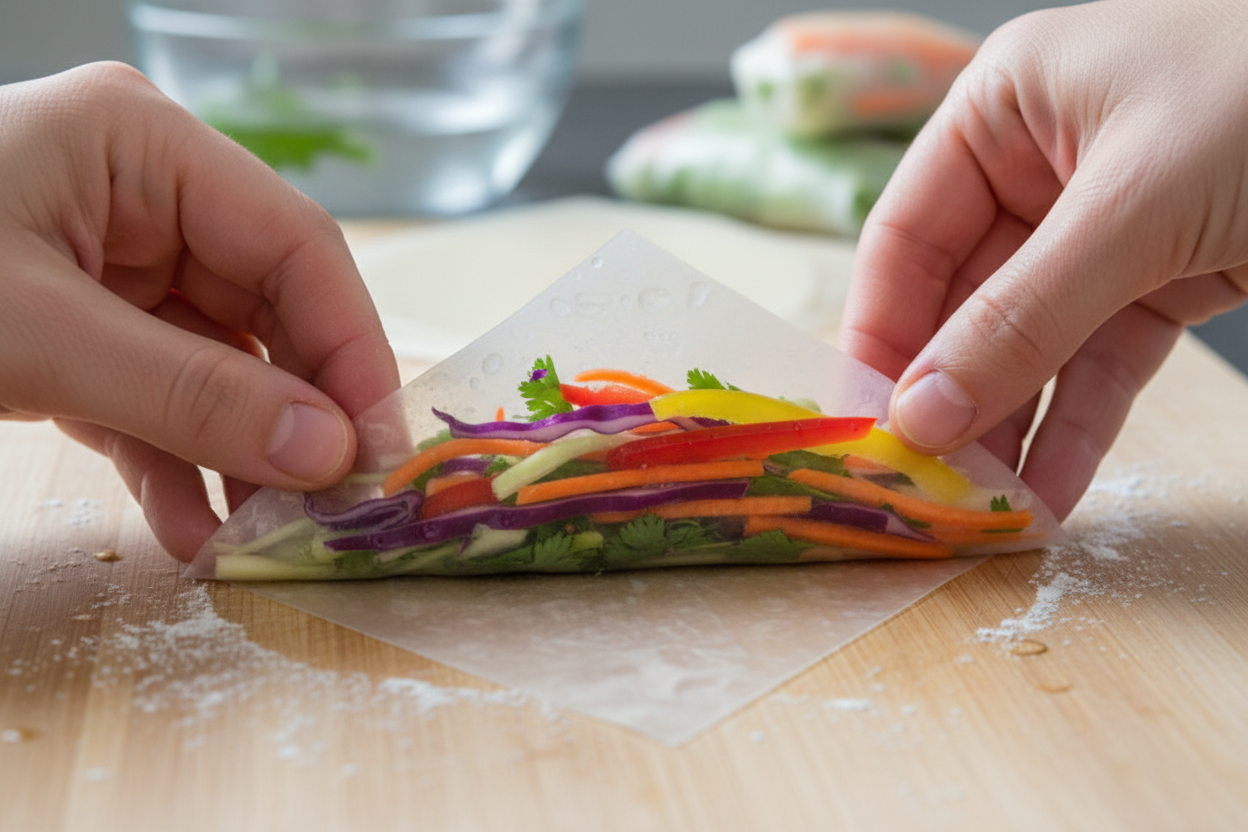
Position the Wrapper: Place one wrapper with a corner pointing towards you, like a diamond. This gives you ample space to roll.
-
Add the Filling: Spoon about 2-3 tablespoons of the cooled filling onto the bottom corner of the wrapper, forming a log shape about 1 inch from the corner. Don’t overfill, or it will be difficult to roll and more likely to tear.
-
Fold the Corner: Fold the bottom corner up and over the filling, tucking it in snugly. Roll it forward once.
-
Fold in the Sides: Fold in the left and right corners towards the center, creating an envelope shape.
-
Continue Rolling: Roll the spring roll tightly upwards towards the top corner. Before the last roll, moisten the top corner with water or egg wash to create a seal.
-
Seal and Repeat: Finish rolling, pressing gently to seal. Place the rolled spring roll seam-side down on a baking sheet lined with parchment paper. Repeat with the remaining wrappers and filling.
3. Deep Frying Tips for Ultimate Crunch
This is where we achieve that coveted golden crispness. Proper deep frying technique is key for truly amazing deep-fried spring rolls.
-
Heat the Oil: Pour about 2-3 inches of neutral oil (like vegetable, canola, or peanut oil) into a deep pot or Dutch oven. Heat the oil to 350-375°F (175-190°C). A kitchen thermometer is incredibly helpful here. Maintaining the right temperature is crucial; too low, and the spring rolls will be greasy; too high, and they’ll brown too quickly without cooking through.
-
Fry in Batches: Gently place 3-4 spring rolls into the hot oil, ensuring not to overcrowd the pot. Overcrowding will lower the oil temperature, leading to greasy results. Give them space to fry evenly.
-
Cook Until Golden: Fry for 4-6 minutes, turning occasionally, until they are beautifully golden brown and incredibly crispy. The exact time will depend on the oil temperature and the size of your spring rolls.
-
Drain Excess Oil: Carefully remove the golden spring rolls with a slotted spoon or tongs and transfer them to a wire rack set over a baking sheet lined with paper towels. This allows excess oil to drain off, keeping them extra crisp. This is essential for getting that delightful texture similar to crispy lumpia.
-
Serve Immediately: Serve your perfectly fried spring rolls hot and fresh for the best experience!
Pro-Tips for Avoiding Soggy Spring Rolls
No one wants a soggy spring roll! Here are some expert tips to ensure every bite is wonderfully crisp:
- Drain the Filling Thoroughly: As mentioned, this is the most critical step. After cooking, let the filling drain in a colander until all excess liquid is gone. Moisture is the enemy of crispiness.
- Don’t Overfill: Too much filling makes it harder to seal the spring rolls tightly, and can cause them to burst or become soggy from the inside out.
- Seal Tightly: Ensure your wrappers are securely sealed with water or egg wash. Any open seams can allow oil in or filling to escape.
- Maintain Oil Temperature: Use a thermometer and adjust your heat as needed. If the oil gets too cool, the spring rolls will absorb too much oil; if it’s too hot, they’ll burn before cooking through.
- Don’t Overcrowd the Pot: Fry in small batches to keep the oil temperature consistent and allow the spring rolls to cook evenly.
- Drain on a Wire Rack: Always place fried spring rolls on a wire rack, not directly on paper towels. This allows air to circulate, preventing condensation and sogginess.
Helpful Substitutions and Variations
While our beef and vegetable rolls are a fantastic choice, you can easily adapt this recipe to suit different preferences or dietary needs.
Making It 100% Vegetarian
If you prefer a meat-free option, these spring rolls are equally delicious without beef. Simply omit the ground beef entirely. You can enhance the umami by:
- Adding finely chopped mushrooms (like shiitake or cremini) to the vegetable mix.
- Using a mushroom-based soy sauce or a dash of vegetarian oyster sauce.
- Increasing the amount of bell peppers or adding water chestnuts for extra crunch.
The core vegetable blend remains wonderfully satisfying on its own.
Exploring Other Proteins
While we love the savory beef, feel free to experiment with other proteins for a different flavor profile:
- Ground Chicken or Turkey: A lighter alternative that still provides a good protein base. Cook and season similarly to the ground beef.
- Shrimp: Finely chopped shrimp adds a delicate, sweet flavor. Add it towards the end of cooking the filling, as shrimp cooks very quickly.
No matter your protein choice, ensure it’s cooked through and well-drained before rolling.
Storage, Freezing, and Reheating Instructions
These homemade spring rolls are best enjoyed fresh, but you can certainly prepare them in advance or store leftovers.
- Unfried Spring Rolls: You can roll the spring rolls and arrange them in a single layer on a parchment-lined baking sheet. Cover tightly with plastic wrap and refrigerate for up to 24 hours. Alternatively, freeze them in a single layer until solid, then transfer to a freezer-safe bag for up to 2-3 months. Fry directly from frozen, adding a few extra minutes to the cooking time.
- Cooked Spring Rolls: Store leftover fried spring rolls in an airtight container in the refrigerator for 2-3 days.
- Reheating: To reheat, bake in a preheated oven at 350°F (175°C) for 10-15 minutes, or air fry at 350°F (175°C) for 5-8 minutes, until crispy and heated through. Avoid microwaving, as it will make them soggy.
What to Serve with Fried Spring Rolls
These delectable rolls are fantastic on their own, but pairing them with the right accompaniments elevates the experience. Here are some classic and creative ideas:
- Sweet Chili Sauce: This is the ultimate, non-negotiable dipping sauce. Its balance of sweet, tangy, and mildly spicy flavors perfectly complements the rich filling and crisp exterior. Have plenty of sweet chili sauce on hand!
- Soy Sauce with Chili Flakes: For a simpler, savory dip, a good quality soy sauce with a pinch of chili flakes or a dash of sriracha is excellent.
- Vinegar-Based Dipping Sauce: A mixture of rice vinegar, soy sauce, a touch of sugar, and minced garlic or ginger offers a refreshing contrast.
- Fresh Salad: A light, crisp green salad with a simple vinaigrette can cut through the richness of the fried rolls.
- Other Asian Appetizers: Serve them as part of a larger spread with other favorites like potstickers, fresh spring rolls, or even some edamame.
- Rice Dishes: If serving as a main course, a side of steamed jasmine rice or fried rice makes for a complete meal.
Frequently Asked Questions
Here are some common questions about making homemade spring rolls:
Q: Can I bake these spring rolls instead of deep frying?
A: Yes, you can bake them for a lighter option. Preheat your oven to 400°F (200°C). Brush the rolled spring rolls lightly with oil and bake for 20-25 minutes, flipping halfway, until golden and crispy. While they will be good, the texture won’t be quite as perfectly crisp as deep-fried versions.
Q: What if my spring roll wrappers keep tearing?
A: Wrappers can tear if they’re too cold, too dry, or if you’re trying to overfill them. Ensure your wrappers are at room temperature and keep them covered with a damp cloth while you work. Don’t be afraid to use a double wrapper if they seem particularly thin or fragile.
Q: How do I know the oil is at the right temperature without a thermometer?
A: You can test the oil by dropping a tiny piece of wrapper into it. If it sizzles immediately and floats to the surface, the oil is ready. If it just sinks or barely bubbles, it’s not hot enough. If it browns too quickly, it’s too hot.
Q: Can I prepare the filling in advance?
A: Absolutely! The filling can be cooked and cooled up to 2 days in advance and stored in an airtight container in the refrigerator. Just ensure it’s completely cooled and well-drained before you start rolling.
We hope you enjoy making these incredible Fried Vegetable Spring Rolls. They are truly a labor of love that pays off in delicious, crispy dividends!
Want more delicious recipes and cooking tips? Follow us on Facebook: https://www.facebook.com/profile.php?id=61568538666337
Crispy Fried Vegetable Spring Rolls with Beef
Ingredients
- 1/2 lb Ground beef Or thinly sliced beef sirloin
- 2 cups Shredded cabbage
- 1 cup Matchstick carrots
- 1 cup Thinly sliced bell peppers
- 1 cup Bean sprouts
- 2 tbsp Sesame oil
- 2 tbsp Soy sauce
- 1/4 cup Fresh cilantro Chopped
- 20 pieces Spring roll wrappers Thawed if frozen
- 3 cups Sunflower oil Divided for sautéing and deep-frying
- 1/2 cup Sweet chili sauce For serving
Instructions
- Heat 1 tablespoon of sunflower oil in a large skillet or wok over medium-high heat. Add the ground beef and cook until thoroughly browned, about 4-5 minutes.
- Add the shredded cabbage, carrots, bell peppers, and bean sprouts to the skillet. Sauté until the vegetables are crisp-tender and most of the moisture has evaporated, about 5 minutes.
- Stir in the sesame oil, soy sauce, and chopped cilantro. Remove the skillet from the heat, drain any excess liquid, and allow the filling to cool completely to room temperature.
- Place a spring roll wrapper on a clean surface in a diamond shape. Spoon 2 tablespoons of the cooled beef and vegetable filling onto the bottom third of the wrapper.
- Fold the bottom corner up over the filling, tucking it tightly. Fold the left and right corners inward, then roll the wrapper up tightly, sealing the top corner with a dab of water.
- Heat the remaining sunflower oil in a deep pot or wok to 350°F (175°C).
- Carefully lower the spring rolls into the hot oil in small batches. Deep-fry for 3-4 minutes until golden brown and crispy, turning occasionally.
- Transfer the fried spring rolls to a wire rack or paper towels to drain excess oil. Serve immediately with sweet chili sauce.
For more daily recipes and tips, follow us on Facebook!
Click here to join our community!