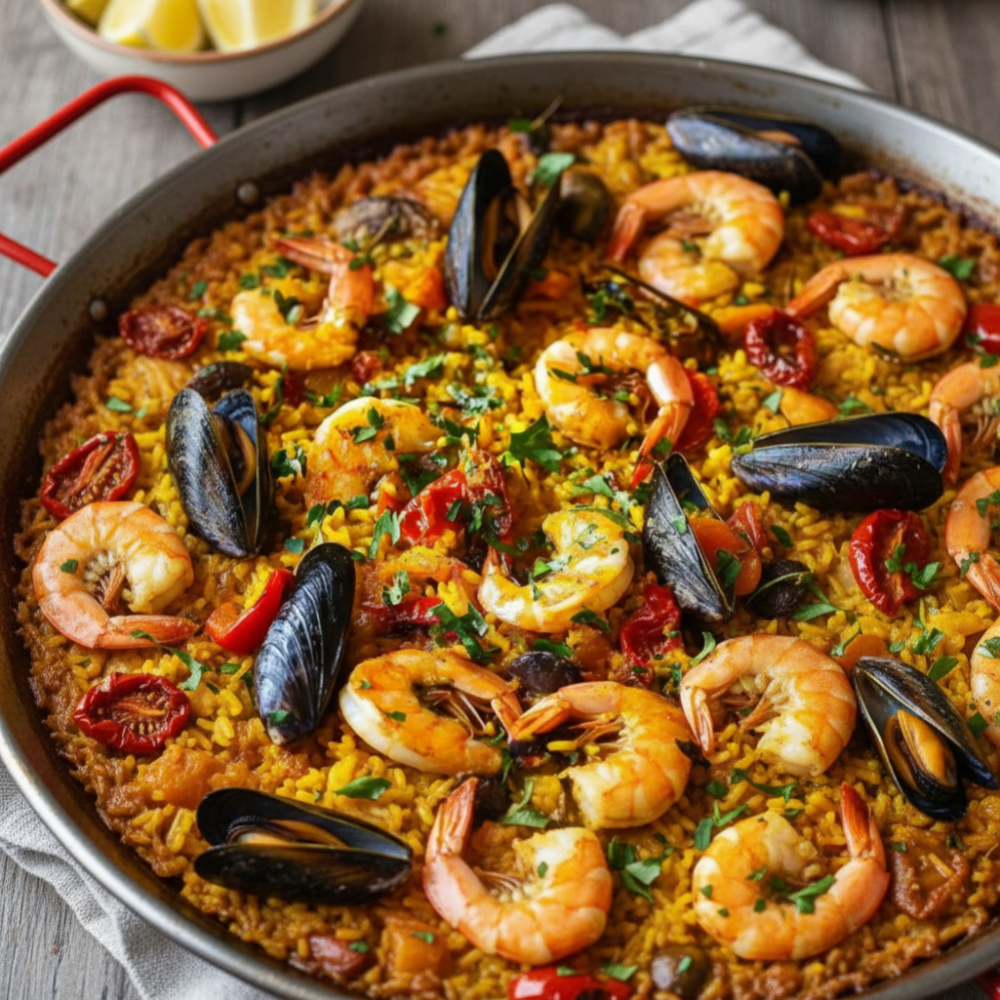
Authentic Spanish Seafood Paella: A Taste of Valencia
Imagine the sun-drenched coast of Spain, the aroma of saffron mingling with the sea breeze, and the convivial sound of friends and family gathered around a steaming pan of golden rice. That, my friends, is the essence of paella – a dish that transcends mere food to become an experience. While there are many delicious renditions, today we’re diving deep into the heart of coastal Spain with an authentic Spanish Paella recipe focusing on the freshest catch from the sea. Get ready to master the art of this iconic rice dish, from building its complex flavors to achieving that coveted crispy socarrat.
What Makes a Traditional Spanish Paella?
At its core, paella is a rice dish originating from Valencia, cooked in a wide, shallow pan over an open fire. It’s not just about the ingredients; it’s about the technique, the ritual, and the communal spirit it embodies. The beauty of paella lies in its ability to bring people together, creating unforgettable memories around a shared meal.
The History of Paella in Spain
The story of paella begins humble, in the fields of Valencia. Originally, it was a farmers’ dish, cooked outdoors over an orange wood fire, using whatever ingredients were at hand: rice, vegetables, and often rabbit or fowl. Over centuries, as rice cultivation flourished in the region, the dish evolved, becoming a staple of Valencian cuisine. The distinctive paella pan itself, with its broad, shallow design, was crucial for ensuring the rice cooked evenly and a delicious crust formed at the bottom. From its rural roots, paella spread across Spain and eventually the world, adapting to local tastes but always retaining its communal heart.
Exploring Paella Variations: Seafood vs. Mixed vs. Valenciana
While the fundamental principles remain, paella boasts a delightful array of variations, each a testament to Spain’s diverse culinary landscape.
- Paella Valenciana: The traditional, purist version from Valencia. It typically features chicken, rabbit, sometimes snails, and specific regional beans like garrofó, all cooked with rice and saffron. This is the bedrock of paella culture.
- Paella Marinera (Seafood Paella): Our focus today, this version celebrates the bounty of the Mediterranean. It’s rich with shellfish like shrimp, mussels, and clams, often squid or firm white fish, and infused with a robust seafood stock. It’s lighter and briny, a true taste of the coast.
- Mixed Paella: As the name suggests, this popular variation combines elements of both land and sea. You might find chicken, beef, and shrimp all nestled together in the saffron-infused rice, offering a broader spectrum of flavors and textures. While beloved outside of Valencia, purists might raise an eyebrow, but its deliciousness is undeniable.
Essential Ingredients for the Perfect Seafood Paella
Great paella starts with great ingredients. Each component plays a vital role in building the layered flavors that make this dish so special.
Bomba Rice: The Secret to Proper Liquid Absorption
Do not underestimate the importance of your rice choice. For an authentic paella, Bomba rice is non-negotiable. This short-grain rice, grown primarily in Spain, is prized for its unique ability to absorb a tremendous amount of liquid while still retaining its individual grain structure. This means it soaks up all the glorious flavors of your stock and sofrito without becoming mushy. It expands like an accordion, giving you perfectly cooked, separate grains every time. While Arborio rice might seem like a substitute, its creamier texture is better suited for risotto, not paella.
Saffron & Seafood Stock: Building Flavor Profiles
Saffron threads are the soul of paella, imparting that signature golden hue and a subtly floral, almost honeyed aroma. Always opt for good quality, vibrant red saffron threads; a little goes a long way. Before use, gently toast them briefly in a dry pan or steep them in a little warm stock to maximize their color and flavor release.
The stock is equally crucial. For paella marinera, a rich, homemade seafood stock is paramount. It forms the flavor foundation upon which everything else is built. If making your own isn’t feasible, use a high-quality store-bought fish or vegetable stock, but avoid anything too heavily flavored that might overpower the delicate seafood.
Fresh Seafood: Selecting the Best Shrimp and Mussels
The success of your seafood paella hinges on the freshness of your catch. Look for plump, firm shrimp with a translucent sheen, and mussels or clams that are tightly closed. Discard any shellfish that are open before cooking, as they are likely dead. For extra depth, you can also include squid rings, scallops, or chunks of firm white fish like cod or monkfish. Always aim for variety to create a visually stunning and texturally exciting dish.
Equipment You Need: The Importance of a Paella Pan
While often overlooked, the right cooking vessel is key to achieving true paella perfection.
Pan Size and Heat Distribution
A traditional paella pan (a ‘paellera’) is wide, shallow, and made of carbon steel, designed specifically for this dish. Its broad surface allows the rice to cook in a thin layer, promoting even cooking and maximizing the area for that prized socarrat. The shallow depth also helps liquid evaporate efficiently. The pan’s material ensures excellent heat distribution, which is vital for developing the flavors evenly and creating the crispy bottom layer. Choose a pan size appropriate for your serving needs; a 15-inch pan typically serves 4-6 people.
“The paella pan isn’t just a pot; it’s an instrument. It conducts heat in a way that allows the rice to toast and crisp, forming that beautiful socarrat that every true paella aficionado craves.”
Top Skillet Alternatives if You Don’t Have a Paella Pan
Don’t have a dedicated paella pan? Don’t despair! While not ideal, you can still make a delicious version using alternatives:
- Wide, Shallow Stainless Steel Skillet: A large, heavy-bottomed stainless steel skillet or frying pan with low sides is your best bet. The wide surface area mimics the paella pan’s design, helping with evaporation and socarrat formation.
- Cast Iron Skillet/Baking Dish: A large cast iron skillet can work well due to its excellent heat retention, though the sides might be a bit high. For larger batches, you could even start on the stovetop and finish in a wide, shallow roasting pan in the oven, though achieving socarrat this way can be tricky.
Step-by-Step Guide to Cooking Spanish Seafood Paella
Now, let’s get to the heart of the matter – cooking this magnificent dish. Remember, patience and a little practice are your best allies.
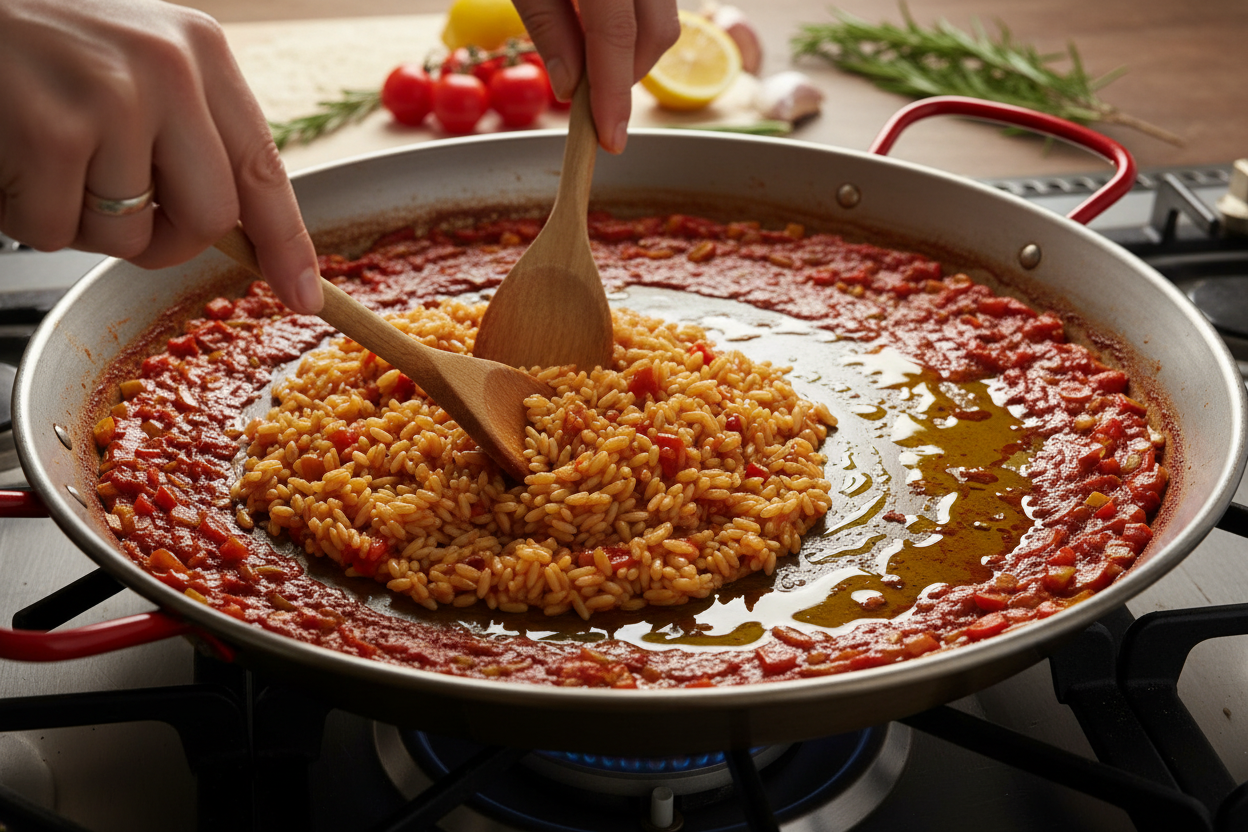
- Prepare Your Sofrito Base: Start by heating olive oil in your paella pan over medium heat. Sauté finely diced onions, bell peppers (traditionally red and green), and garlic until softened and fragrant. Add grated ripe tomatoes (or a good quality crushed tomato) and cook down until the mixture thickens and deepens in color, about 10-15 minutes. This rich, aromatic base, known as sofrito, is the soul of your paella and builds incredible depth of flavor.
- Sauté Seafood and Toast Rice: Push the sofrito to the sides of the pan. Add your prawns and squid (if using) and quickly sear them for a minute or two until just barely cooked; remove them from the pan and set aside. Then, add the Bomba rice to the center of the pan, stirring it into the sofrito for about 1-2 minutes until each grain is coated and slightly translucent. This “toasting” helps prevent stickiness.
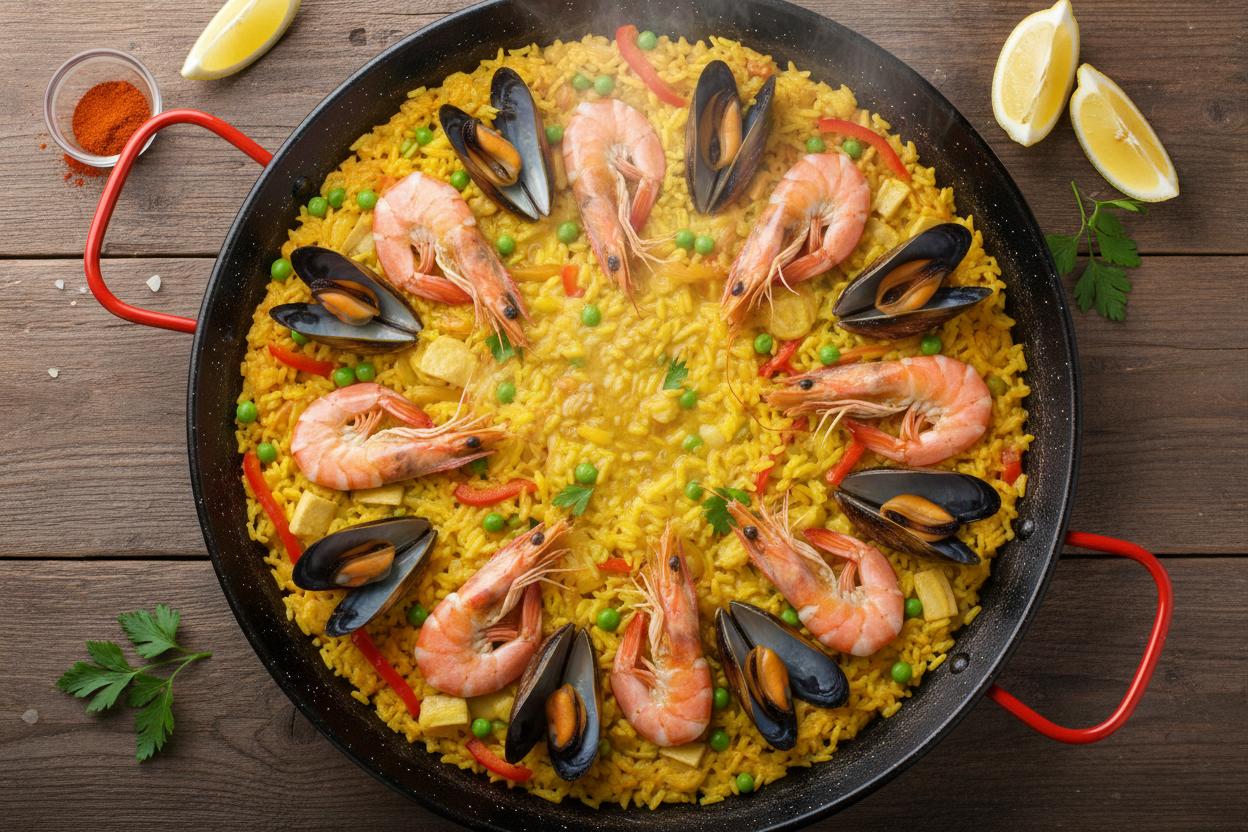
- Add Broth and Shellfish: Pour in your warmed seafood stock, along with the steeped saffron threads. Stir gently once to distribute the rice and ingredients evenly. Arrange the mussels and clams (if using) directly into the rice mixture, hinge-side down. Avoid stirring after this point. Ensure the liquid covers the rice.
- The Golden “No Stir” Rule: This is perhaps the most crucial rule in paella making. Once the rice and liquid are combined, do not stir the paella. Stirring releases starch, which results in a creamy, risotto-like texture, precisely what we want to avoid. The rice needs to cook undisturbed, allowing it to absorb the liquid evenly and, critically, form the crispy crust at the bottom. Bring the liquid to a boil, then reduce the heat to medium-low and simmer gently for about 15-18 minutes, or until most of the liquid has been absorbed and the rice is almost cooked through. Place the reserved prawns and squid back on top for the last 5 minutes of cooking.
How to Achieve the Perfect Socarrat
The crispy socarrat – that slightly caramelized, toasty layer of rice at the bottom of the pan – is the hallmark of a truly great paella. It’s an art form, a test of patience and intuition.
Controlling the Heat in the Final Minutes
After the main cooking time (around 15-18 minutes), when most of the liquid is absorbed and the rice looks nearly done, it’s time to coax out the socarrat. Increase the heat to medium-high for the final 2-4 minutes. Keep a close eye and ear on your paella. You’re looking for that delicate balance between crisping and burning.
Identifying the Signature Crackling Sound
Listen carefully for a subtle crackling or sizzling sound coming from the bottom of the pan. You might also notice a fragrant, toasted rice aroma filling your kitchen. Gently nudge a small portion of rice with a spoon to peek underneath; you should see a golden-brown, crusty layer forming. Once you hear and see these signs, remove the paella from the heat immediately. This step requires a bit of courage and trust in your senses!
Expert Tips for Serving and Storing Paella
You’ve put in the effort, now enjoy the reward!
Resting the Paella Before Serving
Once removed from the heat, cover the paella pan loosely with foil or a clean kitchen towel. Let it rest for 5-10 minutes. This resting period allows the flavors to meld, the rice to finish absorbing any remaining steam, and the grains to become perfectly tender. It also makes for easier serving.
Ideal Side Dishes and Wine Pairings
Paella is a meal in itself, but a simple green salad with a light vinaigrette makes for a refreshing accompaniment. Crusty bread is excellent for soaking up any remaining juices. For drinks, a crisp, dry Spanish white wine like Albariño or Verdejo is a classic pairing for Paella marinera. A chilled rosé or a light-bodied red like a young Tempranillo can also be delightful.
Reheating Leftover Paella Without Overcooking
Leftover paella can be delicious, but reheating requires care to prevent the rice from drying out. Store cooled paella in an airtight container in the refrigerator for up to 2-3 days. To reheat, gently warm small portions in a skillet over low heat, adding a splash of water or stock to rehydrate the rice. Cover the pan to create steam. Avoid microwave reheating if possible, as it can lead to uneven heating and a rubbery texture. The socarrat will likely soften upon reheating, but the flavors will still be wonderful.
Mastering an authentic seafood paella is a culinary journey that rewards patience, precision, and passion. Each element, from the choice of Bomba rice and quality saffron threads to the careful construction of the sofrito and the meticulous cooking in a paella pan, contributes to a dish that is truly a celebration of Spanish culture and flavor. We hope this guide inspires you to create your own magnificent paella and share it with loved ones. For more delicious Spanish recipes and culinary adventures, make sure to follow us on Facebook!
Follow us on Facebook for more Spanish culinary inspiration: https://www.facebook.com/profile.php?id=61568538666337
Authentic Spanish Seafood Paella
Ingredients
- 2 cups Bomba rice Arborio can be used as a substitute if Bomba is unavailable.
- 4 cups Seafood stock Kept warm on the stove.
- 1/2 tsp Saffron threads Steeped in the warm stock.
- 1 lb Large shrimp Peeled and deveined, tails left on.
- 1 lb Fresh mussels Scrubbed and debearded.
- 1 Red bell pepper Diced into even pieces.
- 2 Ripe tomatoes Grated, skins discarded.
- 3 tbsp Extra virgin olive oil
- 1/4 cup Fresh parsley Finely chopped for garnish.
- 1 Lemon Cut into wedges for serving.
Instructions
- Pour the seafood stock into a saucepan over low heat and steep the saffron threads in it to infuse the broth.
- Place a large paella pan or wide skillet over medium heat and warm the extra virgin olive oil.
- Add the diced red bell pepper to the pan and sauté for about 3 minutes until slightly softened.
- Stir in the grated tomatoes, cooking the mixture for 5 minutes until it reduces into a thick, jam-like sofrito.
- Sprinkle the Bomba rice evenly across the pan, stirring briefly for 1 minute to toast the grains and coat them in the sofrito.
- Pour the warm saffron-infused seafood stock over the rice, gently shaking the pan once to distribute the liquid evenly.
- Bring the mixture to a boil and let it cook uncovered for 10 minutes. Do not stir the rice from this point forward.
- Arrange the shrimp and mussels evenly over the top of the rice. Lower the heat to a simmer and cook for another 10 minutes until the liquid is absorbed and the mussel shells open. Discard any unopened mussels.
- Increase the heat to medium-high for the final 1 to 2 minutes. Listen for a crackling sound to ensure the crispy rice bottom, known as the socarrat, forms without burning.
- Remove the pan from the heat, cover lightly with a clean kitchen towel, and let the paella rest for 5 minutes.
- Garnish with chopped fresh parsley and lemon wedges before serving straight from the pan.
For more daily recipes and tips, follow us on Facebook!
Click here to join our community!